
Volkswagen terminates multiple collective bargaining agreements at year-end
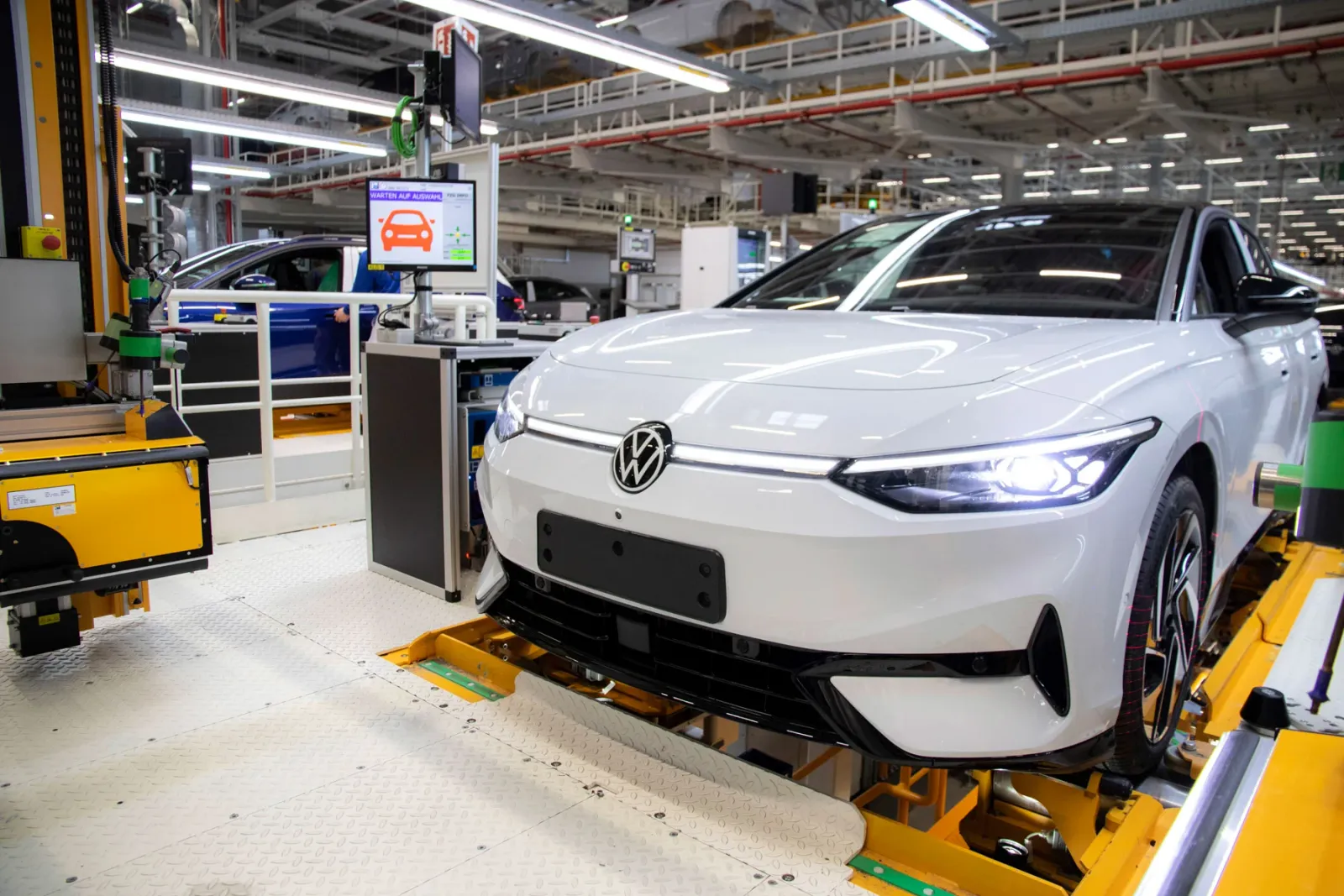
Following IG Metall, Volkswagen has used the revision clause of the future collective agreement to terminate several in-house collective agreements as of December 31, 2026. According to union representatives, this includes the framework collective agreement, among other things. For employees, nothing will change initially; job security until the end of 2030 remains explicitly unaffected.
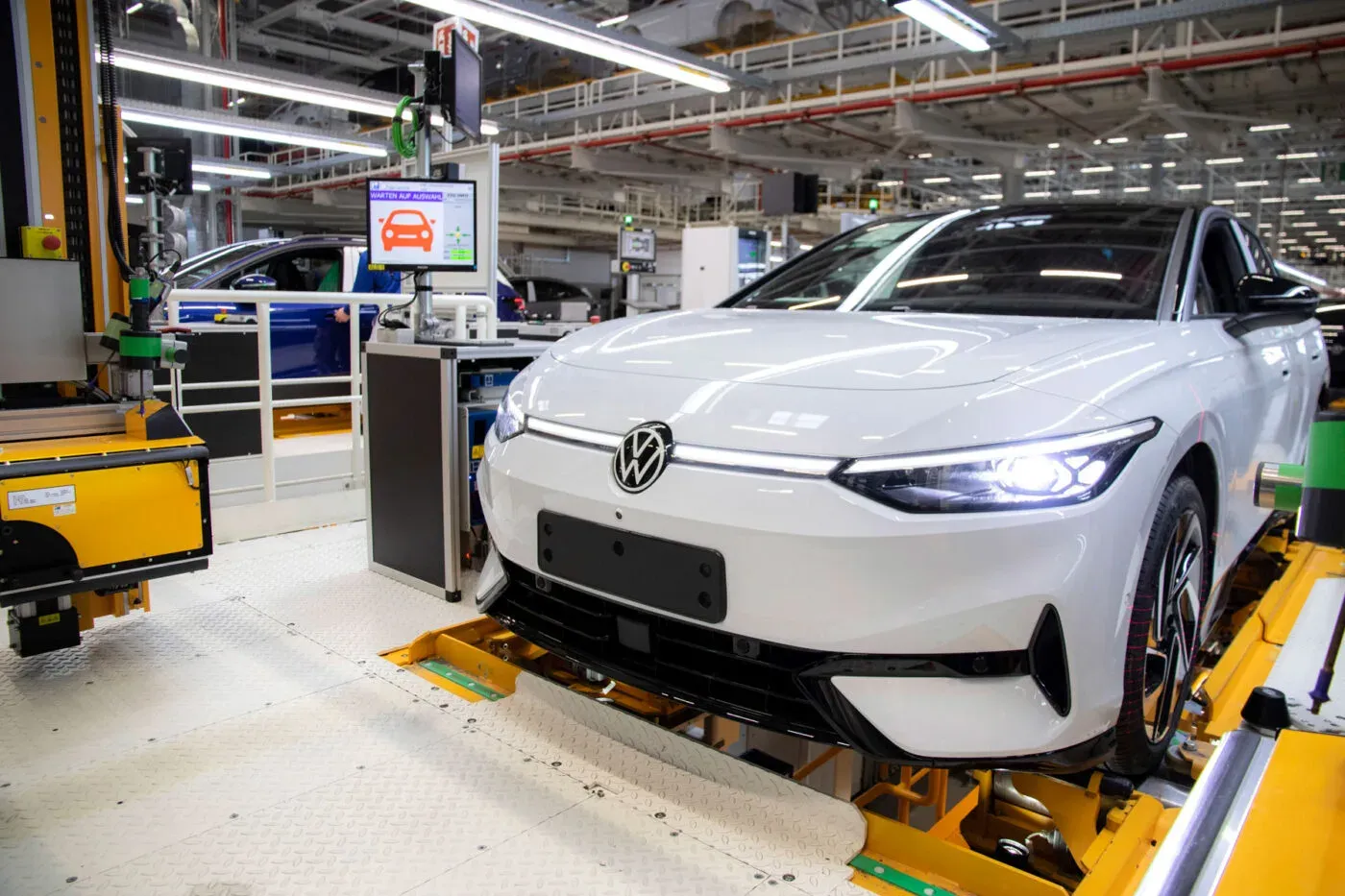
The long-term future occupancy of the Volkswagen plant in Emden is currently uncertain.
Image: Volkswagen
This procedure is outlined in the collective agreement: if economic framework conditions change significantly compared to an agreement made on 1 January 2025, the revision clause can be triggered. From Volkswagen’s perspective, this has now been justified.
The company cites a more challenging market environment, geopolitical tensions, trade barriers, and increasing competitive pressure – particularly from China. Arne Meiswinkel, Board Member for Human Resources, stated that the measures agreed must be consistently implemented and costs must be further reduced.
In this context, Volkswagen is terminating various collective bargaining agreements towards the end of the year. The company itself does not specify an exact number. According to union representatives, ten agreements are affected, including those covering collective supplementary remuneration, collective allowances, regulations for ‘Tarif Plus’, training, and the framework collective agreement.
Media reports highlight that the termination of the framework collective agreement is particularly significant, as it regulates fundamental working conditions, including working hours and overtime. However, Volkswagen has not yet made any concrete demands to extend the current 35-hour week.
The Lower Saxony-based automaker states that the terminations are intended to create room for negotiation. Under legal regulations, the terminated collective agreements initially remain in effect. Therefore, existing conditions for employees will not change for the time being.
Job security also remains unaffected. The future collective agreement itself is explicitly not impacted by the terminations. This means that redundancies for operational reasons will continue to be ruled out until the end of 2030.
Volkswagen remains open to further negotiations
Volkswagen also intends to exhaust all further options for socially acceptable workforce reductions. This builds on the cost-saving agreements reached at the end of 2024. The employee side counters that employees had already made far-reaching concessions at that time.
The new round of collective bargaining gains additional urgency due to IG Metall’s demand for a five per cent pay increase. Volkswagen rejects this, citing the economic situation. The peace obligation ends on 1 January. However, this does not rule out working hours becoming part of the negotiations later. According to information from _Handelsblatt_, discussions within the group are underway about whether longer regular weekly working hours could reduce costs per hour worked. Currently, though, Volkswagen has not made any specific demands for 38 or 40 hours.
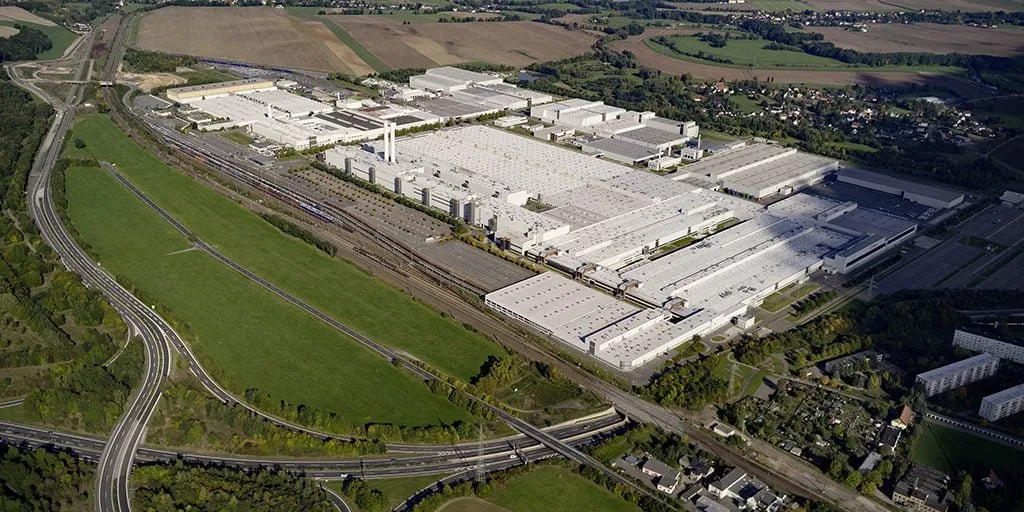
This debate is also relevant to other German production sites. According to internal documents, the long-term follow-up allocation for Emden, Zwickau and Hannover as well as the Audi plant in Neckarsulm is apparently open. Zwickau and Emden, in particular, have so far played an important role in the group’s electric vehicle production.
At the same time, Volkswagen is not fundamentally scaling back its future investments but is structuring them more through partnerships. At the end of September, for example, the group deepened its collaboration with Gotion on three battery projects in Spain, Slovakia, and Morocco. These involve total investments of around €3.22 billion, which are to be distributed across several joint ventures. Volkswagen justifies the stronger collaboration by stating that it allows investments in its own cell production to be organised more efficiently and capital expenditure to be limited.
Volkswagen and IG Metall plan to continue negotiations in the second half of October. The focus will likely be on both implementing the already agreed cost-saving measures and the conditions for the upcoming collective bargaining round.
