
Volkswagen cuts production of cars with internal combustion engines due to high demand for electric vehicles
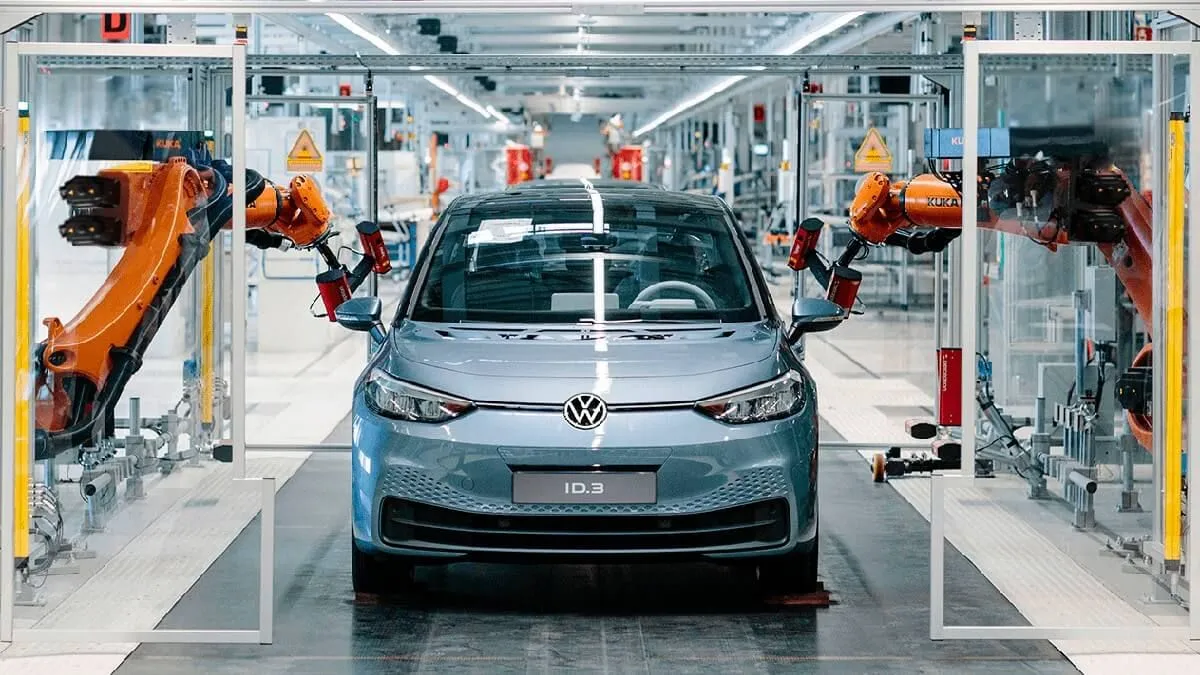
Volkswagen is beginning to reallocate production at its German factories amid changing demand in Europe. The company is adjusting its manufacturing plans to meet a surge in electric vehicle demand that is outpacing expectations, as internal combustion engine models lose market share.
This shift directly affects Wolfsburg, Volkswagen’s largest factory in Germany. Additional shifts planned for combustion engine models there will be canceled, while other facilities focused on electric vehicles are preparing to increase production. As a result, Wolfsburg’s annual output will be around 580,000 vehicles, down from the initial target of over 600,000.
The change is not solely due to an internal decision by Volkswagen, but rather to evolving customer demand. Martin Sander, head of sales for the Volkswagen brand, explained that demand for electric cars is increasing significantly in Germany as well as other European markets. He attributes part of this shift to high prices for gasoline and diesel, along with an expanding charging infrastructure and the introduction of more affordable electric models.
For Volkswagen, this move also represents a significant change in industrial planning. In recent years, the company had to deal with the opposite problem: below-expected sales of electric cars left excess manufacturing capacity in some of its factories. Now, the situation is starting to change in certain production lines.
More production for the ID.7, ID.3 Neo and Audi Q4 e-tron
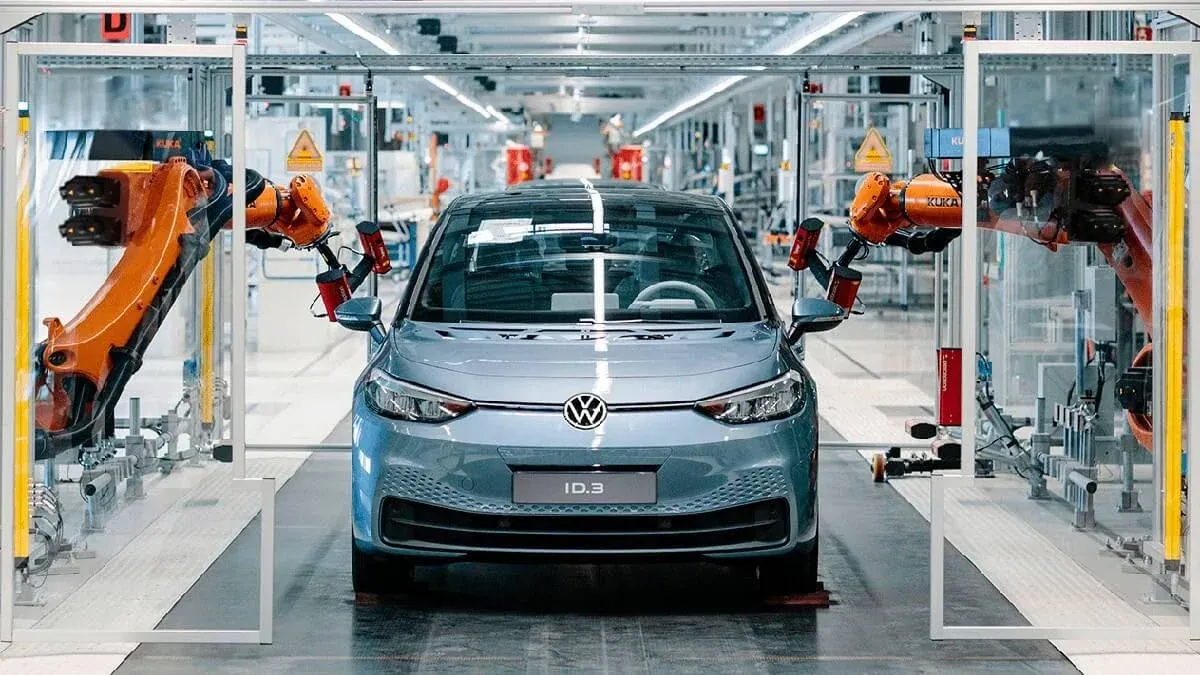
While Wolfsburg reduces extraordinary output for combustion engine models, Emden and Zwickau will increase production of electric cars. At Emden, at least two additional shifts are planned to manufacture the Volkswagen ID.7, an electric sedan also available in a family version. The Volkswagen ID.4 is currently produced at this same factory and will be updated to carry the ID. Tiguan name.
Zwickau is also starting to benefit from improved order levels. The factory produces the Volkswagen ID.3 Neo and the Audi Q4 e-tron, in both SUV and SUV coupé configurations. The better demand for the ID.3 Neo will allow for higher utilization of a facility that still had available capacity.
But a particularly important part of this shift is taking place far from Germany. The electric cars that are accounting for a large share of new orders are manufactured in Spain, at the plants in Martorell and Navarra. These include the Volkswagen ID. Polo, CUPRA Raval, Volkswagen ID. Cross, and Škoda Epiq — four models developed to target the entry-level segment of electric cars.
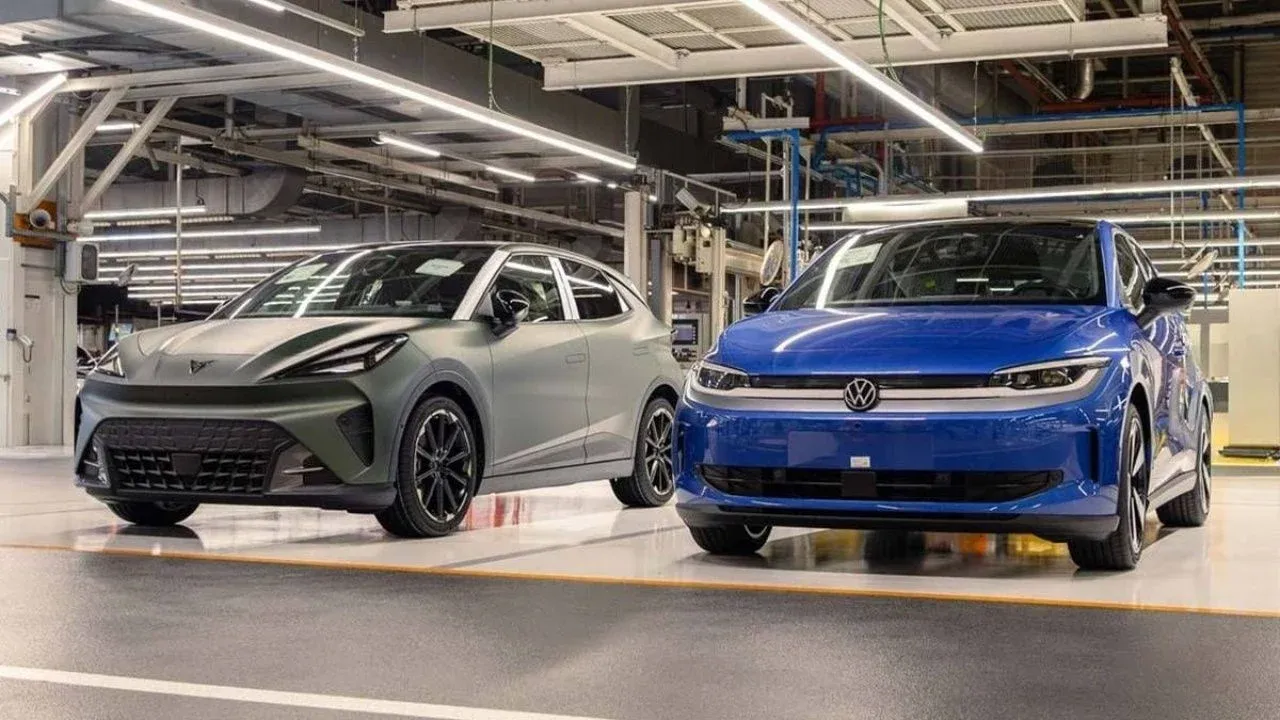
The market response has been particularly significant. According to information released by the group, the four models have already received over 100,000 orders and reservations combined. The Volkswagen ID. Polo alone has surpassed 40,000 orders, a figure that has risen rapidly since its launch. In mid-September, Volkswagen reported more than 30,000 orders for this model, illustrating the steady stream of inquiries.
The production of these models is spread across two manufacturing plants in Spain. The Volkswagen ID. Polo and CUPRA Raval are produced in Martorell, while the Volkswagen ID. Cross and Škoda Epiq are manufactured in Navarra. Volkswagen recently completed the transformation of its Landaben plant to produce electric vehicles, with an investment of over 1 billion euros.
The Volkswagen ID. Polo is one of the key players in this transformation. This new electric SUV uses the MEB+ platform and is available with different power levels and two battery capacities. The entry-level version has 37 kWh of net capacity and achieves up to 334 kilometers of WLTP range, while the higher trims can reach up to 449 kilometers. In Spain, Volkswagen has set its launch price at 17,900 euros, including promotional offers and financing terms.
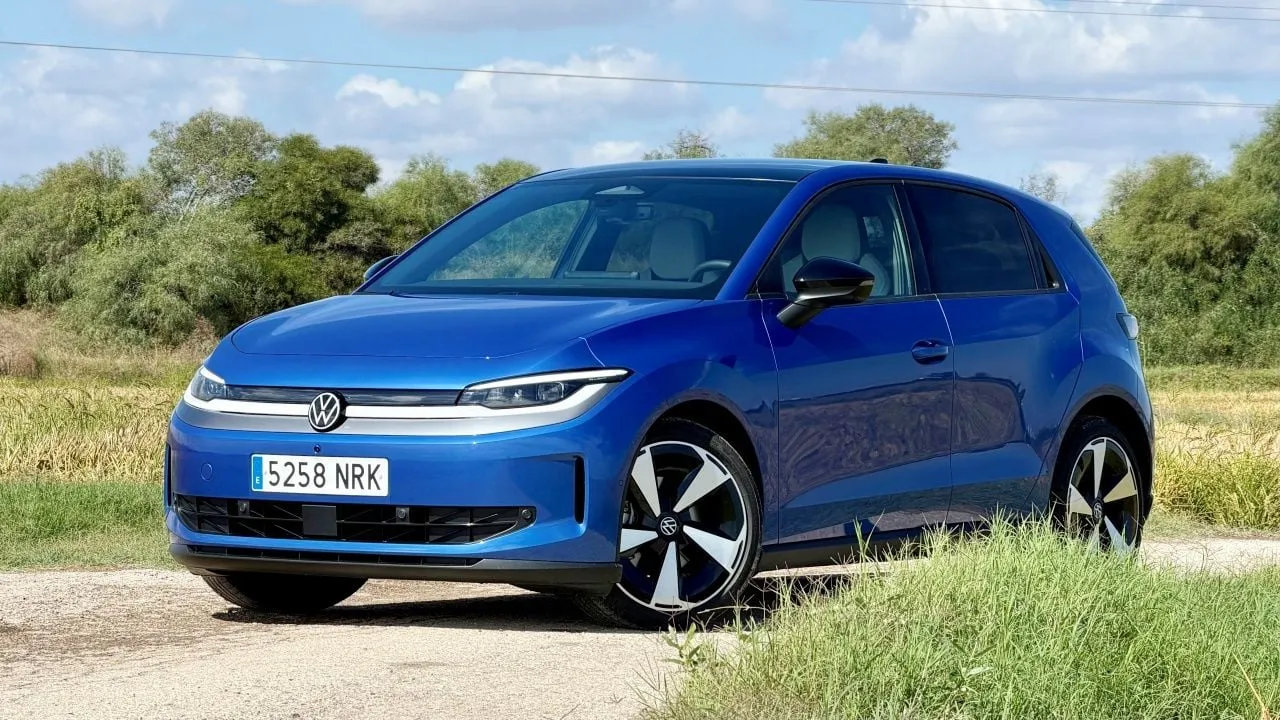
The demand for these models is also causing an unexpected problem: delivery times are starting to lengthen. Reports from German media indicate wait periods of several months for certain ID. Polo configurations, while the Škoda Epiq and CUPRA Raval are also seeing orders exceed their initial capacity.
All of this is forcing Volkswagen to reconsider its industrial plans at a particularly sensitive time for the group. The company is pursuing an extensive cost-cutting program while simultaneously assessing the future of several German factories, including those in Emden, Zwickau, Hannover, and Neckarsulm, whose long-term operation remains under discussion within the group.
The paradox is that Volkswagen is increasing electric car production at some plants while still needing to reduce capacity at others. The issue isn’t just how many cars the group sells, but where they are manufactured and what type of car the market demands. Wolfsburg remains dependent on internal combustion engine models, whereas much of the growth in electric cars comes from facilities that have been specifically prepared for this new generation of models.
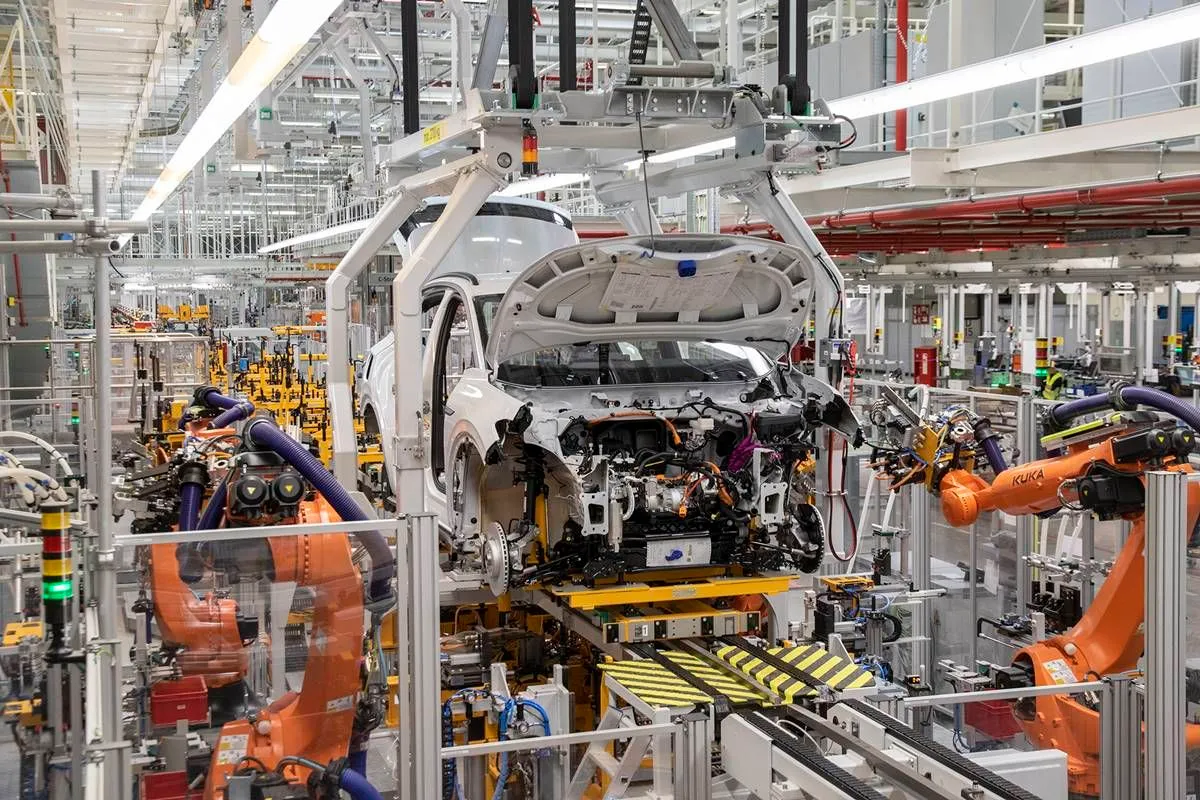
In addition, there is a significant economic difference. According to Volkswagen, the profit margin on each electric car remains lower than that of a comparable model with an internal combustion engine. Therefore, an increase in orders for electric vehicles does not automatically translate into a corresponding rise in profits. The company needs to increase volume, reduce costs, and make the most of shared platforms across different brands at the same time.
The family consisting of the Volkswagen ID. Polo, CUPRA Raval, Volkswagen ID. Cross, and Škoda Epiq plays a crucial role in this strategy. These four models share much of their technology and components, but they maintain distinct designs and market positions. Volkswagen believes that this approach to sharing platforms and components will help reduce development and manufacturing costs.
So far, orders indicate a market willing to embrace these smaller electric vehicles with more affordable prices. This has had a noticeable impact on the factories: Volkswagen is reducing production schedules for internal combustion engine vehicles in Wolfsburg while needing additional capacity to manufacture electric cars at other plants.
It is still too early to determine whether this represents a structural change or a surge in demand focused on new electric models. But Volkswagen’s industrial shift sends a signal that is hard to ignore: the company is having to adjust its production because its customers are requesting a different mix of cars than what it had planned for 2026.