
Volkswagen admits its major mistake: "Customers don’t want to buy a spaceship just because it’s electric
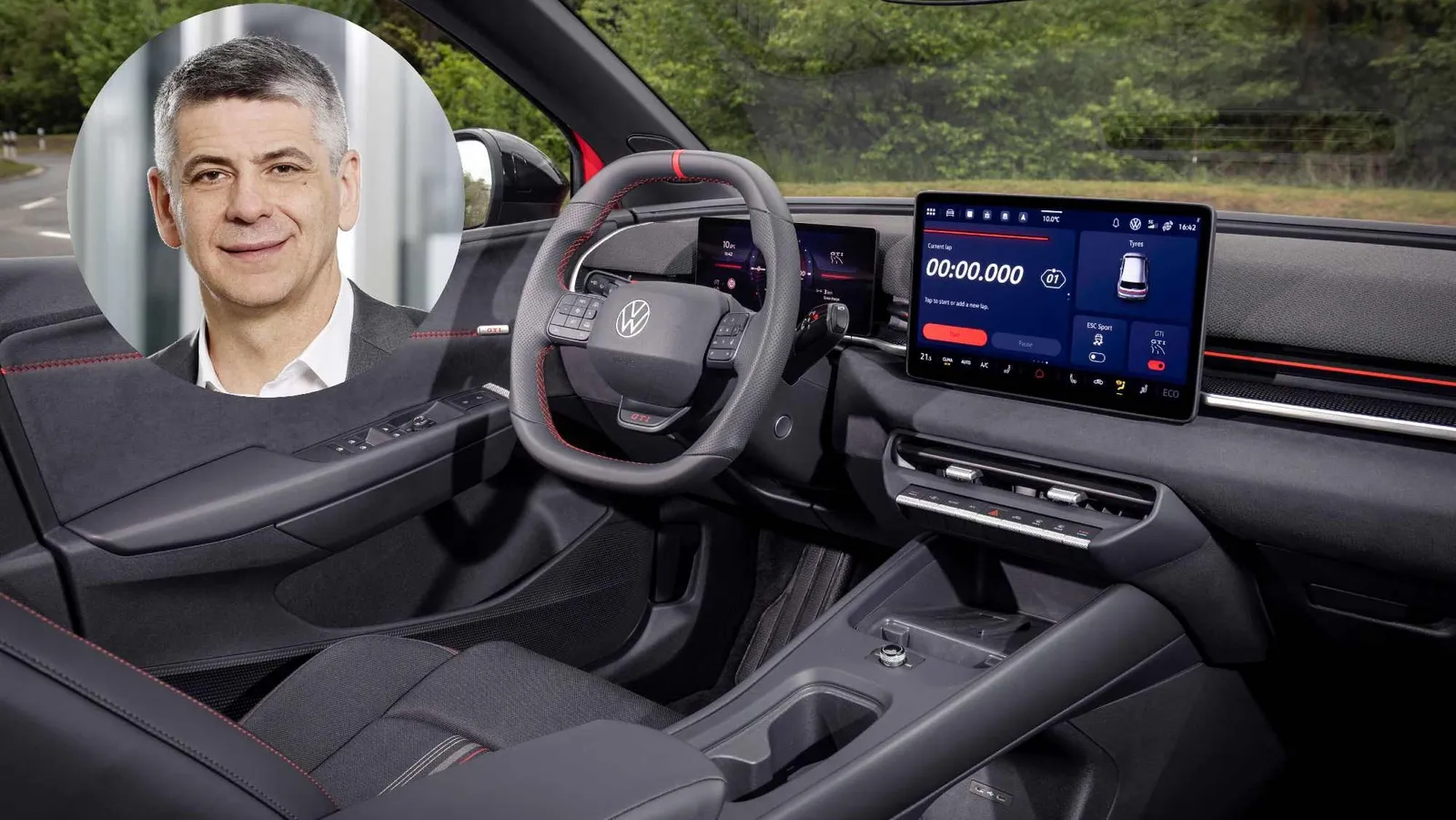
In recent years, Volkswagen has turned the interiors of its cars into one of the main showcases for the digital transformation in the automotive industry: buttons, dials, and conventional controls have been gradually replaced by touch surfaces, capacitive elements, and functions integrated into screens. The goal was to project an image of modernity and position the brand at the forefront of the industry, especially with the arrival of electric models, but customer reactions were not as expected.
Gradually, buyer dissatisfaction became apparent, as they viewed the new controls as unintuitive, distracting from driving, and even potentially dangerous. Now that it has reintroduced physical buttons in its cars, Volkswagen has acknowledged that strategy was a misstep.
They didn’t base it on buyers’ preferences
Andreas Krepp, the company’s quality manager, explained that when the expansion of electric cars began, there was an idea in the industry that a new form of propulsion should come with a new way of interacting with the vehicle.
According to him, “in the case of electric vehicles (even here, in our company), an idea came up: since it’s something new [electric vehicles], the controls also needed to change radically and have a particularly modern design. For example, we thought, ‘Let’s use sliding controls instead of traditional rotary knobs; that’s the future.’ However, we learned that those who buy an electric vehicle are primarily looking for a different propulsion system; they don’t want to buy a spaceship just because it’s electric.”
The problem was that prediction wasn’t sufficiently backed by data on buyers’ actual preferences: “What seems obvious to you or me today could be viewed very differently at some other time. Then someone says, ‘In the future, people won’t want that at all.’ And due to a lack of reliable data on customers, people often simply opt to experiment,” he told Motor1.
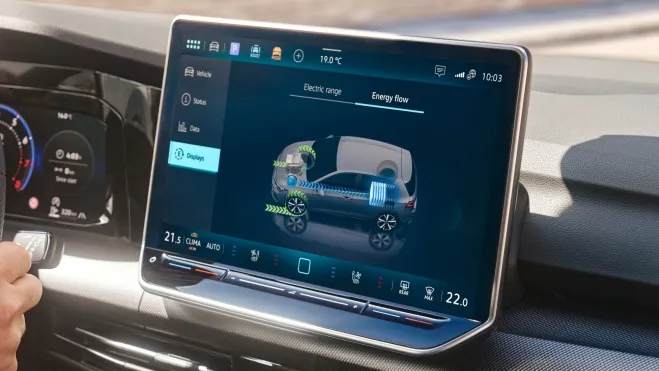
The result was a series of interiors that, despite their technological appearance, complicated some of the most common operations while driving. The most criticized were the touch sliders used to adjust temperature or volume. In some of the earlier models, these controls weren’t even illuminated, making them even harder to use at night. A similar issue arose with the steering wheel’s haptic controls, as they lacked the immediate physical feedback provided by traditional buttons.
It’s never too late to make amends
Volkswagen’s response hasn’t been limited to acknowledging the problem; instead, the company is gradually reintroducing physical controls in its new models.
"For me, this is a good example of learning ability. We listen, take customers' opinions seriously, and act accordingly. These days, we evaluate our options with much more caution: where does a new user interface concept truly add value, and where is an intuitive solution with proven efficiency simply better?" explains Krepp.
The ID. Polo is one of the clearest examples of this shift: it features dedicated buttons for specific functions, a rotary knob for volume control, and conventional controls on the steering wheel. It also reintroduces individual switches for the windows, abandoning some of the minimalist solutions that had drawn criticism.
Volkswagen’s correction also reflects a broader trend in the industry, as after several years during which screens grew to handle much of the vehicle’s functions, some manufacturers are reversing course. Ergonomics, ease of use, and the ability to operate certain elements without taking eyes off the road are once again gaining importance over an approach that was primarily aesthetic and aimed at conveying modernity.