
Volkswagen: The board approved the “Future Plan 2030”. Cuts will be deep
In short:
What has been discussed for months has now become a reality
Volkswagen’s board of directors approved the cost-cutting plan
“Future Plan 2030” calls for cutting 100,000 jobs
The model lineup will be reduced by half. The future of four German factories is in doubt
This is the biggest restructuring in the history of this automotive giant from beyond the Oder River
Volkswagen: This is going to hurt
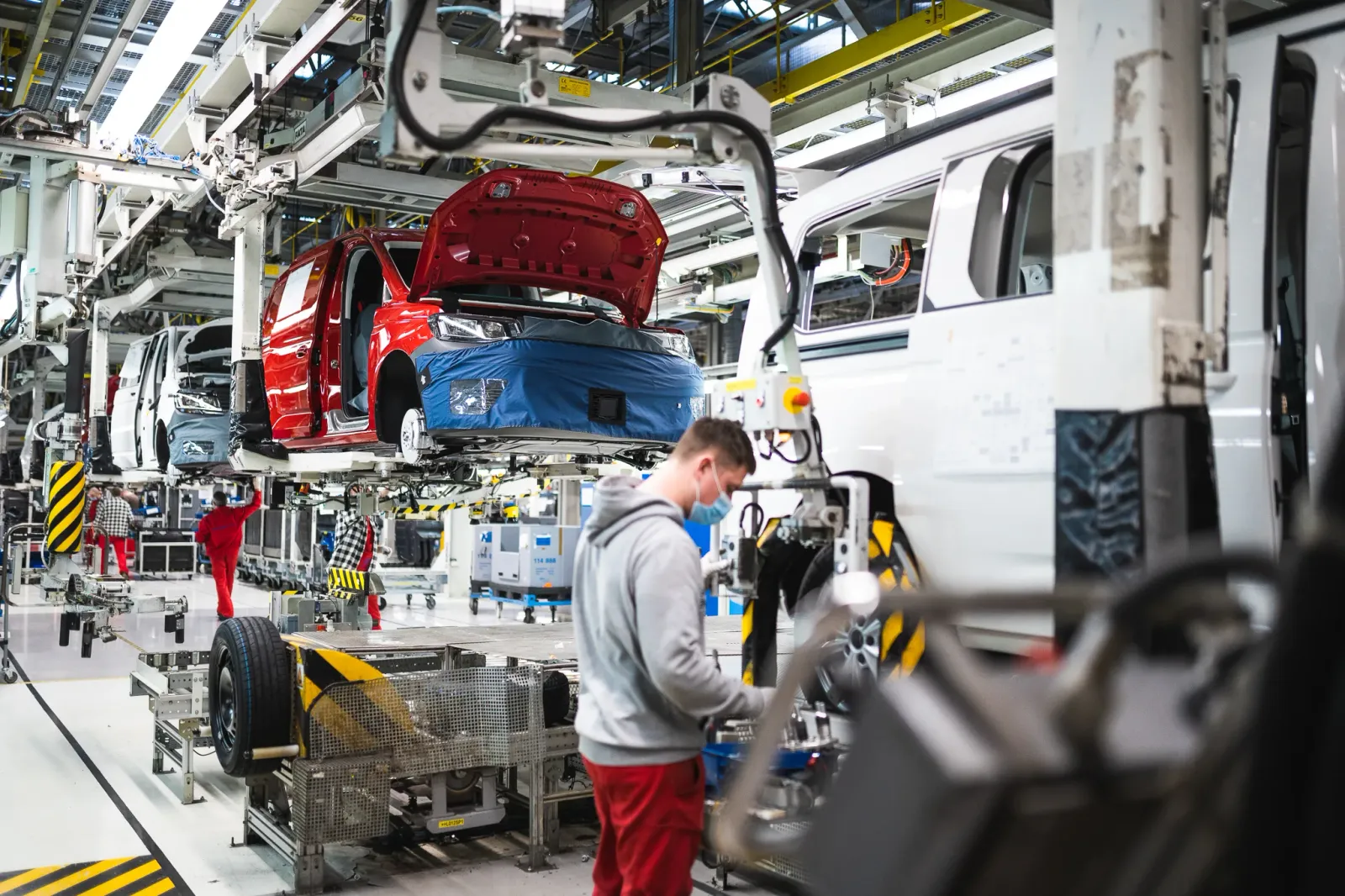
The largest German automotive conglomerate is entering a painful phase in its history. After months of disputes, leaks, and open conflict between management and labor unions, the company’s board approved the “Future Plan 2030” — a plan that entails cutting 100,000 jobs, halving its model lineup, and putting the future of four factories in Germany at risk. This is the biggest restructuring in the group’s history, and its scale shows just how deep the crisis has hit this European automotive giant.
A plan that first failed, then returned stronger
In June, Manager Magazin reported that Oliver Blume, Volkswagen’s president, intended to close plants in Hanover, Zwickau, Emden, and the Audi factory in Neckarsulm, while reducing global employment by 100,000 people by 2030. The plan was supposed to be announced on July 9, but it failed in a vote with “12 against and only 7 in favor,” recalls CleanTechnica, adding that “Volkswagen produces more cars than it can sell, and annual sales have dropped from around 12 million to 9 million units.”
But Blume did not give up. As Handelsblatt reported, the chairman was “determined” to implement the strategy “in stages — if necessary, even against the resistance of employees and the state of Lower Saxony.” He succeeded, as on September 3, 2026, the Supervisory Board unanimously approved the plan.
100,000 fewer jobs and half of the models to be discontinued
Volkswagen confirmed in an official statement that “the group must adjust its employment structure to economic realities,” and that “an additional reduction of around 50,000 positions — including managerial roles — is necessary.” This means that the earlier cut plans (50,000 job losses announced in March) have been doubled.
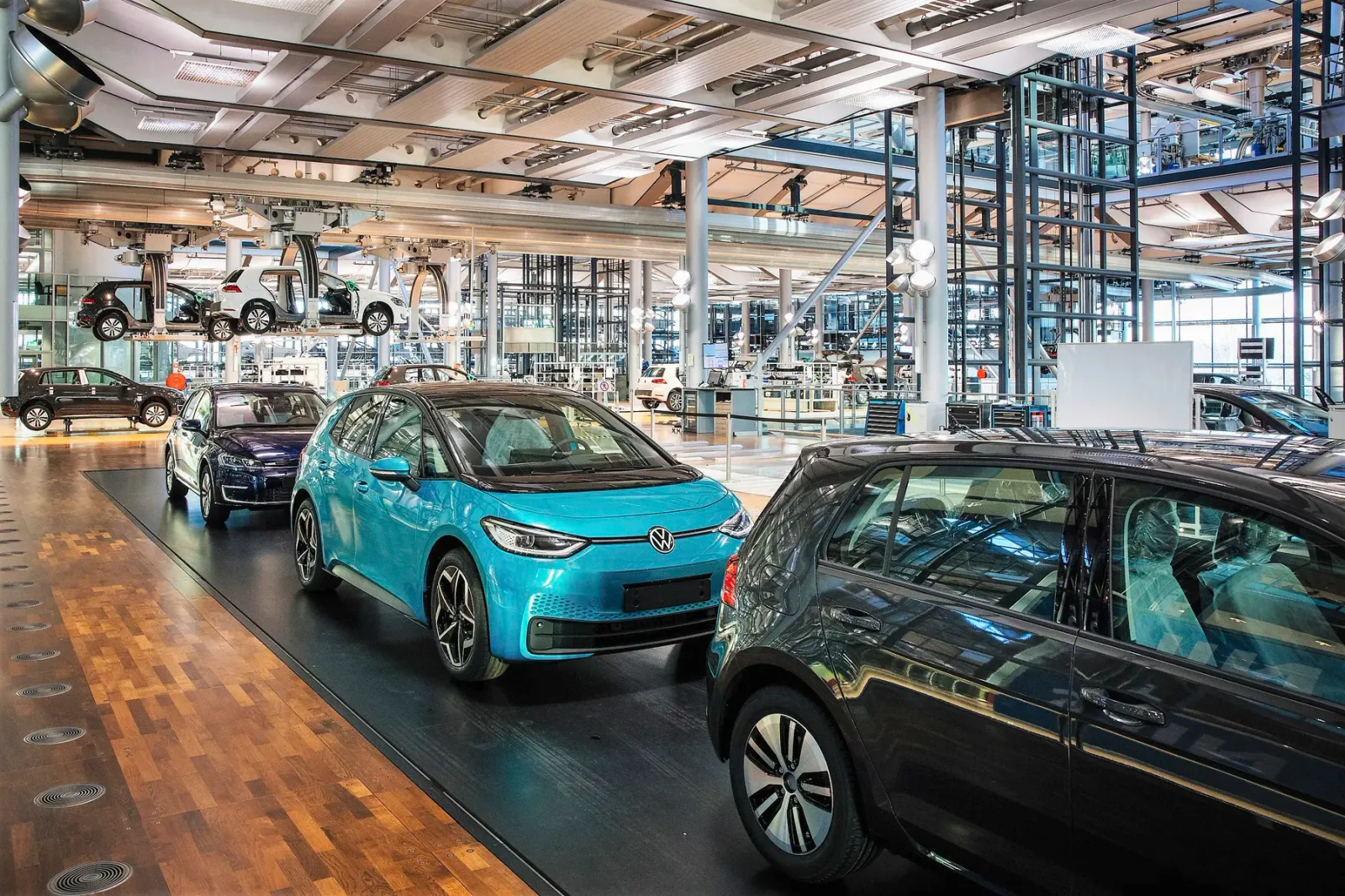
This is coupled with a radical simplification of the model lineup. BBC notes that by 2035, Volkswagen plans to “reduce the number of models produced by 50 percent and cut the complexity of its offerings by 75 percent.” The company aims to focus on “the most compelling vehicles” and increase production volumes for each of them to lower costs.
Volkswagen and Its Factories in Turbulence
The most concerning part of the plan relates to four German plants. Volkswagen admits that “European production capacity exceeds demand by over 500,000 cars per year,” and that future production allocations in Emden, Zwickau, Hanover, and Neckarsulm “cannot be guaranteed for the years 2031–2034.”
These are factories that employ over 40,000 people, with a combined annual production capacity of 750,000 cars. The company is exploring “alternative uses for the plants,” including — as CleanTechnica notes — manufacturing military equipment or assembling cars for Chinese brands. But experts are tempering expectations. Harald Hendrikse of Citi Research told The New York Times, “The chance of saving all jobs through the defense industry is zero.”
IG Metall: The crisis continues, but escalation has been avoided
The trade unions, which had previously harshly criticized Blume, softened their tone this time. Christiane Benner (IG Metall) and Daniela Cavallo (VW works council) emphasized that “no plant has been abandoned, and contrary to media reports, no decision has been made to close factories.” At the same time, they warned that management “must do its homework.”
Why is Volkswagen cutting so deeply?
The reasons are multifaceted yet brutally simple. First, declining sales and profits. VW is losing ground in China, where sales dropped 26% year-on-year in the first half of the year—according to Politico. In the U.S., performance worsened due to import tariffs. In Europe, demand for gasoline-powered cars is shrinking.
Secondly, there is Chinese competition. BYD and other manufacturers offer modern, affordable electric vehicles that are pushing European brands out of key markets. Thirdly, there are excessively high costs and too much complexity.
Volkswagen has one of the most extensive model lines in the world and some of the highest labor costs.
Fourthly – the shift toward electric vehicles. European manufacturers are competing with Chinese firms in battery and software technology. VW must invest billions to avoid falling behind. Fifthly – excessive production capacity. The company itself admits it produces half a million more cars per year than the market can absorb.
Expert opinions
BBC highlights the scale of the crisis: “This is the biggest restructuring in the group’s nearly 90-year history.” Politico points out the political consequences — the AfD is exploiting the situation by blaming EU climate policy and “an obsession with electric mobility.” Meanwhile, CleanTechnica warns that Volkswagen could face a “Nokia problem” if it fails to navigate transformation and competition from China, ultimately leading to collapse. The German newspaper Handelsblatt describes Blume’s determination, noting he was willing to implement the plan “even in spite of employee resistance.”
Will Volkswagen survive?
This is a question that appears more frequently in analysts’ comments. For decades, the company has been a symbol of Germany’s industrial power and until recently competed with Toyota for the title of the world’s largest automobile manufacturer. Today, it faces the risk of losing its position, and as industry media report, it might even repeat the story of Finland’s Nokia.
Blume assures that the plan is a “strong signal for the future,” and Volkswagen “takes responsibility for all its employees and partners.” But this is only the beginning of the journey. Whether Future Plan 2030 will be a salvation or the start of the end for an era depends on the coming years and whether Volkswagen can regain its edge in a world that is changing faster than ever.
In this story, Poland should also be mentioned as it is one of the key partners of the German conglomerate. The German business magazine “WirtschaftsWoche” speculates that a new range of electric delivery vehicles might be produced at the factory in Poznan, further strengthening the brand’s position along the Vistula River.
Oskar Włostowski