
Volkswagen aims to win back China’s favor with the ID. ERA 5X, one of its most important models in years
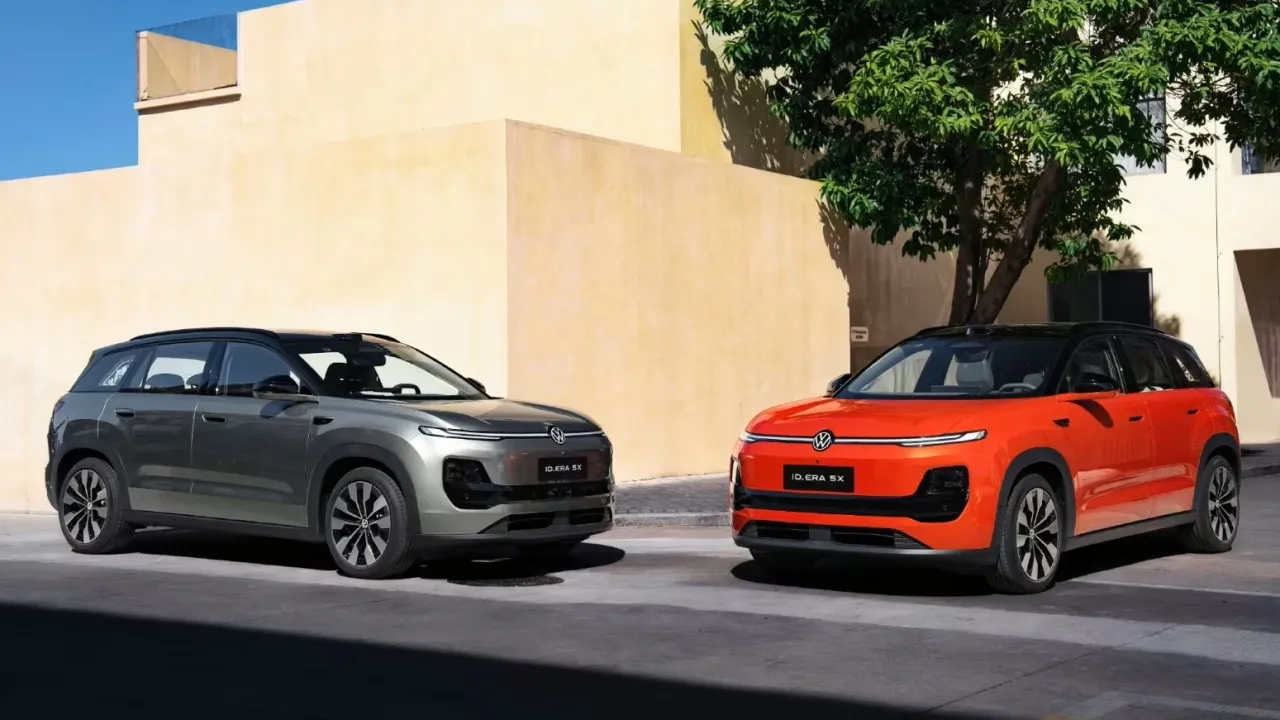
Volkswagen will launch the ID. ERA 5X on November 12th, the first electric SUV in its new ID. ERA family. Produced in collaboration with SAIC, this 4.56-meter-long model aims to compete with offerings like the BYD Yuan Plus. It is also the first Volkswagen vehicle developed on the CMP (China Main Platform) using the CEA (China Electronic Architecture) electronic/electric system.
The CEA architecture was developed jointly by Volkswagen and XPeng. The ID. ERA 5X is equipped with an electric motor producing 211 HP (155 kW) of power, paired with LFP (lithium-iron-phosphate) batteries. There are two battery packs available: one with 45.8 kWh capacity offering 415 km of CLTC range, and another with 58.5 kWh capacity providing 520 km of CLTC range.
This is a key model for Volkswagen, as it matches its main Chinese competitors in terms of cost, software, and driver assistance systems (for example, the top-tier versions come equipped with a LiDAR sensor to support an assistance system that handles various scenarios, including urban roads and highways; it can also park autonomously).
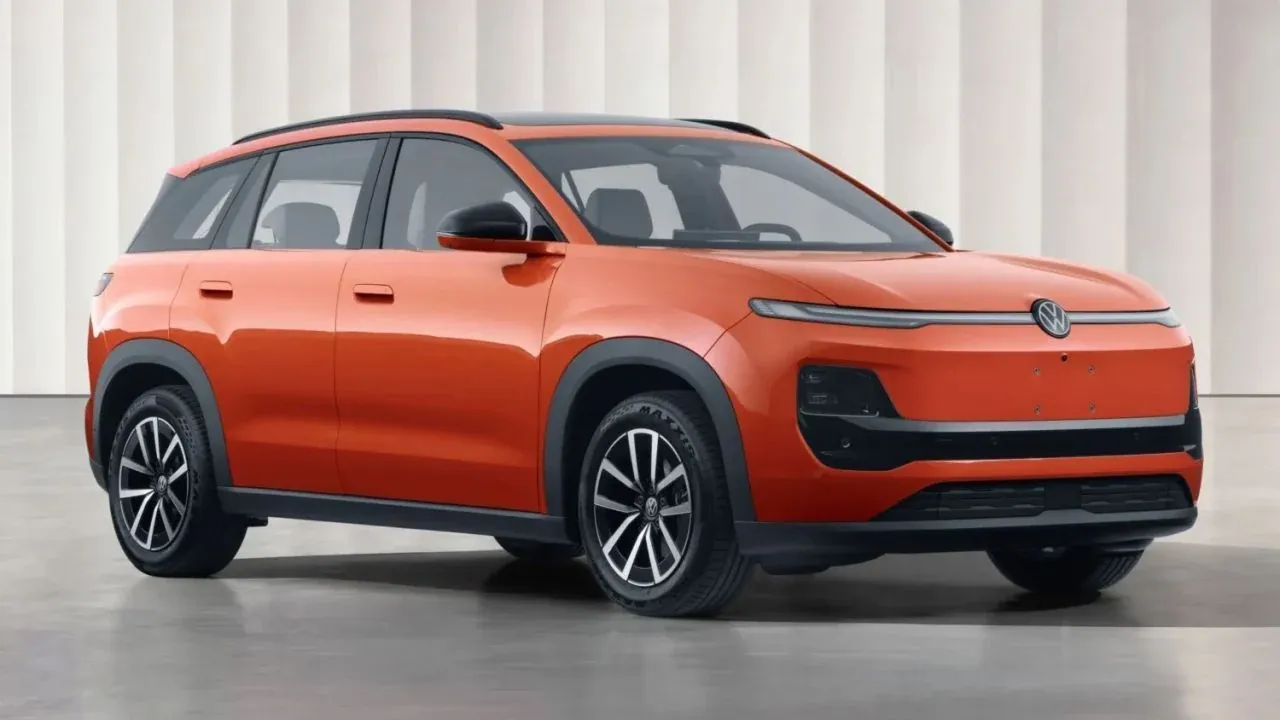
Its design language, though vaguely reminiscent of that used in the brand’s European models, is specific to the ID. ERA family. It features continuous front grilles with an LED strip that merges with the daytime running lights. The main headlights are tinted and integrated into the air intakes on the bumpers.
The CEA architecture could be used in some electric vehicles for Europe
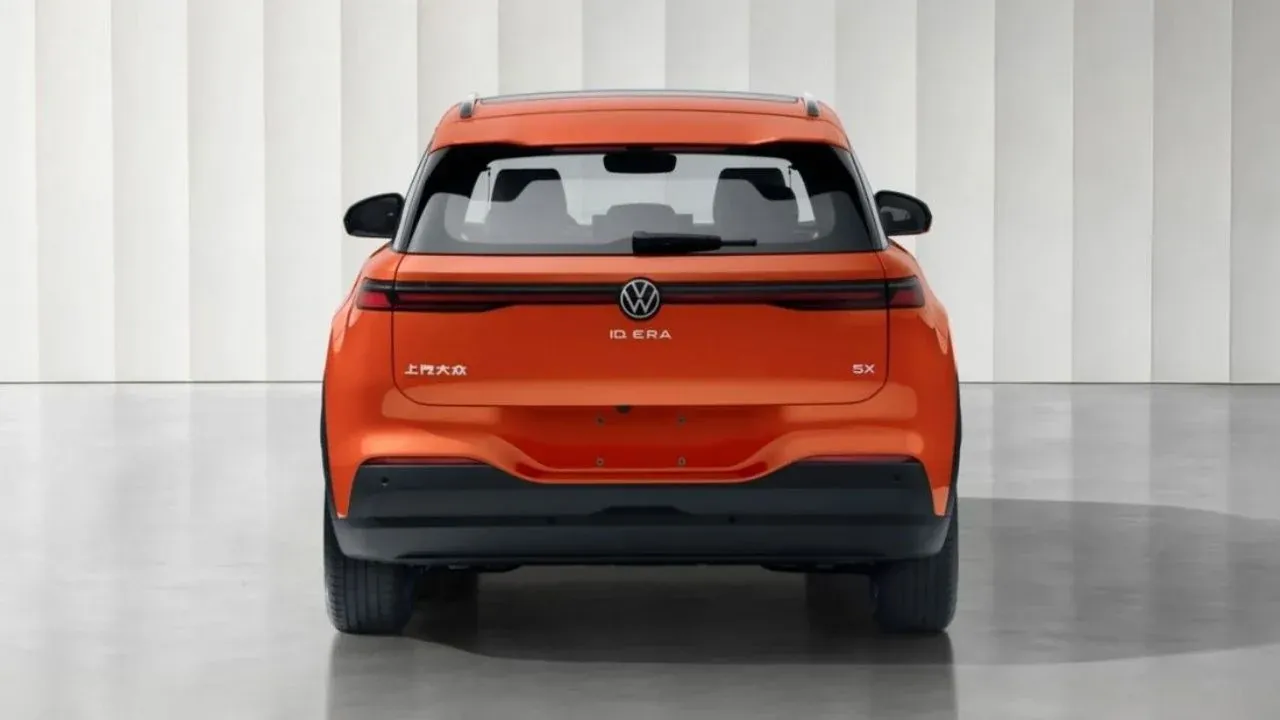
The wheels can be 17, 18, or 19 inches in diameter. At the rear, there are ‘coast-to-coast’ lights and a small spoiler on top of the trunk lid; additionally, customers can customize the body to some extent with lighting elements, decorative trims, etc. There is also a panoramic solar roof available, along with the option to install a trunk lid spoiler.
Although the ID. ERA 5X is not expected to reach Europe, it is worth noting that the CEA architecture could indeed end up installed in some of the German conglomerate’s future electric vehicles in Europe. Originally designed for China, delays in developing this new architecture alongside Rivian are prompting Volkswagen to reconsider its approach.
Models such as the future ID. Golf, whose development was recently halted due to the group’s poor financial results in the third quarter of 2026, might use this Chinese-origin architecture. It is unclear what will happen with the ID. Lupo, which was originally supposed to debut Volkswagen/Rivian’s architecture by the end of next year. That seems unlikely to happen.
Source | CnEVPost