
Volkswagen is preparing a second generation of the ID. Buzz with one priority: lowering prices
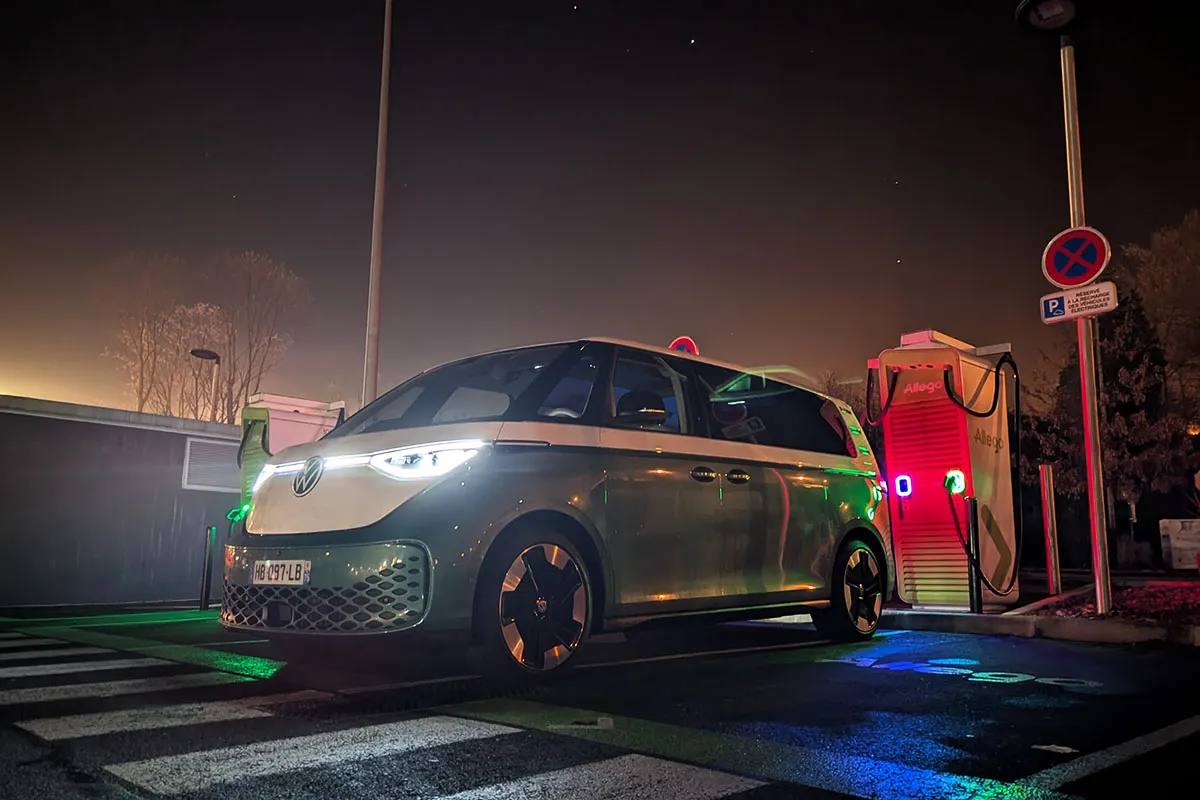
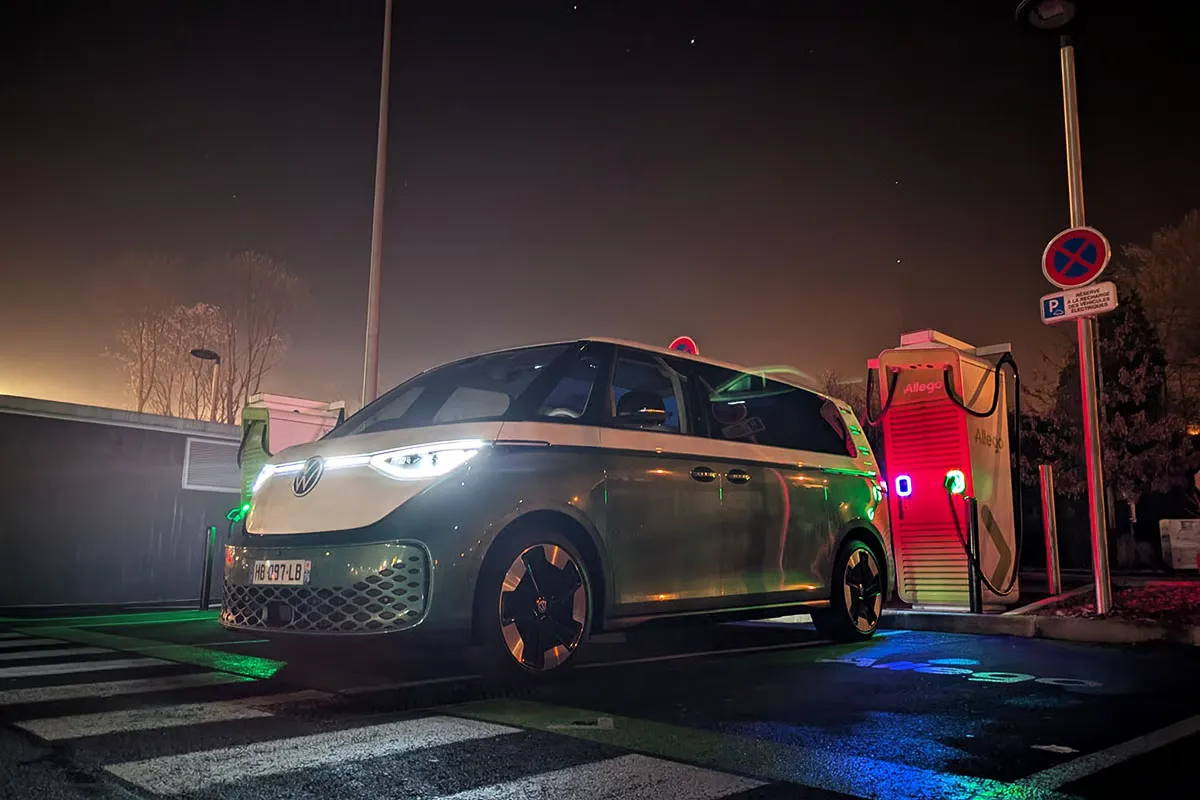
The Volkswagen ID. Buzz has not achieved the commercial success expected. A particularly high price is a key factor limiting its adoption. However, the German automaker does not intend to abandon its electric van model. A second generation is already in development, featuring a new platform, more modern technologies, and a focus on reducing prices.
With its modern van design, the Volkswagen ID. Buzz had everything to appeal to fans of the iconic German van. Launched in 2022, this electric model has failed to turn its popularity into real commercial success. Volkswagen is aware of this and is already working on its successor.
Volkswagen Admits a Pricing Issue
At the 2026 World Motor Show, Volkswagen CEO Thomas Schäfer confirmed to British publication Auto Express that a second generation of the ID.Buzz is in development. He acknowledged that the current model suffers from an unsuitable cost structure, which complicates its large-scale production and distribution.
The electric version of this vehicle remains particularly expensive. In France, its starting price exceeds 50,000 euros—a substantial amount for a family car, despite its spacious interior and unique design. Therefore, Volkswagen aims to revise it to attract more buyers.
A New Platform to Cut Costs
To achieve this, the manufacturer relies heavily on its upcoming SSP (Scalable Systems Platform) architecture. This platform is intended to gradually replace the current MEB and serve as a common foundation for many of the group’s electric vehicles.
Also read
JEEP might bring back its iconic Willys as a small electric 4×4
The expected advantages include better range, faster charging, and more powerful onboard software. Most importantly, sharing components and developments could enable Volkswagen to achieve cost savings in production. Another option mentioned by Thomas Schäfer is using LFP (lithium-iron-phosphate) batteries, which are generally less expensive than NMC batteries.
All these elements suggest that an ID.Buzz with better accessibility could be possible, although no pricing target has been announced yet.
A design that needs to evolve
The issue of style is also crucial. Andreas Mindt, Volkswagen’s design leader, wants to preserve the Combi’s identity while avoiding the trap of an endlessly repeated retro style. He cites the New Beetle as an example, whose concept eventually lost its appeal. Careful adjustments will therefore be necessary.
The interior is expected to benefit from the brand’s latest advancements as well, featuring improved ergonomics and more physical controls. It remains to be seen when this second generation will arrive. No date has been set. The SSP platform is scheduled to make its debut in an Audi electric model before the end of the decade.
The next ID.Buzz is expected to arrive after 2030. Until then, Volkswagen will continue to develop the current model.