
Volkswagen might rely on Chinese XPeng technology for its electric cars in Europe
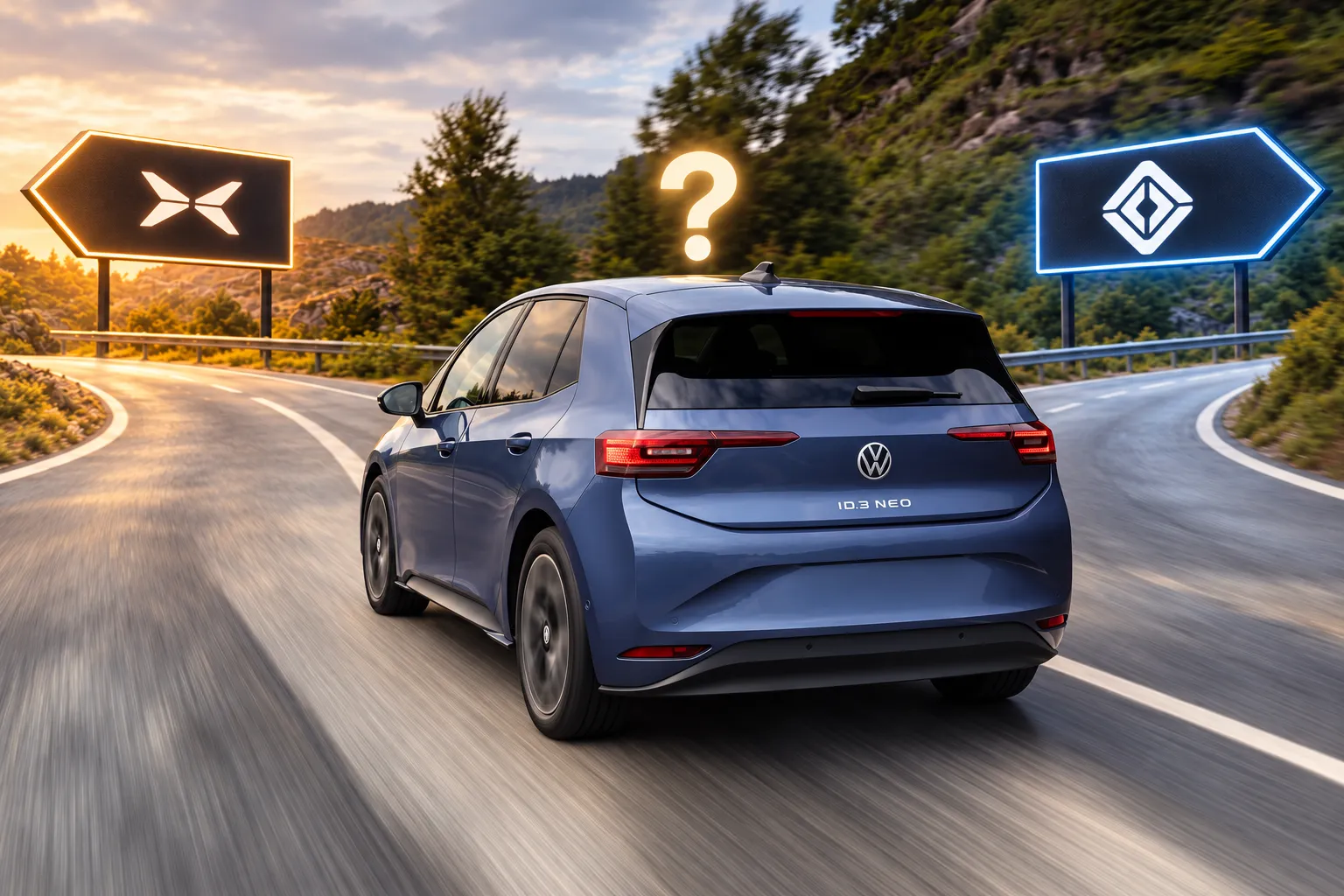
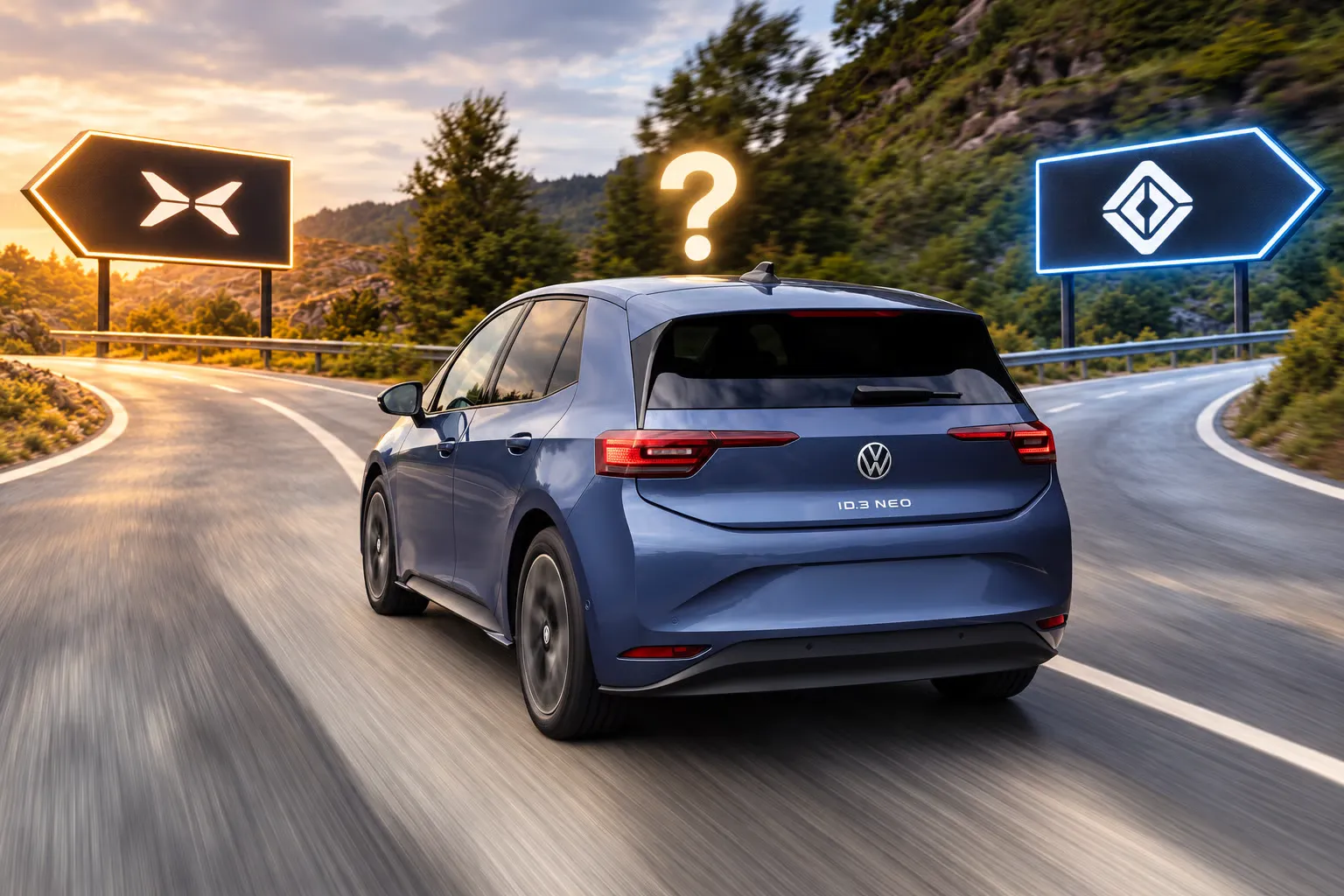
While Volkswagen has invested several billion dollars in a partnership with the American company Rivian, it is now considering using an electronic architecture developed in China with XPeng. This decision could apply to a large portion of future electric models from Volkswagen, Skoda, and Cupra...
Volkswagen seems increasingly convinced by the technology developed in China. After forming a partnership with XPeng to accelerate the development of its electric vehicles in the Chinese market, the German automaker is now considering expanding this collaboration to Europe. This scenario could reshape its technological strategy.
Will Volkswagen rely on XPeng in Europe?
According to information from the German magazine Manager Magazin, as reported by Reuters, Volkswagen is considering integrating its China Electronic Architecture (CEA) into a large portion of its future European vehicles. This technology, developed in partnership with XPeng, could be used in nearly 75% of the next-generation models from Volkswagen, Skoda, and Cupra brands.
But what exactly is it? It isn’t a traditional automotive platform but rather an electronic architecture that functions as the vehicle’s brain. It allows for the centralization of certain functions, simplifies onboard computing systems, and facilitates remote updates.
Also read
Volkswagen struggles to sell its electric cars in China, except maybe this one!
Volkswagen is already aware of the advantages of this solution. In China, the manufacturer has begun to implement it in its new models, notably the ID.UNYX 07. According to figures provided by the company, this architecture allows for a reduction of about 30% in the number of electronic controllers. The manufacturer also mentions shortened development cycles and significant cost savings on certain projects.
What about the partnership with Rivian in this context?
This potential decision raises a rather awkward question for Volkswagen. In 2024, the manufacturer announced a strategic partnership with the American company Rivian, including a financial commitment of $5.8 billion. The goal is to develop a new generation of electronic and software architectures.
The adoption of China’s XPeng technology in Europe could thus call into question part of this collaboration. It’s worth noting that Volkswagen reached this point because the group faced significant difficulties with its own software subsidiary, Cariad, particularly regarding development and timelines.
But for now, nothing has been officially confirmed. Thomas Schäfer, head of the group’s consumer brands, is expected to present this proposal to management. Volkswagen has refused to comment on the reports published by German media.
If this trend continues, it would represent a true reversal of power dynamics in the automotive industry. Once seen as apprentices to European automakers, Chinese manufacturers could now supply them with some of the key technologies for their future vehicles.