
Volkswagen appears to plan the end of Seat and is placing more emphasis on Cupra.
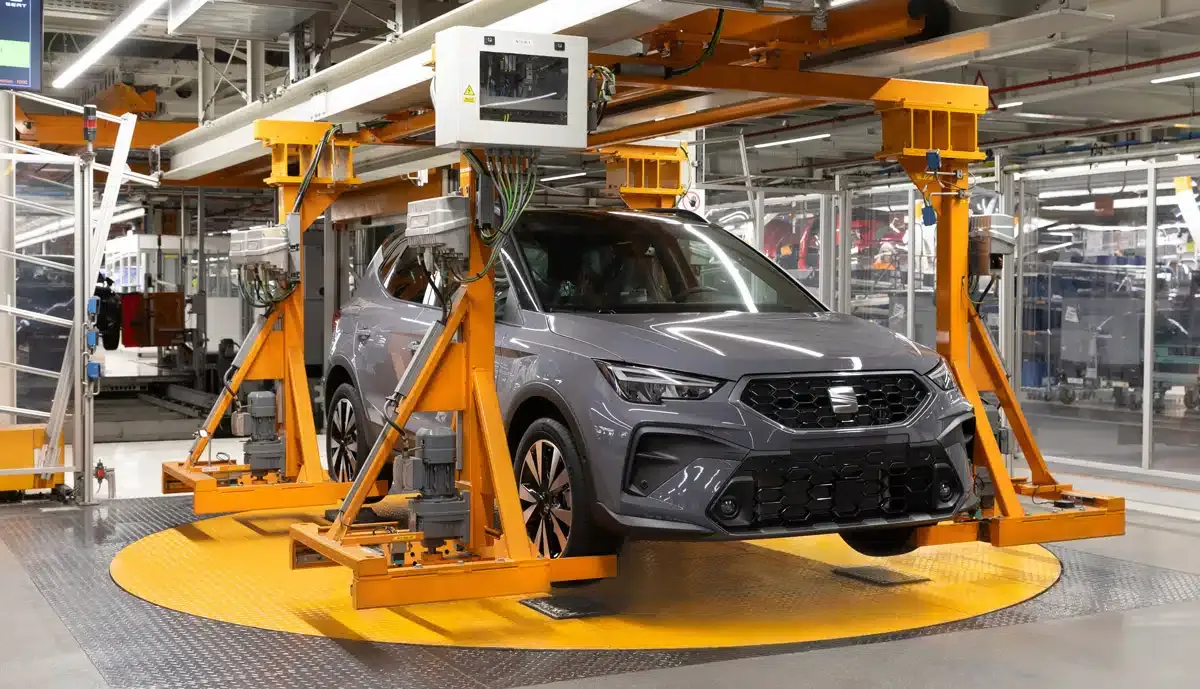
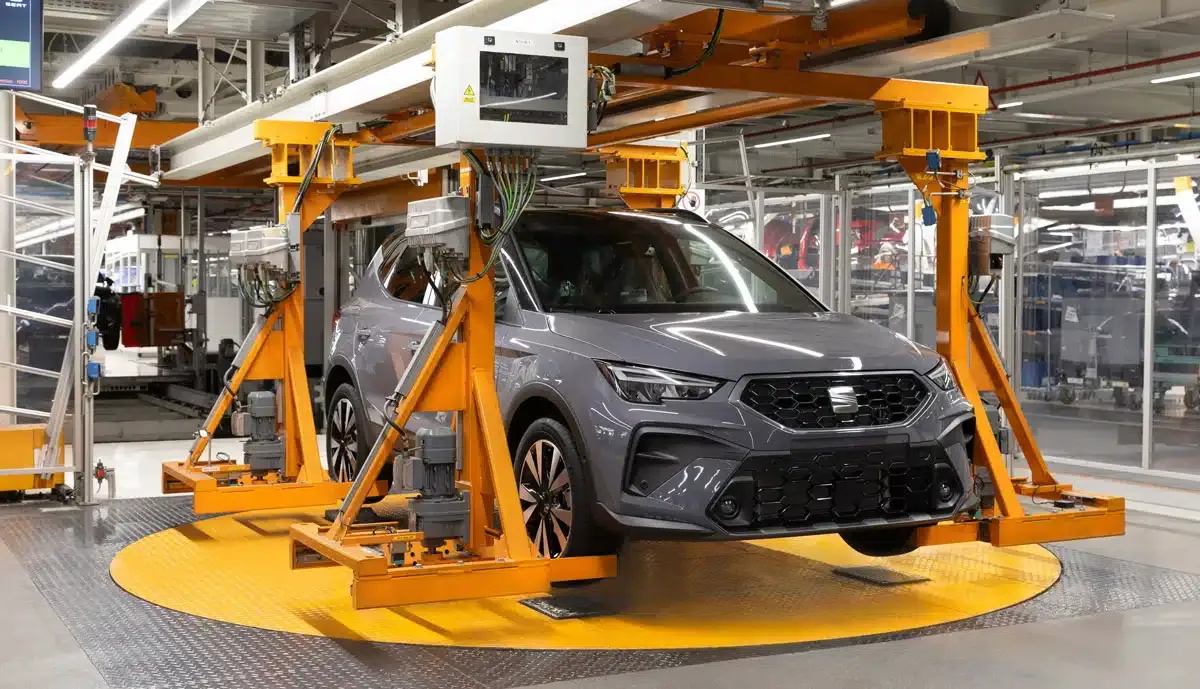
Image: Seat
According to a report by WirtschaftsWoche, Volkswagen’s board of directors plans to phase out the Seat brand by the end of 2029 at the latest. This decision is based on a confidential document intended for the supervisory board, which is still to discuss the plan. Volkswagen itself has not confirmed these plans yet and states that it does not comment on internal documents.
According to plans cited by the business magazine, Seat is set to be removed from the group’s 2030 target framework. Existing products, as well as distribution and production structures, are reportedly to be economically optimized and transferred to the younger, sportier, and higher-end sister brand Cupra. The support for existing Seat customers and current obligations, such as in service, are also said to continue under the cited documents.
The development of sales volumes has already significantly shifted the power balance between the two brands. According to the company, Cupra delivered 328,800 vehicles in 2025, 32.5 percent more than the previous year. Seat delivered 257,400 units, representing a 17.0 percent decrease. In the first half of 2026, Cupra achieved another 170,100 deliveries, while Seat delivered 129,600. Germany was one of the key markets for both Spanish brands last year, with 103,100 Cupra vehicles and 53,000 Seat vehicles delivered.
This shift is particularly important for their electrification strategy. Cupra already has several all-electric models, including the Born, Tavascan, and the recently introduced Raval. In contrast, Seat still offers models such as the Ibiza, Arona, Leon, and Leon Sportstourer with internal combustion engines. The Leon is also available as a plug-in hybrid.
Seat’s possible withdrawal would be part of a broader corporate restructuring in which Volkswagen is reviewing costs, model range, and production structures. Within the “Brand Group Core” (VW, Skoda, Seat/Cupra, VW Commercial Vehicles), production, technical development, and procurement will also be more closely coordinated across brands starting in 2026. According to the report, Cupra is set to continue independently and take on a larger role within this structure.
Also interesting
About the author
Thomas Langenbucher is an expert in electromobility with experience in the automotive and financial industries. Since 2011, he has been covering electric vehicles, sustainable technologies, and mobility solutions for ecomento.de. Learn more.
Reader interactions