
Volkswagen will restrict charging of 72,668 electric vehicles to 80%. The batteries may overheat.
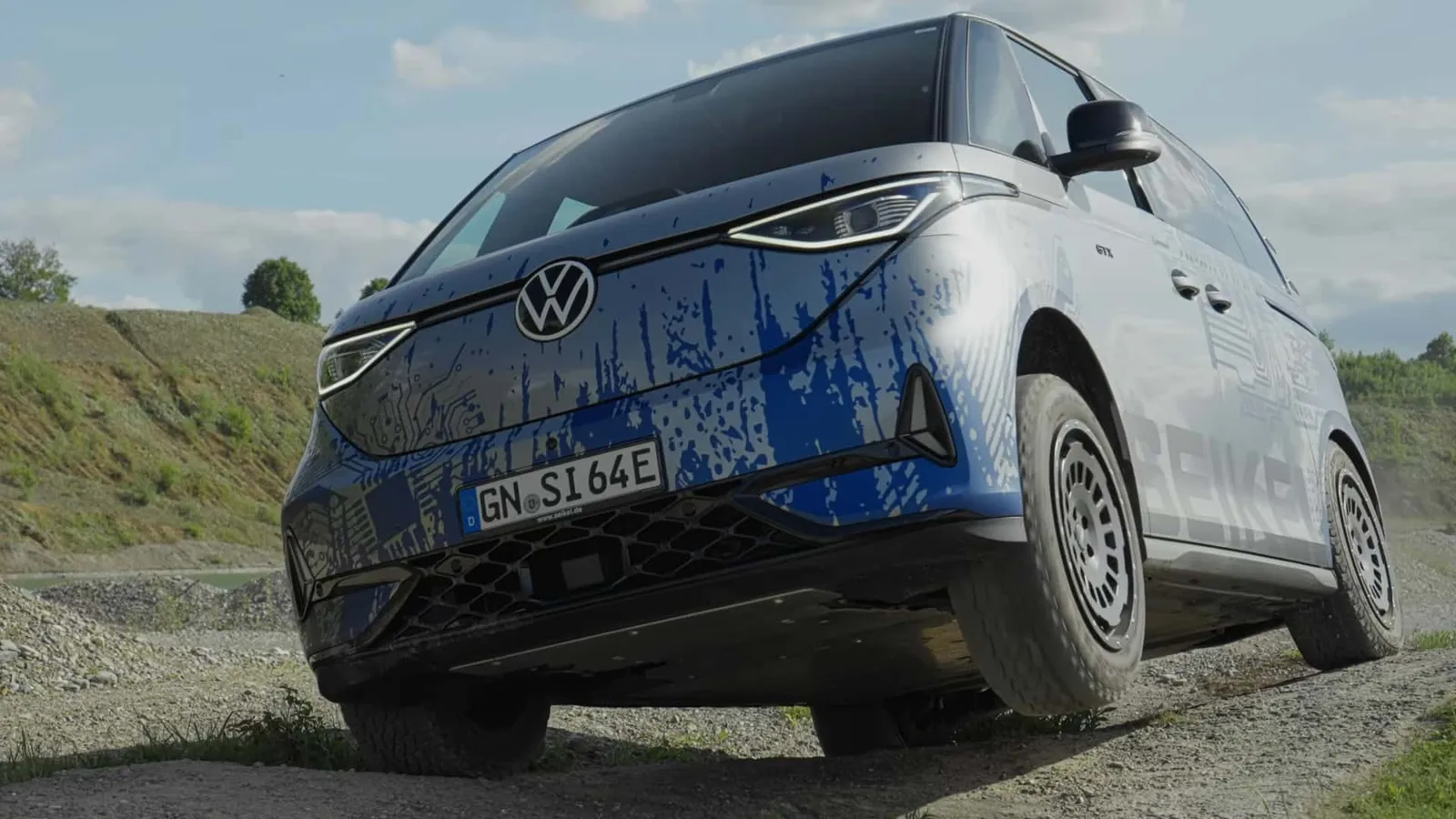
Volkswagen confirmed on October 21, 2026, a global recall involving 72,668 electric vehicles. Certain units of the ID.3, ID.4, ID.7, ID. Buzz, and Cupra Born models use battery cells that can overheat, so the manufacturer will limit battery charging to 80% until a fix is developed.
The German Federal Motor Transport Authority, or KBA, states that 9,881 vehicles in Germany alone are affected. No property damage or injuries have been reported as of yet due to this defect.
Faulty cells are present in five models
The recall covers selected batches of Volkswagen ID.3, ID.4, ID.7 models, as well as passenger and commercial versions of the ID. Buzz produced between 2022 and 2025. A separate campaign applies to Cupra Born models from 2022 to 2024. According to available information, Skoda vehicles are not included in this recall.
Volkswagen identified the issue during an internal quality check. Some cells in high-voltage batteries do not meet the manufacturer’s standards due to defects caused by the supplier. In rare cases, a cell may overheat, which in extreme scenarios could lead to a battery fire.
The manufacturer explains that the risk may arise under certain charging profiles and when the charge level exceeds 80%. This can trigger what is known as thermal propagation, a situation where the overheating of one cell spreads to other components in the battery pack.
The name of the supplier for the cells used in vehicles affected by the European campaign was not disclosed. This is a significant difference from similar campaigns conducted earlier in the United States.
The update will reduce the battery’s usable capacity
Before the final fix is available, Volkswagen plans to remotely set the maximum charging level at 80%. An OTA update, which is sent over the internet without a visit to a service center, will be applied where the vehicle’s software permits. In other cases, owners should monitor the limit themselves.
The restriction will reduce the range available after a single charge by about one-fifth compared to a fully charged battery. The actual loss will depend on whether the driver previously charged the vehicle to 100% regularly. Volkswagen has not specified a timeline for restoring full capacity.
The final solution is still being developed. According to Germany’s “Handelsblatt,” the systems are supposed to monitor entire batteries or individual modules, but it is not yet clear which components will need to be replaced and how long it will take to repair a single vehicle. Owners will receive written notifications. The manufacturer’s action codes are 93MV, 93MF, and 93W4 for the Cupra Born.
Another campaign related to the ID.4 is underway in the US
Meanwhile, the U.S. NHTSA is conducting campaign 26V630 involving 22,524 Volkswagen ID.4 models from model years 2023–2026. These vehicles use cells from SK Battery America. Volkswagen also recommends charging to no more than 80%, with the remote limit feature set to appear in the app around October 27, 2026. The first letters to owners are scheduled for November 27.
At the beginning of 2026, two other recalls were announced in the U.S. involving a total of 44,551 ID.4 vehicles from the Chattanooga factory. One of the defects identified was an incorrect arrangement of electrodes in cells produced in Georgia. European ID.4s from the Zwickau and Emden plants used different cells and were not subject to those recalls.
KBA documents now mention 72,668 vehicles worldwide, while the U.S. recall is described as separate. The information provided does not clearly determine whether all 22,524 U.S. vehicles are included in that global total. One thing is certain: owners of the vehicles affected by the recall will not be able to use the full battery capacity for an indefinite period.
LovEV Newsletter
Want more content like this?
Sign up — we’ll send you a weekly summary once the newsletter starts.