
Volkswagen isn’t the only one cutting costs: this historic Japanese company will also adjust its electric vehicle strategy.
04/09/2026 12:30
Updated to
04/09/2026 12:30
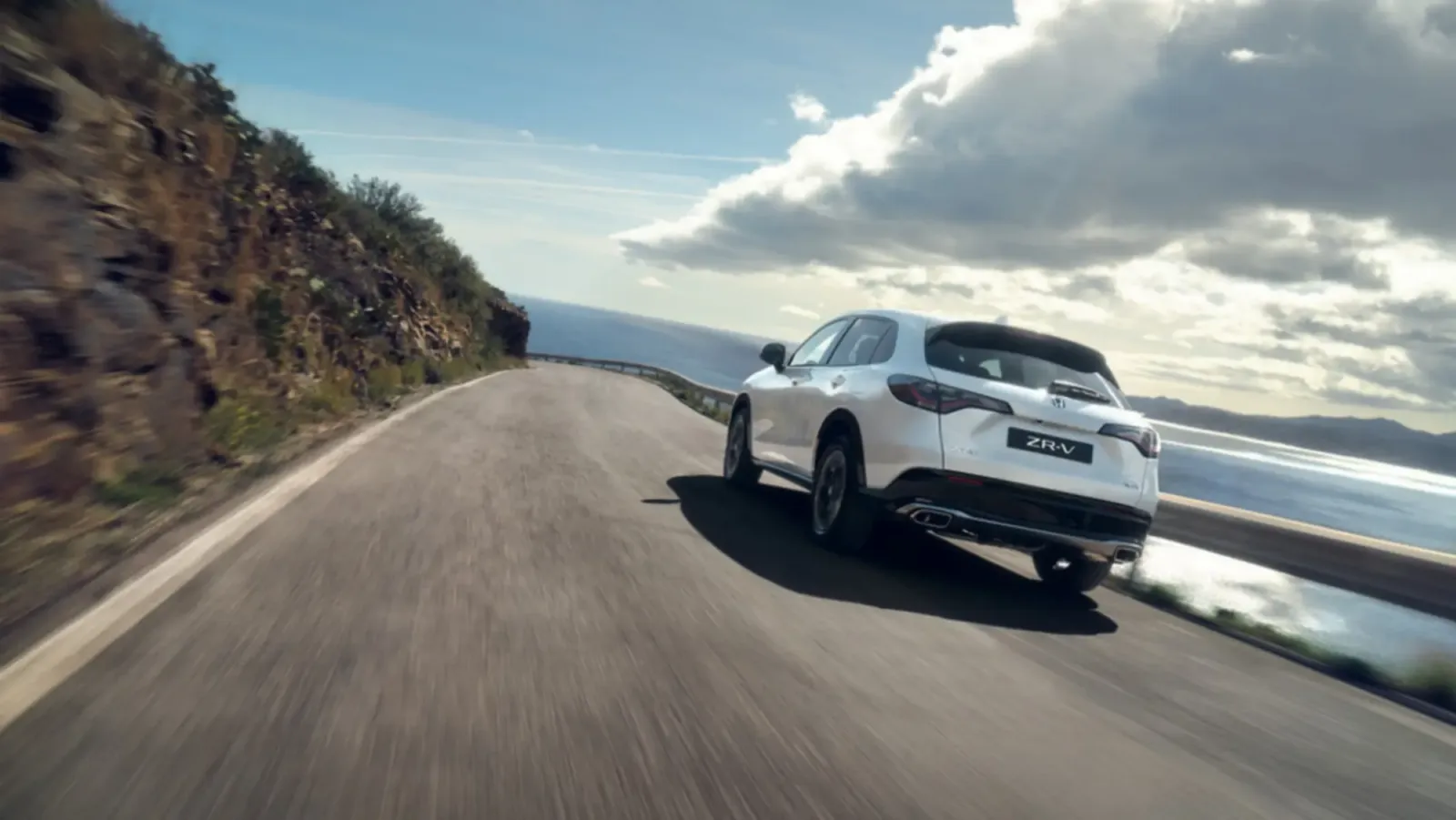
If Europe’s automotive industry has kept thousands of workers in uncertainty following Volkswagen Group’s drastic restructuring plans, the pressure to transform toward zero-emission vehicles is not limited to the Old Continent. In Asia, one of the longest-standing and most influential automakers has decided to make bold changes through an unprecedented overhaul of its operations to ensure competitiveness in the years ahead: Honda.
According to documents accessed by Reuters, the Japanese company faces an urgent need to rethink its electric mobility strategy. The influx of emerging Asian manufacturers with very low production costs, along with slow growth in demand for 100% electric vehicles in certain global markets, has forced Tokyo’s management to take drastic measures regarding its operating costs and launch timelines.
Ambitious cost-saving goals and pressure on the supply chain
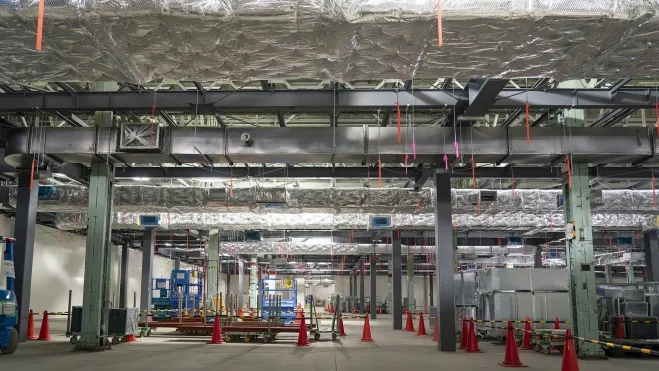
Reuters reports that Honda has set a goal of reducing costs by 1.5 trillion yen by the end of the decade, which is equivalent to over 8 billion euros. This aggressive plan does not aim to generate revenue by selling more cars, but rather to drastically cut the development, engineering, and assembly costs of each unit produced at its factories.
The strategy involves putting pressure on its entire global network of suppliers. The brand’s management has begun communicating specific price reduction targets for each supplier. This primarily affects stamped and forged components, advanced electronics, and all the hardware needed to develop software-defined vehicles. The urgency is clear, as the manufacturer expects losses associated with the transition to electric cars to exceed $12 billion (over 10.3 billion euros) if nothing is done to improve value chain efficiency.
Rethinking the origin of components
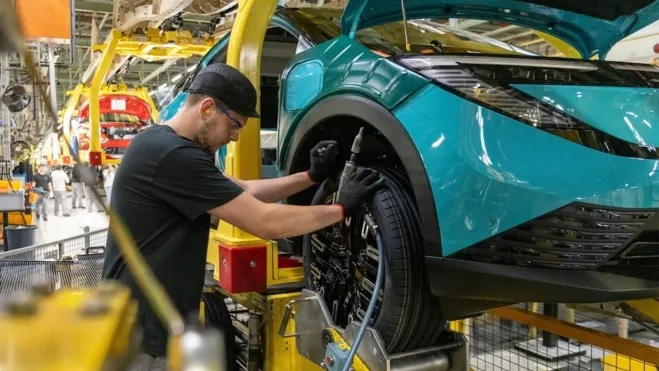
Honda’s approach doesn’t merely involve asking for direct price cuts from its traditional suppliers in Japan or North America. The brand has embarked on a paradigm shift in the design of its future global models. To reduce production costs, the manufacturer will promote massive standardization of components, minimizing the variety of parts across different model families and enabling the use of simpler elements produced on a large scale.
In this optimization process, the supply chain for components manufactured in China becomes central to strategy. While Europe and the United States explore ways to protect themselves from cars originating in Asia, Honda is considering increasing purchases of parts from Chinese suppliers to take advantage of their large production scales and lower costs. This is a tactical move aimed at closing the gap with the speed and competitiveness of giants like BYD in emerging markets and securing a sustainable profit margin.
Shift toward hybrid technology and strategic alliances
The budget reallocation is accompanied by a significant change in product planning. As has happened in other sectors of the industry, the Japanese brand has slowed down the rollout of certain fully electric models that were planned for key markets. Instead, the manufacturer is placing greater emphasis on hybrid technology for the coming years—a solution that provides immediate profitability and allows it to maintain sales volume while reducing financial risk in the purely electric segment.
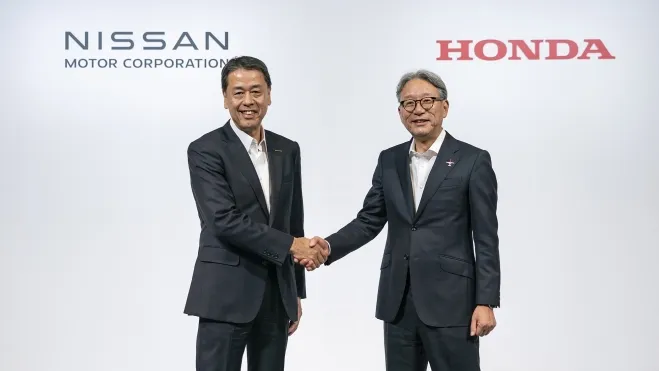
To offset the enormous investment required for developing modern vehicles, the company is also seeking strategic partnerships in its home country. Recently, cooperation agreements were announced with firms such as Nissan to share electronic control component architectures and in-vehicle software starting from the end of this decade. By combining their resources, these established Japanese brands aim to reduce development times and share R&D costs, demonstrating that survival in today’s automotive industry depends on technical flexibility and strict cost control.