
Volkswagen needs its own Dacia: SEAT could survive by taking on the group’s budget brand role
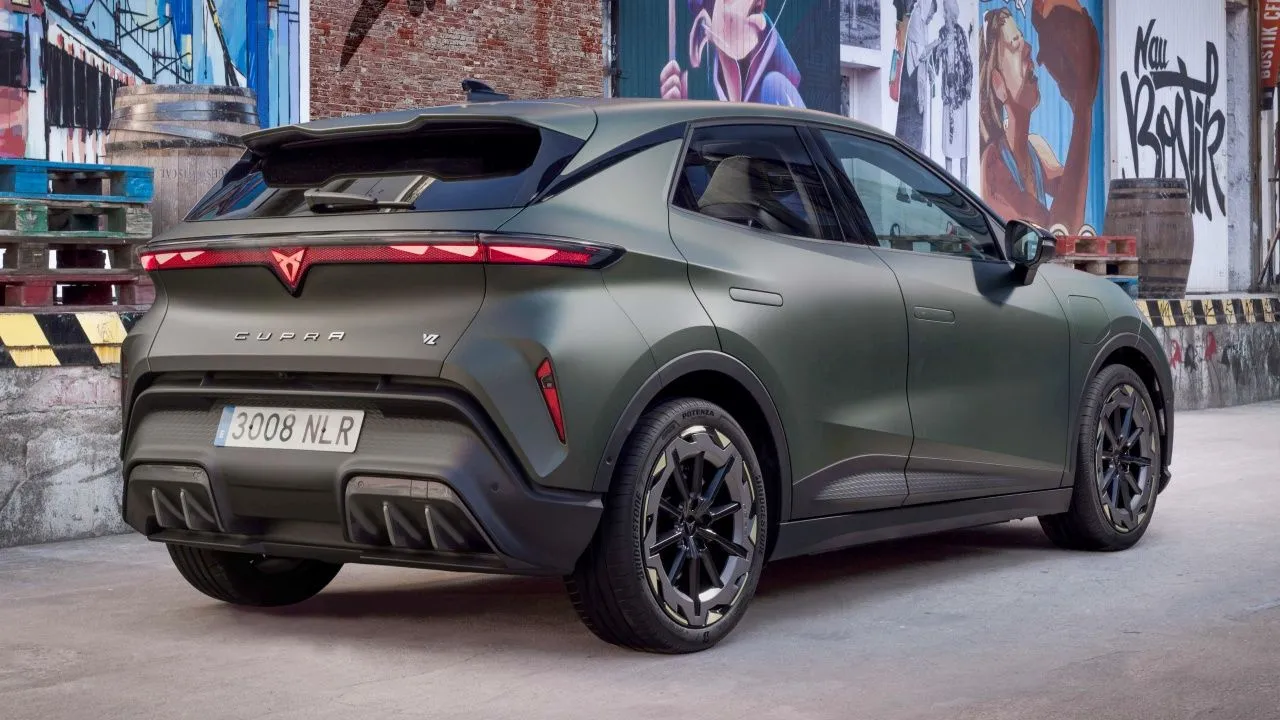
The future of the historic Spanish automaker SEAT is uncertain. Although SEAT S.A. as a company has its continuity ensured through the CUPRA brand, which has surpassed its parent brand in popularity and sales, the restructuring pursued by Volkswagen Group to cut costs could threaten SEAT despite it still having highly popular models such as the Ibiza and Arona.
"The entire industry, including Volkswagen Group and, of course, SEAT S.A., is undergoing a profound transformation driven by our commitment to electrification. The global landscape has changed significantly, exerting severe pressure on the automotive sector, especially in the past year," the company stated recently in a statement.
"That is why Volkswagen Group is working on a business transformation plan for the entire group to enhance its competitiveness and efficiency. The goal is to make the whole Volkswagen Group and its subsidiaries more efficient and agile, while systematically leveraging potential technological synergies. This strategy is being discussed in various meetings of the Supervisory Board. No decision has been made yet."
Rumors suggest that the future of SEAT might be decided next year, with its possible closure occurring in 2029 or early in the following decade. The Ibiza and Arona have recently been updated, and microhybrid versions will be available next year. The León will come equipped with a hybrid powertrain starting in 2028.
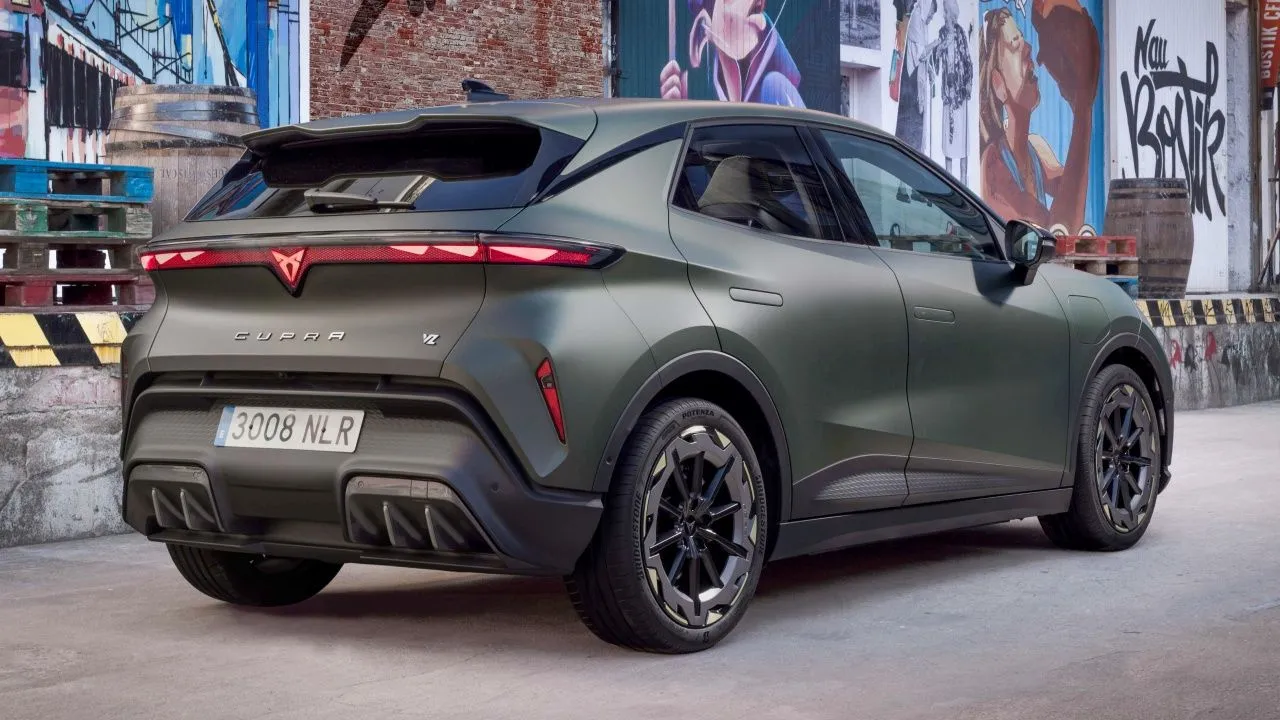
SEAT’s future remains undecided
A hypothetical disappearance of SEAT would not affect Volkswagen Group’s Spanish plants, as both Landaben (Navarra) and Martorell (Barcelona) have sufficient workloads for the coming years thanks to the production of several B-segment electric vehicles: the Skoda Epiq and Volkswagen ID. Cross at the Pamplona plant, and the CUPRA Raval and Volkswagen ID. Polo at the Barcelona plant.
Does SEAT have a place in Volkswagen Group’s structure? The fact is that, following Skoda’s elevation to a higher status—something many now compare to Volkswagen itself—the company needs an entry-level brand that plays a role similar to Dacia in Renault or Citroën and FIAT in Stellantis, to compete with low-cost models from China.
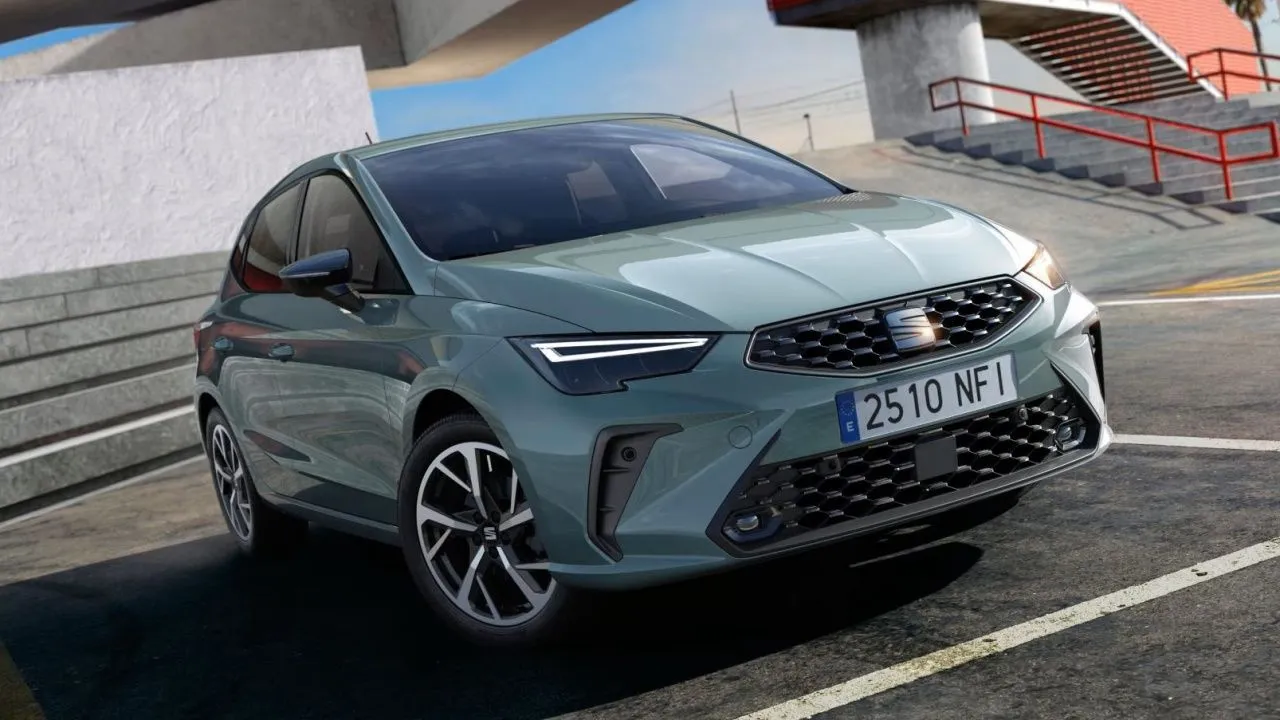
Currently, SEAT customers have the lowest average age across the entire Volkswagen Group, and the Ibiza continues to top sales rankings in Spain. If given a chance, its future will likely depend on developing affordable electric vehicles, which would help solidify its position within the conglomerate.
