
Volkswagen is struggling to sell its electric cars in China, except maybe this one!
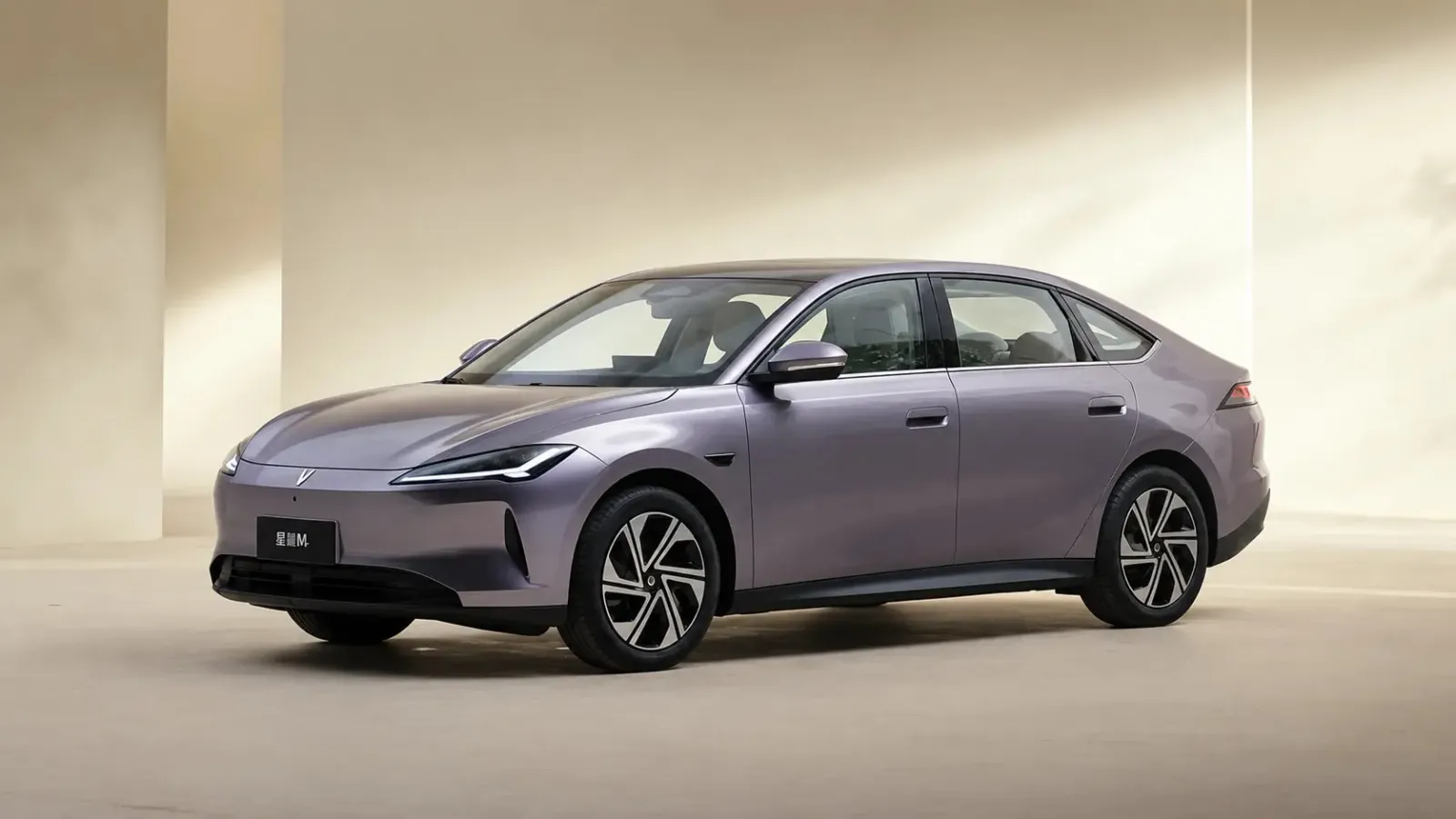
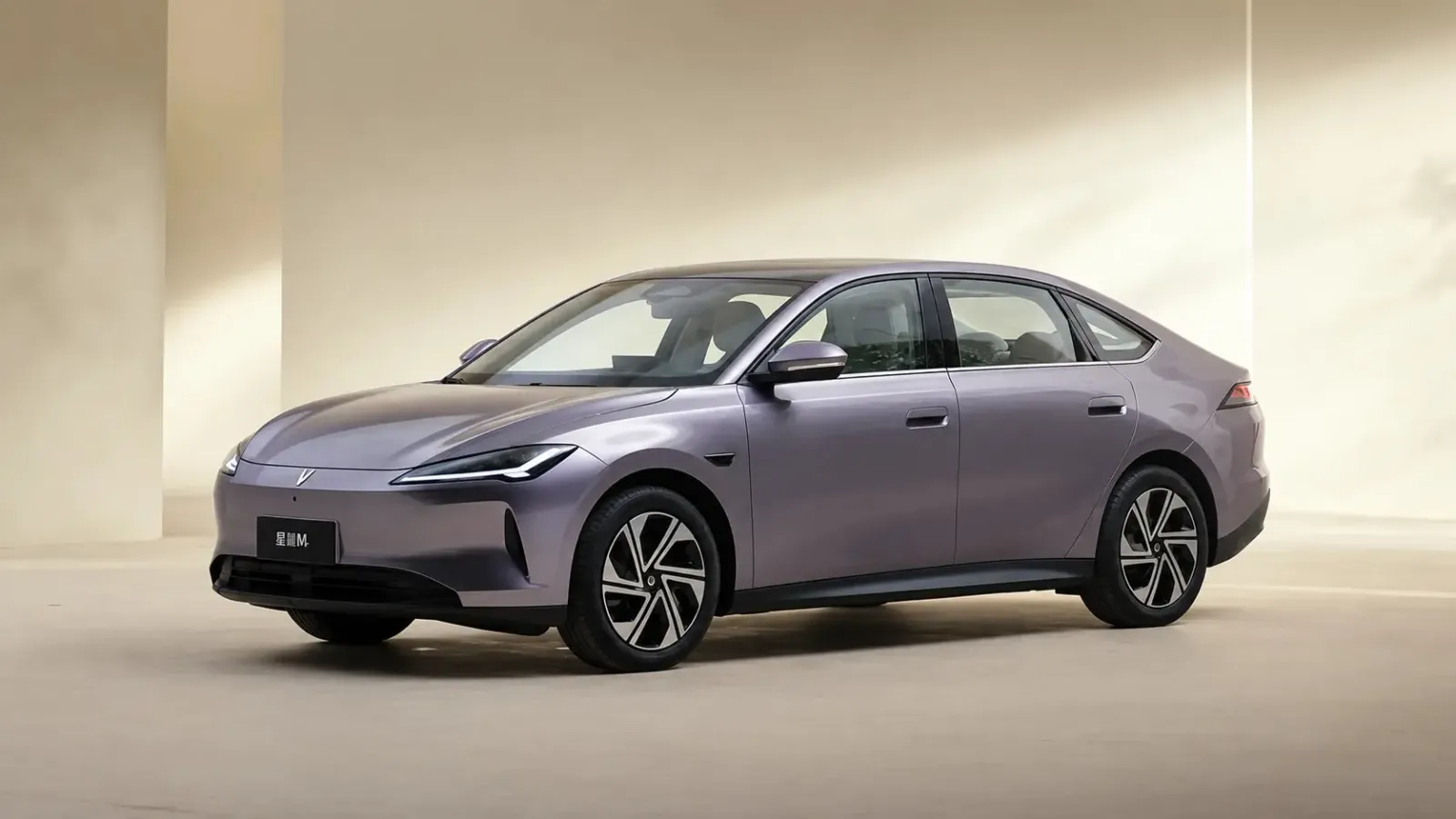
While we recently discussed Volkswagen’s struggles in selling its electric cars developed with Xpeng in China, the German automaker now seems to have good news to share with the launch of the Jetta M6.
As the partnership between Xpeng and Volkswagen fails to deliver expected results, another division of the group appears to have found the right formula. Launched on October 22, 2026, the electric Jetta M6 immediately caught the interest of Chinese car buyers. According to CarNewsChina, FAW-Volkswagen reported over 10,000 firm orders within just 19 hours. And these weren’t merely expressions of interest—customers paid deposits that they risk losing if the order is canceled.
An electric sedan for less than 10,000 euros
The price likely explains part of this enthusiasm. The Jetta M6 starts at 79,800 yuan, which is approximately 9,700 euros at the current exchange rate. For this amount, Chinese buyers receive a 4.81-meter-long sedan equipped with a 152 hp engine and a 42.9 kWh LFP battery. The advertised range is 465 km according to China’s CLTC cycle, which is more optimistic than our WLTP standard.
Also read
Volkswagen’s electric offensive in China: an impossible mission?
Two higher trims are also available, featuring a 51.9 kWh battery, up to 555 km of CLTC range, and a 195 hp engine. The price starts at 99,800 yuan, which is approximately 12,100 euros. The Jetta M6 also doesn’t skimp on onboard technologies. It includes a 15.6-inch central display, while the top trim offers advanced driving assistance features for both urban and highway use. A 3.5 kW V2L function is also included.
A different strategy from that pursued with Xpeng
This success stands in contrast to the difficulties faced by the ID.Unyx models. As we explained recently, the SUV ID.Unyx 08, developed with Xpeng, had only attracted around 1,300 customers since its launch in April, falling far short of initial targets. The Jetta M6, however, relies on a different business strategy. It is sold under the Jetta brand, created by the joint venture FAW-Volkswagen to offer affordable vehicles to Chinese drivers. This is its first fully electric model.
For now, the German group seems to be more successful in the realm of affordable electric vehicles. But caution is needed—avoid drawing hasty conclusions. Early orders do not guarantee sustained success. In China’s highly competitive market, the real test will begin with actual deliveries.