
Volkswagen may shut down four factories in Germany. The list includes plants that produce electric vehicles.
In short:
Volkswagen is considering ending production at four factories in Germany
This is the group’s management’s proposal for 2031-2034, not a concrete plan
Production is set to end in Emden and Zwickau by 2031
The manufacturer is facing declining sales in China, high costs in Germany, and low profitability
On September 4, the CEO will try to convince the Group’s supervisory board of cuts
Volkswagen is cutting costs
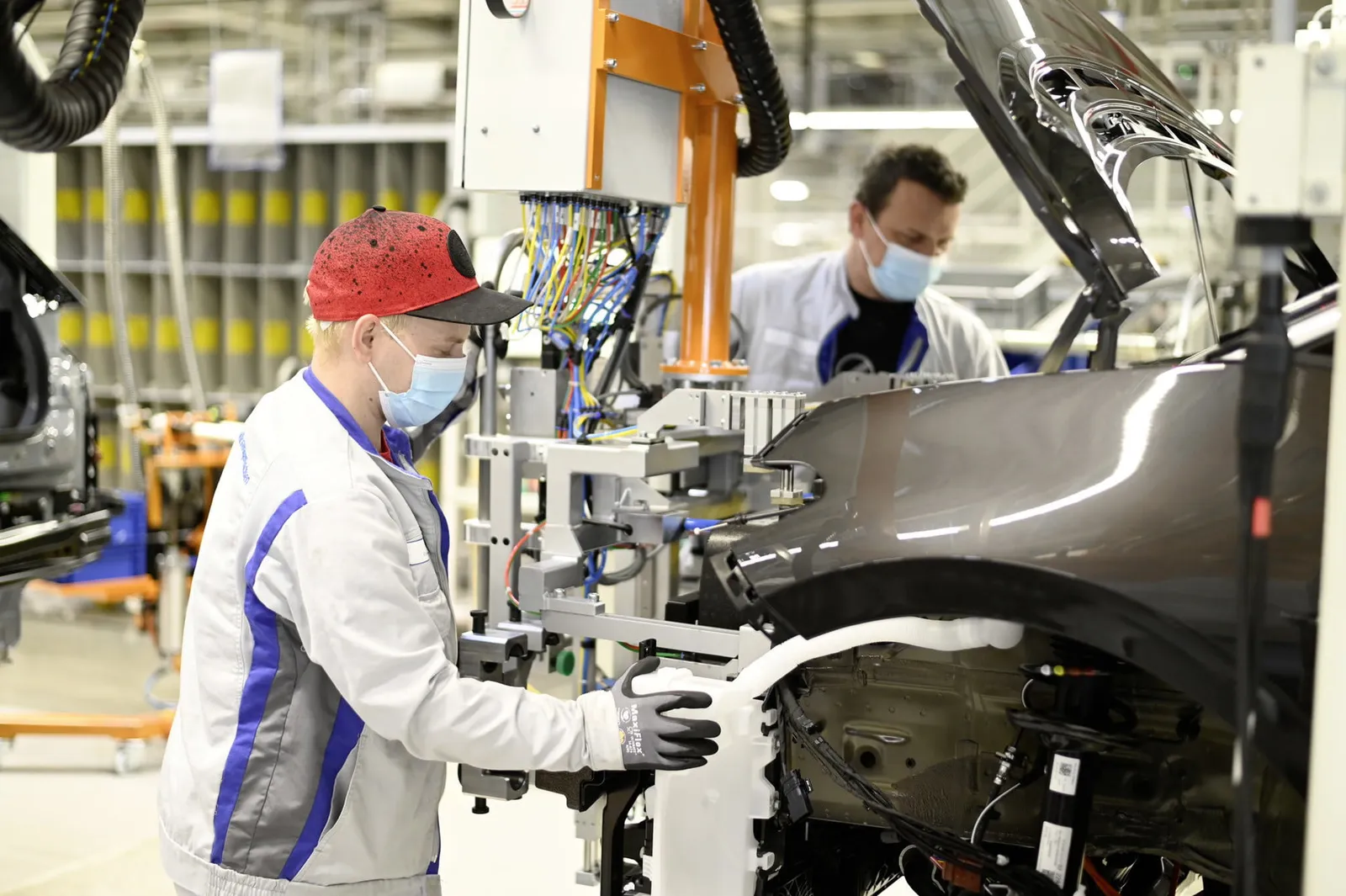
Volkswagen may be preparing the biggest restructuring of its German production network in decades. According to “WirtschaftsWoche,” which obtained a document from the supervisory board, management wants to propose ending car production at four factories.
First, production is set to end in Emden and Zwickau by 2031. A year later, Hanover will follow, with Audi’s plant in Neckarsulm coming next in 2034.
Volkswagen has not confirmed these plans. A company spokesperson told Reuters that the group does not comment on the contents of board documents. The matter is set to be one of the topics at its meeting on September 4.
The list includes some of the most important electric vehicle factories
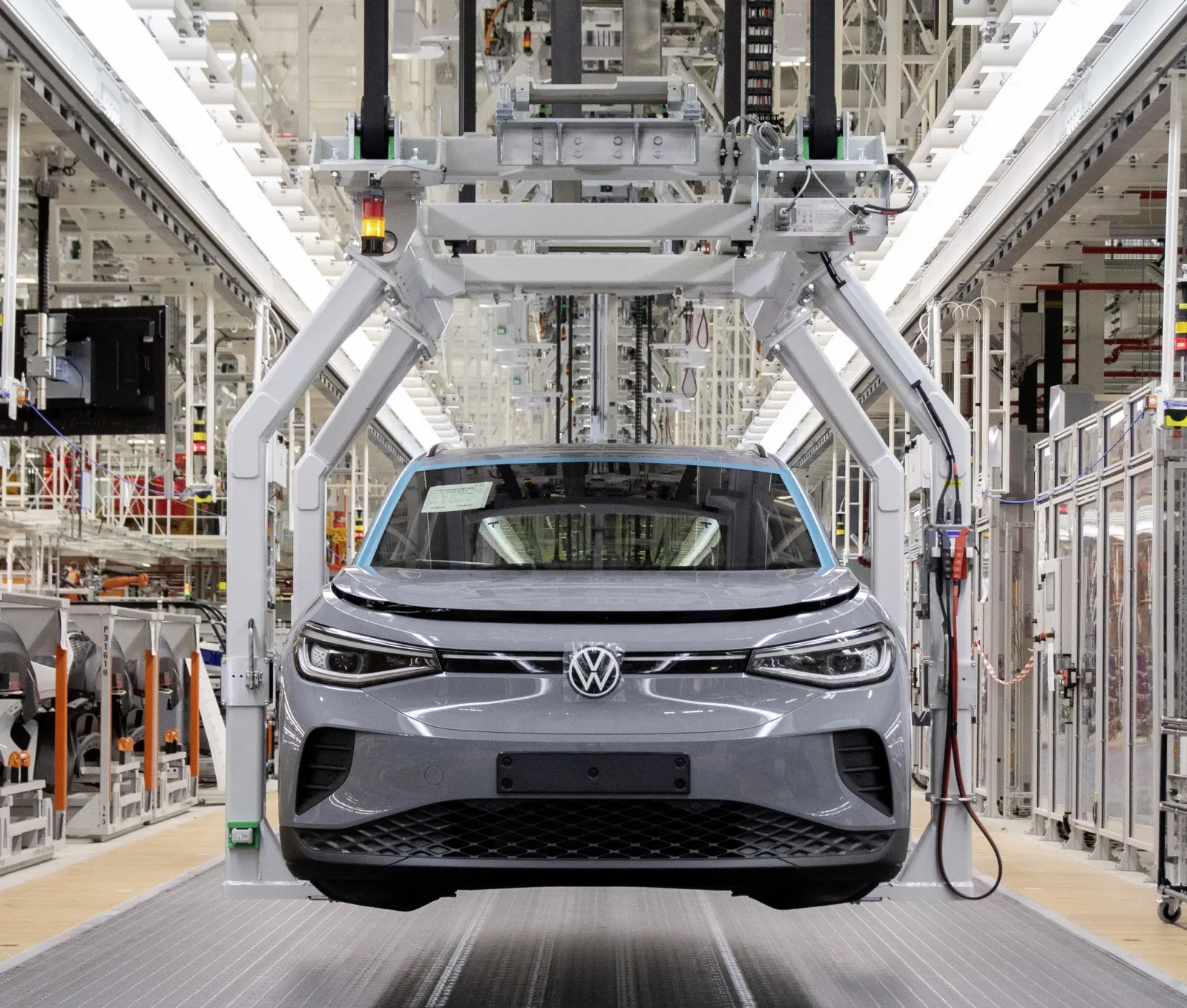
The scale of potential changes is significant. Emden currently produces Volkswagen’s electric ID.4 and ID.7 models. Zwickau has been a symbol of the group’s electric transformation, with vehicles such as the Volkswagen ID.3, Cupra Born, and Audi Q4 e-tron being manufactured there.
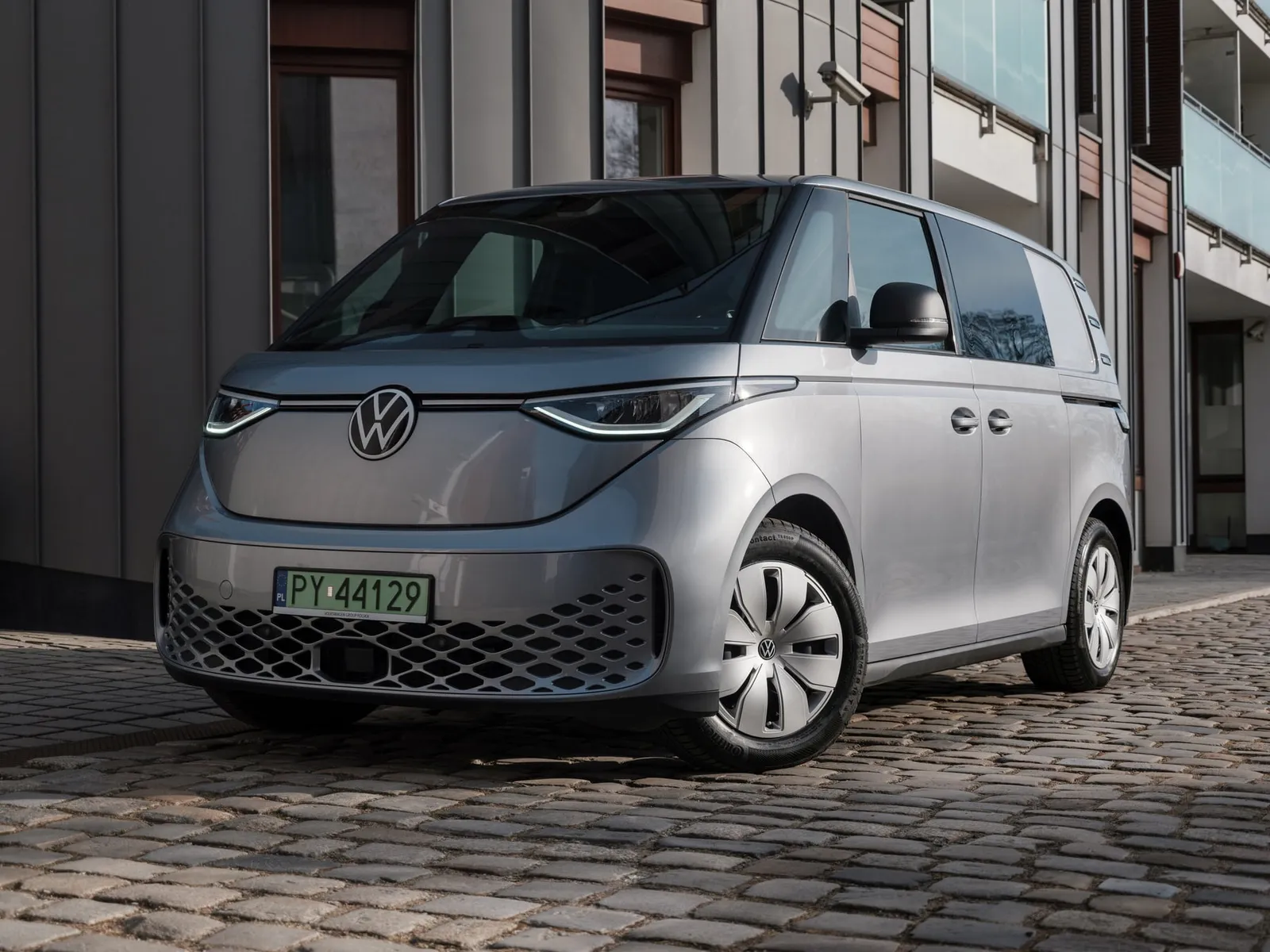
Hanover is responsible for ID. Buzz, among other models, while the Audi plant in Neckarsulm currently produces the A5 and A6 models. Production of the A8 will also end there this year.
This does not yet mean that the facilities will be locked up in a few years. The key question is whether the factories will receive new models after the current production cycles conclude.
“Due to significant cost differences compared to other European factories, we do not see any economically viable option for producing successors to the four German plants after the current models are phased out in the early 2030s,” said Volkswagen’s CFO Arno Antlitz at the end of August.
Volkswagen Produces Too Much and Too Expensively in Germany
The issue with utilizing German factories did not arise suddenly. As early as the end of 2024, Volkswagen reached an agreement with labor unions called “Zukunft Volkswagen.” It called for a permanent reduction in the production capacity of German plants by 734,000 cars per year and a cut of over 35,000 jobs by 2030, without resorting to traditional mass layoffs.
The entire package was intended to yield annual savings of over 15 billion euros, of which more than 4 billion euros would come from changes related to labor costs, production, and plant structure. Labor costs alone were expected to drop by 1.5 billion euros per year.
Clearly, this may not be enough. According to Reuters, the management is currently considering further layoffs and factory closures. The works council warns that in the worst-case scenario, around 140,000 jobs could be at risk due to these changes, if previous plans, possible further global cuts, and the employees of the four plants on the list are taken into account.
Sales Decline
Volkswagen remains a huge conglomerate, but the scale of its operations is shrinking. According to a document cited by “WirtschaftsWoche,” the group expects sales of around 8.5 million cars in 2026. In 2025, it was 8.98 million.
The first half of this year saw 4 million cars delivered, 8.4% less than the previous year. Revenue amounted to 158.1 billion euros and remained virtually unchanged, but operating profit dropped by 11.6% to 5.9 billion euros.
The biggest problem for China is...
Just in the second quarter of 2026, the group’s global deliveries fell by 8.6% to 2.077 million cars. In China, the decline was as high as 36.6%. For comparison, sales in Western Europe increased by 1.8%.
Volkswagen dominated the Chinese market for years but was overtaken by local conglomerates. It first lost its leading position to BYD and by 2025 had dropped to third place.
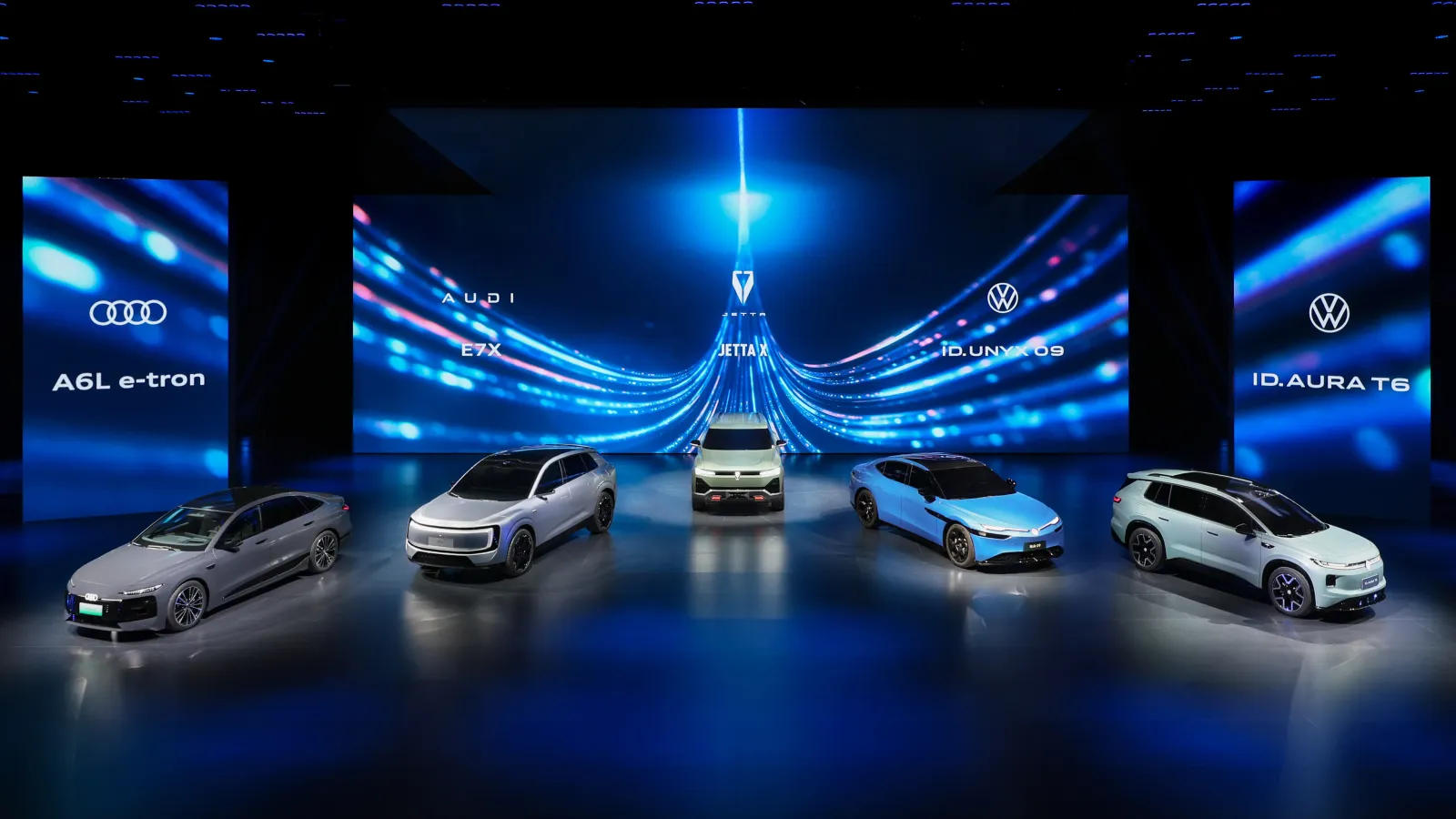
The response is the “In China, for China” strategy. The group is preparing over 20 new electrified models for the local market, developing them faster and largely in-house. This aims to shorten car design times and enable better competition with Chinese manufacturers in terms of price and technology.
…. and profitability
According to Reuters, the group’s operating margin in the second quarter was 4.2%, while Oliver Blume aims to raise it to around 9% eventually. Volkswagen’s CEO believes that with the current profitability level, the company will not be able to fund all the investments needed for further transformation.
High production costs in Germany, a difficult situation in China, competition from new brands, and tariffs in the U.S. are all putting pressure on profits.
This is why discussions have shifted beyond simply cutting costs in individual models. Management wants to restructure the entire group’s framework.
Ducati and stakes in other companies may be sold
According to “WirtschaftsWoche,” Volkswagen is also exploring the possibility of selling off some assets that are not directly related to the group’s core business or reducing its stake in them.
The list is said to include Ducati, truck manufacturer Traton, as well as stakes in Chinese battery maker Gotion, American QuantumScape, which develops solid-electrolyte batteries, and SGL Carbon.
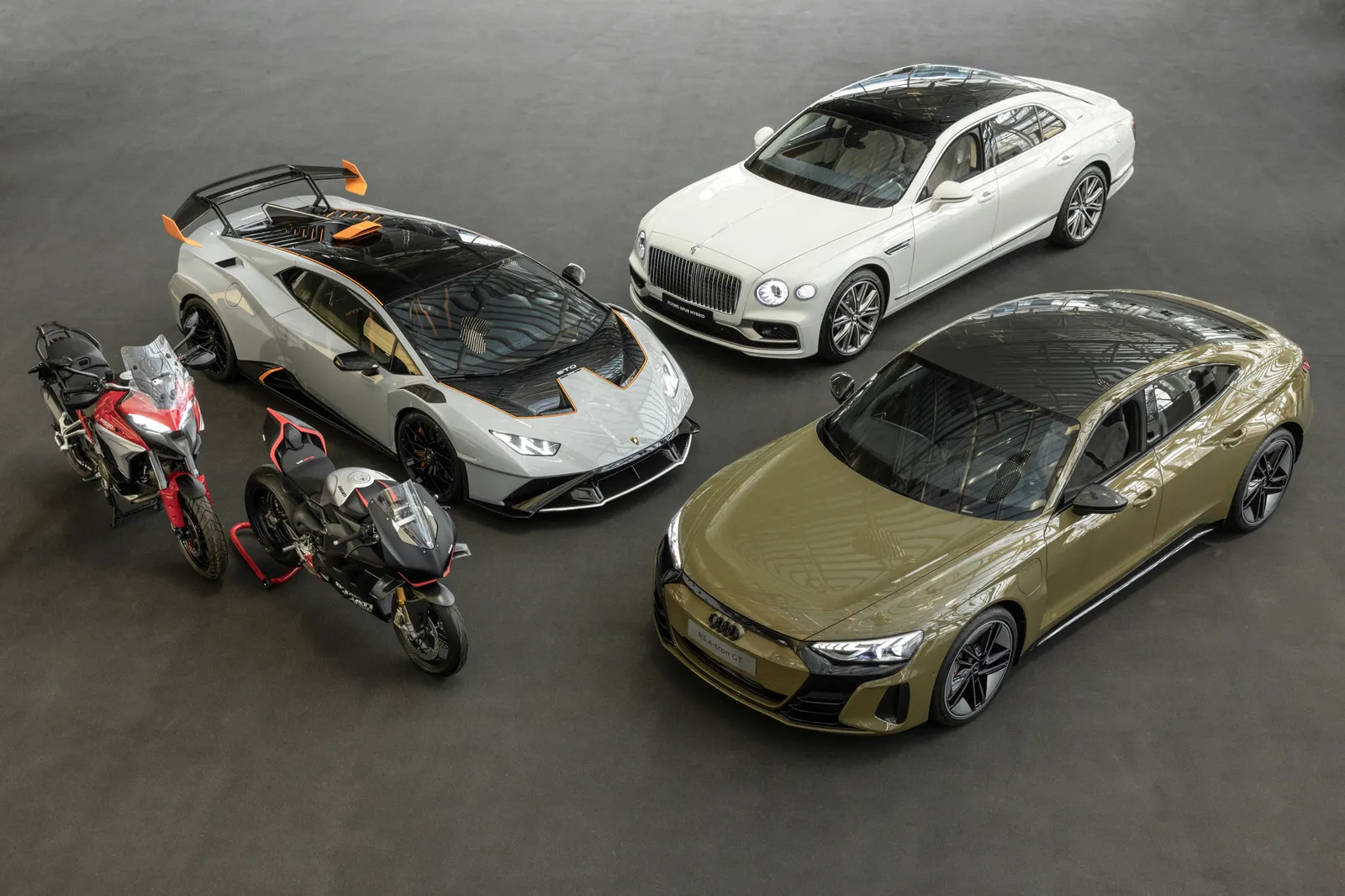
This does not mean that all these assets will be sold. They are intended to be part of the planned analysis and a potential way to streamline the group and raise capital.
A separate case is the factory in Osnabrück. Its current production could end as early as 2027, with one of the considered scenarios being using the plant in collaboration with the defense industry.
Important meeting on September 4
Oliver Blume will try to convince the supervisory board to carry out further cuts on September 4. However, it will not be easy.
Volkswagen has an atypical ownership structure with a very strong employee representation. Half of the seats on its 20-member supervisory board are held by representatives of the employee side. Additionally, Lower Saxony is the second-largest shareholder and exerts significant influence over the company’s decisions.
Both the works council and IG Metall are opposed to further closures and layoffs. The union warns of “massive resistance” if management attempts to undermine the agreement reached at the end of 2024.
Therefore, it cannot yet be concluded that the closure of four factories is a settled decision. This is a proposal by the management amid ongoing disputes over the group’s future.
The fact that Emden, Zwickau, Hanover, and Neckarsulm are on the table does show the scale of the problem. Just a few years ago, Volkswagen spent billions of euros converting its German plants to produce electric vehicles. Now it is questioning whether some of these facilities will still be economically viable once current models are phased out.
Piotr Sobczyk