
Volkswagen Mission Efficiency claims 9 miles per kWh in road test
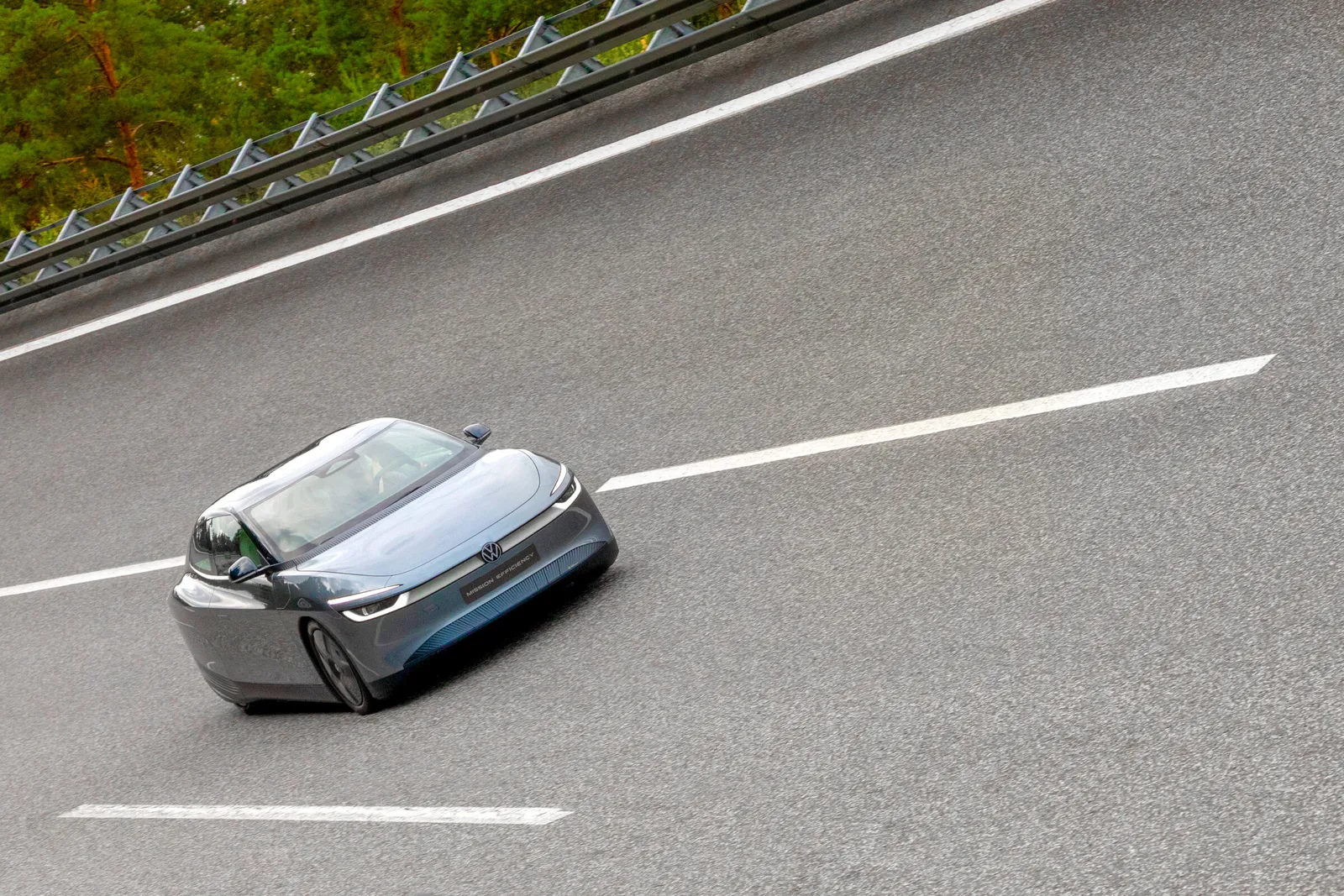
Volkswagen has unveiled an electric coupé that achieved approximately nine miles per kWh on a European road journey, demonstrating how aerodynamic design could extend EV range without requiring a huge battery. Called Mission Efficiency, the road-approved prototype combines technology from the ID. Polo with a streamlined body and a modified 54.9kWh usable battery.
The car recorded consumption of 6.89kWh per 100km, excluding charging losses, over a 1,278.36km journey from Wolfsburg to Vienna. That is roughly 794 miles, completed with just one charging stop. Including charging losses, consumption was 7.51kWh per 100km, equivalent to approximately 8.3 miles per kWh.
Volkswagen describes Mission Efficiency as the world’s most efficient near-production electric car, claiming three world records covering aerodynamics and energy consumption. However, it remains a concept that is not for sale. The release identifies the Record Institute for Germany’s category as “Near-production four-seater electric vehicle suitable for everyday use”.
The achievement provides a demonstration of what lower aerodynamic resistance can deliver using a modest electric drivetrain. It also comes with qualifications: the road journey averaged around 42mph, while the battery’s usable capacity was increased beyond its production setting for this limited-use record vehicle.
The documented route ran from Volkswagen’s German Development Centre in Wolfsburg through Poznań in Poland and Olomouc in the Czech Republic to Austria’s capital. Average speed was 67.72km/h, with a maximum of 138km/h, or approximately 86mph. On arrival, the car indicated another 164km, around 102 miles, of remaining range.
The release does not specify the duration of the charging stop or the amount of energy added, so the journey cannot establish how quickly a comparable trip could be completed.
That remaining range should not be confused with a certified range figure. Nor was the entire journey completed on one charge. Nevertheless, the consumption result illustrates the potential for reducing the energy needed to cover long distances, with implications for charging frequency and running costs.
For drivers, the distinction between consumption with and without charging losses is useful. The lower figure describes the vehicle’s energy use, while the higher figure also captures energy lost during charging. The latter gives a fuller picture when considering electricity costs.
Volkswagen also measured 6.48kWh per 100km on an “ideal trip”. This involved maintaining a constant 68km/h, avoiding uphill gradients and switching off auxiliary consumers such as air conditioning. It is therefore a separate result obtained under deliberately favourable conditions, rather than the consumption recorded on the journey to Vienna.
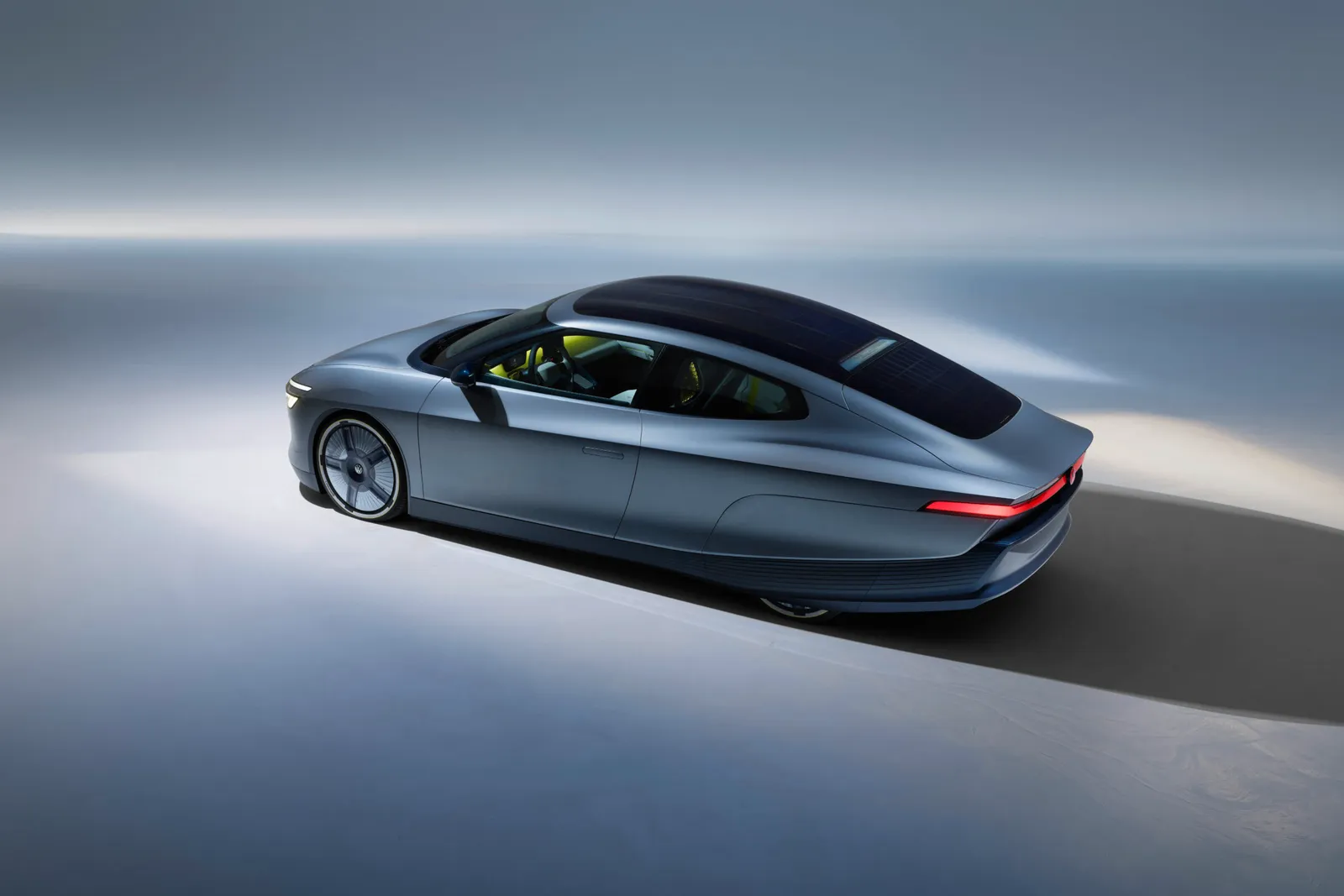
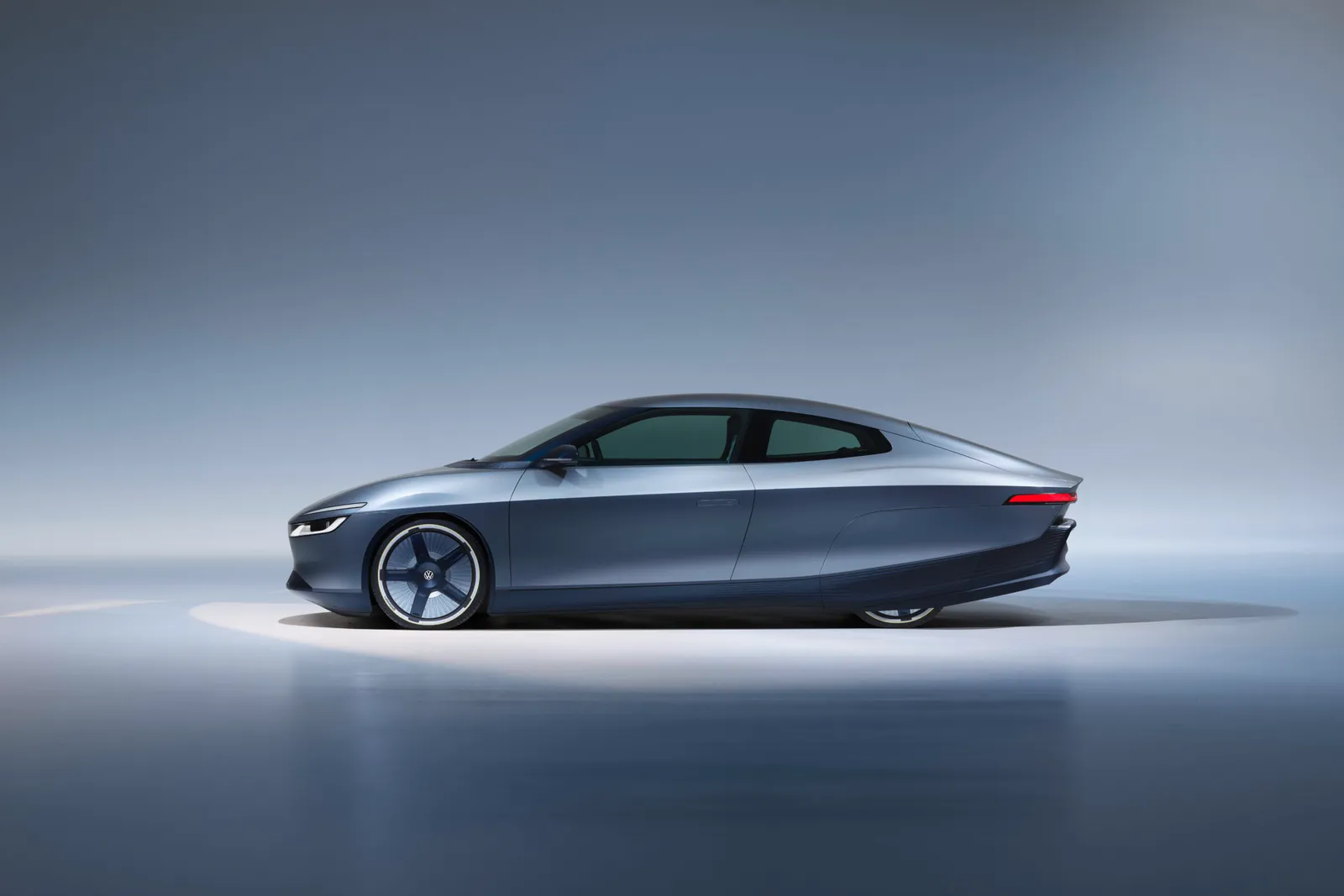
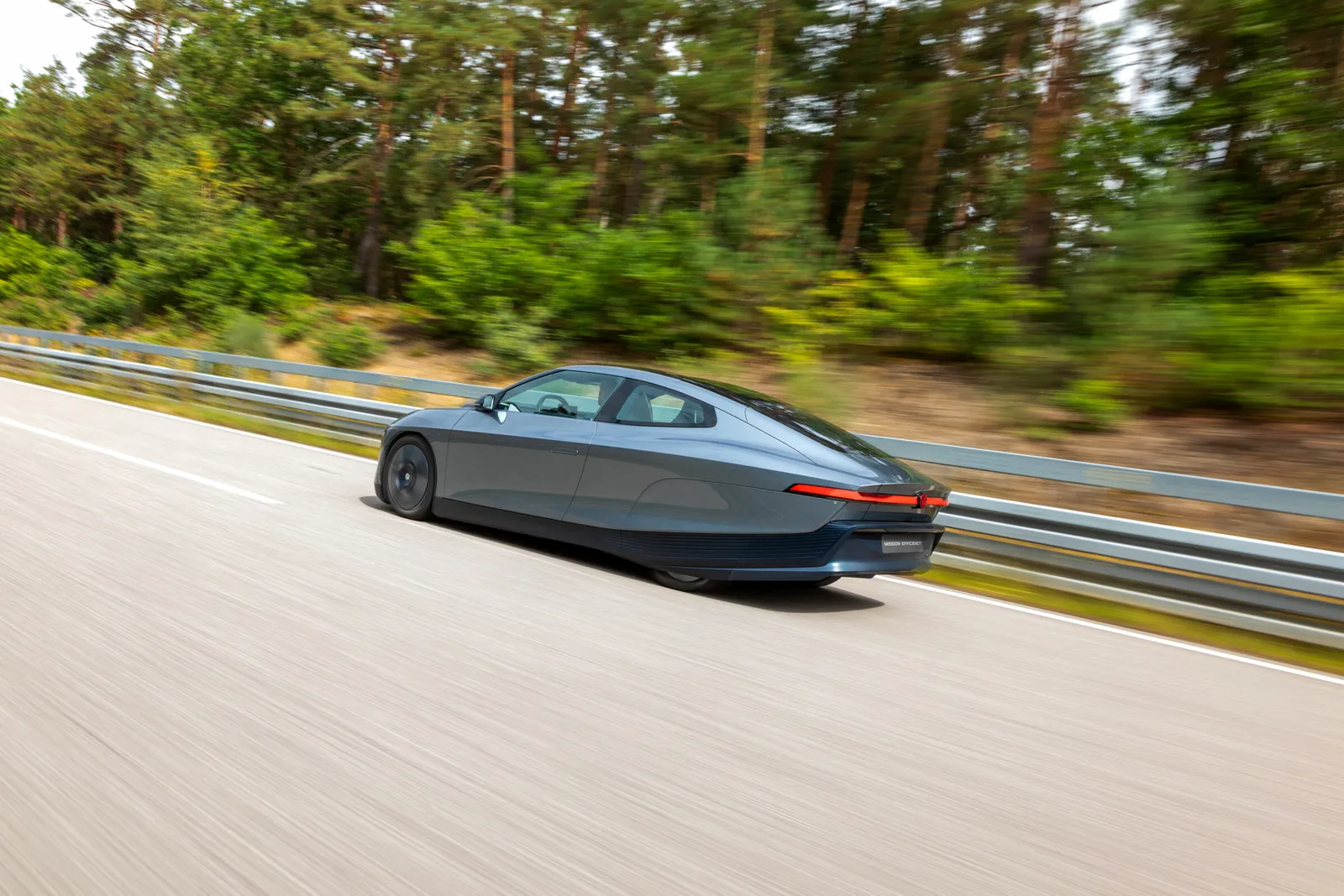
At the centre of the project is a drag coefficient of 0.158, which Volkswagen claims is a record for road-approved cars. The prototype combines this with a frontal area of 2.08 square metres. Both measurements matter because the energy required to overcome air resistance depends on the size of the vehicle’s frontal area as well as its aerodynamic shape.
The body adopts a teardrop profile, covered rear wheels and a fully enclosed underbody. Active cooling flaps regulate airflow, while frameless door windows and flush door handles help minimise disturbances along the bodywork.
According to Volkswagen, consumption above 80km/h is more than 30% lower than in the standard ID. Polo. At 140km/h, Mission Efficiency requires approximately as much energy as the hatchback does at 100km/h. These comparisons highlight why aerodynamics are particularly important for motorway efficiency, where overcoming air resistance becomes an increasingly significant demand on the battery.
Despite its specialised body, the prototype uses the front-wheel-drive MEB+ technology underpinning the ID. Polo and ID. Cross. Its 99kW electric motor, rated at 135PS, and high-voltage battery are derived from production components.
“Mission Efficiency is the ideal way to demonstrate what distinguishes Volkswagen in the electric age: technology for the masses – not just for the few,” said Volkswagen brand chief executive Thomas Schäfer.
The battery does differ from its production configuration. Software increases usable energy from 52.0kWh to 54.9kWh. Volkswagen says the standard restriction helps guarantee battery longevity in series production, whereas those conditions do not apply to a record vehicle making limited deployments. Buyers should therefore distinguish the prototype’s battery specification from that of the production car.
Volkswagen’s technical development chief Kai Grünitz said the drivetrain was developed for all models based on front-wheel-drive MEB+, describing it as light and efficient. The project is intended to demonstrate the potential of that system alongside the company’s aerodynamic development work.
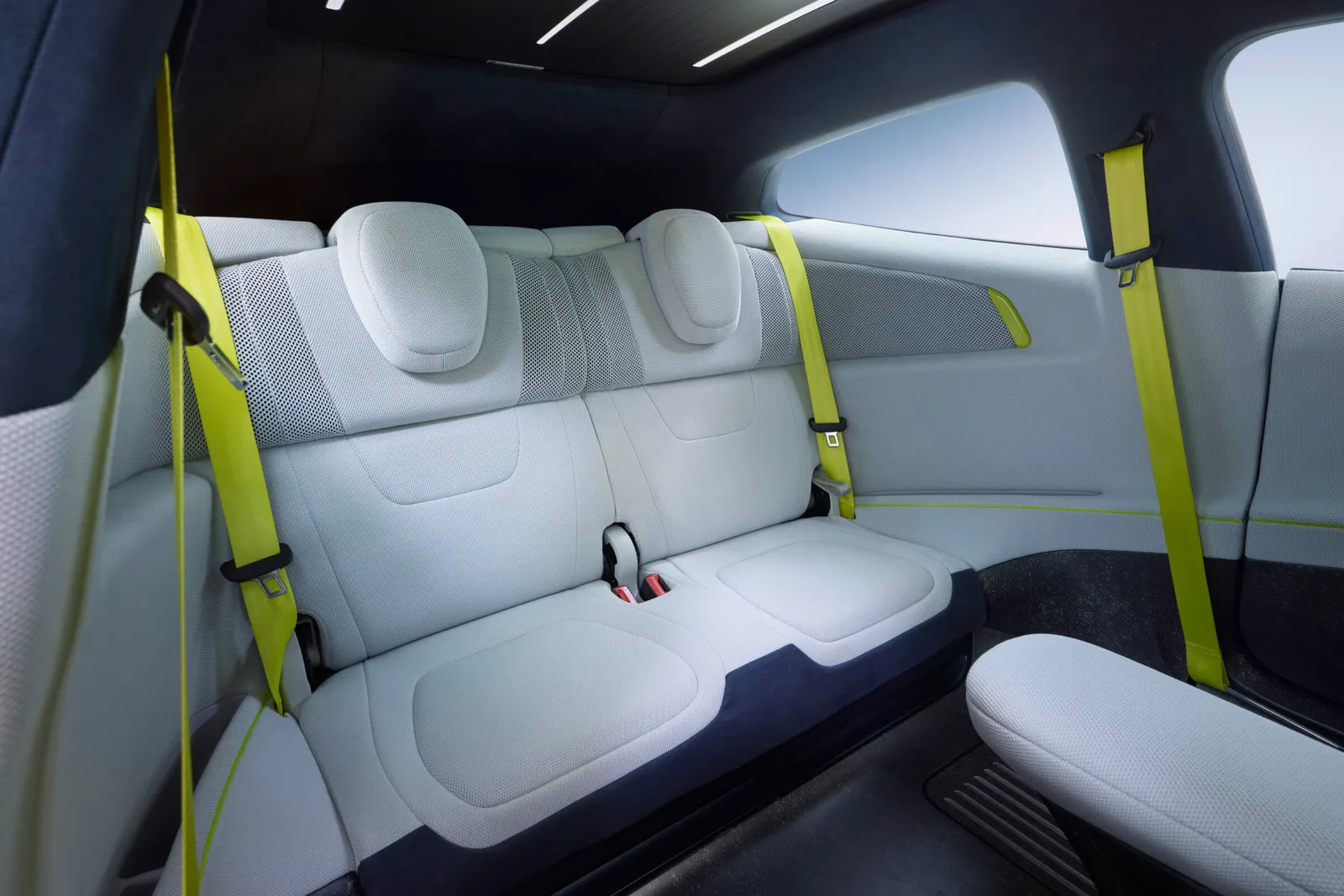
Mission Efficiency measures 4,775mm long and just 1,392mm tall. Its coupé body provides a 2+2 seating layout and a 481-litre luggage compartment, with further storage beneath the rear seats and within the body sides for smaller items and charging equipment.
The rear accommodation is restricted to passengers approximately 1.60 metres tall or shorter. Volkswagen says the prototype could theoretically serve a young family of four, although that qualification underlines the compromises behind its everyday-use credentials. The structure combines ID. Polo components with self-supporting aluminium and parts made from carbon fibre-reinforced polymer and aramid composite.
Chassis changes contribute further efficiency gains. The front MacPherson suspension and hydraulic brakes come from the ID. Polo, while the rear uses an electromechanical braking system developed with AUMOVIO. Volkswagen says this reduces friction losses, removes the need for rear hydraulic lines and fluid, and supports variable brake force distribution, improving energy recuperation and cornering stability.
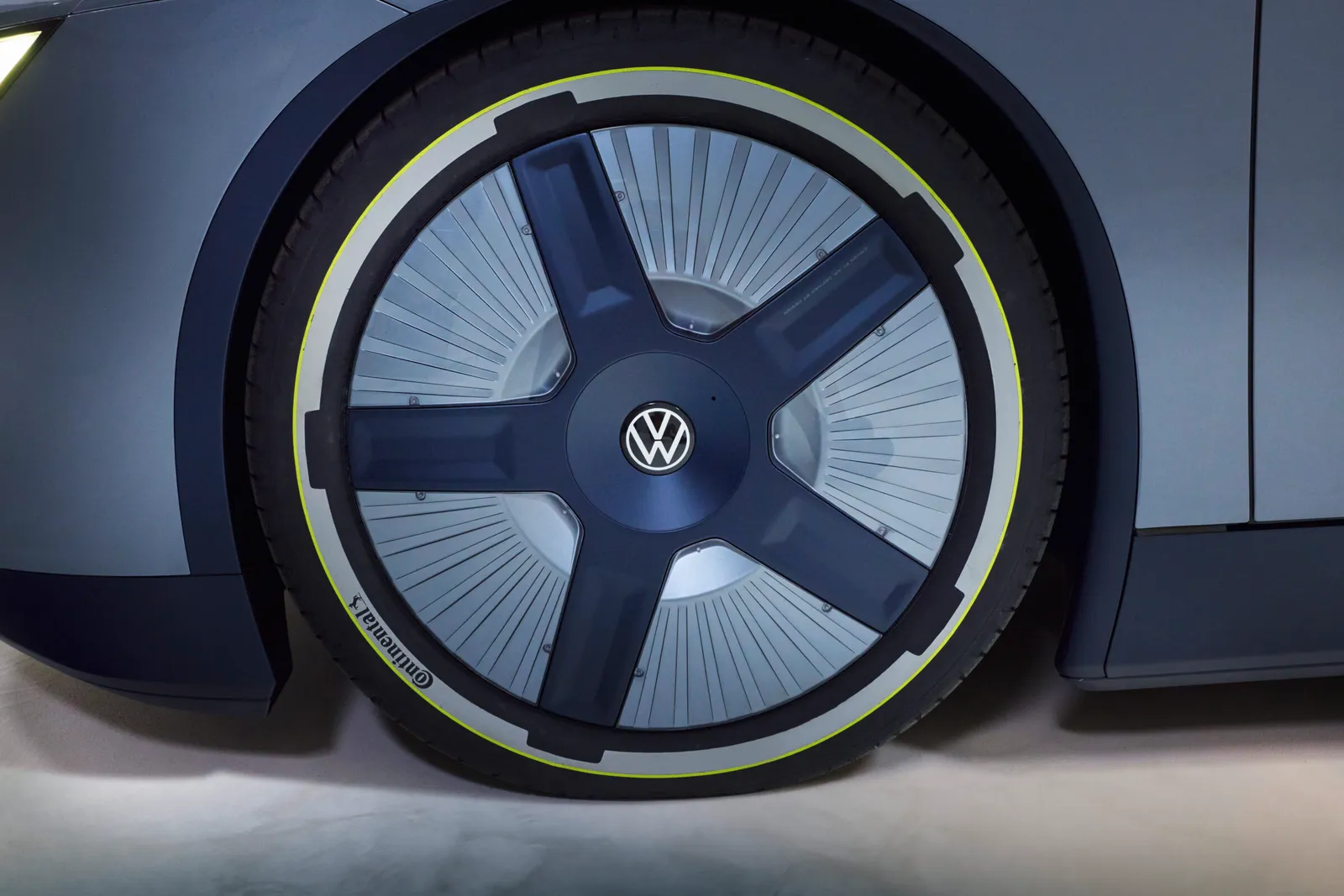
Wheels and tyres received particular attention because, according to Volkswagen, wheels account for 25–30% of aerodynamic resistance. Closely fitted front wheel arches reduce turbulence, while patented deflectors on the inside of all four wheels prevent air entering the rims. Flat outer wheel covers further smooth airflow.
Continental developed concept tyres based on its EcoContact 7. Their rolling resistance is 4.9kg per tonne, approximately 25% below the threshold for the EU tyre label’s best class, A. Changes to the sidewalls and tread compound reduce energy losses as the tyres roll.
A 370W photovoltaic system integrated into the glass roof and boot lid supplies the car’s onboard electrical consumers. Volkswagen claims this can extend real-world range by up to 30km, approximately 19 miles, per day, depending on season, location and weather.
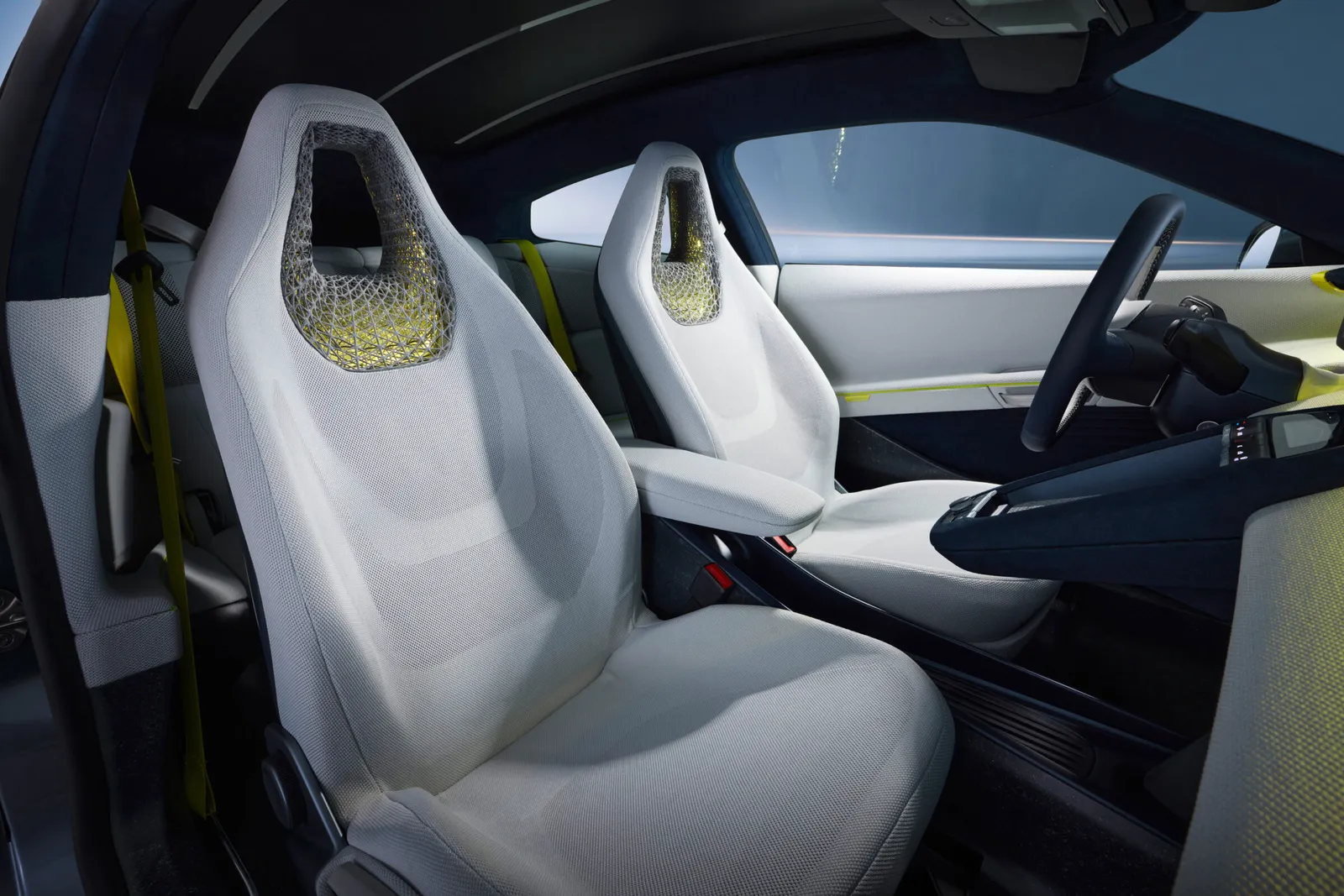
Inside, lightweight trim helps save weight. A portable Bluetooth speaker replaces the conventional sound system, while occupants use a smartphone or tablet instead of a built-in infotainment display. These choices show that the efficiency programme extends to equipment as well as propulsion and body design.
Volkswagen says the prototype has EU road approval and meets the corresponding safety, structural strength and crash requirements. Design chief Andreas Mindt draws a connection with the XL1, the streamlined plug-in hybrid introduced in 2013. Mission Efficiency follows that car’s emphasis on reducing energy consumption, now with a fully electric drivetrain, but Volkswagen has announced no production or pricing plans for the concept.