
Volkswagen Mission Efficiency: Coming to series soon?
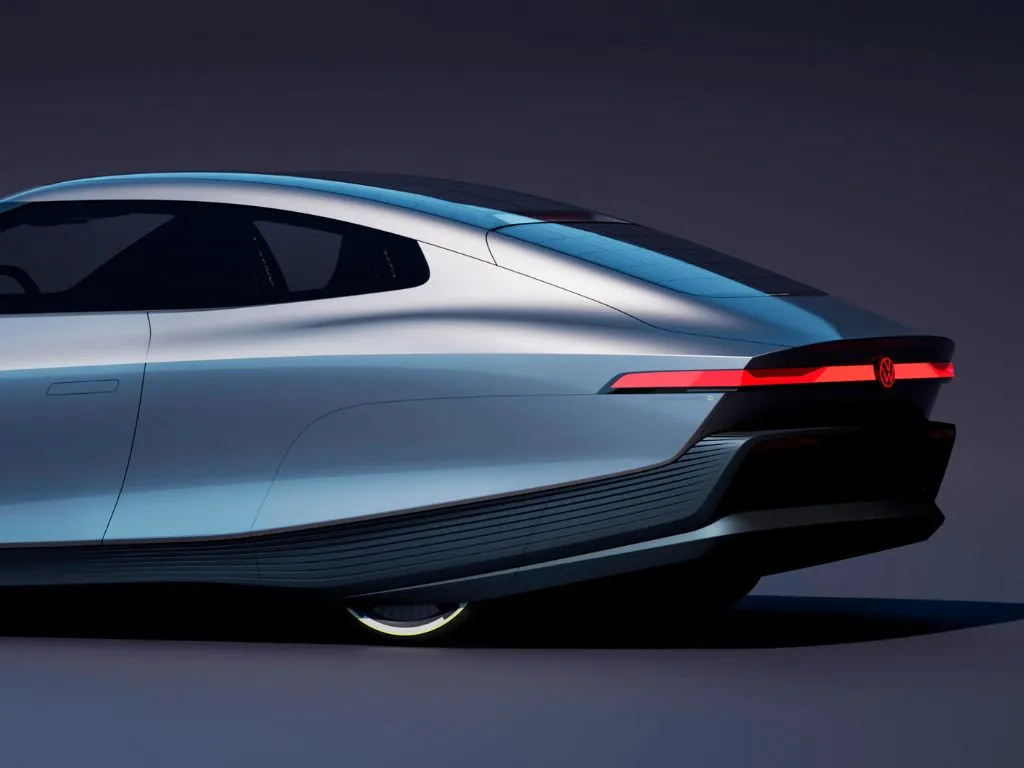
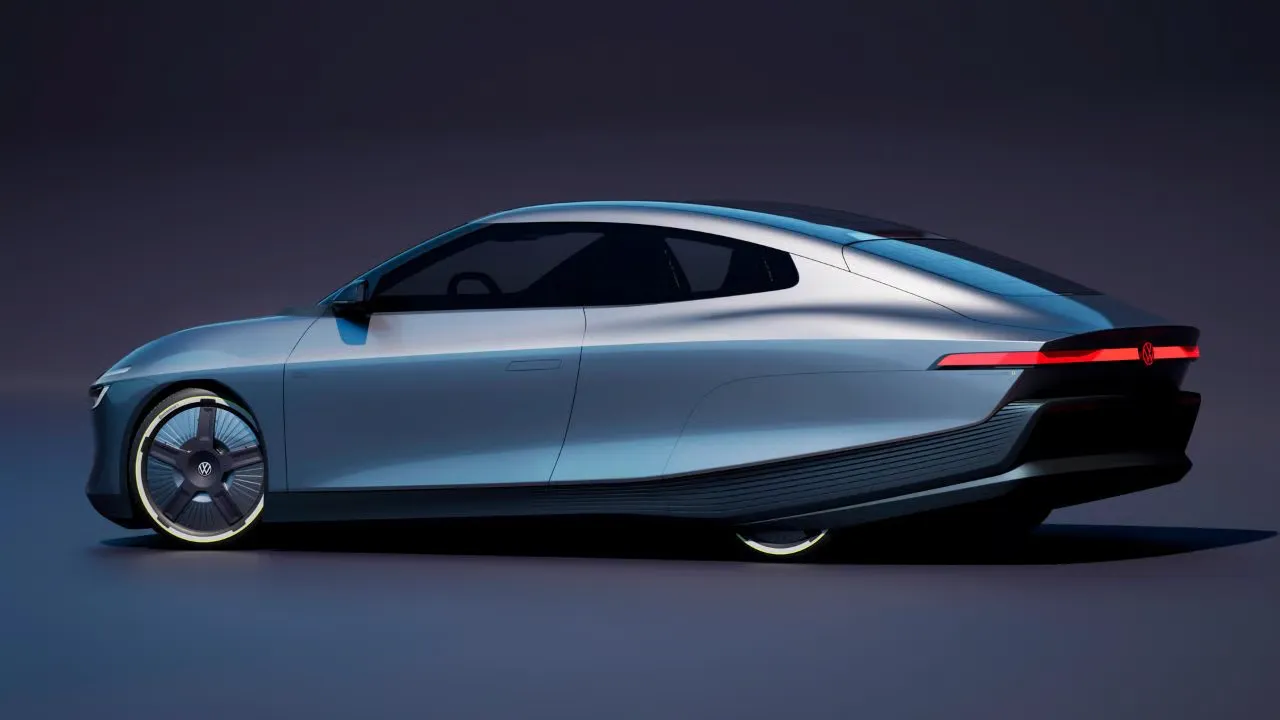
VW’s experimental vehicle might see a path to production. Well, maybe...
In the 2010s, Volkswagen kept a promise. The impressive XL1, designed to consume less than 1.0 liter of diesel per 100 km, was indeed produced in series. The 250 units were allocated to customers willing to pay over 100,000 euros for this lightweight two-seater. Now, Mission Efficiency has set three records for electric efficiency and aerodynamics. Moreover, this experimental car is 80% built using components from the ID.Polo and ID.Cross models, which are currently being launched.
Also read
Mission Efficiency: Volkswagen Sets an Outstanding Fuel Consumption Record with ID.Polo Technology
"It is the best answer to the question of what sets Volkswagen apart in the electric era," said Thomas Schäfer, the brand’s CEO. "It’s a technology available to everyone, not just a few privileged ones." Kai Grünitz, VW’s head of development, is equally enthusiastic: "Our team has impressively demonstrated that it’s possible to build the most efficient car in the world using affordable mass-production technology."
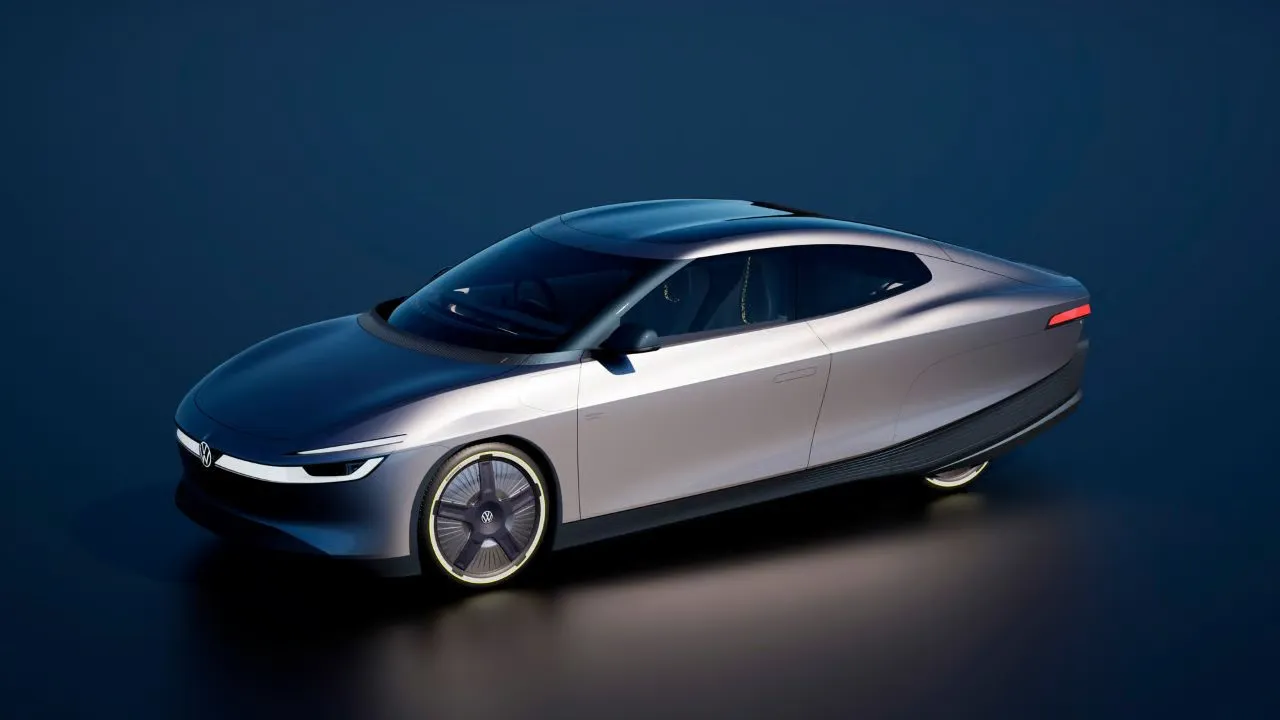
But... does that mean a consumer version will soon be available? Technically, it’s not impossible. The concept is road-legal and meets the requirements of European crash tests. The front end, the APP290 engine, or the prismatic batteries are already in the internal parts database, reducing costs.
Will we see a production version of the Mission Efficiency? It’s “not impossible,” says someone close to the project. It’s a possibility “that has never been completely ruled out,” adds an official statement. What if we called it Scirocco?
It’s a bit weak
Now, let’s get back down to earth.
You may have read about it in the press or on social media: the news coming from Wolfsburg is not good. This is evident in the planned staff reductions by 2030 or the restructuring of production capabilities to manufacture 9 million vehicles per year profitably. The Lower Saxony giant intends to reduce the number of models offered to consumers to levels closer to those of the 1990s. That’s fine for replacing or continuing models like the Golf, Polo, Tiguan, Elroq, or Formentor... But for others, it will be more difficult.
The Future Plan 2030 states: “Volkswagen Group will streamline its model portfolio by about 50% and reduce the complexity of its offerings by around 75%.” In short, there’s no longer room for niche models, as evidenced by the fact that the T-Roc convertible was not replaced. Under these circumstances, it seems highly unlikely that a specific model designed for efficiency would be created targeting our most hardcore readers (we kiss you).
Also read
Volkswagen ID.Polo review: A versatile city car… really?
In short, please excuse us—it was a bit of a shitty title… Well, not worse than some ads targeting naive people from China. Besides, who knows? Friends of the Hyundai Ioniq 28, lovers of the Xpeng P7+, admirers of the Tesla Model 3, fans of the Xiaomi SU7… If enough of you write to Volkswagen, you might just tip the scales in our favor.
Send your arguments on plain paper to VW Group’s CEO at the following address:
Oliver Blume
Volkswagen Group
Berliner Ring 2
38440 Wolfsburg
Germany
We’ll keep you updated.