
Volkswagen might rely on Chinese technology instead of Rivian in Europe
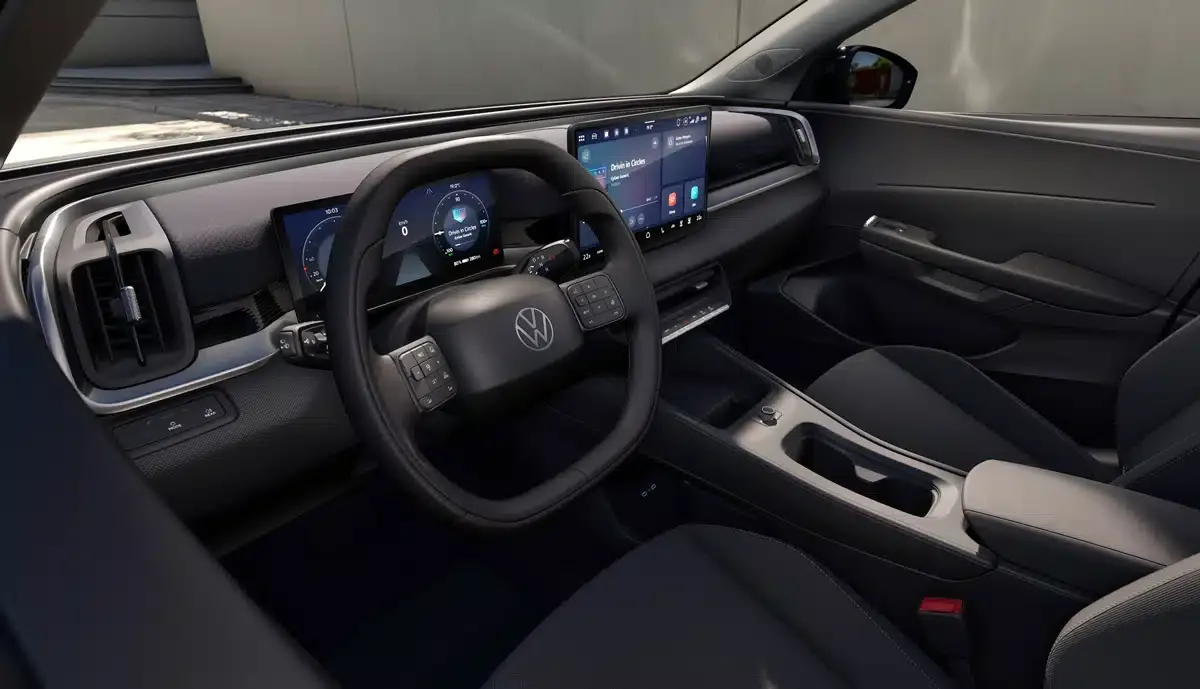
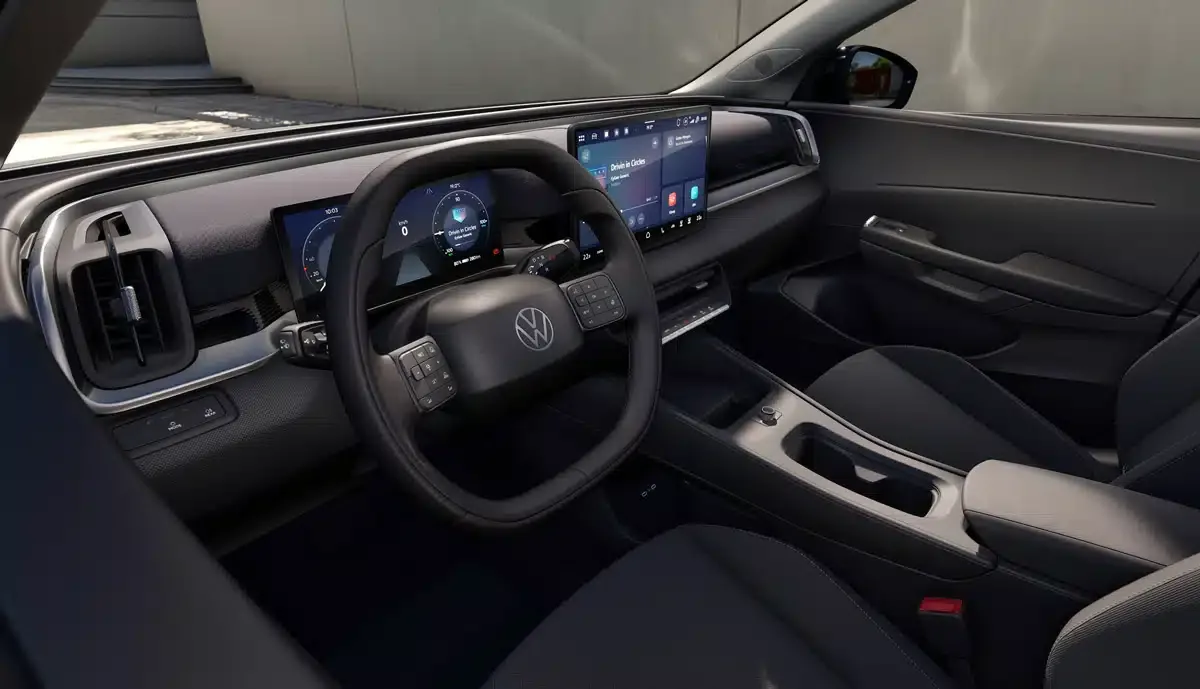
Image: VW (illustrative)
Volkswagen appears to be facing a crucial decision regarding its future software strategy. According to Manager Magazin, VW brand head Thomas Schäfer intends to adopt the CEA electronic and software architecture developed in China across Europe, thereby moving away from the technology currently used by its U.S. partner Rivian for most of its volume models. VW strategists estimate that the company could save between four and five billion euros by making this switch.
The China Electrical Architecture (CEA) is a zonal software and electronics architecture that is already being used in Chinese VW models, enabling features such as wireless software updates. In 2023, Volkswagen began developing its own software architecture in collaboration with the Chinese startup XPeng. Subsequently, VW’s Chinese development center VCTC and Cariad’s China branch expanded the XPeng architecture into the CEA for VW models. According to the company, Volkswagen now also holds the intellectual property rights for this architecture.
Schäfer is said to want to use this technology for future electric platforms SSP31 f and h, which are intended to cover vehicles larger than the Polo class, including models such as the anticipated ID. Golf and ID. Passat, as well as the next Škoda Enyaq. According to the report, an hour of development time at Rivian’s joint venture RVT costs roughly four times as much as at VCTC in Hefei, China. Even if Core’s automotive group fully funds the Rivian joint venture, strategists expect savings of at least three billion euros.
According to Manager Magazin, CEO Oliver Blume plans to use Chinese Volkswagen technology primarily in the People’s Republic of China and other export markets, while Europe and the U.S. are to be supplied with Rivian software. There are concerns within the board regarding adapting Chinese CEA to European regulations and the risks associated with its further development. Since Schäfer’s initiative did not initially lead to a change in the current strategy, he intends to bring the matter up again at the board meeting. The position of CFO Arno Antlitz is considered crucial in this regard.
Also interesting
About the author
Thomas Langenbucher is an expert in electromobility with professional experience in the automotive industry and finance sector. Since 2011, he has been covering electric vehicles, sustainable technologies, and mobility solutions for ecomento.de. Learn more.
Reader interactions