
Volkswagen ID.Tiguan 2027: We’ve already tested the successor to the ID.4!
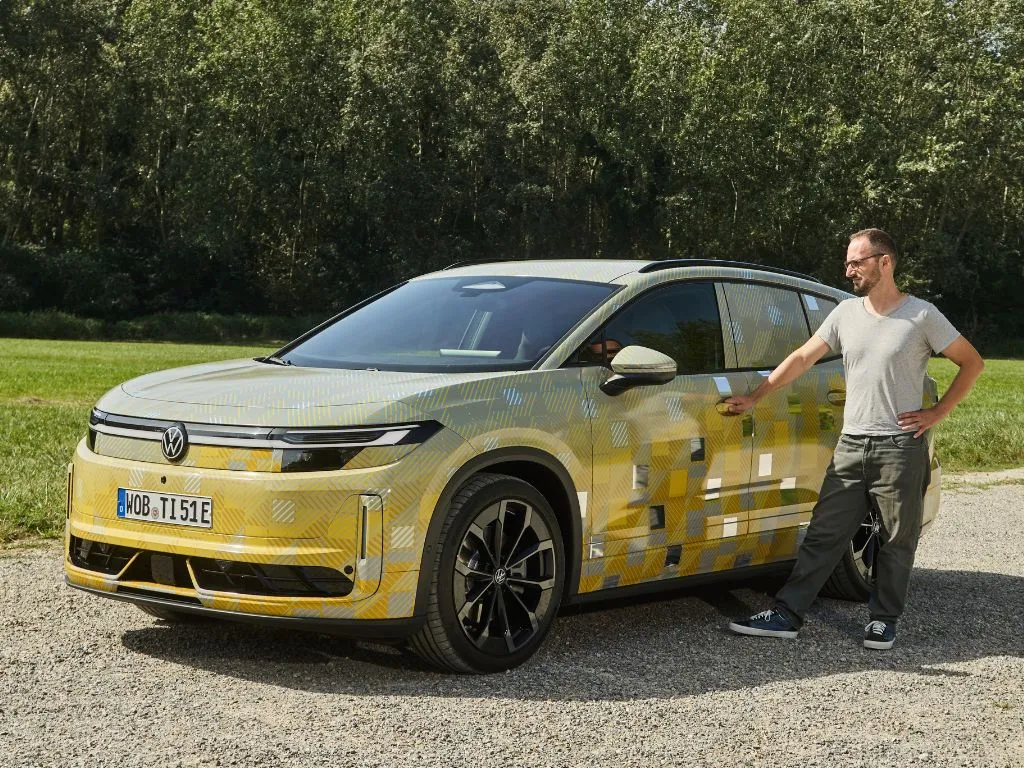
Volkswagen confirms the name change for its electric SUV: the ID.4 will be replaced by the ID.Tiguan. But this new name comes with significant aesthetic and technical improvements as well. We already got a chance to drive a camouflaged prototype with 299 horsepower just days before its full unveiling.
If the electric Polo is called Volkswagen ID.Polo, it’s not hard to guess the name of the successor to the compact SUV ID.4. It will be the ID.Tiguan, adopting a successful name that was introduced nearly 20 years ago in Volkswagen’s lineup. The German automaker is thus officially confirming what some industry insiders have speculated about for months.
In recent years, the thermal or plug-in hybrid Tiguan has sold 200,000 units annually on our continent. Over 8 million vehicles have been produced under this name. As a result, it can be seen on every corner, and the name is firmly ingrained in people’s minds. Yet it should have been simple to avoid confusion...
Major evolution
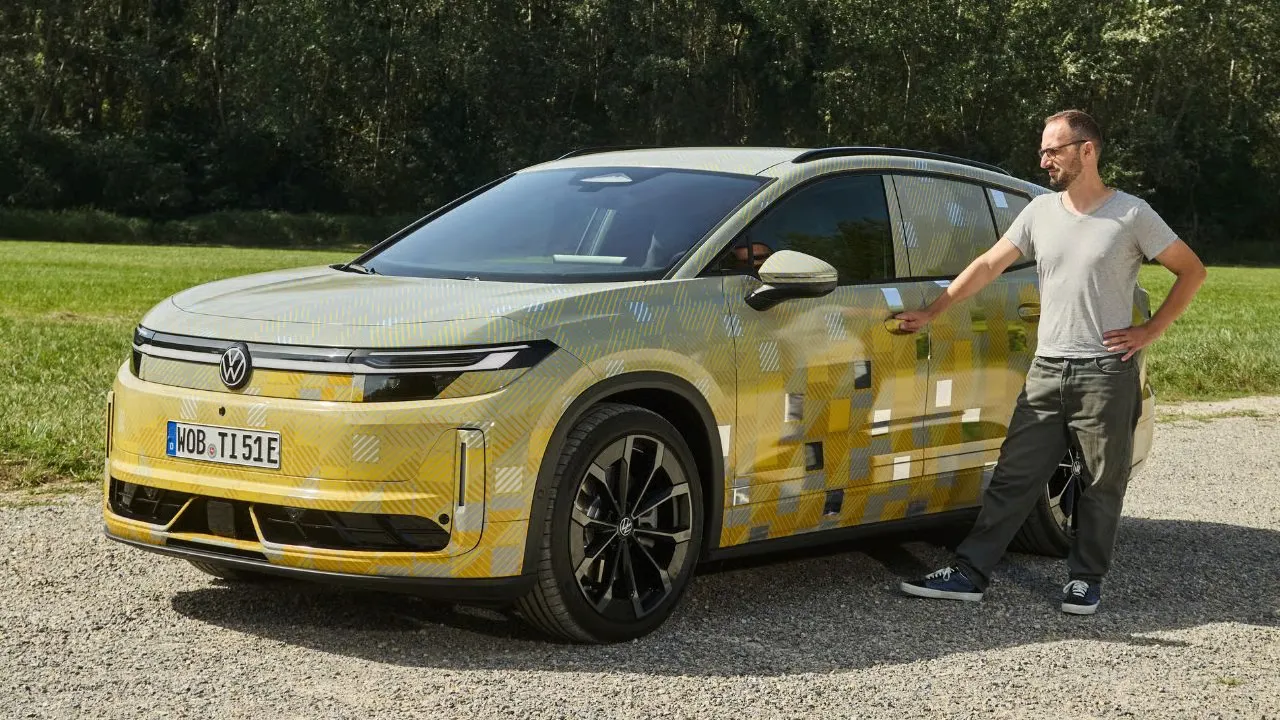
A revised ID.4 or a completely new model? Despite the camouflage, it’s easy to spot similarities with the electric SUV already in the lineup. It celebrated its 5th birthday this year. Let’s explore it together using the image below.
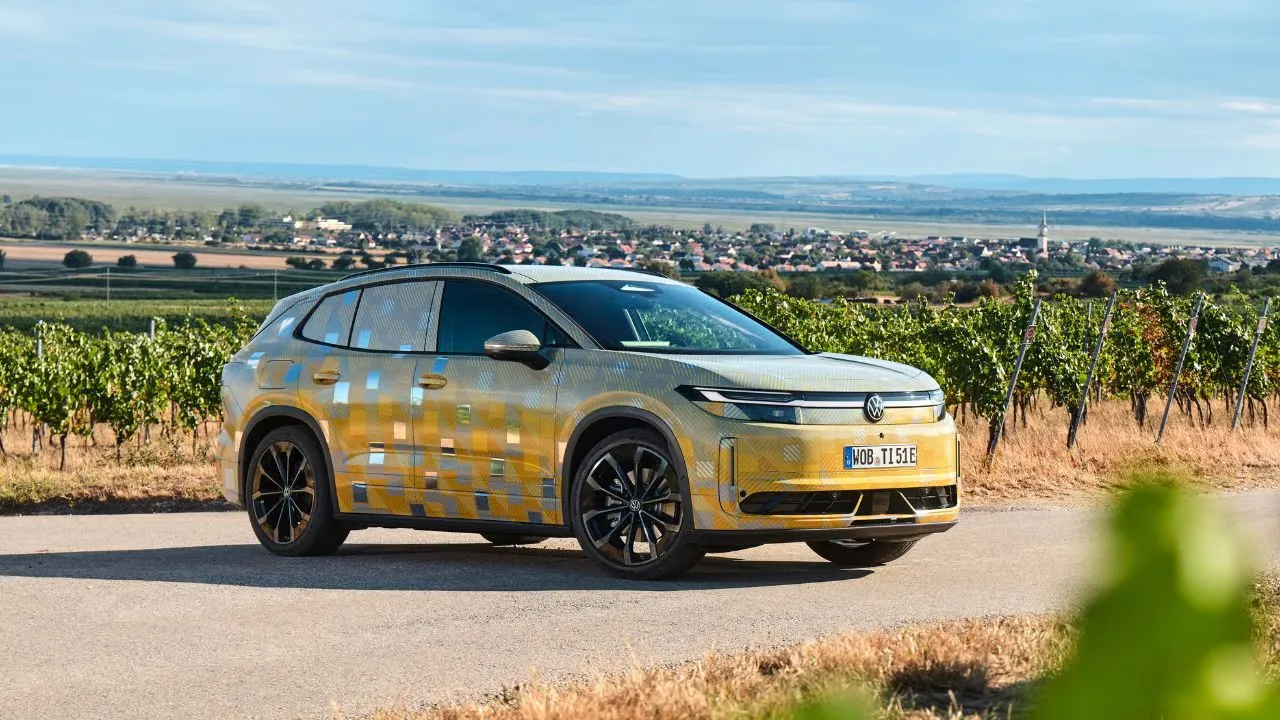
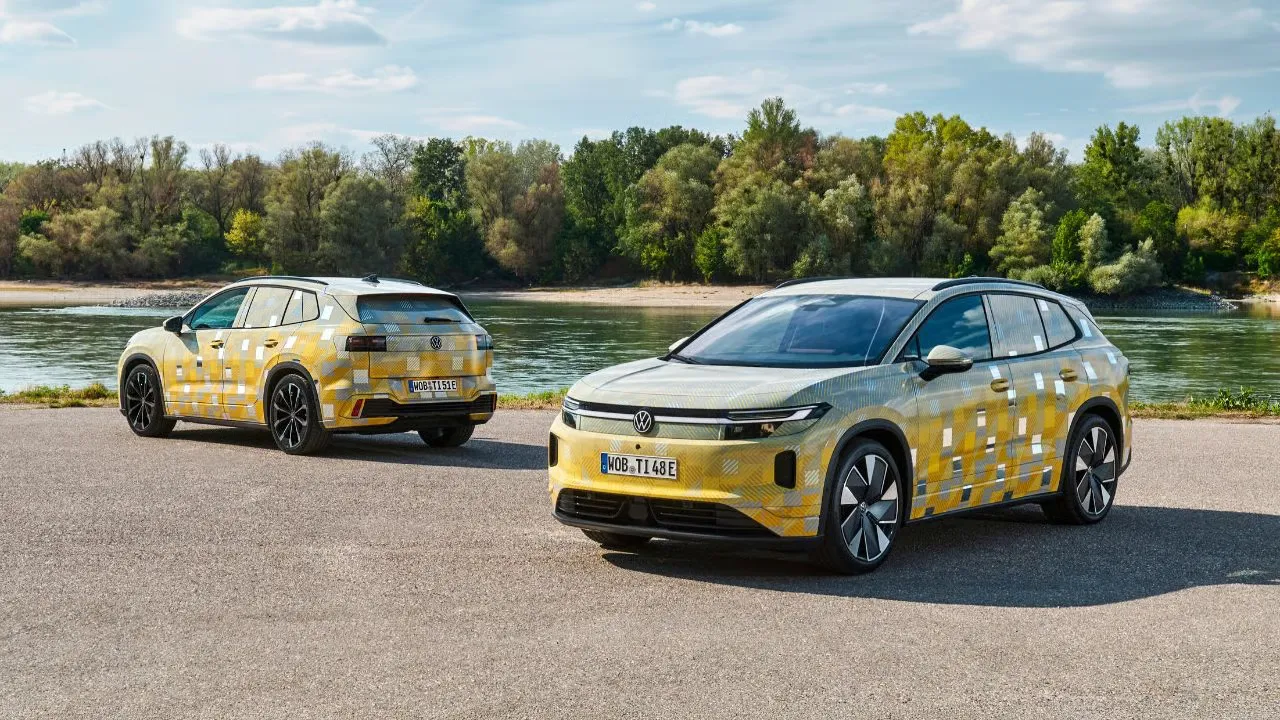
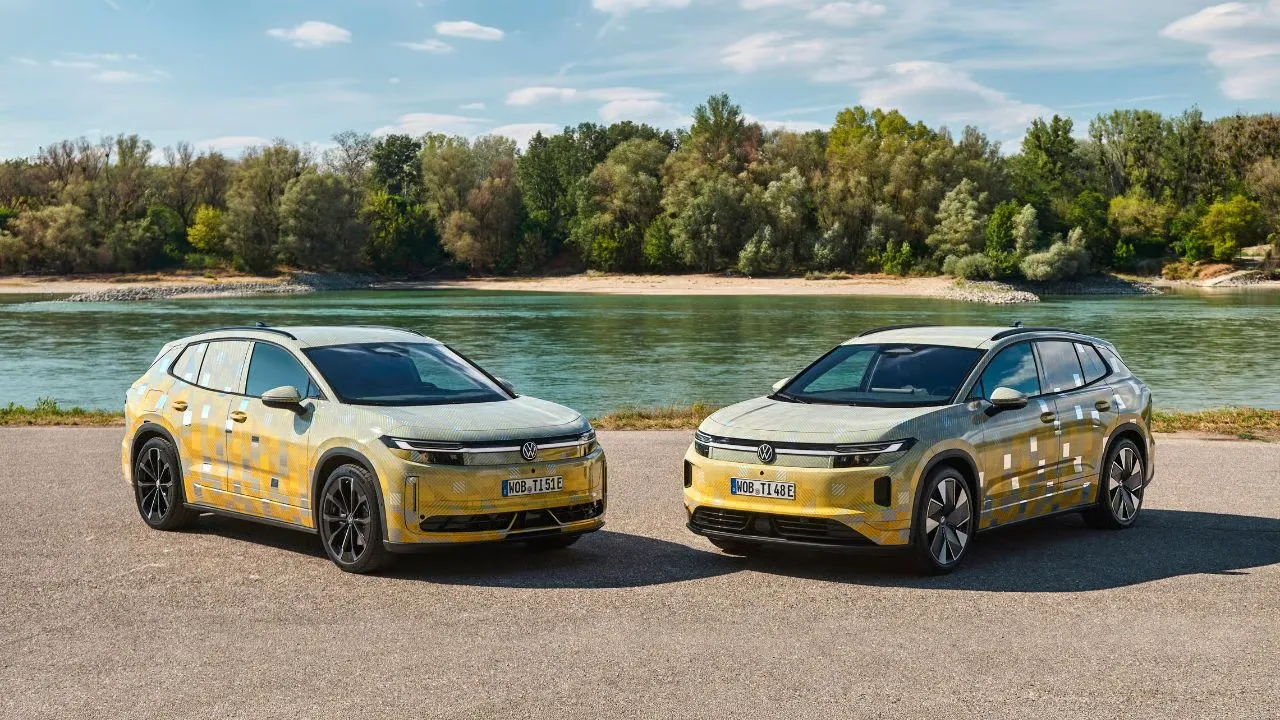
The high-mounted hood and highly sloped side panels of the ID.4 are still present. The windshield appears identical. The exterior mirrors have not changed. However, the front end is completely new: goodbye to the rounded design of the ID.4, replaced by a seemingly more geometric appearance, featuring redesigned grilles, headlights, and bumper. The wheel arches have been stretched out, and the C-pillar seems to have been redesigned as well. The door handles have also changed—solid grips replace the “aero” style closures.
First Kilometers
We also had the opportunity to drive a camouflaged version of it. This brief test drive, from Vienna Airport to the banks of the Danube, gave us our first impression of this ID.Tiguan in its 4-wheel-drive version with an estimated 299 horsepower.
While the SUV’s interior was covered by felt sheets, the overall shape of the dashboard appears to have changed. The instrument panel is also wider than that on the ID.4. The multi-plate steering wheel is similar to the one on the recent ID.3 Neo, with a few additional accents. It features buttons for activating various audio functions or the climate control. Additionally, there are “piano” style controls for heating or cooling. The center console also has a knob to turn the sound up or down.
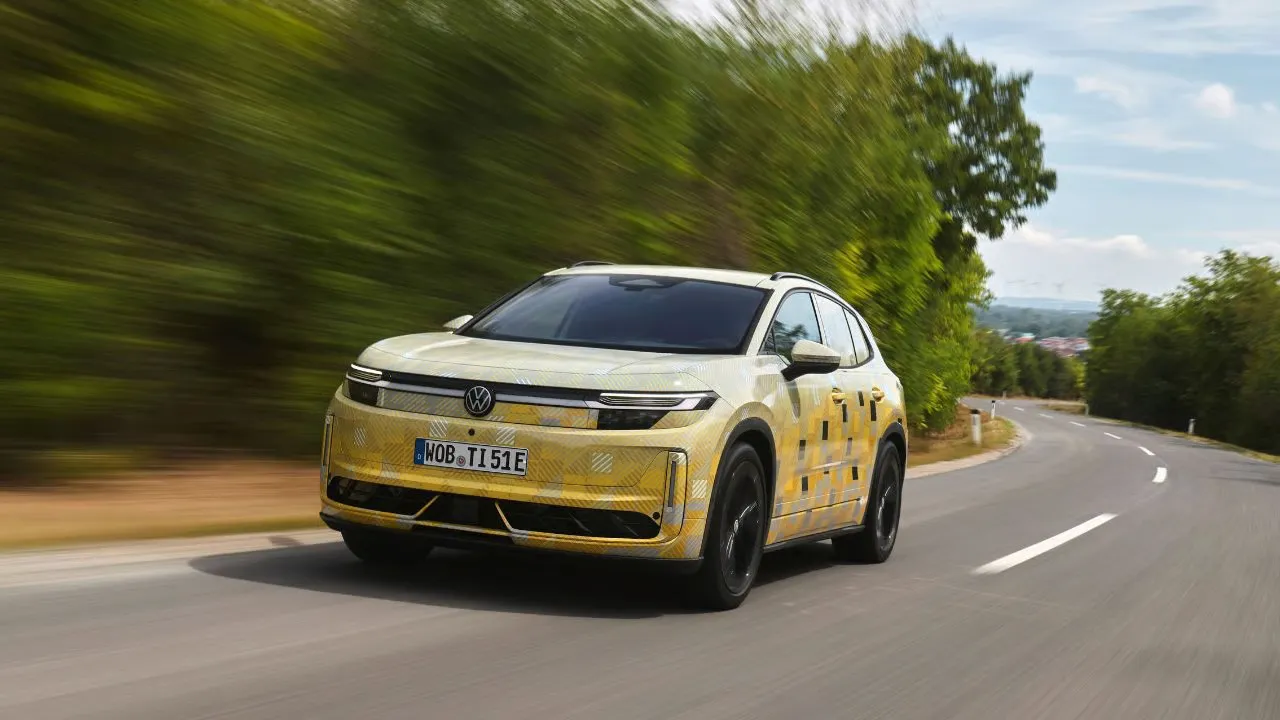
The vehicle departs smoothly, and the MEB platform once again showcases its strengths. Starting with an extremely tight turning radius for a vehicle of this size (10.3 meters on the rear-wheel-drive version and 11.6 meters on the four-wheel-drive variant). On a slightly bumpy road, the DCC adaptive suspension effectively absorbed the irregularities, even with 21-inch wheels (tires: Hankook Ion Evo EV). The sound insulation seemed very thorough, thanks to double-glazing and minimal road noise. This was already the case in the ID.4.
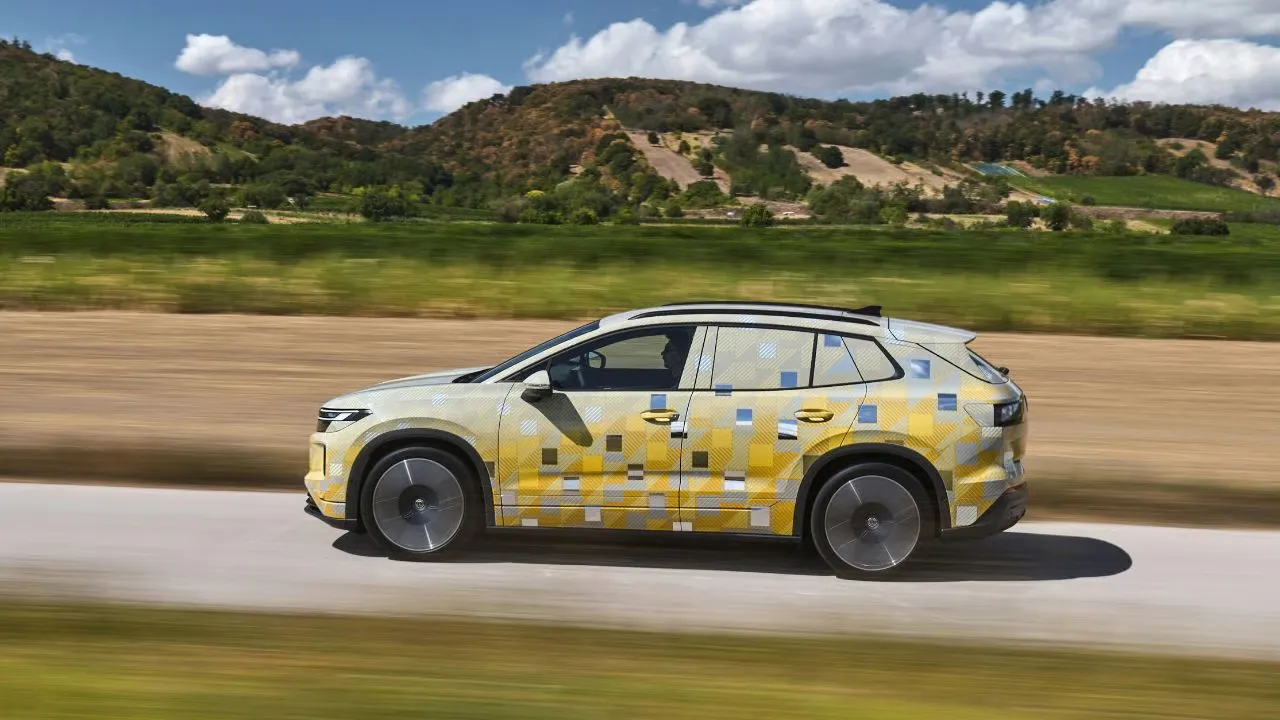
An indicative figure: at 80% load, the dashboard showed a remaining range of 359 kilometers. Our test vehicle was equipped with a 77 kWh battery. The nominal voltage will remain in the 400 volts range. The introduction of “800 volts” is expected with the rollout of the SSP platform at the end of the decade… on the highly anticipated ID.Golf.
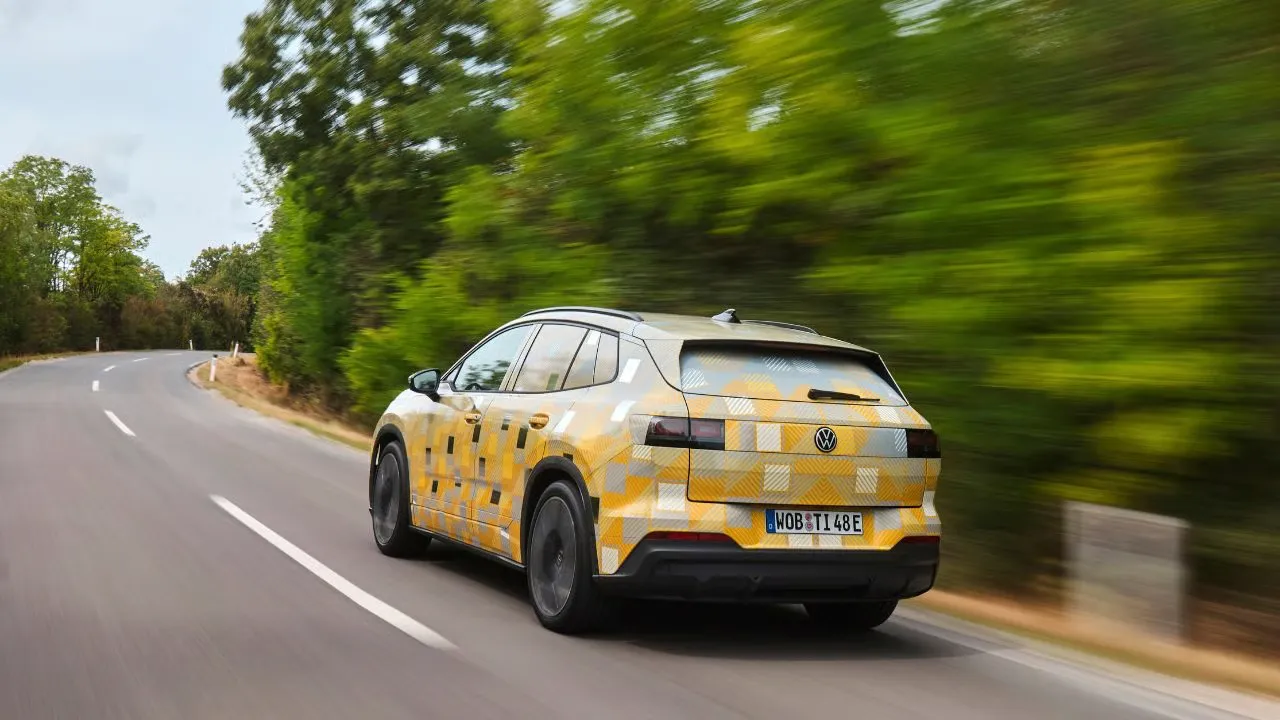
Technical confirmations
Meanwhile, VW has revealed the initial details of the technical specifications. The ID.Tiguan will be available with three powertrains offering 190, 286, and 299 horsepower. Two battery capacities will be offered: 58 and 77 kWh. This lineup is identical to that launched this summer for the 2027 model of the ID.4, featuring the new APP350 engine and entry-level lithium-iron-phosphate batteries.
Quick overview of the technical specs:
ID.Tiguan Pure
Power: 190 horsepower
Battery: 58 kWh (LFP)
Range: up to 450 km WLTP
Charging (peak): 105 kW
10 to 80% (fast charger): 26 minutes
ID.Tiguan Pro
Power: 286 horsepower
Battery: 77 kWh (NMC)
Range: up to 600 km WLTP
Charging (peak): 165 kW
10 to 80% (fast charger): 29 minutes
ID.Tiguan Pro 4MOTION
Power: 299 horsepower
Battery: 77 kWh (NMC)
Range: up to 560 km WLTP
Charging (peak): 165 kW
10 to 80% (fast charger): 29 minutes
The range is approximately 20 km higher compared to the currently available SUV. As for price, let’s recall the current pricing of the ID.4 offered in the market:
ID.4 price in 2026
From 42,000 to 55,600 euros excluding options
To learn more about its design and all official details on the ID.Tiguan, we’ll have to wait until October 9.
Tiger + iguana
The name Tiguan is a combination of Tiger and Leguan (meaning iguana in German). A first concept car with this name was unveiled in 2006.
The first series-produced Tiguan was the second domestic SUV after the Touareg. It is unclear whether using “T” as a marker for SUVs was part of the original plan or an addition made later.
Other names were also considered, such as Nanuk or Rockton. The latter likely found a new life in the T-Roc, as a “T” was needed. You can imagine ID.Nanuk and ID.Rockton...