
Volkswagen ID.3 Neo GTI: Everything you need to know about the powerful electric compact car
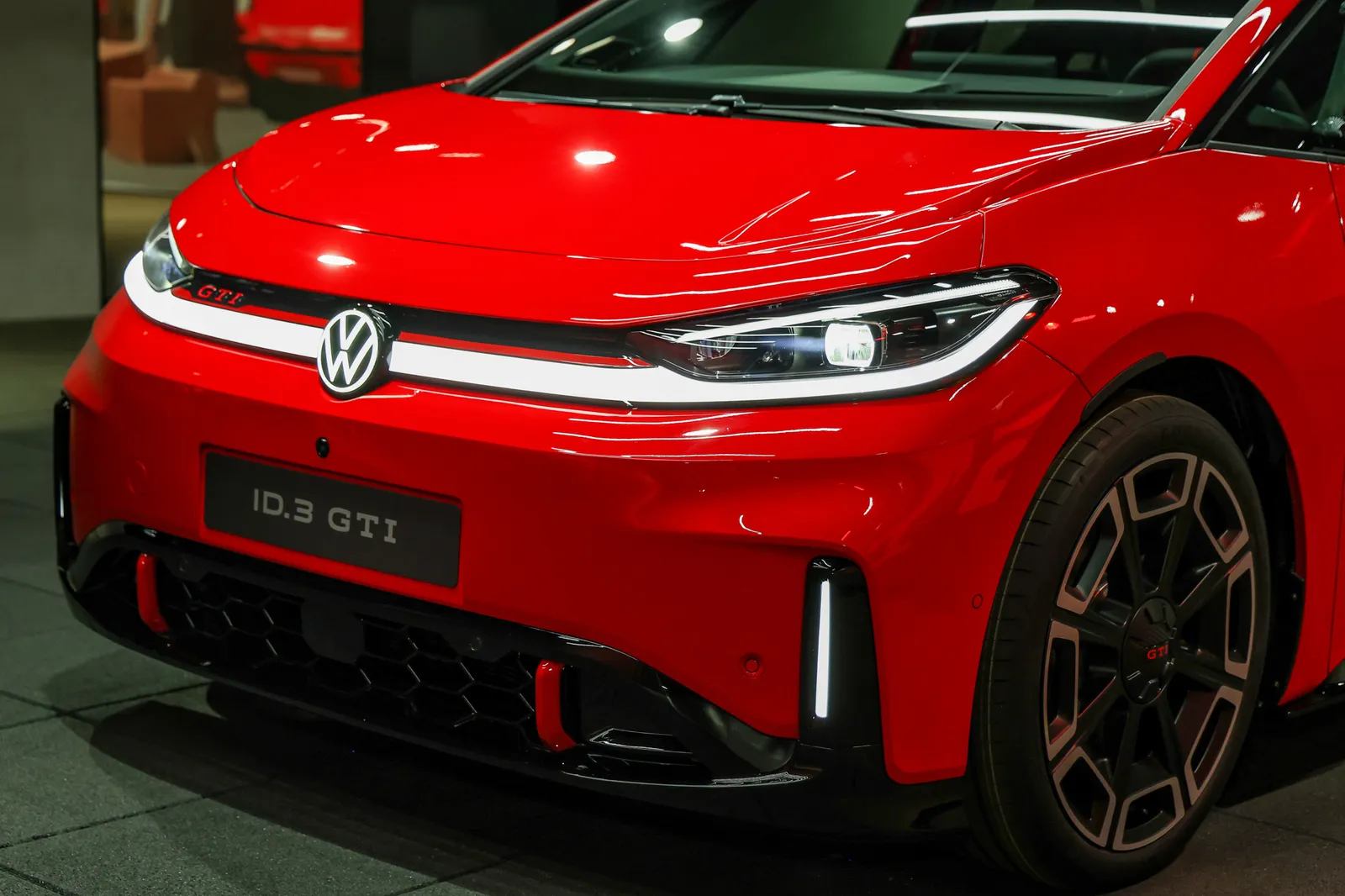
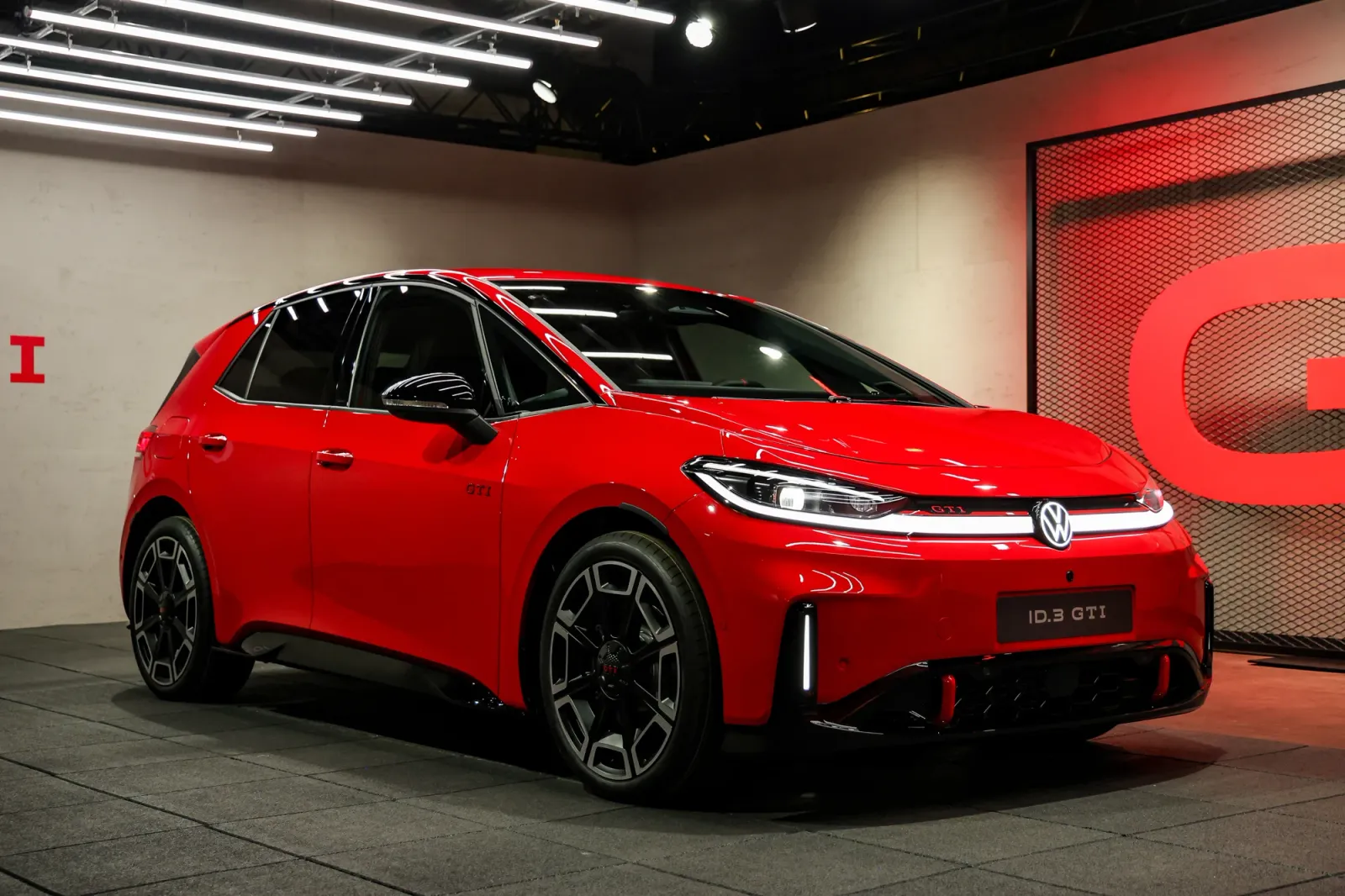
Volkswagen officially unveils the most powerful GTI model across all generations. Exterior design, interior finish, performance specs, and features: our visual overview of the Volkswagen ID.3 GTI.
Continued and final part of the extensive “True Volkswagen” series, where we’ve been introducing its models to you over the past few months! After the impressive ID Polo GTI, we’re finally discussing the latest model: the Volkswagen ID.3 GTI. It’s a highly enhanced version of the new ID.3 Neo, positioning itself as the most powerful GTI in history. This version features a sporty design for the second restyle of the sedan, with specialized handling but familiar technical specifications. Is that enough to attract fans of these iconic three letters? Possibly. After all, over 78,000 ID.3 units were sold last year. Our first encounter with the Volkswagen ID.3 GTI.
Volkswagen ID.3 GTI in terms of style: neo-nostalgia
The ID.3 was the first model on the MEB platform in 2019, and it underwent its first restyling in 2023. For this second update (yes, it’s phase 3!), the electric sedan is also available in a GTI version. It features a cleaner front end, now complete with a more aggressive and intricately designed bumper. The same applies to the rear, where a diffuser adds intensity to the lower section. From the side, the silhouette remains unchanged.
The sedan stands out through details inspired by historical models. Starting with the red strip between the front headlights. Enthusiasts will also recognize the “Wörthersee” wheels, which reinterpret those from the GTI Pirelli. Otherwise, there are a few GTI badges on the grille, underbody, and trunk lid—that’s all for the exterior. It’s a subtle return to roots that will surely please Golf GTI fans.
But the most striking feature is undoubtedly the historic Tornado Red livery of the original GTI! Simply put, it adopts the Pure Positive design language with some iconic details. Otherwise, the Volkswagen ID.3 GTI retains the proportions of the Neo model it is based on. Its dimensions are 4.39 meters long (+1 cm), 1.80 meters wide, and 1.56 meters high (+1 cm). The wheelbase of 2.76 meters also takes advantage of the MEB+ platform to ensure optimal interior space.
There are no changes either in the trunk capacity, which remains between 385 and 1,267 liters. This GTI is equipped with 20-inch wheels. Just like the electric Polo GTI, its overall style is gentle and refined, with a few sporty touches here and there. It’s obviously far from the much more aggressive styling of its traditional gasoline-powered GTI predecessors.
Inside: a much more GTI-like experience!
The Volkswagen ID.3 GTI stands out even more inside the cabin. With its stitching, sport seats inspired by traditional Scottish tartan, and the zero-marking on the steering wheel, red takes center stage. The “sport” theme enhances the interior of the Neo, whose design was already highly praised. Four window lift buttons, physical controls on the steering wheel, a multimedia knob on the center console—same layout, just with more character.
As regular readers know, I’m not a big fan of the shiny “black piano” finish everywhere. And even less so of 100% touch controls with unreliable haptic feedback. Those who prefer physical buttons and direct access to climate controls can rest easy. It features a simple and efficient ergonomics design, similar to that found in the new ID Polo. The only slight difference is a GTI button on the steering wheel that activates the corresponding driving mode.
It features active ambient lighting and driving mode settings. The customizable 10.25-inch display and 12.9-inch touchscreen are now familiar features. With its retro interface inspired by the original 1974 Golf, it offers a smooth, readable, comprehensive experience that’s also pleasing to the eye. The interior of this Volkswagen ID.3 GTI uses high-quality materials, with padded surfaces and textile trims on the doors. The ambient lighting is seamlessly integrated and sufficient to add a touch of personalization to the cabin.
The “GTI” comfort level seems promising, with a good seat fit and more pronounced side supports for the front sport seats. Comfort and space in the rear side seats are also satisfactory, along with sufficient headroom. However, the fairly steep seat back forces us to lift our knees, which can be uncomfortable for some. Lastly, the middle passenger will have to deal with the usual stiff central armrest.
Performance and Range: From GTX to GTI
This is ultimately the aspect that changes the least, if at all. The Volkswagen ID.3 GTI relies on the MEB+ platform and remains a front-wheel-drive vehicle. The electric sedan is equipped with an APP550 engine (Axial Parallel Position, 545 Nm) delivering 240 kW / 326 horsepower. Sounds familiar? That’s because its technical specifications are exactly the same as those of the ID.3 GTX.
This is indeed the most powerful GTI in history. It was previously simply called GTX. It’s worth noting that it has 1 extra horsepower over the Golf GTI Edition 50. In terms of performance, it accelerates from 0 to 100 km/h in 5.6 seconds and reaches a top speed of 200 km/h. As for dynamics, the adaptive DCC sports chassis continuously adjusts the suspension.
Finally, the Volkswagen ID.3 GTI is powered by a large 79 kWh NMC battery. This ensures an estimated range of up to 601 km, along with fast charging at 183 kW, allowing it to reach 80% charge in just 29 minutes. These figures are identical to those of the Volkswagen ID.3 GTX. It’s worth noting that the ID.3 Neo also comes equipped with this battery in its top-tier “Style” version. With a maximum power output of 231 hp and 350 Nm of torque, it boasts an estimated range of up to 630 km (WLTP). Lower trims use batteries of 50 or 58 kWh, both charged via 105 kW DC.
Volkswagen ID.3 GTI: What’s the price?
As the epitome of fan service, the Volkswagen ID.3 GTI adopts certain historical elements from the German compact sports car. Now fully electric, the manufacturer hasn’t disclosed any pricing at this time, but the electric sedan will be unveiled at the 2026 World Motor Show. In the meantime, a Cupra Born VZ with a similar powertrain retails for 46,170 euros. Thus, we can expect a similar price point, below 50,000 euros. After all, the ID.3 GTX Performance still starts at 47,990 euros on the configurator. But will its style be enough to convince enthusiasts of this genre? We’ll find out fairly soon by tracking order trends ahead of its launch in spring 2027. What do you think?