
Volkswagen ID. Tiguan vs Kia EV5, a competition between spacious electric SUVs
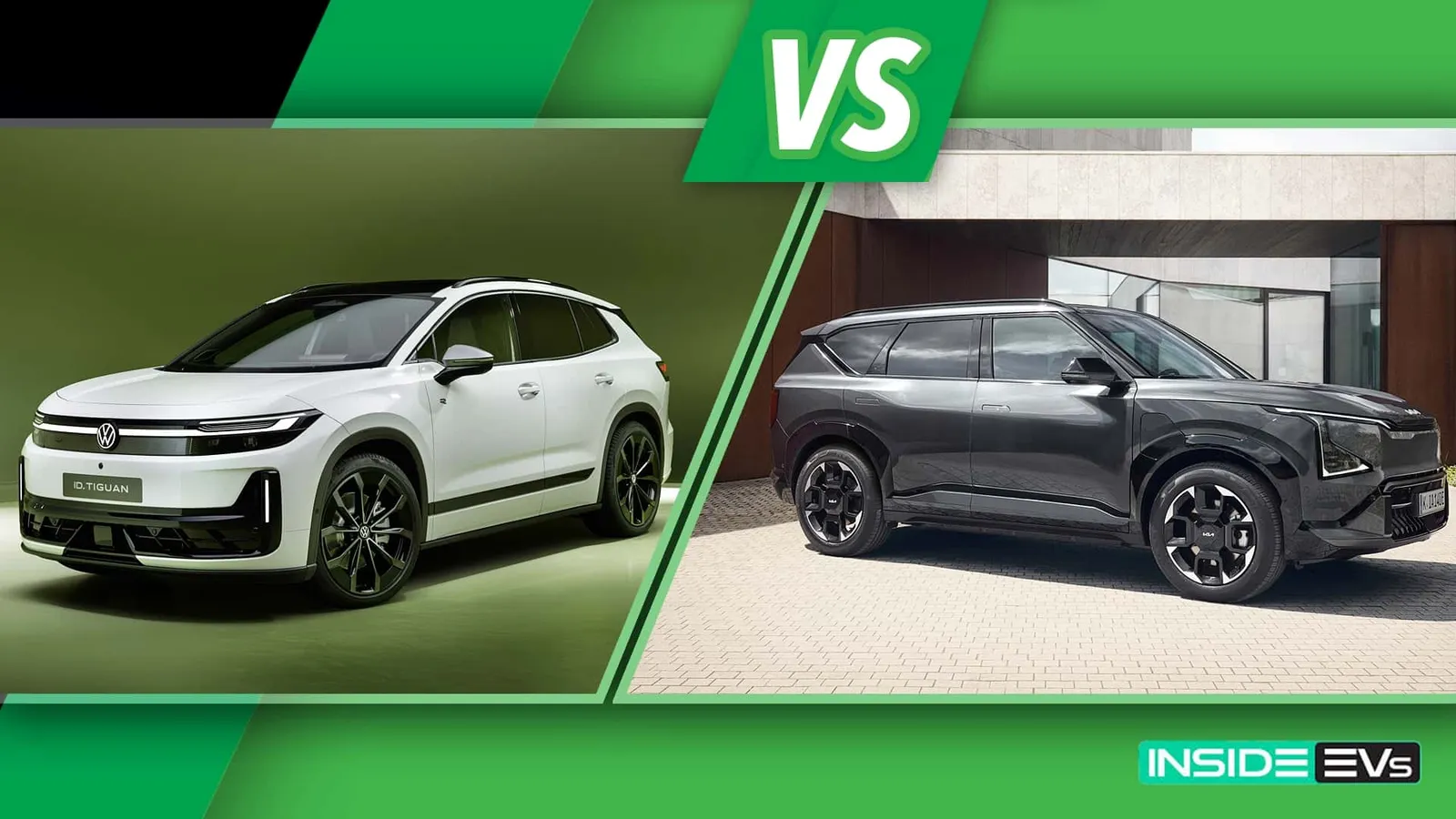
The segment of mid-size electric SUVs is expanding with two new models that emphasize space, technology, and range: the new Volkswagen ID. Tiguan and the Kia EV5.
Both are designed to meet the needs of families and those seeking zero-emission vehicles suitable for both daily commuting and longer trips. The two vehicles share very similar exterior dimensions, spacious interiors, and comprehensive technology packages, but they approach the concept of electric SUVs in different ways.
Exterior
Dimensions are one of the first features that bring these two vehicles together. The ID. Tiguan is 4.62 meters long, 1.86 meters wide, and 1.62 meters tall, with a wheelbase of 2.77 meters. The EV5 is 4.61 meters long and has a wheelbase of 2.75 meters.
However, proportions don’t tell the whole story. The ID. Tiguan abandons some of the ID.4’s crossover appearance—replacing it in the lineup—to take on a more robust SUV look. The front features a transparent strip that integrates the LED lighting modules, nicknamed “Aquarium,” while the bumper with its solid surfaces helps make the hood appear more imposing. At the rear, an LED lighting strip runs across the trunk, emphasizing the geometric design of the body. Aerodynamics have been improved, with a claimed drag coefficient of 0.26.
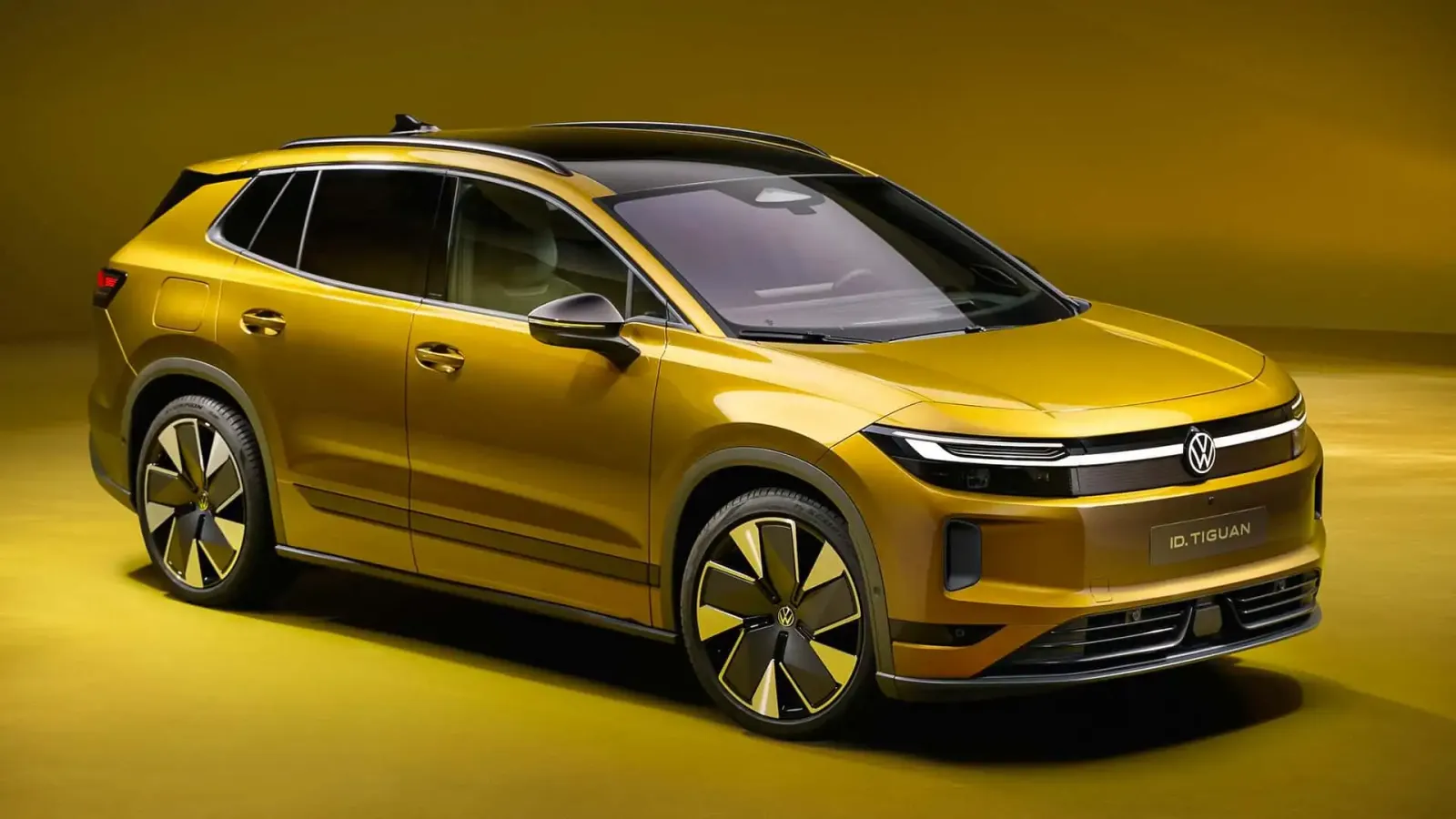
Volkswagen ID. Tiguan (2027)
Photo by: Volkswagen
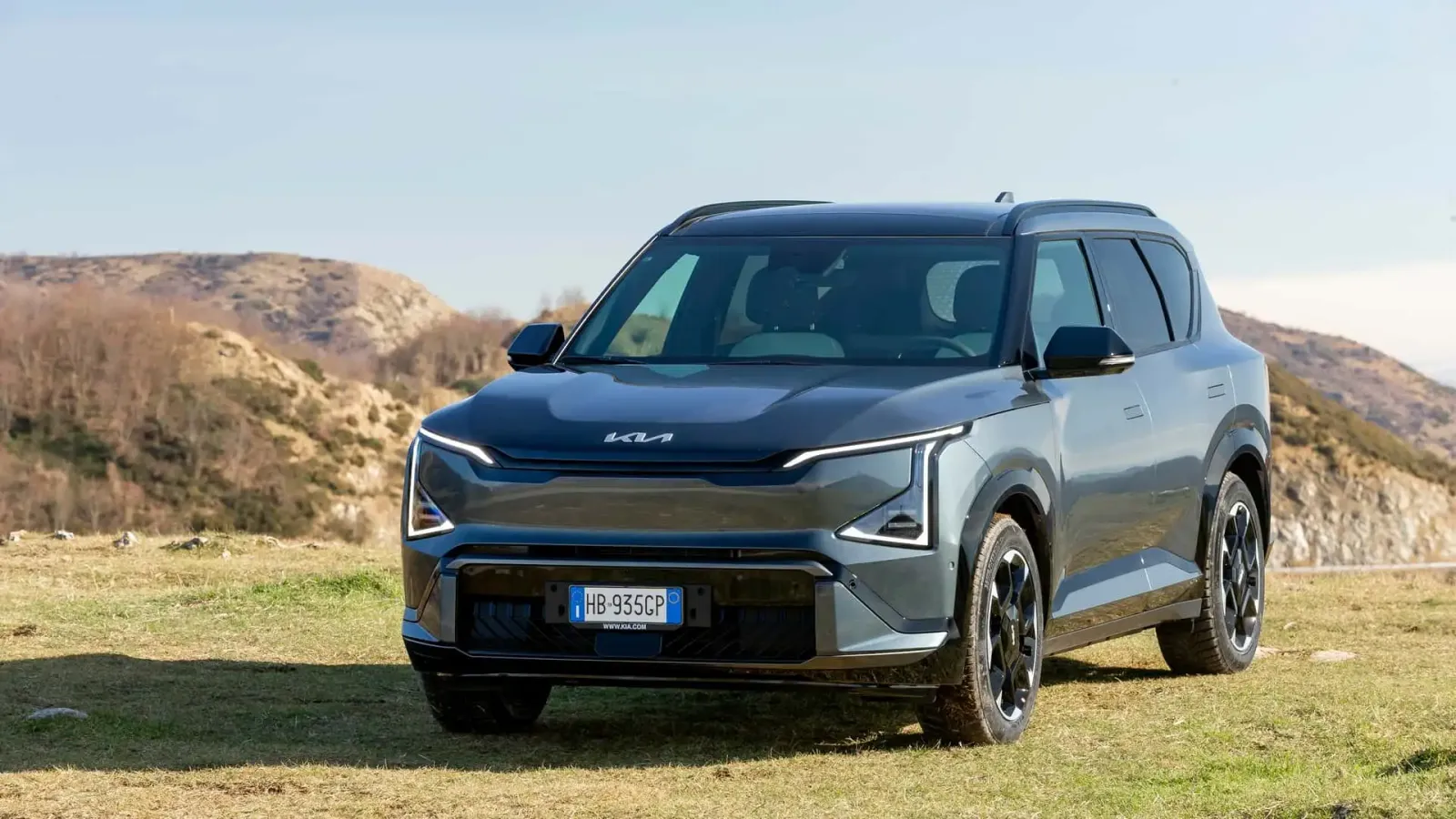
Kia EV5
Photo by: Kia
The EV5 also features angular designs consistent with the brand’s “Opposites United” styling philosophy. The front end is dominated by thin LED headlights and a large lower air intake framed by a gray element reminiscent of off-road protections. Prominent plastic-covered wheel arches emphasize the vehicle’s muscular appearance, while the rear features minimalist lighting units that contribute to a modern and recognizable look.
Model
Length
Width
Height
Wheelbase
Volkswagen ID. Tiguan
4.62 m
1.86 m
1.62 m
2.77 meters
Kia EV5
4.61 m
1.88 m
1.68 m
2.75 meters
Interior
Volkswagen has completely redesigned the interior of the ID. Tiguan, aiming for a setup that combines traditional functionality with digitalization. The dashboard is dominated by a large array of screens: a 10-inch Digital Cockpit, a 15-inch central infotainment display, and optionally a 12-inch screen for the front passenger.
Volkswagen has also retained several physical controls, located on the steering wheel, in the climate control area, and on the volume knob.
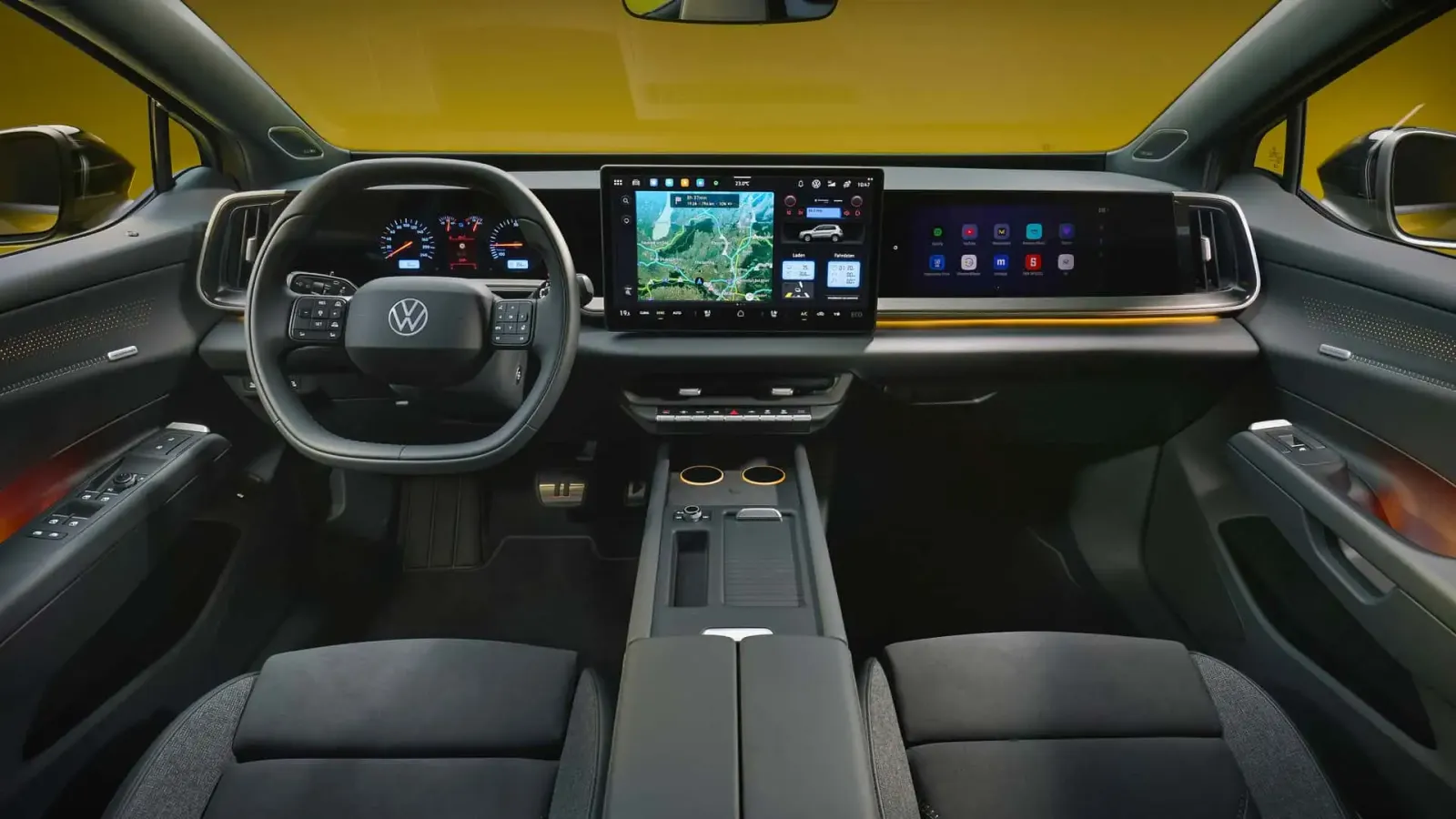
Volkswagen ID. Tiguan (2027), interior
Photo by: Volkswagen
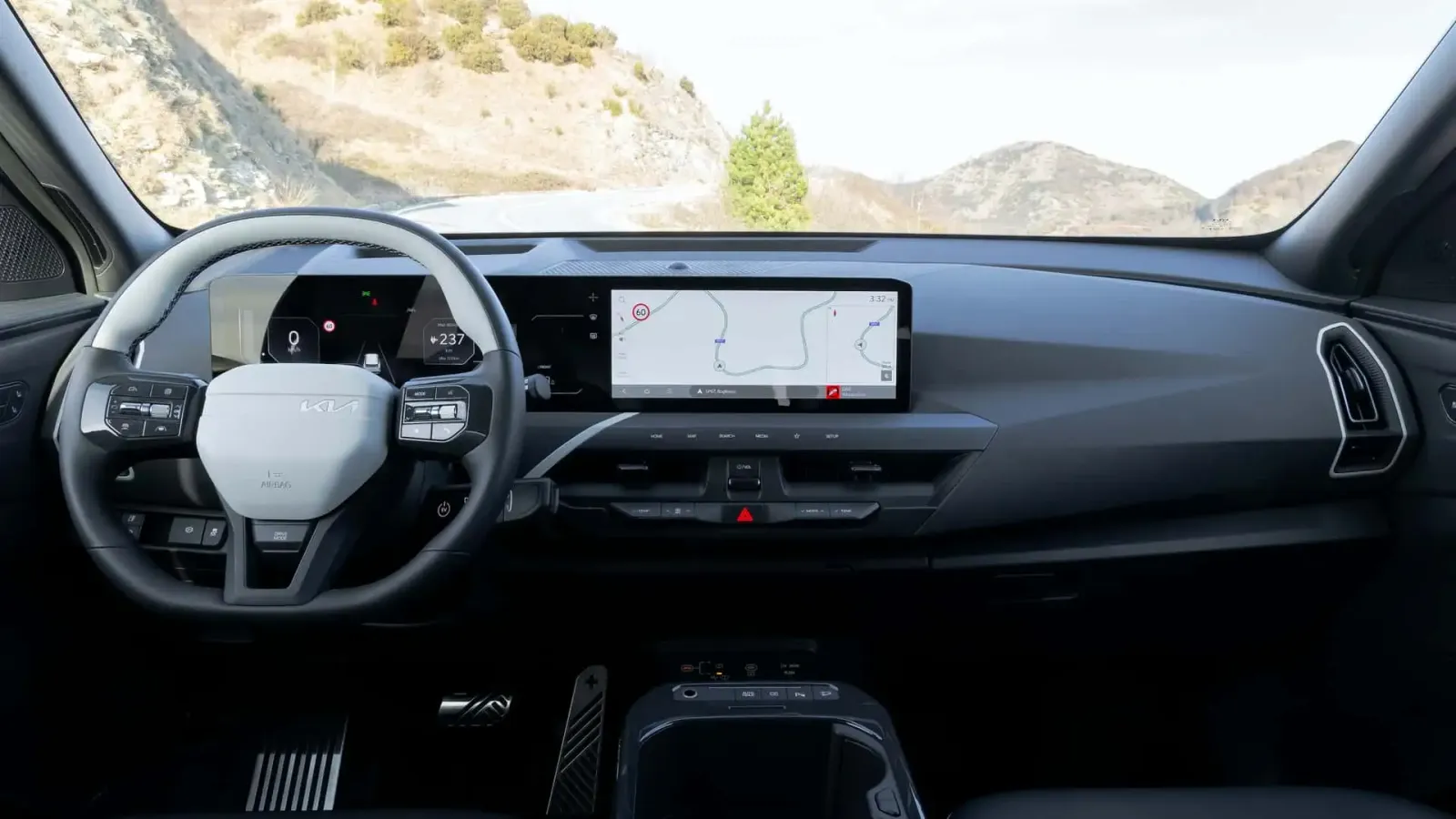
Kia EV5, the interior
Photo by: Kia
Kia adopts a similar digital layout, but with a front panel that combines three displays: a 12.3" instrument cluster, a 5.3" screen for climate control, and a 12.3" infotainment screen. Physical controls for climate management are also retained here, which is useful for minimizing distractions while driving. Depending on the trim level, it may include a 12" head-up display—also available on the ID. Tiguan—as well as a Harman Kardon audio system.
Regarding interior trims, Volkswagen uses higher-quality materials compared to the earlier generations of the ID. family, alternating between soft surfaces and stiffer plastics in areas less exposed to contact. Kia offers generally soft materials, and on the GT-Line, it provides specific finishes and color combinations that help enhance the perceived quality.
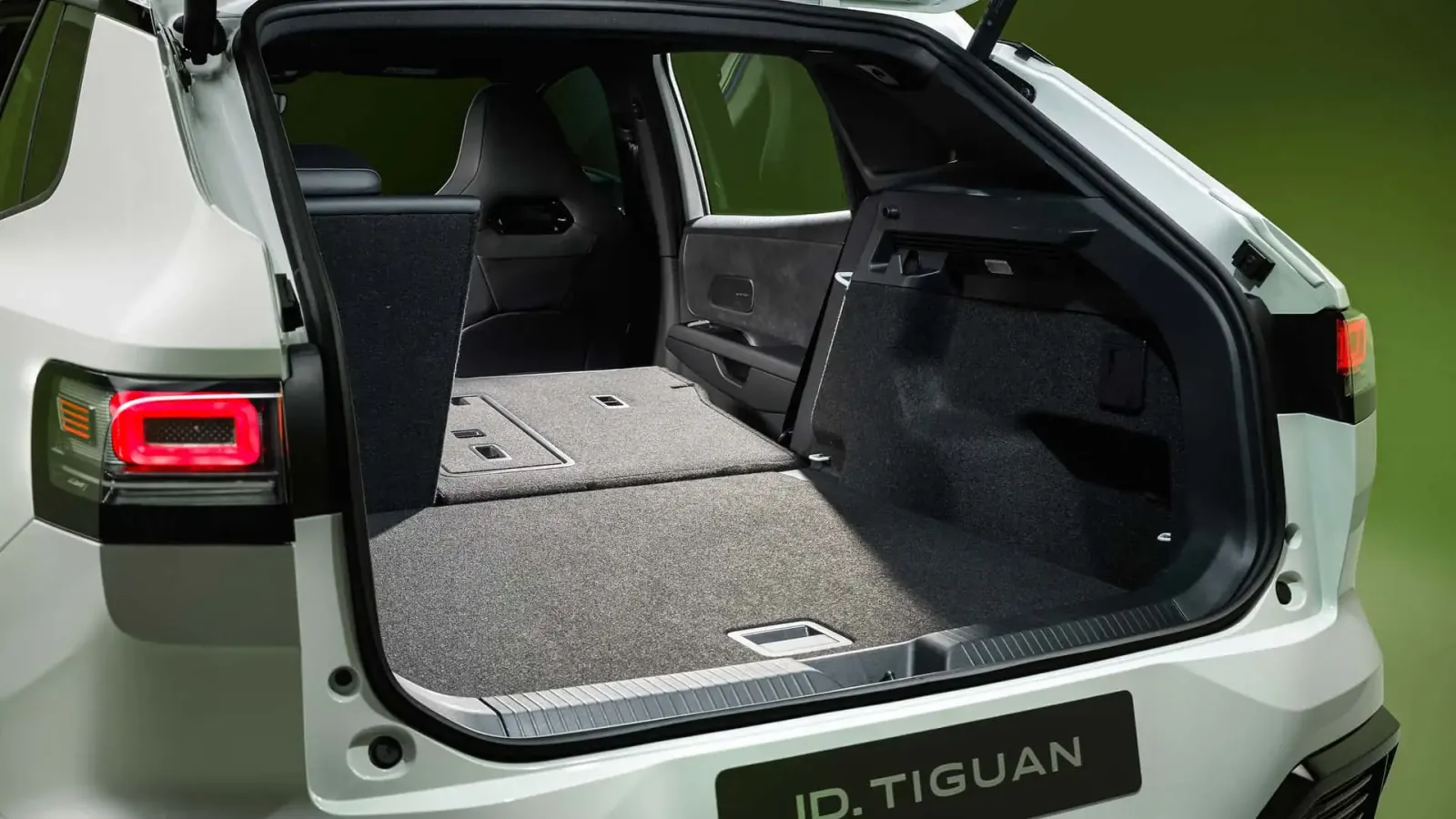
Volkswagen ID. Tiguan (2027), the trunk
Photo by: Volkswagen
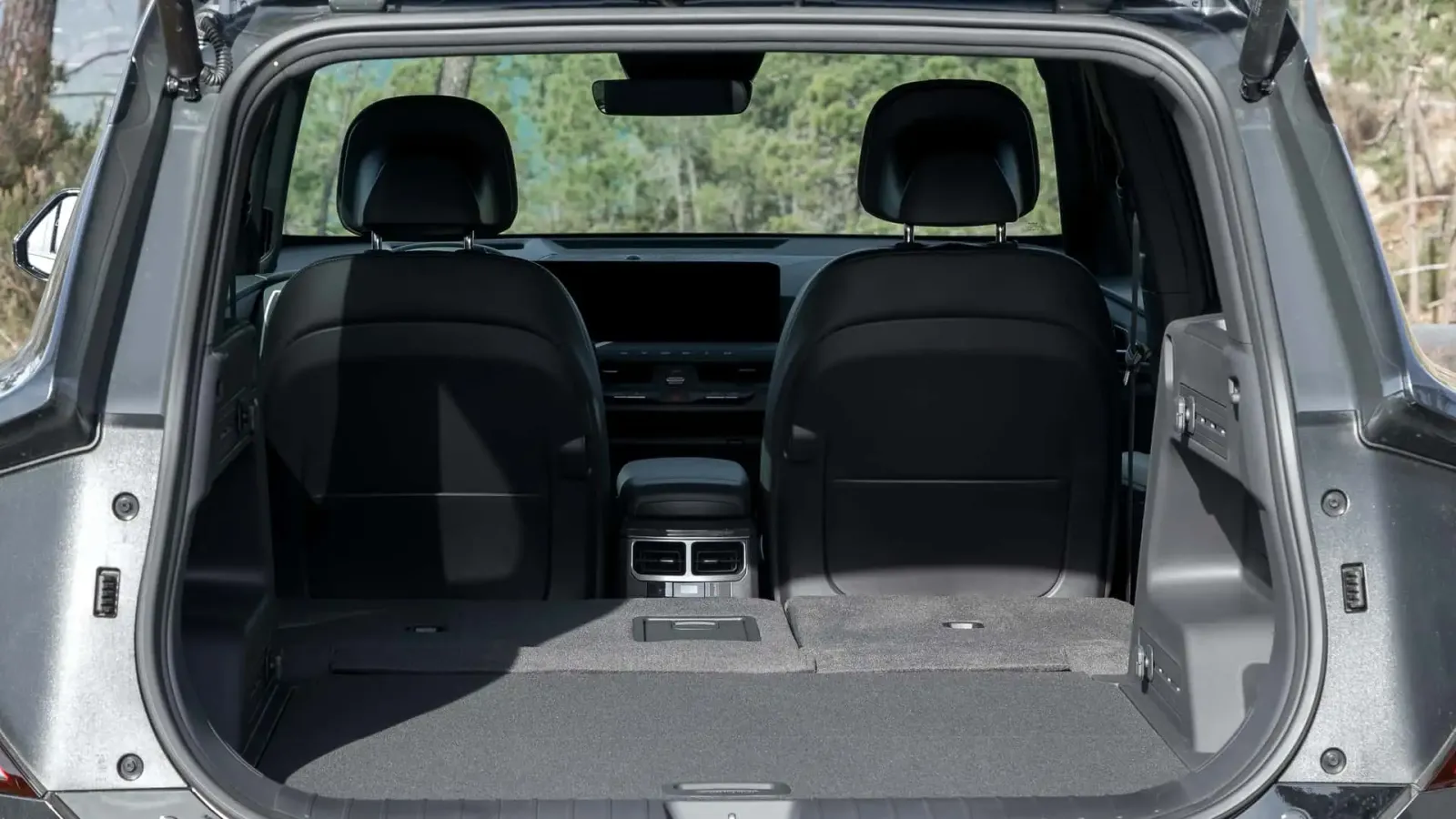
Kia EV5, the trunk
Photo by: Kia
The Volkswagen ID. Tiguan has a trunk capacity of 534 liters, which increases to 1,577 liters when the rear seats are folded down. In addition, it features a front storage area of 32 liters, useful especially for storing charging cables.
The Kia EV5 offers a trunk space of 566 liters, rising to 1,650 liters with the second row folded down. It also has a front compartment of 44 liters.
Model
Digital dashboard
Center display
Trunk capacity
Volkswagen ID. Tiguan
10"
15" (+12" for the passenger)
534/1,577 liters + frunk 32 liters
Kia EV5
12.3"
12.3"
566/1,650 liters + frunk 44 liters
Engines
The German SUV uses the MEB+ platform, an evolution of Volkswagen Group’s MEB electric architecture. The lineup includes two battery options, 58 and 77 kWh, with power outputs ranging from 190 to 299 horsepower.
The entry-level version features a 58 kWh LFP battery paired with a 190 HP rear electric motor. The claimed range is 450 km on the WLTP cycle, with a 0-100 km/h acceleration time of 8.5 seconds and a top speed of 160 km/h. Upgrading to the higher trim brings a 77 kWh NMC battery combined with a 286 HP rear motor. In this configuration, the ID. Tiguan accelerates from 0 to 100 km/h in 6.6 seconds, reaches a top speed of 180 km/h, and promises a range of up to 600 km. Depending on the configuration and specifications provided for the range, the maximum claimed range can reach 605 km.
At the top of the range is the 4MOTION version, which has two electric motors and all-wheel drive. The total power is 299 HP, the 0-100 km/h acceleration time drops to 6.3 seconds, and the claimed range is 560 km. The top speed remains at 180 km/h.
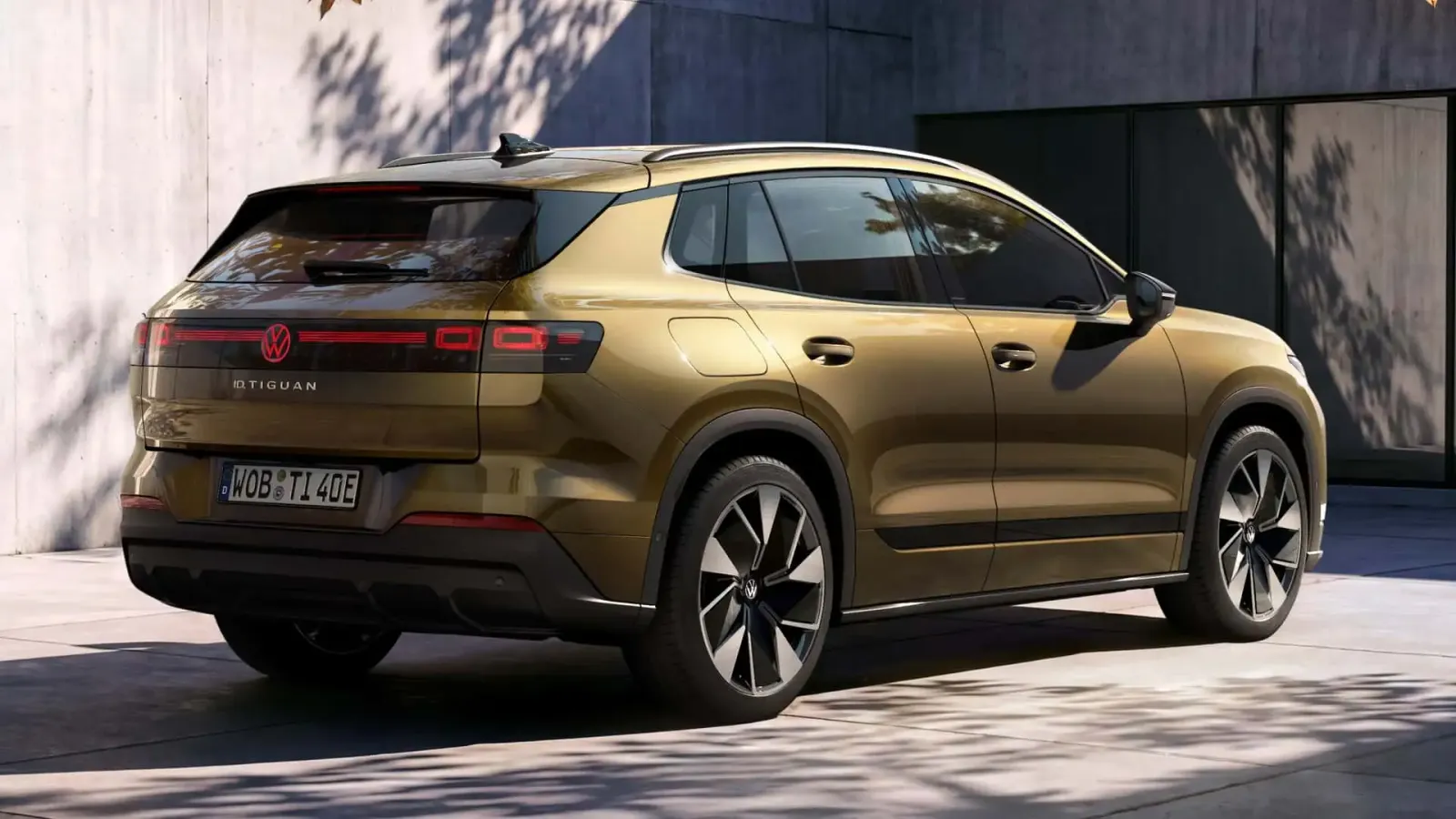
Volkswagen ID. Tiguan (2027)
Photo by: Volkswagen
Kia EV5
Photo by: Kia
The 58 kWh LFP battery features a chemistry that handles frequent 100% charge cycles better, while the 77 kWh NMC battery prioritizes higher energy density. For DC charging, the maximum rated power is 105 kW with the smaller battery and 165 kW with the 77 kWh battery. In both cases, it takes approximately half an hour to charge from 10% to 80%: 26 minutes for the 58 kWh battery and 29 minutes for the 77 kWh battery.
The EV5 uses a single 81.4 kWh battery and, in the base configuration, an electric front motor producing 217 HP and 295 Nm of torque. Thus, it features front-wheel drive, while the top-tier model is the GT, which has dual motors for a total of 306 HP, along with the “virtual” transmission called Virtual Gear Shift.
The maximum claimed range is 530 km under the WLTP cycle for the entry-level model and 476 km for the GT.
AC charging reaches 11 kW, while DC charging has a maximum power of 150 kW. According to the manufacturer’s figures, it takes about 30 minutes to charge the battery from 10% to 80%.
Model
Power
Battery
Range
Charging Speed
0-100 km/h
Volkswagen ID. Tiguan
190 HP
286 HP
299 HP
58 kWh
77 kWh
450 km
605 km
560 km
11 kW AC / 165 kW DC
8.5 seconds
6.6 seconds
6.3 seconds
Kia EV5
217 hp
306 hp
81.4 kWh
530 km
476 km
11 kW AC (22 kW optional) / 150 kW DC
8.4 seconds
6.2 seconds
Prices
The ID. Tiguan starts at 44,750 euros for the Life version with 190 hp and a 58 kWh battery. Kia’s EV5 lineup in Italy also begins at 44,750 euros, but it comes with the Air version featuring 217 hp and an 81.4 kWh battery. Prices for the GT version have not been announced yet.
About Volkswagen and Kia