
Volkswagen ID. Polo review: the perfect first EV for VW drivers?
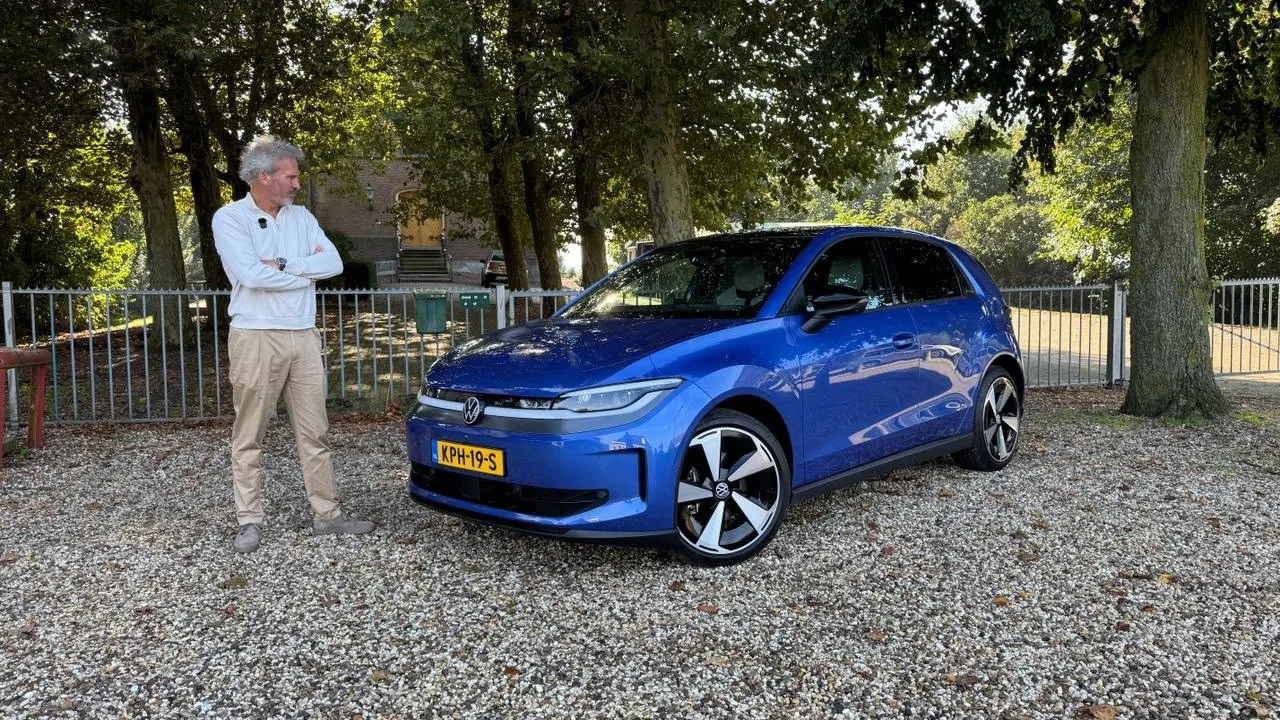
In this Volkswagen ID. Polo review, we explore why the new electric Polo is so appealing to loyal Volkswagen drivers. It drives comfortably, offers sufficient space, is easy to operate, and feels immediately familiar. Especially for those transitioning to electric driving for the first time, Volkswagen seems to hit the right note.
Volkswagen understands its customers again
Volkswagen has a special relationship with its customers. Generations of drivers grew up with the Polo and Golf. Not because those cars were the best in every aspect, but because they performed well across almost all areas. They were reliable, practical, comfortable to drive, and generally easy to use. This resulted in a large group of loyal customers who often chose Volkswagen again for their next vehicle.
The introduction of the ID.3 brought about quite a few changes. Of course, the electric powertrain was new, but Volkswagen also abandoned the familiar controls. Physical buttons disappeared, replaced by touch-sensitive sliders, and the interior adopted an aesthetic that differed significantly from what Volkswagen drivers were used to. Not everyone was enthusiastic about this.
We certainly didn’t think the ID.3 was a bad car, but we understood the criticism. Why change the controls of a car that has worked well for years? It seems Volkswagen asked itself the same question when developing the new ID. Polo. The result is an electric car that requires much less adjustment to get used to.
The ID. Polo looks like a true Volkswagen
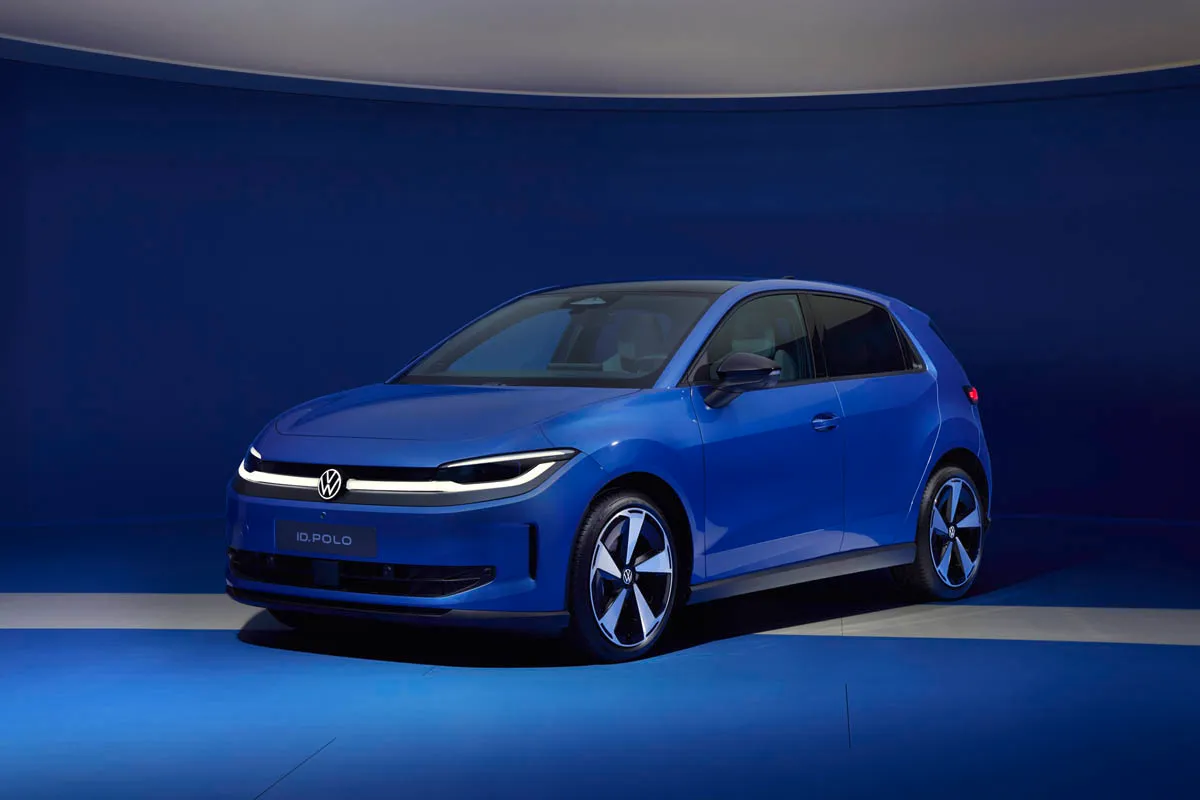
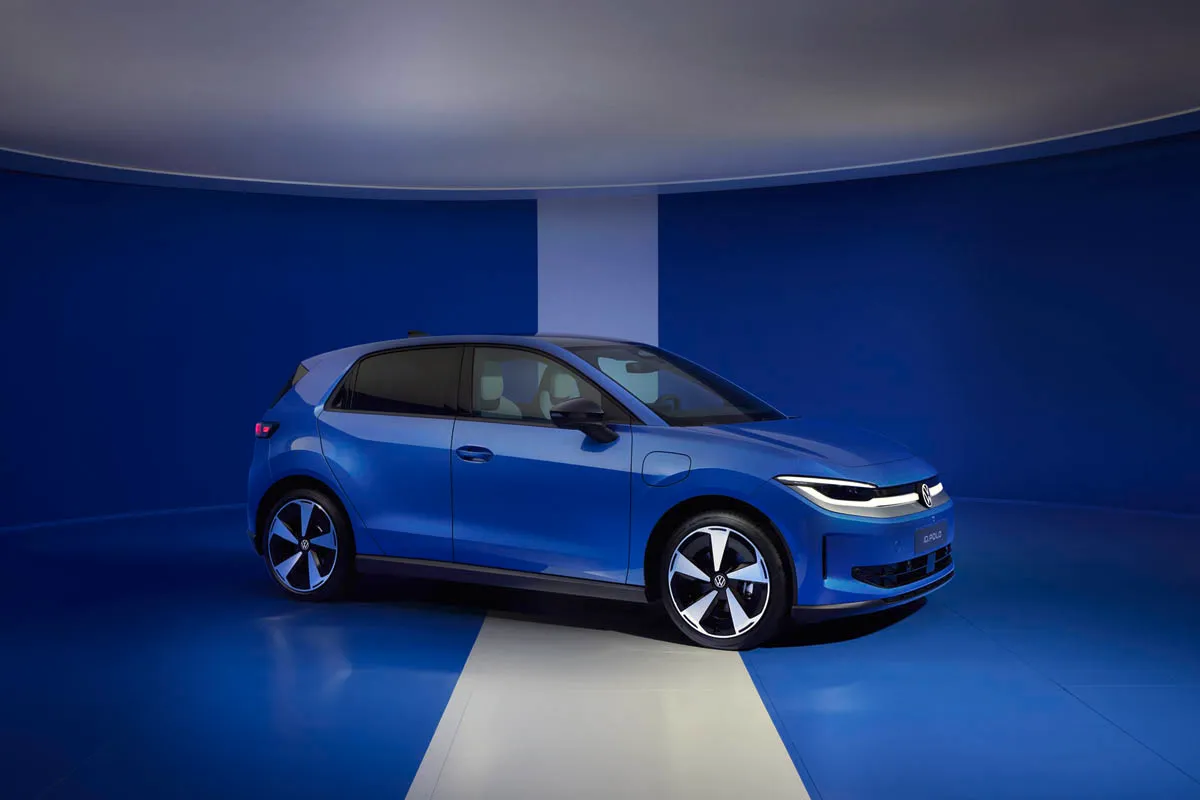
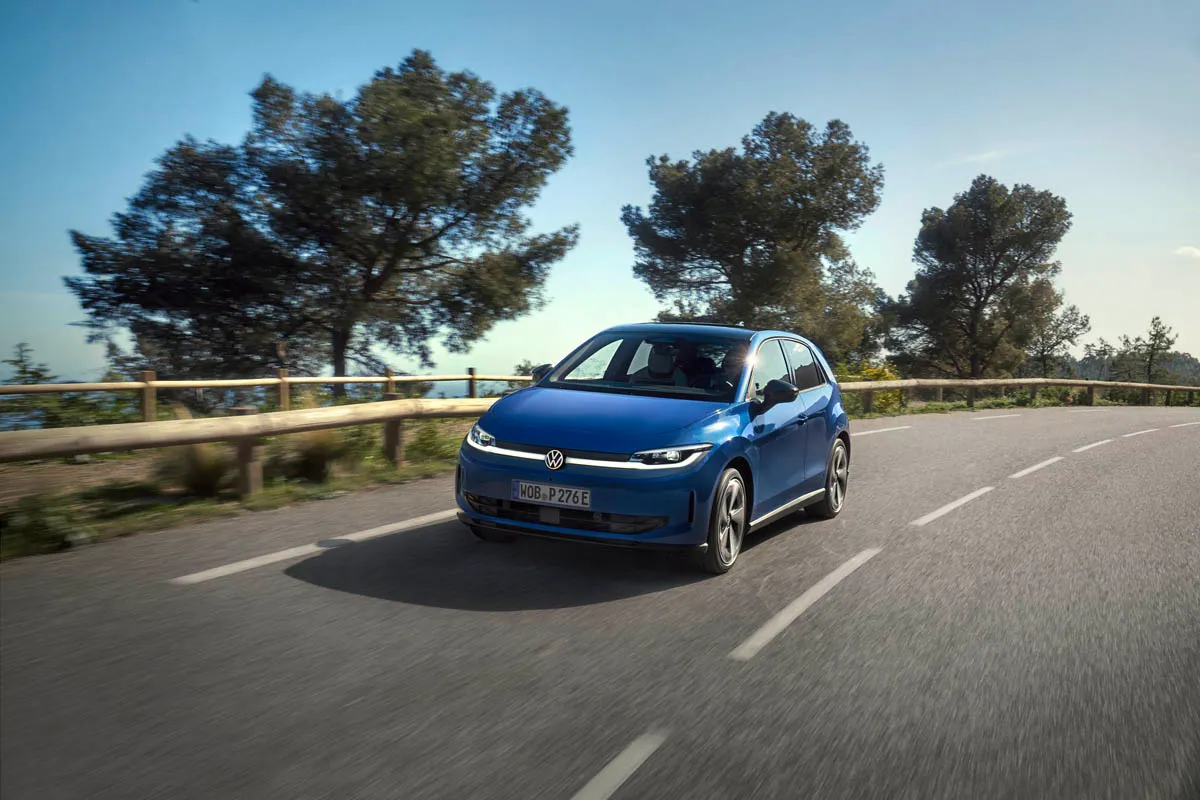
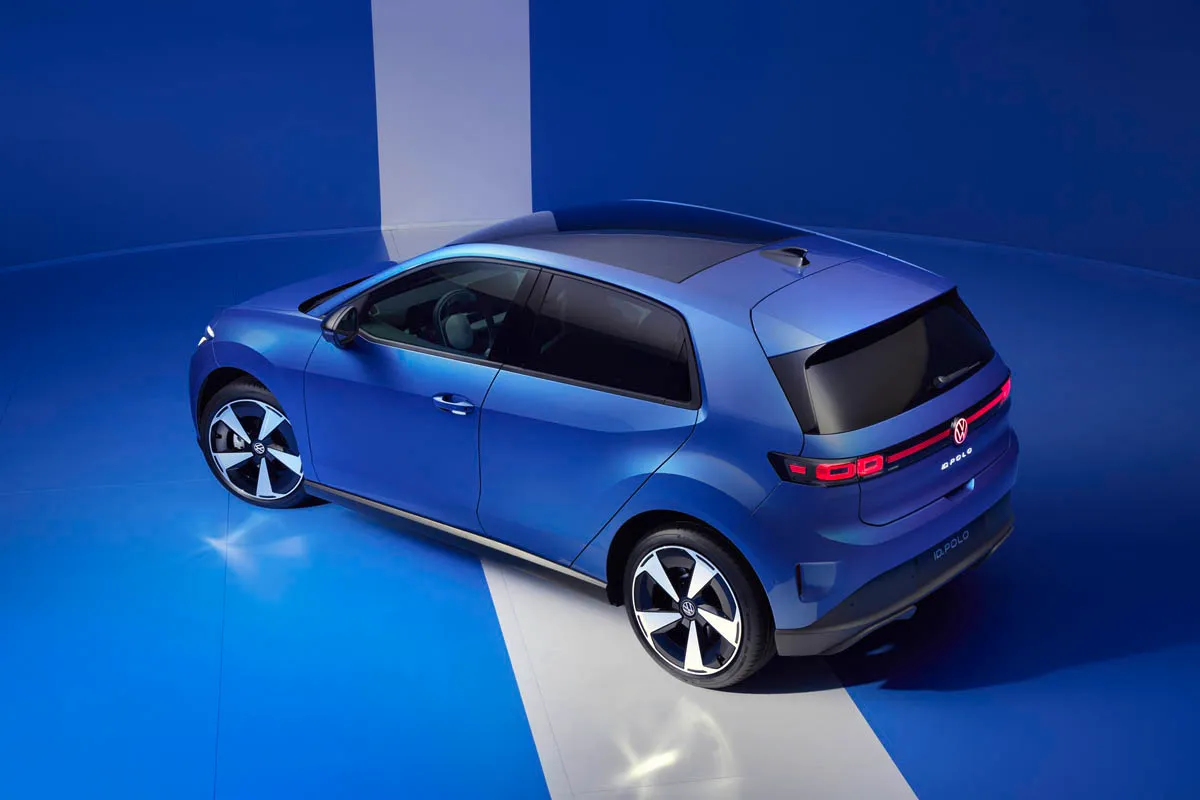
Anyone who sees the new ID. Polo can immediately tell which brand it comes from. The proportions, the shape of the doors, the rear end with its spoiler, and the wide light bar—all of these elements give it a familiar appearance. Yet the car still looks modern and mature.
Our test car is equipped with 19-inch alloy wheels fitted with Hankook tires. They look great on it, though we would likely opt for 18 inches instead, as they usually provide a bit more comfort. Additionally, Volkswagen has given the car a fairly powerful appearance without making the design overly flashy.
The space is particularly interesting. The ID. Polo belongs to the B-segment, but it offers more interior space than one would expect based on its exterior dimensions. With a length of 1.86 meters, we still have plenty of room behind the driver’s seat adjusted to our height. Our feet fit under the front seat, and despite the glass roof, there is still sufficient headroom available.
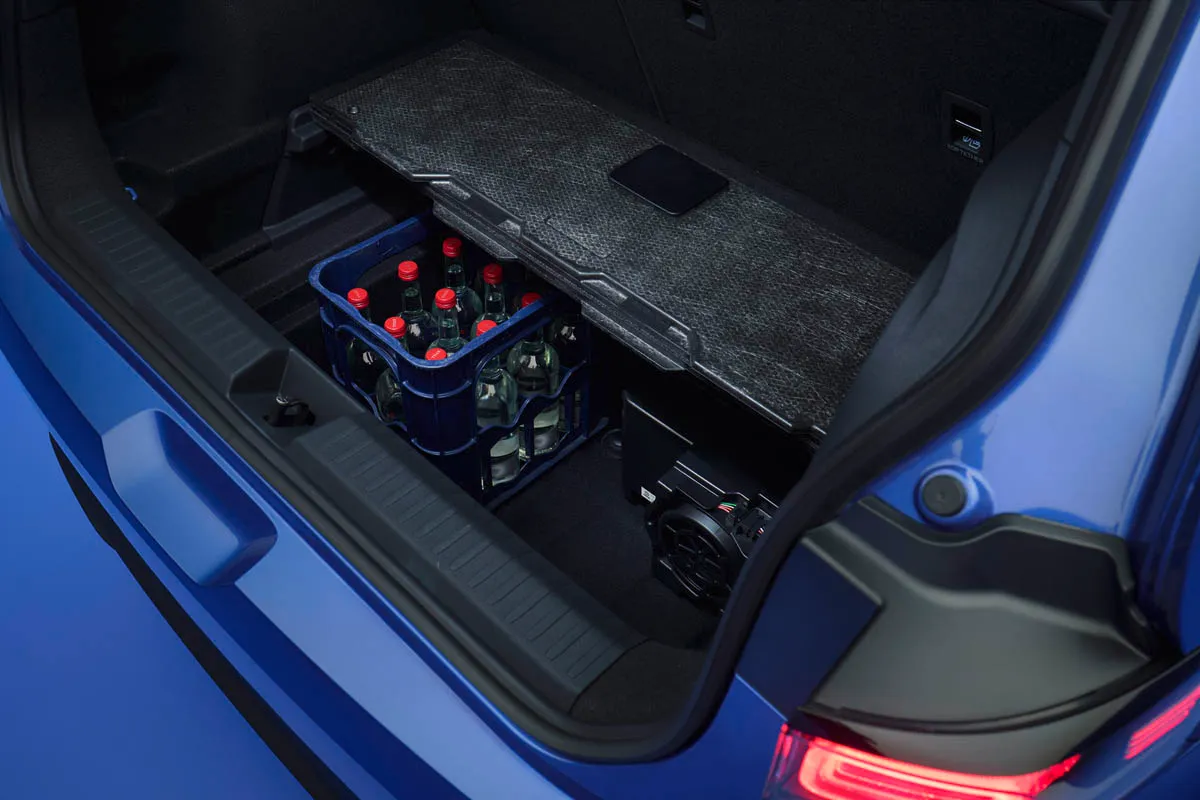
The trunk space is also generous. Volkswagen lists a capacity of 441 liters. There is additional storage space under the floor. A glove box is missing, but that’s not unusual for this front-wheel-drive car. The electric motor and related components are located at the front. A drawback? We actually rarely use the front trunk space in electric cars.
Standard buttons make the Volkswagen ID. Polo more user-friendly
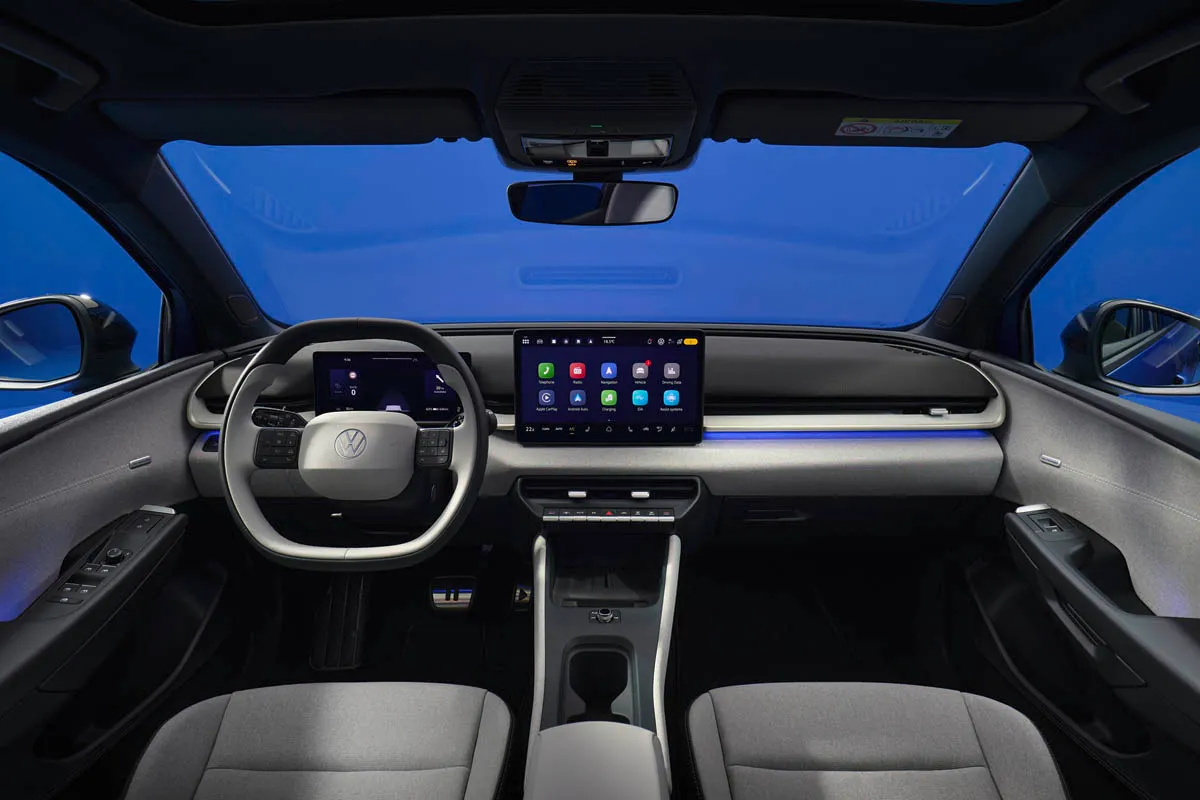
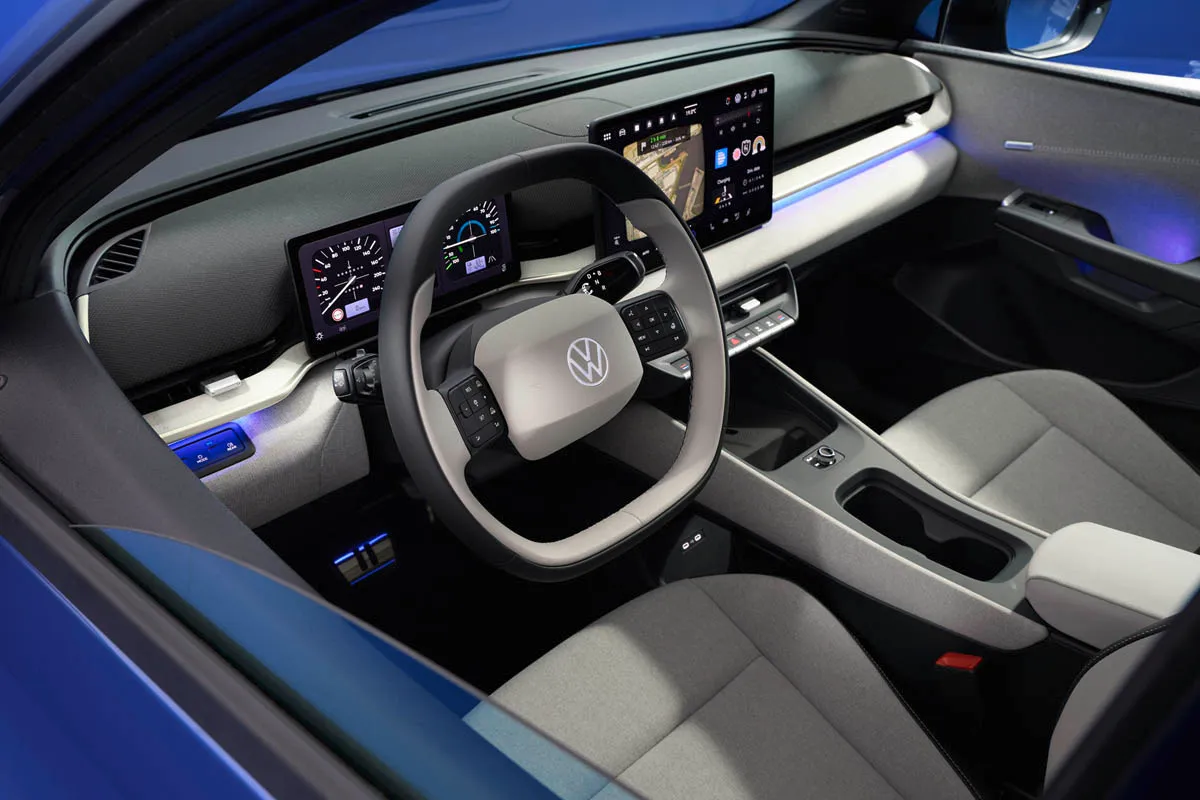
Inside, it’s perhaps most evident that Volkswagen has adjusted its approach. The controls are intuitive, with physical buttons on the steering wheel, four separate switches for the side windows, and a standard volume control within easy reach. The lighting can also be operated simply.
It sounds almost old-fashioned, but it works excellently. You don’t need to constantly navigate through menus to use basic functions. Only the placement of the window controls could have been improved slightly. The switches are positioned a bit too far back, making it not always easy to reach them.
The digital dashboard also has a fun extra feature. You can choose a retro display mode that makes the instruments resemble those on older Volkswagens. Even the multimedia screen can take on a vintage look. It’s a clever addition that doesn’t undermine the car’s modern character.
The finish is also impressive. Various materials are used, including a fabric-like covering and plastic that appears almost ceramic in some areas. Of course, there are also hard plastics, especially in places where the material needs to withstand impacts. For a compact car, the interior feels quite mature.
The seats are also remarkably good. Even taller drivers receive sufficient support, which is certainly not guaranteed in this class. Our test car was also well-equipped, including electrically adjustable seats. These do not represent the cheapest version.
Volkswagen ID. Polo review: driving without frustrations
A Volkswagen should above all drive comfortably. That sounds simple, but it is precisely in this aspect that the ID. Polo succeeds in impressing. The electric powertrain responds very smoothly, the steering is light without becoming unresponsive, and the car handles easily. The visibility around the vehicle is also good, and the seating position feels natural.
We drive a wide range of electric cars during our tests, including many models from China. Some offer more power or better equipment for the same price. But the way Volkswagen has tuned the various components together is particularly pleasing.
Just take the power delivery for example. When you press the accelerator, the drive system builds its strength smoothly and gradually. Nothing feels nervous or overly aggressive. The regenerative braking, which recovers energy while slowing down, also works nicely. If you switch to the B mode using the gear selector, the deceleration increases gradually as soon as you release the accelerator.
The ID. Polo also features disc brakes all around, whereas the original ID.3 still used drum brakes in those areas. In our tests, the brakes felt well-regulated. The integration of driving, regenerative braking, and braking systems is excellent.
This makes the ID. Polo particularly accessible even to those who have never driven an electric vehicle before. You can tell it’s electric-powered, but otherwise, the car behaves exactly as you would expect from a quality Volkswagen.
Which Volkswagen ID. Polo should you choose?
Volkswagen offers the ID. Polo with two battery packs. The smaller version has a capacity of 37 kWh and, according to official specifications, provides an WLTP range of up to 329 kilometers. For those who mainly drive short distances and can charge at home, this is a practical combination.
The larger version comes with a 52 kWh battery pack and can cover up to 454 kilometers under favorable conditions according to WLTP. In real-world driving, we expect around 400 kilometers, depending on driving style, speed, and outdoor temperature. Those who frequently travel long distances will find this version particularly attractive.
We drive the 211 hp version. With that power, the ID. Polo is exceptionally agile, though you don’t necessarily need such high horsepower to enjoy electric driving. There are also versions with 116 and 135 hp. For sports drivers, the ID. Polo GTI with around 226 hp will be available in 2027. We’ve already seen it, and it too promises to be an appealing Volkswagen model.
During fast charging, the power output varies by version. The smaller battery pack can be charged at up to 90 kW. In the larger versions, charging speeds of up to 130 kW are possible depending on the configuration. These aren’t record-breaking figures, but they’re sufficient to keep charging stops reasonably short while on the road. According to Volkswagen, charging from 10% to 80% takes about 23 to 27 minutes, depending on the battery pack. More technical details and information about the available versions can be found on Volkswagen’s official website.
Starting at around €26,000, but our test car costs more
One of Volkswagen’s key promises was an electric car for less than €25,000. With a launch price in the Netherlands of €24,990, the brand initially kept that promise. However, the starting price has now risen by €1,000 to €25,990, or approximately €26,000. The other regular versions have even become €1,500 more expensive, aside from the temporary First Editions.
As a result, the ID. Polo exceeds the psychologically significant threshold of €25,000 just under five months after order books opened. This is unfortunate, especially for a model that Volkswagen aims to make electric driving accessible to a broader audience.
The well-equipped ID. Polo we drive costs significantly more than the base model. The 211 hp version with a larger battery pack starts at €33,490. Those who opt for additional comfort features end up paying still more.
Preferring the ID. Polo over the ID.3
An interesting question is whether you should buy an ID.3 or an ID. Polo. Especially when looking at the more expensive Polo versions, both models are quite close in price. The ID.3 is larger and offers more space, but we would still choose the ID. Polo.
The reason is simple: it feels more modern and is especially more pleasant to use in daily driving. The controls are more logical, the interior exudes a greater sense of calm, and the car drives exceptionally smoothly. Volkswagen paid close attention to the criticism of its first generation of electric models and clearly made improvements based on it. We have previously written about the interior of the Volkswagen ID. Polo and its final design. Now that we have driven the production version extensively, we can conclude in this Volkswagen ID. Polo review that Volkswagen has made significant progress, especially in terms of driving comfort and ease of use.
The Volkswagen ID. Polo makes electric driving feel familiar
For existing Volkswagen drivers, the ID. Polo is a particularly attractive car. Those who have driven a Polo or Golf for years don’t need to relearn how a car works. The main functions are located in logical places, the driving characteristics are predictable, and the comfort is well thought out.
Naturally, there are cheaper electric cars, competitors with more power, and some models that can charge faster. But the ID. Polo performs well in almost every aspect. Not by excelling extremely in any one area, but because there are few things to criticize about it.
And it is precisely this that has made Volkswagen successful for years. Building a car into which you can get in, drive off without thinking, and feel comfortable. The ID. Polo brings this quality back fully. For a loyal Volkswagen customer who wants to switch to electric driving for the first time, we can hardly imagine a more logical choice.
Text: Werner Budding