
Volkswagen ID Golf halted as Wolfsburg “simply cannot afford” its development
News
Despite the delay, Volkswagen insists its electric Golf will arrive by the early 2030s.
GE
George East
2 November 2026, 10:03 GMT · 3 min read
Volkswagen has paused development work on its all-electric ID Golf as the it seeks to recover from a series of bruising financial losses.
As a whole, the Volkswagen Group reported a €5.82 billion (£4.86bh) loss in the third quarter of 2026. Meanwhile Volkswagen cars recorded a €182 million (£151m) loss during the same period, marking its first quarterly deficit since 2020.
The Group’s latest financial statement revealed that global deliveries across its brand portfolio fell by 9% to 6.01m units during the first nine months of 2026.
The financial pressures, which include cutting up to 100,000 jobs by 2030, have led to Volkswagen postponing its ID Golf. This all-electric version of VW’s best-selling model was initially scheduled to arrive in 2028 or 2029.
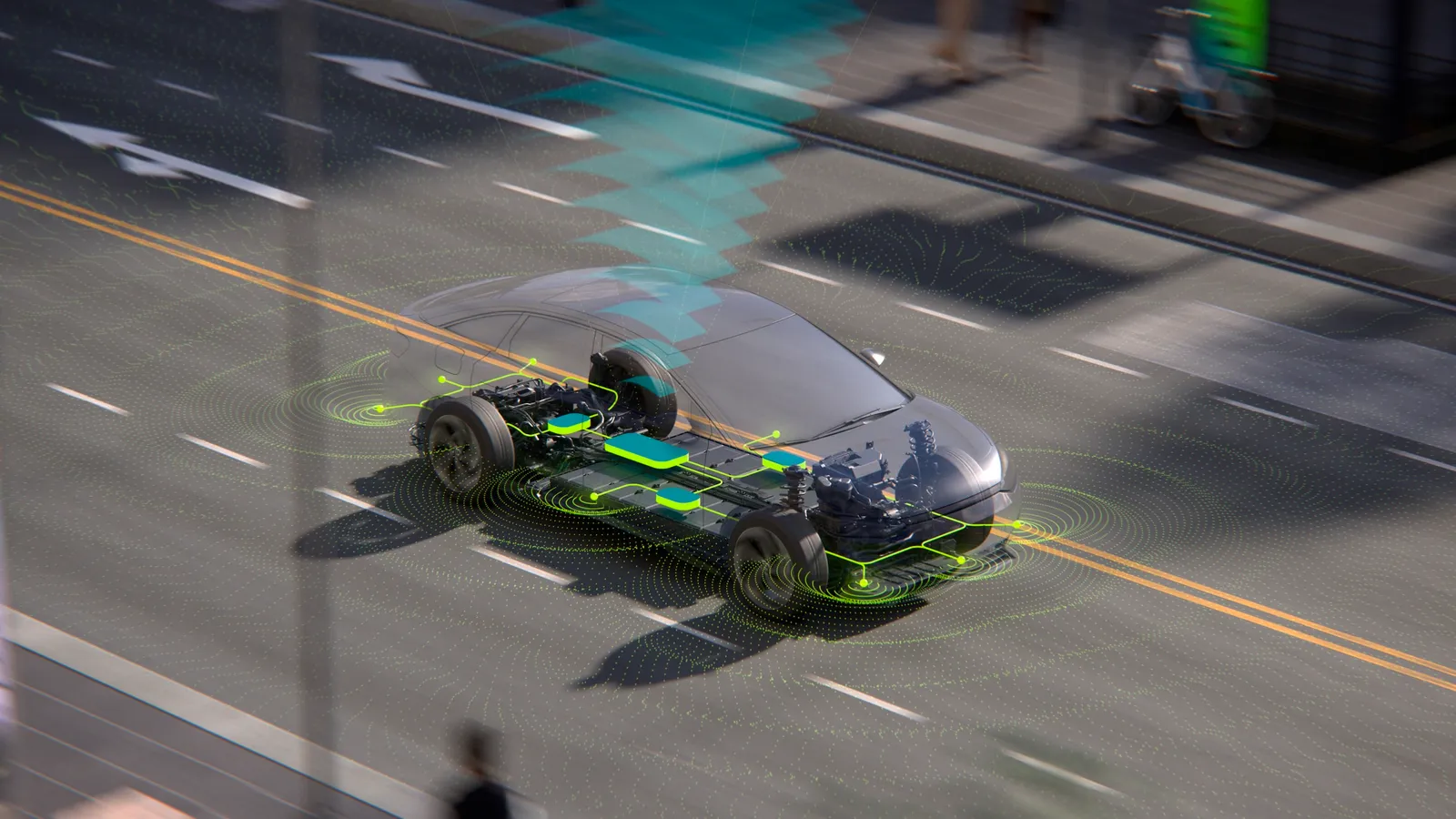
Volkswagen’s initial delay was due to the ID Golf’s all-new 800V Scalable Systems Platform (SSP) and its associated software.
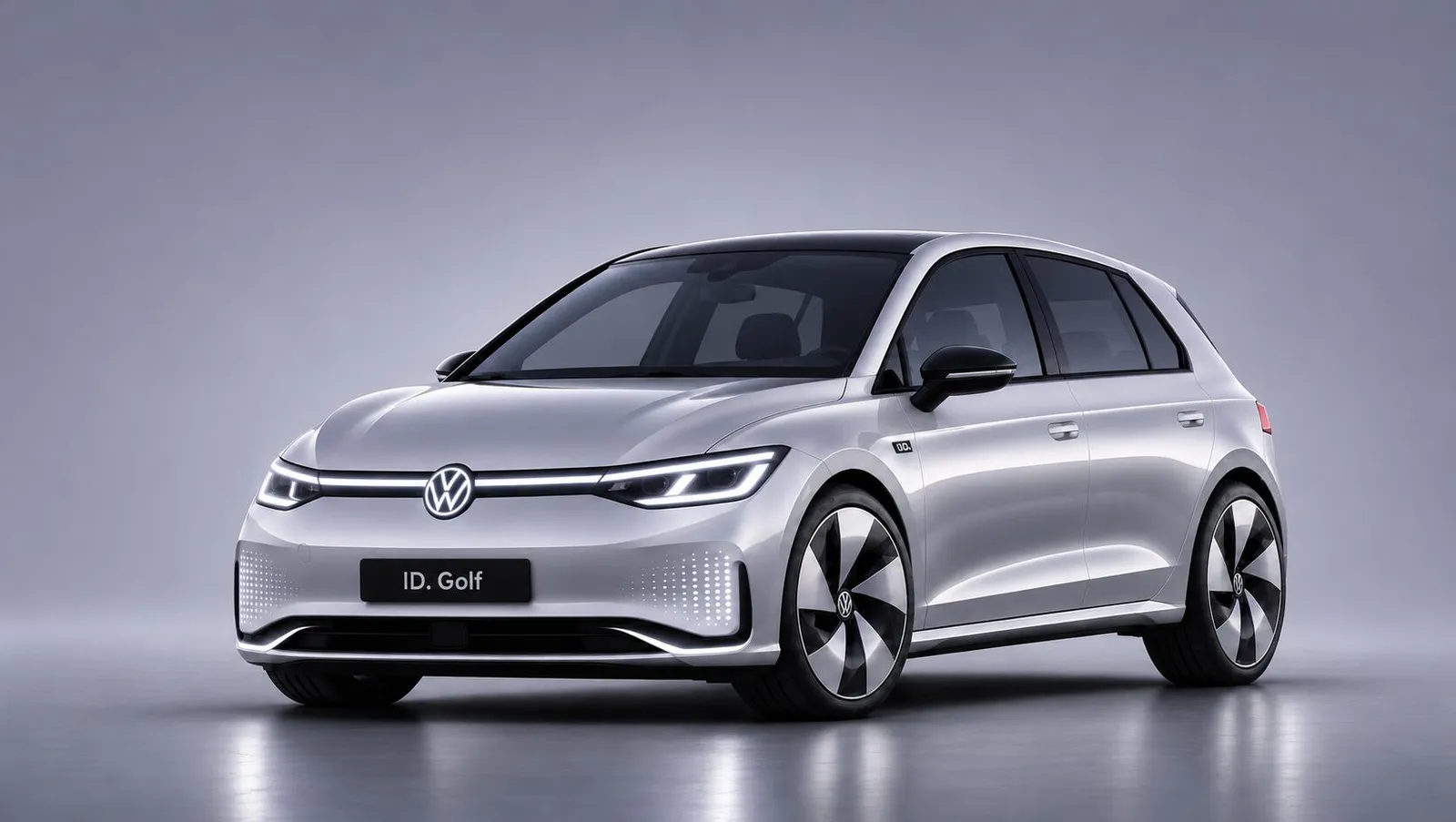
However, these latest roadblocks are purely financial. “We simply cannot afford this work at present,” Volkswagen boss, Thomas Schäfer, said in an internal interview obtained by German broadcaster Norddeutscher Rundfunk (NDR).
While the suspension of the Golf EV’s development has been approved by Volkswagen’s board, Schäfer stressed that it had not been cancelled. “We’re pausing it, not cancelling it,” he added.
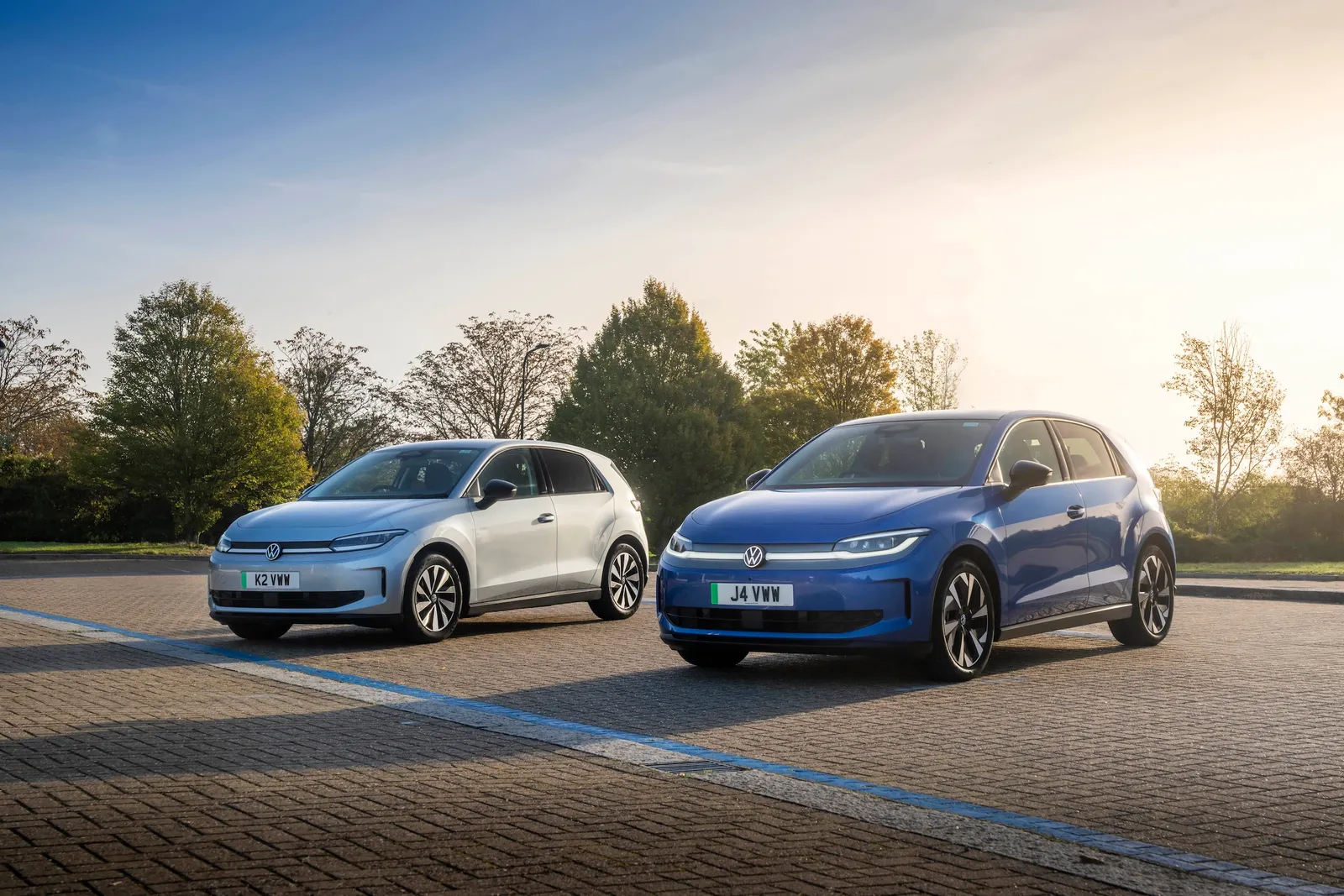
As such, the ID Golf is expected to be introduced at the start of the 2030s.
Volkswagen’s finance chief, David Powels, continued: “The market environment remains extremely challenging – and special items are weighing on our result. This makes it all the more important for us to systematically continue on our chosen course and sharpen our priorities further.
“We are improving our cost base and optimising working capital – while maintaining a high level of investment discipline.
“One specific measure is therefore to temporarily pause development work on the future ID Golf at the Volkswagen brand until we can securely accommodate the necessary investments.”
Delaying the ID Golf raises questions as to whether the Volkswagen Group will choose to underpin up to 75% of its next-generation EVs with the tried-and-tested China Electric Architecture (CEA) it co-developed with Xpeng.
As recently reported by EV Powered, the software-defined CEA platform reduces the number of electronic control units by around 30%, and its scalable natures would slash vehicle development by an additional 30%.
Given the difficulties the German automotive giant is facing with the ID Golf’s running gear and its overall finances, adopting an existing platform that’s ready-to-go could be the most practical solution as it seeks to claw back some much-needed cash.