
Volkswagen and Gotion will spend 3.22 billion euros on batteries. Contracts not yet signed
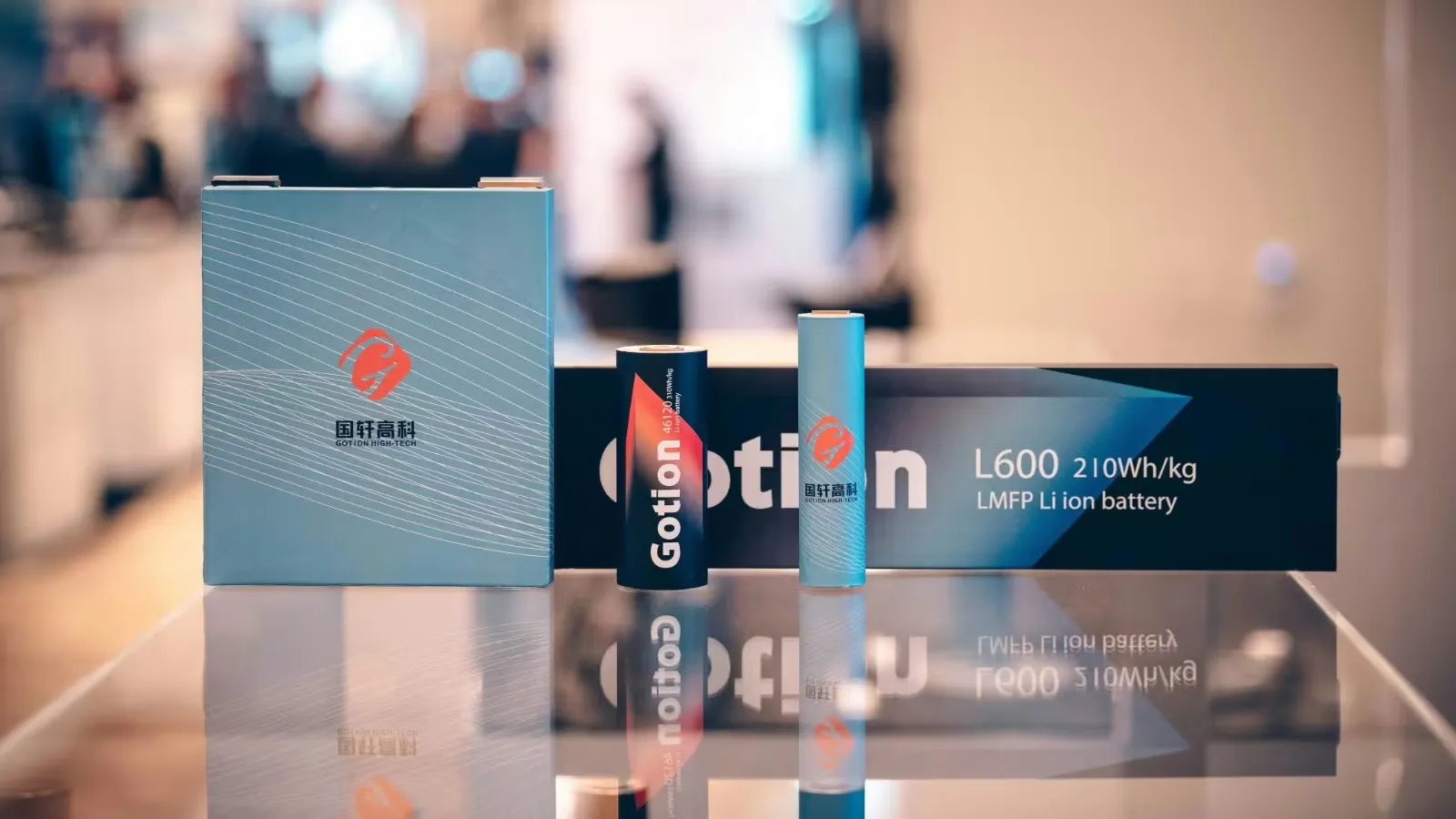
Volkswagen and Gotion High-Tech plan to invest 3.22 billion euros in the production of cells and cathode materials in Spain, Slovakia, and Morocco. The intention to establish three companies was announced on September 28, 2026, but the investments still require contracts, shareholder approvals, and regulatory decisions.
The European factories are set to achieve a combined annual production capacity of 37.5 GWh. This will be a local supply chain for Volkswagen, with a Chinese cell manufacturer serving as the technological and capital partner.
Valencia to receive 2.26 billion euros
The largest investment will take place in Valencia. Gotion will acquire 49% of the shares in the existing company PowerCo Spain through a capital increase. PowerCo, Volkswagen’s battery subsidiary, will retain 51% and control over the project.
The plan calls for approximately 2.26 billion euros in investment and a production capacity of 29.1 GWh per year. With a battery capacity of 60 kWh, this would theoretically be sufficient for around 485,000 cars per year. The actual number will depend on the capacity of the battery packs, factory utilization, and production losses.
A second cell factory is set to be built in Šurany, Slovakia. Its cost is estimated at 480 million euros, with a target output of 8.4 GWh per year. Here, the shareholding will be reversed: Gotion will hold 51 percent, while PowerCo will hold 49 percent.
The cells produced at both facilities are intended first for Volkswagen Group’s European vehicles. Specific purchase volumes and purchase guarantees have not yet been finalized in the contracts.
Morocco to supply LFP cathode material
The third company will be established in Kenitra, Morocco. The partners intend to invest around 480 million euros in a factory for LFP cathode material with an annual production capacity of 100,000 tons. Gotion will hold 51% of the shares, while PowerCo will own the remaining 49%
The material is intended to supply plants in Valencia and Šurany primarily. Morocco provides access to the chemical industry, ports, and relatively short transportation routes to Europe. Producing LFP outside China will also reduce Volkswagen’s reliance on imported battery cells
Gotion’s total investment is expected to be around 1.60 billion euros, whereas PowerCo will invest 1.62 billion euros. The funds will be contributed in phases. The stated costs do not include land or factory buildings, so the total cost could be higher than the reported 3.22 billion euros
Each project is required to be completed within a period of no more than five years. This refers to a broad timeframe, not a specific production start date. The schedule can be affected by funding issues, construction permits, regulatory approvals, and developments in the European electric vehicle market.
Volkswagen Is Already Gotion’s Largest Shareholder
The partnership does not start from scratch. As of September 20, 2026, Volkswagen China Investment held 24.28% of Gotion High-Tech’s shares, making the German conglomerate the largest shareholder in the battery manufacturer.
Gotion is rapidly expanding its scale. From January to July 2026, the company delivered battery packs with a total capacity of 34 GWh, 44.2% more than the previous year. This placed it fifth in the world by capacity and accounted for 4.7% of the market share. Ahead of Gotion were CATL with 39.9%, BYD at 14.7%, LG Energy Solution at 8.3%, and CALB at 5.1%.
The Chinese company is also developing energy storage solutions. In Australia, it is responsible for a 281 MW/843 MWh storage system connected to a 380 MWdc solar farm. The Lower Wonga project, carried out for Lightsource bp, is scheduled to be connected to the grid by the end of 2028.
For now, Volkswagen and Gotion have approved plans but no fully built factories. Should European companies manufacture their own battery packs or share costs and technology with Chinese producers?
LovEV Newsletter
Want more content like this?
Sign up — we’ll send you a weekly summary once the newsletter starts.