
Volkswagen finds in Morocco what it needs to manufacture cheaper batteries in Spain
01/11/2026 08:00
Updated to
01/11/2026 08:00
Volkswagen has chosen Morocco as one of the pillars of its strategy to produce cheaper batteries in Europe. Through its subsidiary PowerCo and a partnership with Chinese manufacturer Gotion, the German group is preparing a plant in Kenitra capable of producing 100,000 tons annually of materials for lithium-iron-phosphate (LFP) batteries. Part of this output will supply the gigafactory in Sagunto (Valencia), which is scheduled to open in 2027. The agreement aims to ensure the supply of essential components and reduce reliance on imports from China.
Morocco to Supply Key Material for Spanish Batteries
The partnership between Volkswagen and Gotion involves establishing a joint venture in Kenitra, north of Morocco, to produce active materials for LFP battery cathodes.
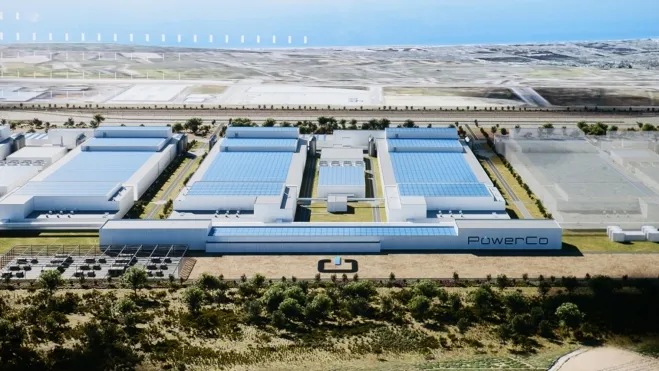
The facility is expected to have an annual capacity of 100,000 tons, primarily to supply the cell factories in Sagunto and Šurany in Slovakia.
Gotion will hold 51% of the Moroccan company, while PowerCo will control the remaining 49%. The choice of Morocco is strategic: the country accounts for approximately 68% of the world’s estimated reserves of phosphate rock, a key resource for producing lithium-iron-phosphate batteries.
This technology uses lithium, iron, and phosphate, eliminating the need for nickel and cobalt used in other chemistries. Its main advantages lie in potentially lower costs, high durability, and good thermal stability.
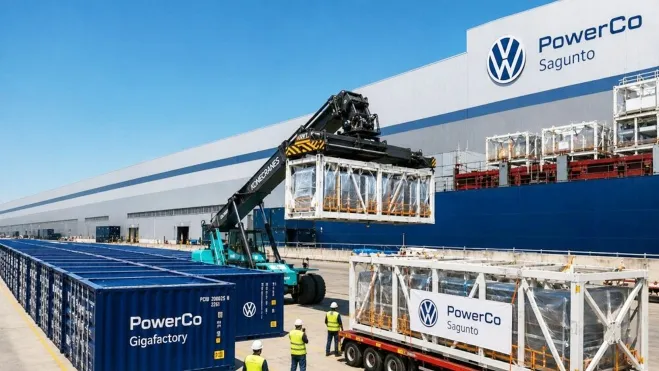
Volkswagen aims to produce cheaper batteries in Sagunto
This initiative is part of a larger industrial partnership involving three joint ventures in Spain, Slovakia, and Morocco. In Sagunto, Gotion will invest approximately 1.1 billion euros to acquire 49% of the gigafactory, while PowerCo will retain 51% and overall control of the project.
The Valencia plant is scheduled to begin operations in 2027, with an initial capacity of up to 30 GWh per year, compared to the 20 GWh previously planned. The agreement maintains the previously announced commitments regarding investment and employment and will allow utilization of Gotion’s technological expertise in LFP batteries.
Volkswagen estimates that this chemistry, which currently accounts for around 10% of the European battery market, could reach a share of 40% to 60% by 2030.
A partnership with China to reduce reliance on imports
The partnership has a unique feature: Volkswagen aims to reduce its reliance on imported materials from China, but it does so by partnering with one of its major battery manufacturers.
The goal is not to abandon Chinese technology, but to shift part of the supply chain to facilities closer to Europe. The Moroccan factory will allow for diversifying the origin of materials and reducing logistical distances.
Frank Blome, CEO of PowerCo, believes the alliance strengthens the resilience of the supply chain and accelerates the industrialization of its projects. However, the operation is still subject to certain regulatory approvals and closing conditions. A definitive date for supply to begin from Kenitra has not yet been confirmed.
If the plans come to fruition, Sagunto will become a key part of a new industrial chain that will link Morocco’s resources, Chinese technology, and European battery manufacturing for electric cars.