
Volkswagen hits the jackpot: its new €10,000 electric sedan dominates in China
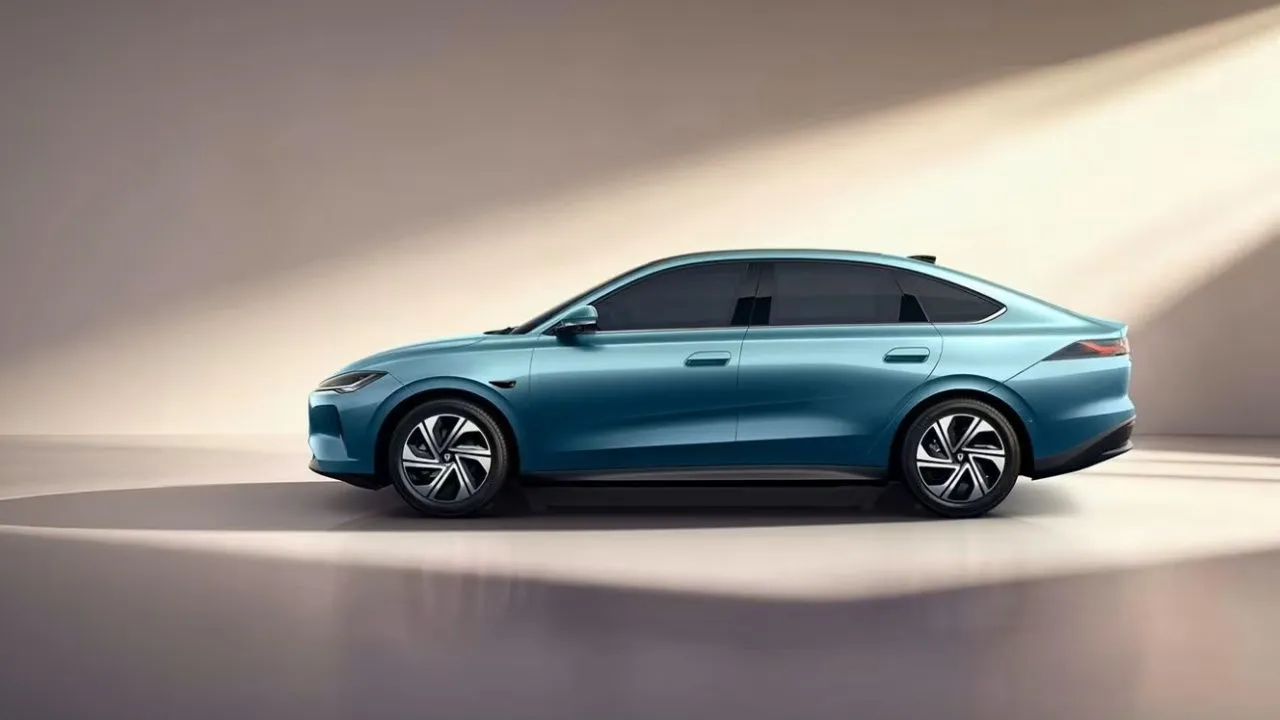
The last Volkswagen Jetta sold in Europe was not exactly a sales success, which is why the German brand no longer sells any compact sedans on the old continent. This situation contrasts with China, where the Jetta was so popular that Volkswagen decided to use its name to create a new low-cost brand.
The gap left by the Jetta in Volkswagen’s lineup has been filled by the Sagitar, while the Jetta itself has become an independent brand. Although it hasn’t achieved the success expected of it, it now has a new opportunity thanks to China’s rapid shift toward electric mobility. Indeed, the new all-electric Jetta M6 has just made a grand debut.
Just 19 hours after its launch on October 22, the Jetta received over 10,000 orders for its new electric sedan, which starts at a competitive price of 79,800 yuan (10,719 euros at current exchange rates). What’s more interesting is that these are firm reservations; buyers cannot cancel without losing their deposit, meaning these sales are practically guaranteed.
The Jetta is developed by the joint venture FAW-Volkswagen. Until now, this emerging brand has only sold models with internal combustion engines, so the launch of the M6 represents an opportunity to attract new customers. Electric cars are becoming increasingly popular among Chinese consumers, while traditional gasoline models are gradually losing ground.
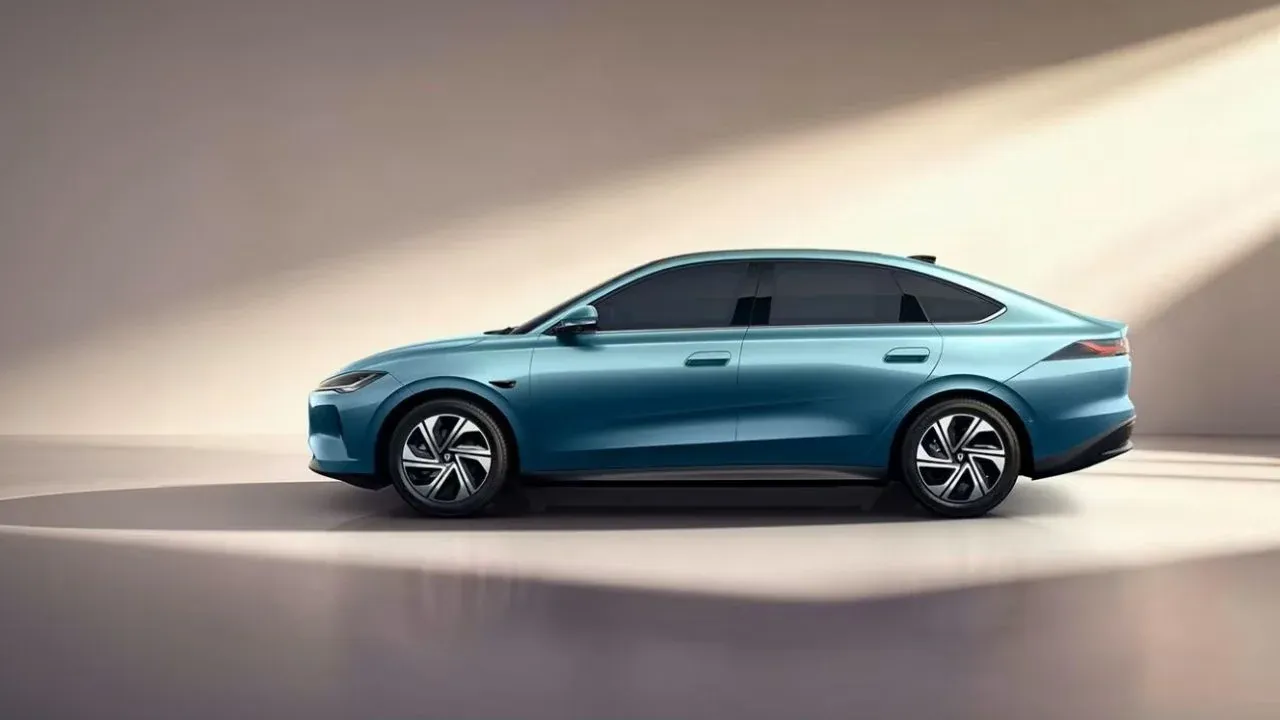
A model created specifically to appeal to the Chinese market
The Jetta M6 is a sedan with a length of 4806 mm, width of 1868 mm, and height of 1500 mm, featuring a wheelbase of 2820 mm. It is a front-wheel-drive vehicle with a MacPherson strut suspension at the front and a torsion beam suspension at the rear, a configuration that reflects its cost-conscious approach.
The entry-level M6 version features a 154 HP (113 kW) engine paired with a 42.9 kWh LFP (lithium-iron-phosphate) battery, sufficient to achieve a CLTC range of 465 km. It accelerates from 0 to 100 km/h in 8.3 seconds. The higher-end model uses a 197 HP (145 kW) engine and a 51.9 kWh battery, offering an official WLTP range of 555 km; it also reduces the 0-100 km/h acceleration time to 6.8 seconds. Additionally, it includes V2L (Vehicle-to-Load) reverse charging at 3.5 kW.
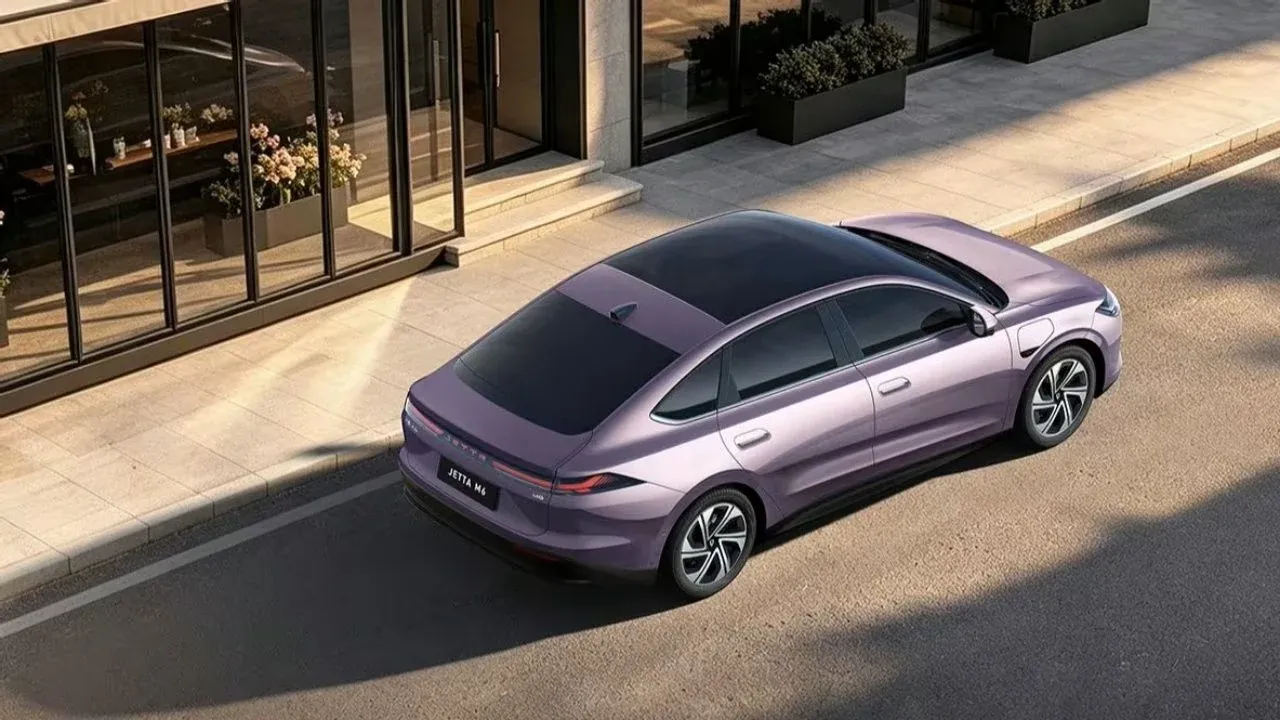
The Chinese market increasingly values technological features, which is why the top model comes equipped with an advanced driving assistant powered by Horizon Robotics’ Journey 6M chip. This enables the NoA (Navigate on Autopilot) function to be used in both urban areas and highways, which is quite impressive considering that even the most expensive version remains very affordable at 99,800 yuan or 13,406 euros at current exchange rates.
Source | CarNewsChina