
Volkswagen China is becoming Volkswagen’s global development center. Its own C7H chip, two platforms, AI 2.0, Navigate on Autopilot
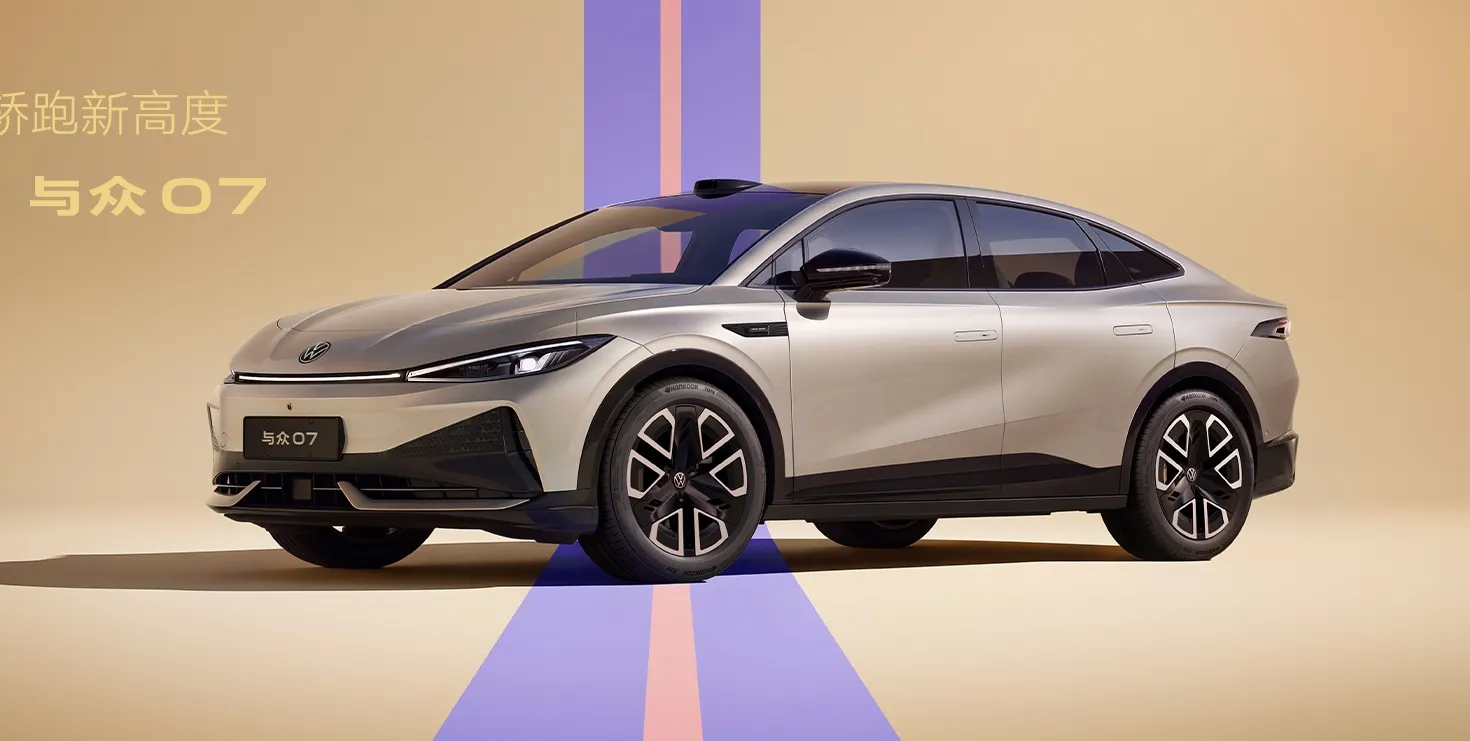
In 2022, Volkswagen launched the “in China, for China” initiative, under which it began research and development in China on vehicles intended for the Chinese market. Today, the slogan has changed to “in China, beyond China,” with Volkswagen’s Chinese technologies being introduced to half of the civilized world. The next (and final) step will likely be importing these developed systems to Europe and North America.
Volkswagen in China — unrecognizable as Volkswagen. Advanced technologies, advanced plans
Table of Contents
Volkswagen in China — unrecognizable as Volkswagen. Advanced technologies, advanced plans
Platforms
While in Europe Volkswagen reports losses and contemplates what more it can do to improve its financial situation, in China it highlights systems that no European tech startup would be ashamed of, all under a platform named Vega. For example, by 2027 the company aims to develop its own C7H processor [i.e., in collaboration with Horizon Robotics – editor’s note; source] for AI-related computations, with performance around 500-700 TOPS, similar to that of the BYD Xuanji A3 chip.
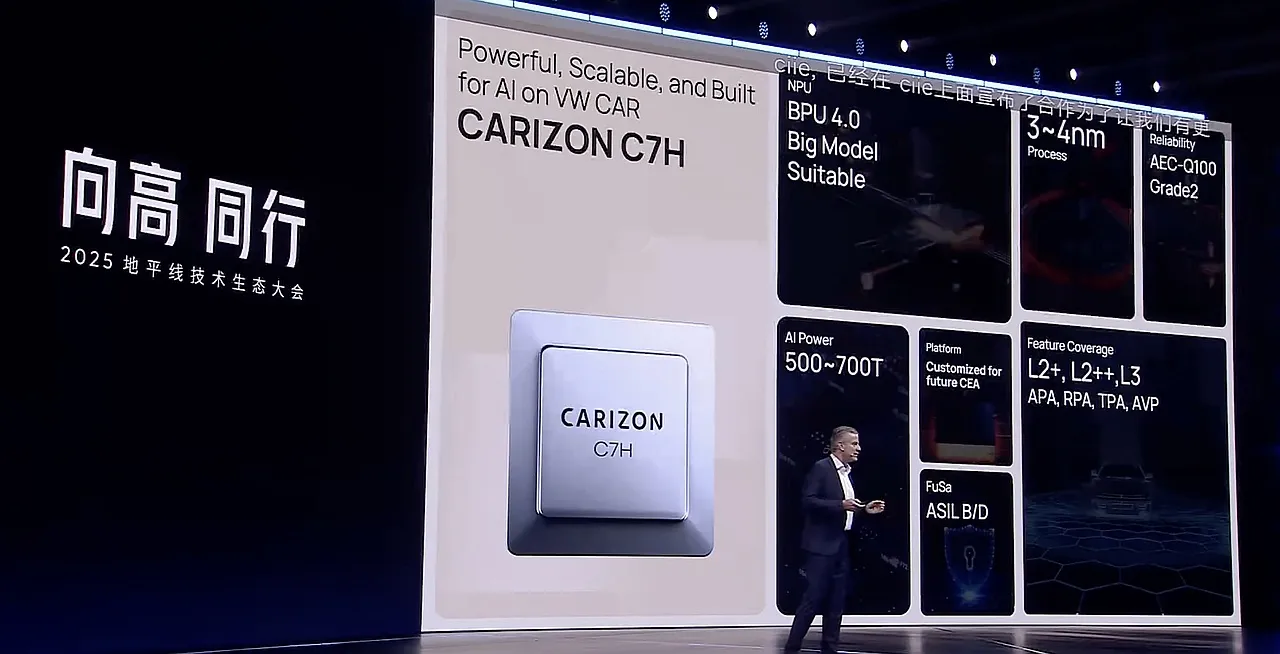
Carizon C7H, Volkswagen’s new chip. Carizon is a subsidiary of Volkswagen and Horizon Robotics controlled by Volkswagen (c) Carizon
The new chipset is set to enable Level 3 semi-autonomous driving (SAE Level 3) by 2027, along with fully autonomous Level 4 driving (SAE Level 4) two years later in 2029. The computer that will power the C7H is intended to be part of the CEA 3.0 architecture being developed with Xpeng and used worldwide. Volkswagen’s own computing platform, named HyperSense 8, designed for Level 2++ systems (advanced driver-assisted driving), is already being deployed in locally produced models. It is meant to support Navigation on Autopilot (NoA) even in urban traffic and feature automatic parking capabilities.
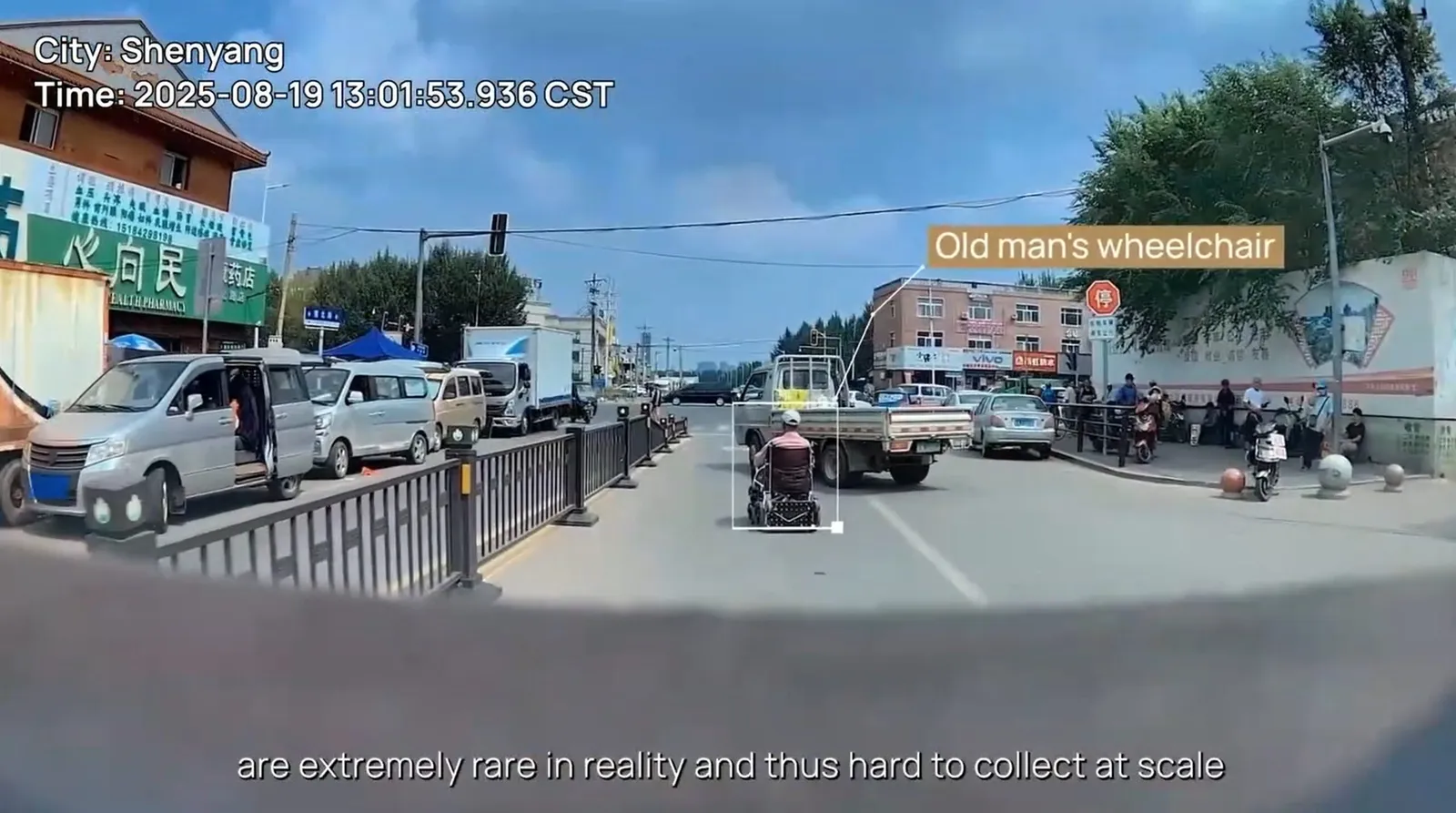
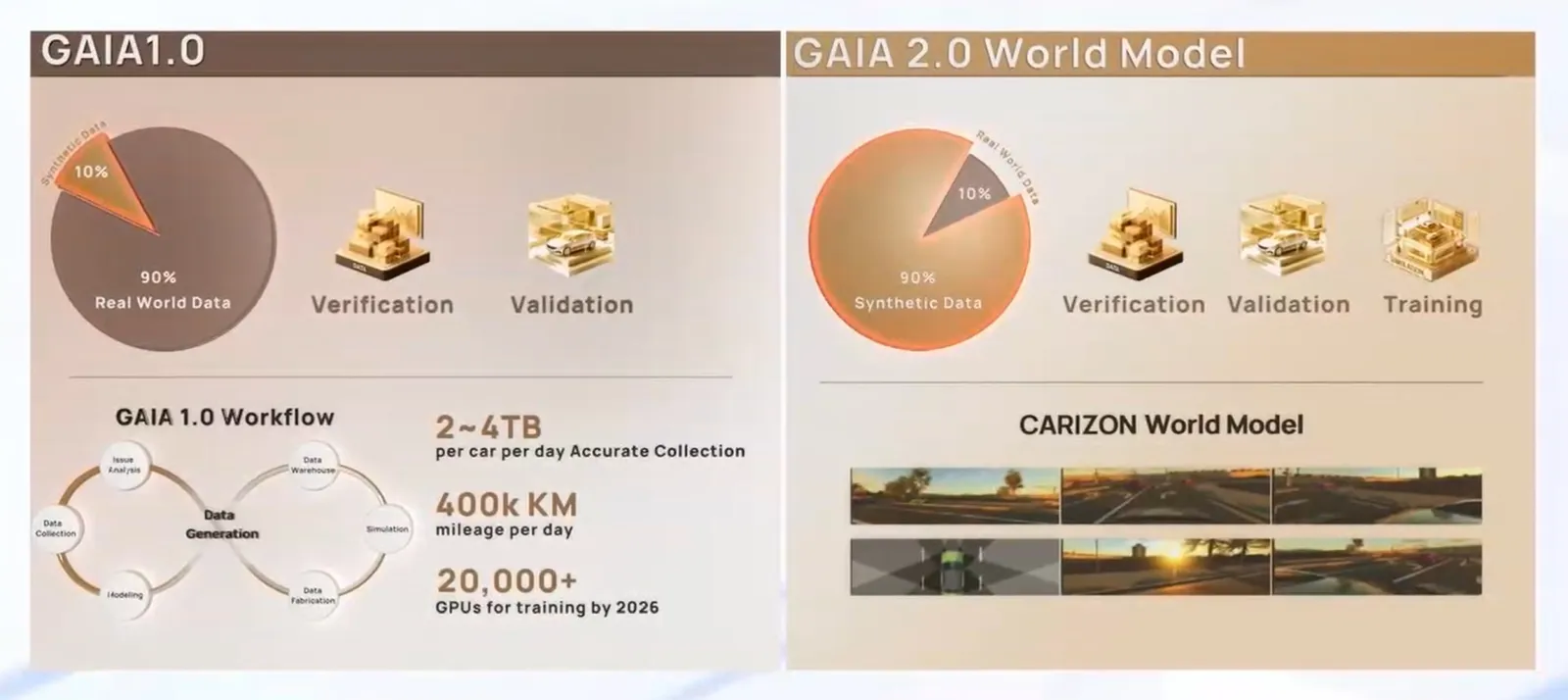
In addition, Volkswagen’s facility in Hefei, China, uses its own computing center to train artificial intelligence systems. Its proprietary model named GAIA 2.0 [in title: AI 2.0] travels 5 million virtual kilometers daily to test 30 million scenarios from real roads. These are used to train the current HyperSense 8 and future solutions for levels 3 and 4 of autonomy.

Platforms
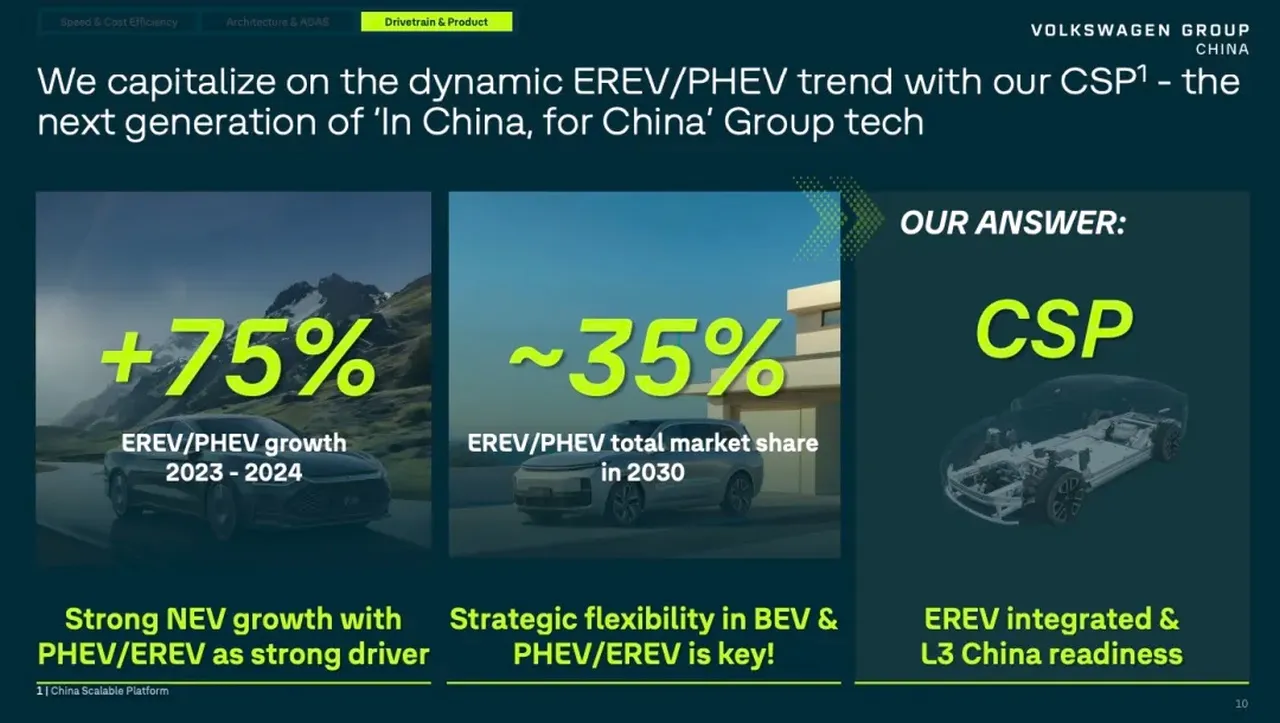
In Europe, the company is gradually developing the MEB platform (MEB+ FWD, MEB+ RWD), while in China it has designed two new platforms: China Main Platform and China Scalable Platform. The CMP is intended to be cheaper, suitable for cars in the C segment, and to allow for potential use of internal combustion engines (PHEV). It is said to be able to charge from 30 to 80 percent in 25 minutes.
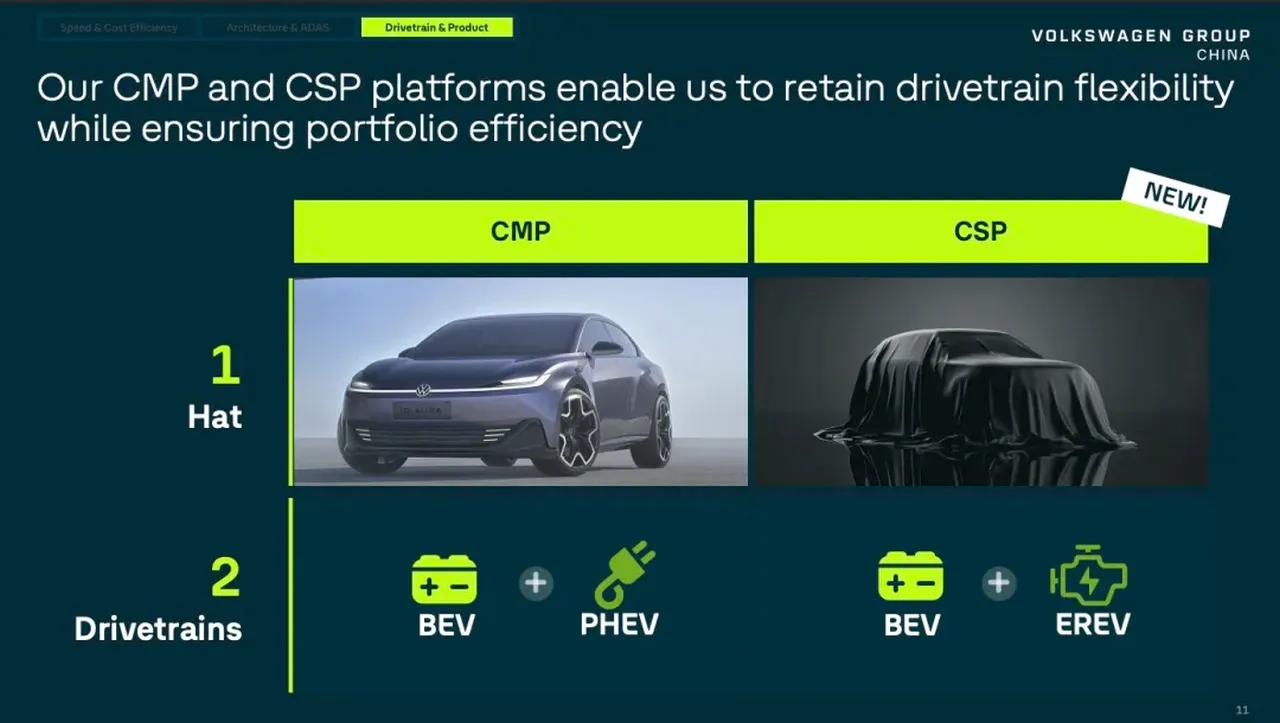
The CSP will appear in larger and more expensive models (segments D and E), utilizing an 850 V voltage system (800 V architecture) and enabling charging from 10 to 80 percent in 13 minutes. The claimed ranges are “over 600 CLTC units” for the CMP and “over 800 CLTC units” for the CSP, with respective WLTP figures of just under 500 and over 600 units, though these values could be higher.
By the end of 2026, Volkswagen plans to introduce new platforms into markets in the southern part of the world, including Africa, Mexico, Egypt, Vietnam, and eventually South America and ASEAN countries. The electronic systems developed in China are set to be introduced to Europe as well. Initially, it was expected that they would arrive on the Old Continent in vehicles from the ID series, but now there is more talk about the electronic subsystems being implemented in existing brands.
Editor’s note from Elektrowozu: It’s a good decision — their own hardware platform, own processor, own AI computing center. It’s just a shame that Volkswagen’s management had to be approached through the finance department.
Article rating
Readers’ ratings
[Total: 1 vote Average: 5]
Don’t miss new content — CLICK and FOLLOW Elektrowoz.pl on Google News. You might also be interested in the following ads: