
Volkswagen’s battery recall extends to Audi as well
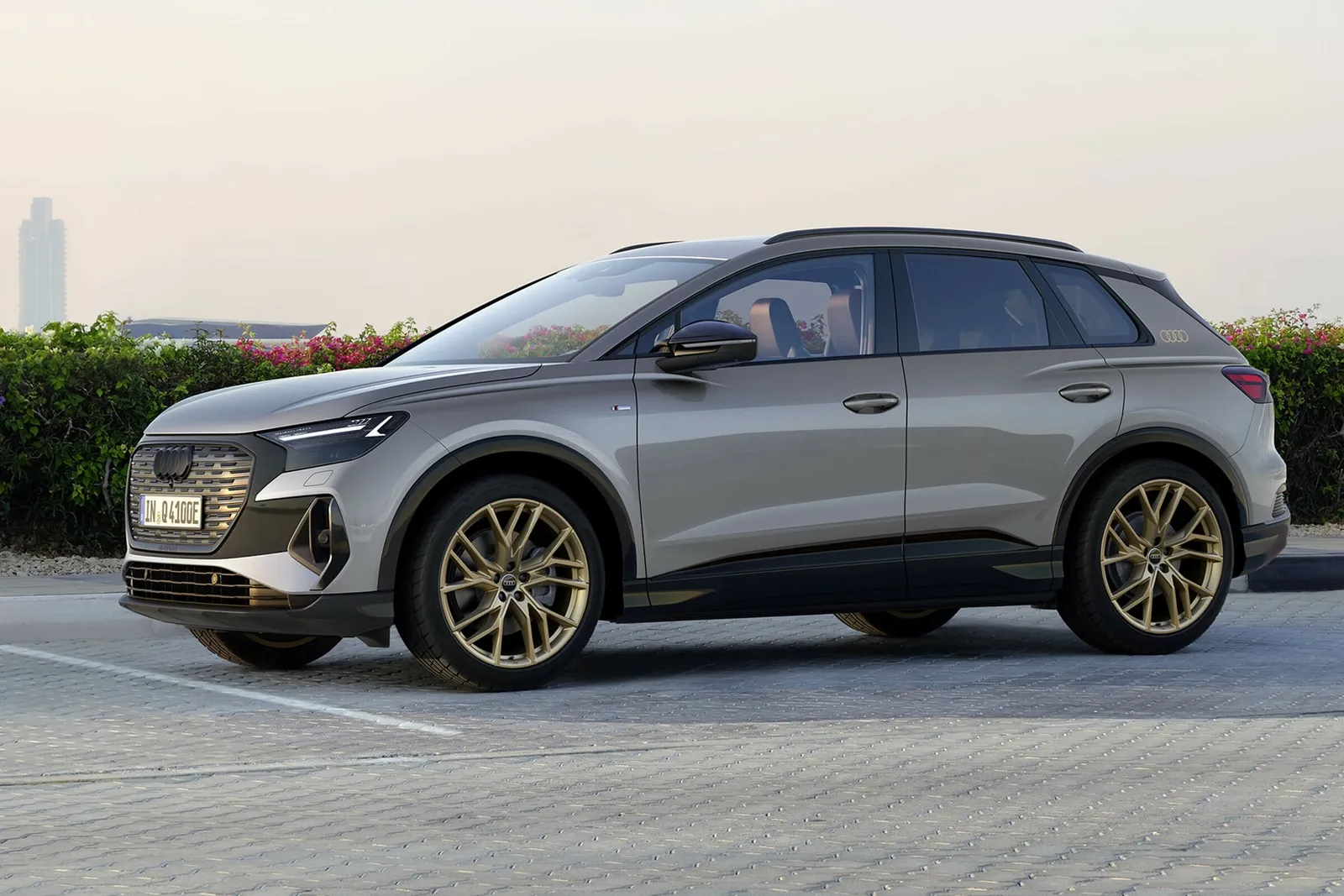
The recall campaigns for Volkswagen Group’s electric vehicles due to potentially defective battery cells are now extending to Audi as well — primarily in the United States. There, nearly 9,000 units of the Q4 e-tron and Q4 Sportback e-tron are being recalled. Additionally, around 3,700 units in other markets are affected.
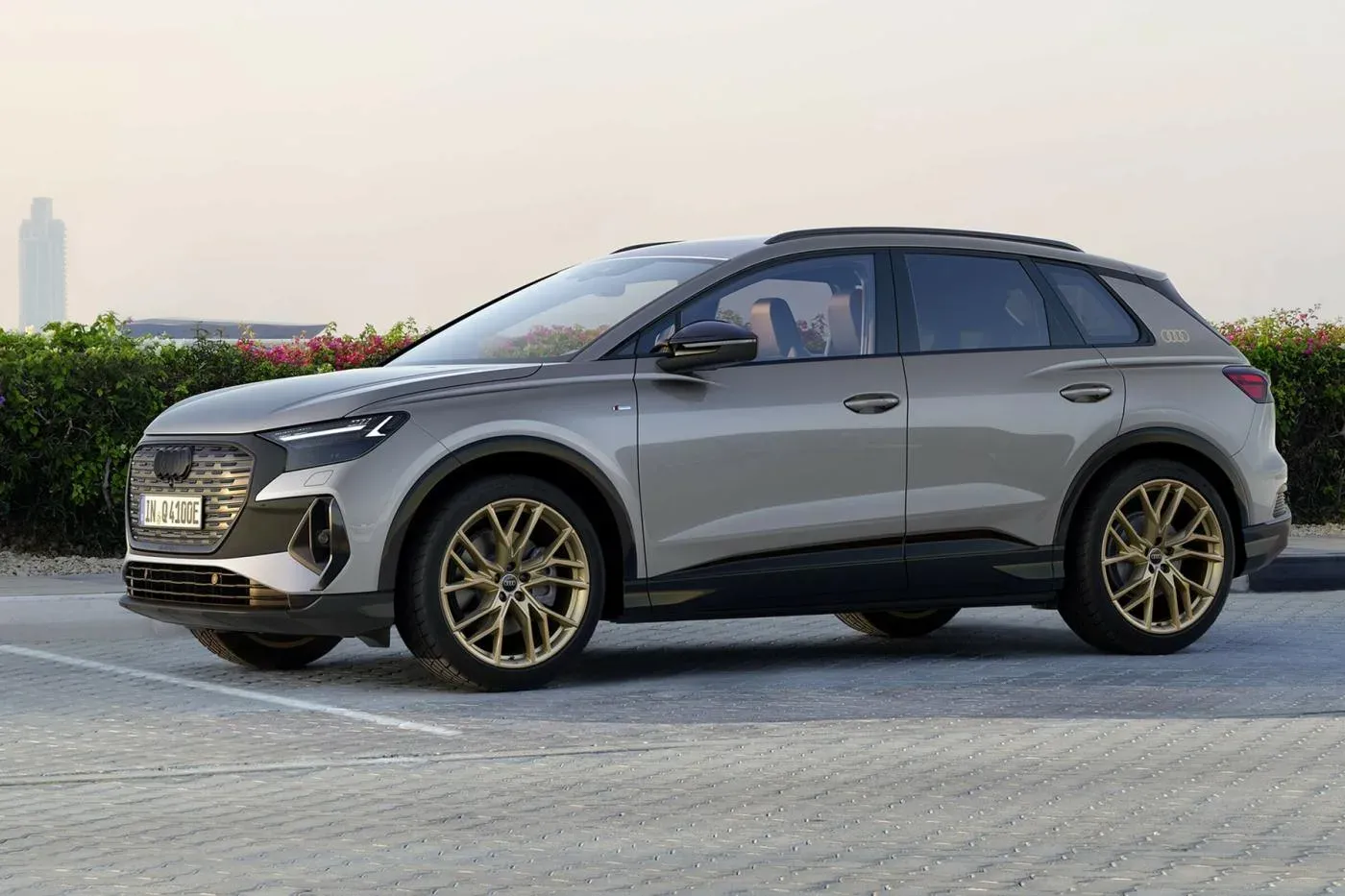
Image: Audi
_+++ This article has been updated +++_
Specifically, Audi has decided to initiate a “voluntary safety recall,” sending exactly 9,048 electric vehicles in the U.S. back to dealerships, as these vehicles are equipped with a certain batch of battery cells from Hungary. Although no incidents have been reported in practice, the National Highway Traffic Safety Administration (NHTSA) states that battery fires cannot be ruled out. Therefore, affected vehicles should currently only be charged to 80 percent capacity.
The US recall involves 7,040 units of the Audi Q4 e-tron from model years 2024 and 2025, manufactured between December 4, 2023, and April 24, 2025. It also includes 2,008 units of the Audi Q4 Sportback e-tron — also from model years 2024 and 2025 — produced between November 30, 2023, and April 22, 2025. Both models are manufactured by Audi’s parent company, Volkswagen, in Zwickau. This is because Audi does not yet have its own factory in North America, and while it currently produces mainly internal combustion engines and hybrids in Mexico, the electric models for this overseas market are built in Europe, specifically in Zwickau.
It was initially unclear whether a recall would also be issued in Europe for the Audi electric vehicles. The NHTSA states that among the defined group of Audi Q4 e-tron vehicles with potential issues, “a large portion was produced for the North American market.” On Wednesday, October 28, however, the German Federal Motor Transport Authority updated its recall database, identifying 12,734 affected Audi electric vehicles worldwide (manufactured between November 30, 2023, and June 26, 2025), including just one unit in Germany. After excluding the more than 9,000 U.S. electric cars, slightly under 3,700 Q4 e-tron vehicles remain in other markets facing battery problems. However, the KBA did not specify where these vehicles were registered, making it impossible to determine how many European owners are affected.
It is clear that Audi’s initiative is closely linked to Volkswagen’s major battery recall. The Ingolstadt-based company began examining its vehicles more closely in September after internal issues with batteries were identified at VW. As is well known, these irregularities led to a recall of several VW ID series models worldwide just a week ago. Due to defective electric vehicle batteries, nearly 72,700 electric cars must be taken to repair shops. In Germany alone, around 10,000 vehicles are reportedly affected.
Audi found that the relevant battery and production characteristics identified in the affected vehicles from Volkswagen Group also exist in certain Q4 e-tron and Q4 Sportback e-tron models. This is not surprising: the Q4 e-tron, like the VW ID series, is based on Volkswagen Group’s MEB platform—using sometimes identical batteries. As a result, these electric Audis also received the problematic cells from the same supplier. And as is standard in U.S. recalls, the NHTSA named this supplier explicitly: it is SK Battery Manufacturing in Hungary, a company within the SK On group.
Audi has therefore chosen the aforementioned voluntary initiative and warns that “with certain high-voltage batteries, specific charging profiles combined with a charge level above 80 percent can lead to thermal expansion within the high-voltage battery.” The affected vehicles are now to be taken to dealerships for testing. How the permanent repair will be carried out remains unclear.
In the U.S., another battery recall is currently underway for 22,524 ID.4 models from model years 2023 to 2026. There, Volkswagen also recommends charging the vehicles to no more than 80 percent capacity until a final solution is found. The manufacturer identifies SK Battery America as the supplier of the affected battery cells in this case. These vehicles were built directly in the U.S. However, according to Volkswagen, certain charging profiles above 80 percent can still trigger a thermal runaway within the battery.
This is distinct from two earlier U.S. recalls in early 2026 involving a total of 44,551 ID.4 vehicles. Those recalls also applied only to cars produced at Volkswagen’s Chattanooga plant. The causes included improperly oriented electrodes in individual cells.
static.nhtsa.gov (PDF) via insideevs.com, electrek.co, kba.de (Reference number: 17222R)