
Volkswagen turned to Xpeng to regain ground in China, but their first car together is a complete disaster.
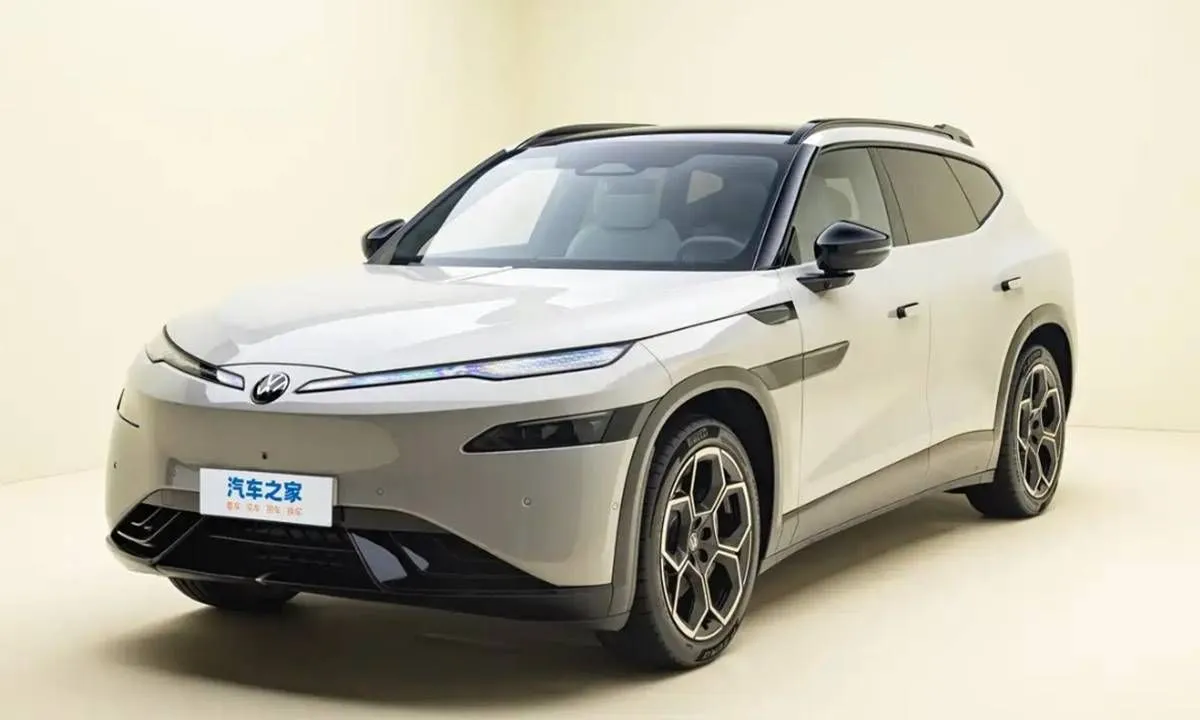
Volkswagen sought a partner in Xpeng to help it regain ground in China. The idea made sense: combining the German manufacturer’s industrial expertise with the technology of a brand accustomed to competing in China’s fast-paced market. However, the commercial launch of their first joint model shows that having a strong technological foundation alone is not enough to convince buyers.
According to Reuters, the Volkswagen ID. UNYX 08 sold an average of 267 units per month from its launch in April to August. The gap compared to expectations is huge: internal documents reviewed by the agency show that Volkswagen had projected an average of 3,622 units per month for this year. In other words, sales account for roughly 7% of that target.
Experts say this is due to a combination of product issues, positioning problems, and distribution challenges. Volkswagen managed to speed up development, but the final version that reached dealerships has struggled to compete with its rivals.
The context makes this setback particularly sensitive. For decades, China was one of Volkswagen’s key growth drivers, allowing the company to maintain market leadership until 2022. The Asian giant has shifted from contributing nearly half of the group’s profits to accounting for only about 10%. Regaining competitiveness there therefore has consequences that go far beyond the sales of a single model.
Chinese technology, but difficulties reaching consumers
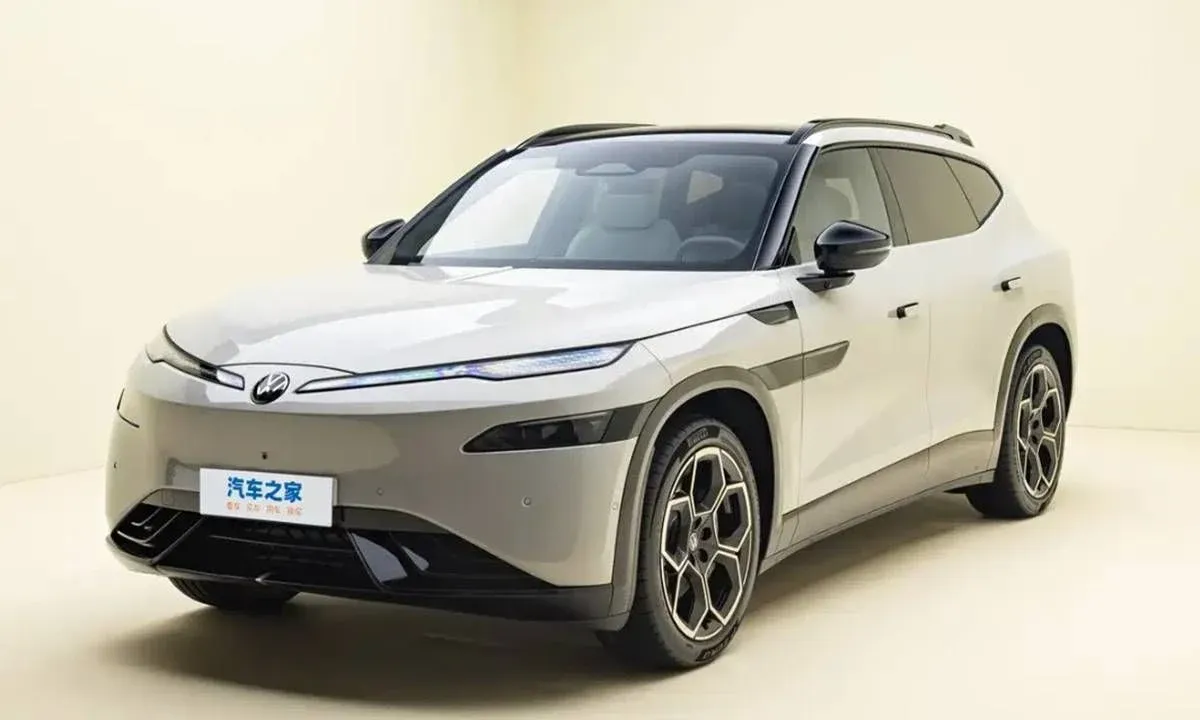
The partnership with Xpeng began in 2023 and later resulted in agreements to jointly develop two electric vehicles. Volkswagen also acquired shares in the Chinese manufacturer, holding a stake of around 4.99%. This was a way to gain access to local technology and shorten the time needed to launch products tailored to a market changing much faster than the product lines of many foreign brands.
Volkswagen claims that the partnership has already yielded results. In its response to Reuters, it highlights the development of a new electric architecture for locally produced models, completed in 18 months, and cites the UNYX 08 and UNYX 09 as other outcomes of this cooperation. The brand did not comment on the business projections outlined in internal documents, while Xpeng declined to make any statements.
The problem is that their competitors have not stayed idle either. Reuters notes that Chinese models in a similar price range offered technological advantages that were hard to ignore: the Xiaomi YU7 stood out for its suite of sensors, while the Zeekr 7X excelled in fast charging. Between April and August, sales of the Xiaomi YU7 approached 57,000 units, those of the Zeekr 7X exceeded 21,000 units, compared to roughly 1,300 units for Volkswagen.
The comparison highlights the difficulty of sustaining a commercial proposition based solely on brand prestige. If other manufacturers offer more attractive equipment and technological features at a similar price point, buyers have fewer reasons to choose the German model. One of the analysts consulted by Reuters also questions the novelty of its design: when Volkswagen showed the first images to analysts in 2024, similar models were already available on the market.
In addition to these difficulties, there is a significant business decision at play. Volkswagen sold the UNYX 08 primarily through a new network linked to Volkswagen Anhui, rather than making widespread use of the more than 3,000 dealerships in its joint ventures with FAW and SAIC. According to sources consulted by Reuters, this reduced presence meant that many consumers were not even aware of the car’s existence.
The company responds that Anhui’s network already has 166 sales outlets, and it is working with FAW-Volkswagen at certain locations to reach more customers. This expansion is necessary to increase visibility for its models, though the commercial challenge remains: attracting customers to the dealerships and convincing them to buy despite an increasingly competitive local market.
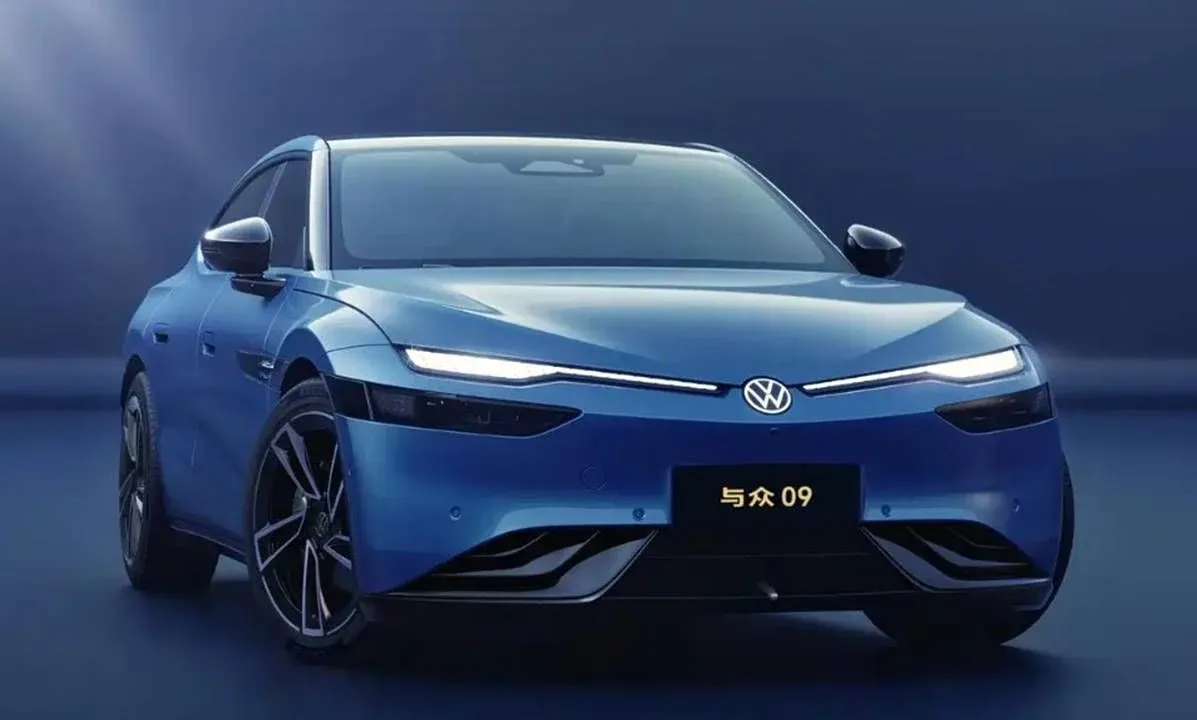
Despite the SUV’s weak start, Volkswagen maintains high ambitions for the UNYX 09, the sedan also developed with Xpeng, which is set to arrive at dealerships this month. Internal plans called for average monthly sales of around 4,900 units. Its launch will determine whether the partnership begins to turn rapid development into commercial success or if Volkswagen needs to reconsider how it positions and sells its new cars in China.