
Volkswagen deepens its crisis with a 10 billion euro hit and more layoffs
Volkswagen is going through one of the most difficult periods in its recent history. The German automaker has once again lowered its forecasts for 2026, now estimating that its operating margin will be at most 1%, far below the 4%-5.5% it previously targeted. The main reason lies in the deteriorating prospects for Porsche, although the issue affects much of the German giant’s business as well.
The group expects to incur around 10 billion euros in one-time costs, of which about 6 billion relates to adjustments related to Porsche. The sports car brand, controlled at 75% by Volkswagen, is particularly hit by the decline in demand for luxury vehicles in China and the impact of U.S. tariffs, two key markets for its performance.
Porsche’s situation has deteriorated rapidly. The brand ended the previous fiscal year with a profit margin of just 1.1% and has reduced its dealership network in China amid increasingly challenging business prospects. Volkswagen now believes its medium-term expectations for Porsche are lower than those it had previously set, which has forced it to make a significant accounting adjustment.
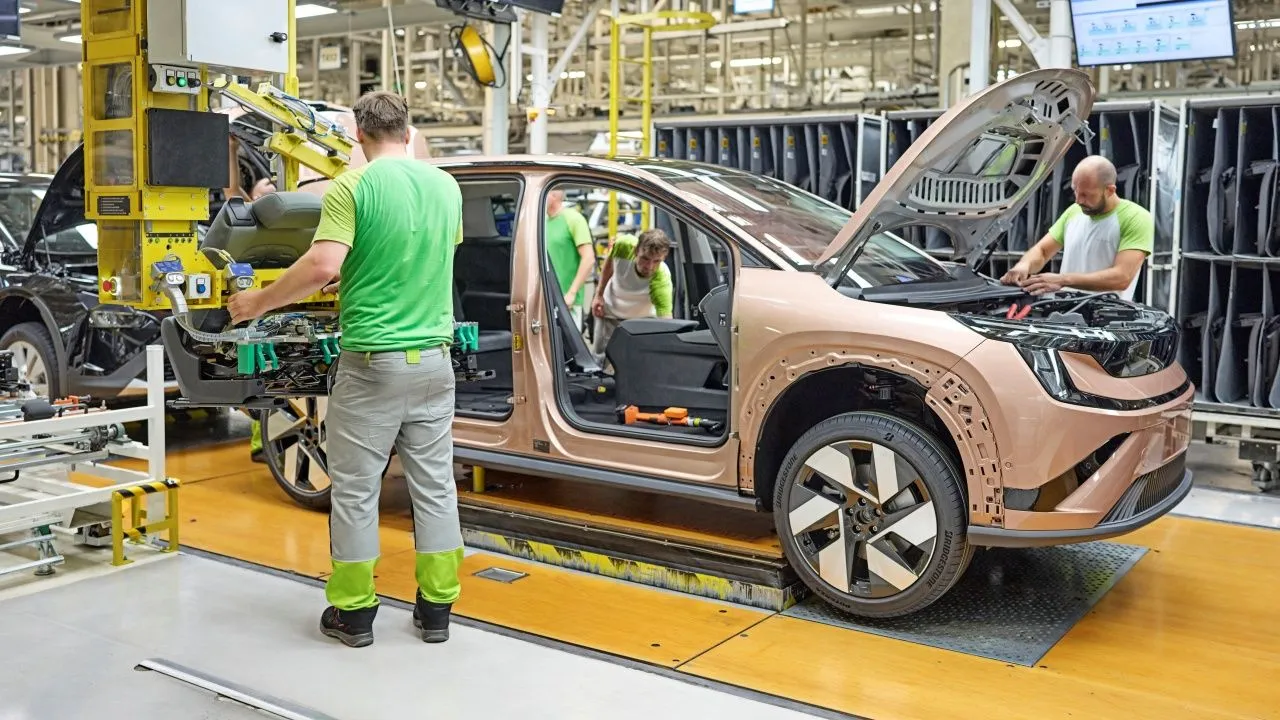
The problem arises at a particularly sensitive time for Volkswagen. The group has just agreed with its shareholders on an extensive transformation plan that includes cutting another 50,000 jobs, simplifying its corporate structure, and potentially closing some factories. The manufacturer had already launched a major cost-cutting program, but worsening market conditions are forcing it to accelerate this process.
China has become one of the main sources of concern. Volkswagen has relied on this market for years, but the situation has changed drastically with the rise of local manufacturers. The group lost its status as the country’s largest automobile manufacturer in 2024 and now faces much stronger competition, especially in the electric vehicle market.
Volkswagen’s CFO, Arno Antlitz, has warned internally that the Chinese market could shrink by 20% for the group. Meanwhile, Asian manufacturers are expanding their presence in Europe, while Volkswagen must deal with rapid changes in demand in its key markets.
This situation is compounded by changes in the United States. New tariffs on imported vehicles are particularly affecting brands with high international exposure, with Porsche being among the group’s companies most impacted by its position in the luxury segment.
Volkswagen also acknowledges that the shift toward electric cars is progressing faster than expected in some markets. The group notes an accelerated shift in demand toward electric vehicles, which is reducing its expectations for the Volkswagen and Audi brands. The problem lies not only in technology but also in the lower margins the group currently earns on some of these models.
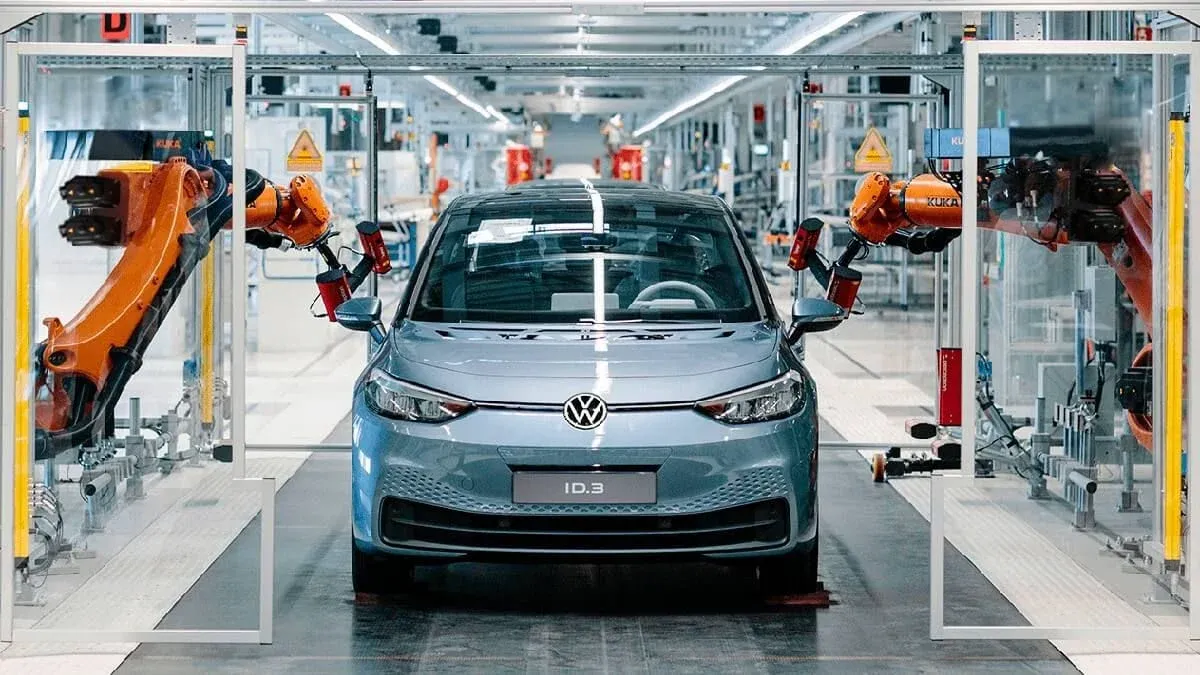
Volkswagen’s dilemma is that it needs to accelerate its transition to electric vehicles while simultaneously trying to restore profitability. The manufacturer has invested billions in new platforms, batteries, and electric models, but price pressures and competition from Chinese manufacturers are making it difficult for these investments to quickly translate into higher profits.
The German group includes brands such as Volkswagen, Audi, Skoda, SEAT, and Porsche, among others, so the decline of one of its divisions ultimately affects the entire company. In Porsche’s case, the drop in expectations has a particularly significant impact due to the brand’s traditional importance in the group’s overall performance.
The financial markets reacted quickly to the announcement. Volkswagen’s shares closed down 5.6% for the day, while Porsche lost 3.3%. Porsche SE, Volkswagen’s largest shareholder and owner of a significant stake in Porsche, also experienced a 4.9% decline.
Volkswagen is thus facing an especially complex set of challenges: weaker demand in China, competitive pressure from Asian manufacturers, new tariffs in the United States, a rapidly changing European market, and a shift toward electric vehicles that requires changes to much of its industrial structure.
The company has already accepted that it cannot maintain its current structure for much longer. The revised forecasts and the billions of euros in write-downs related to Porsche are further signs of the scale of change the group is undergoing. Volkswagen needs to cut costs while accelerating its transformation, at a time when its two major international markets are experiencing profound changes.
The situation could force the manufacturer to make even more difficult decisions in the coming months. With the possibility of further factory closures on the table and another 50,000 jobs expected to be cut, Volkswagen’s transformation is far from over.