
Electric car: when should brake discs and pads be replaced?
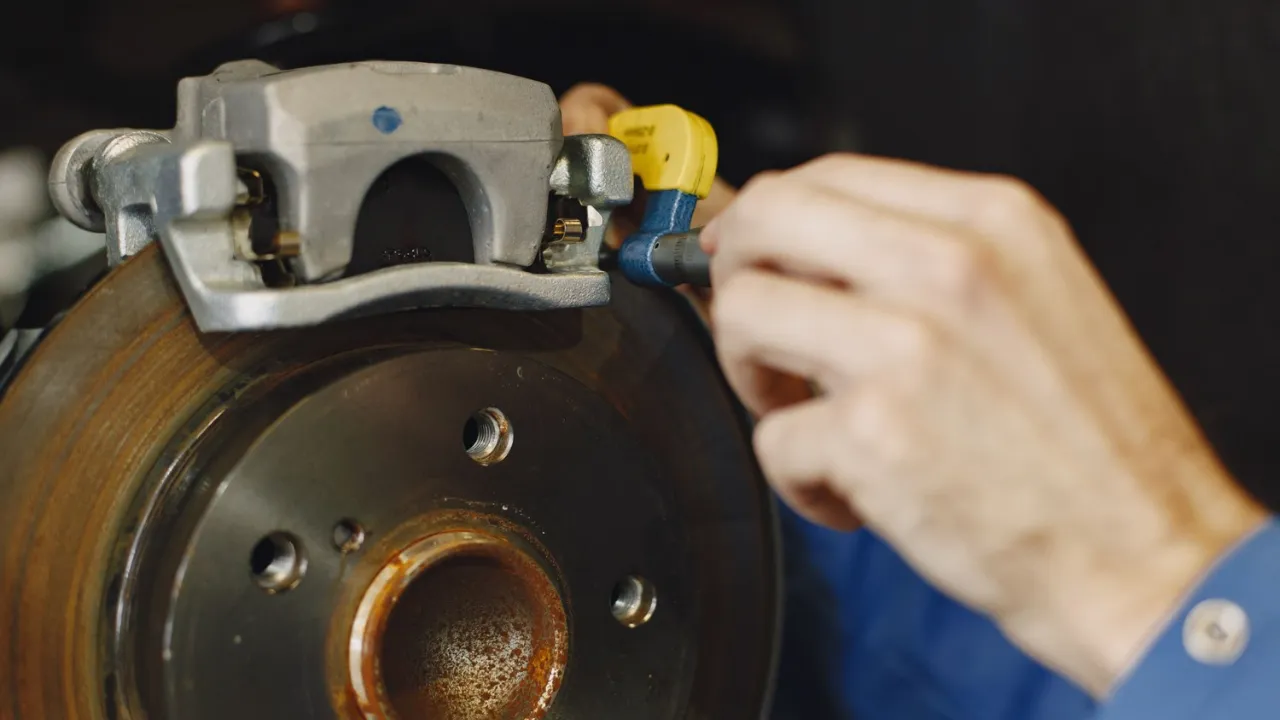
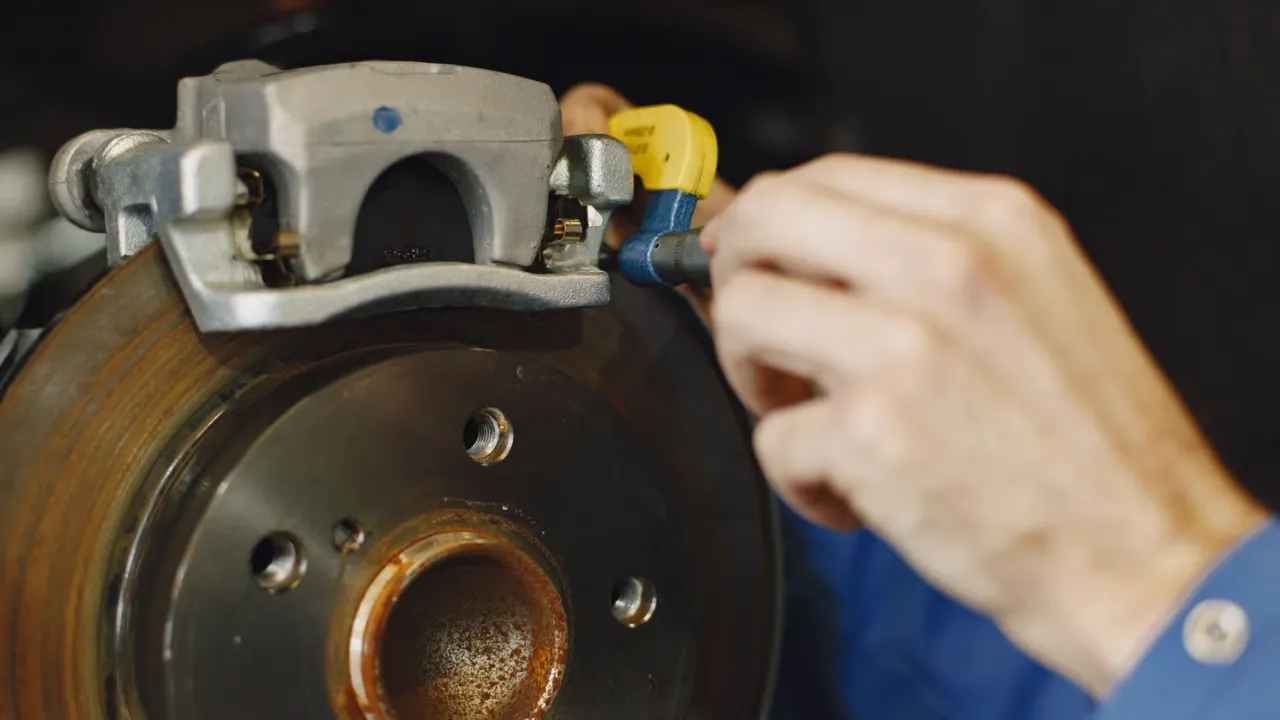
An electric car goes to the garage less frequently than a gasoline vehicle for engine maintenance. It is exempt from oil changes, spark plug replacements, and timing belt replacements. However, some of its components do wear out. This applies especially to tires and brakes.
Liquids age over time. Regenerative braking protects the brake pads, but it puts less strain on the rotors, which are more prone to corrosion. When should the rotors and pads be checked or replaced?
Why do the brakes in an electric car wear down differently?
When the driver releases the brake pedal, the electric motor slows down the car and converts some of the kinetic energy into electricity for the battery. This deceleration is sometimes sufficient to navigate a turn or reach a traffic light. As a result, the rotors and pads are used less frequently.
This slower wear has a downside. Moisture deposits a thin layer of rust on the discs. A few brake applications usually remove it after rain. If mechanical brakes are used infrequently, corrosion can progress further. The calipers and pistons move less, increasing the risk of sticking. Humid climates, outdoor parking, and prolonged idling expose the discs more.
The garage measures the brake pads, inspects the discs, and checks the movement of the calipers. It then recommends replacing the discs and pads or cleaning them.
How often should an electric car be maintained, and what inspections are needed?
Each manufacturer sets the maintenance and service schedule for an electric car based on time or mileage. Some brands recommend an annual check, while others suggest a schedule every 2 years.
The vehicle’s age is an important factor in the maintenance schedule. Over time, brake fluid absorbs moisture even when the car is driven infrequently. The 12 V auxiliary battery gradually loses its capacity, and dust accumulates in the cabin filter.
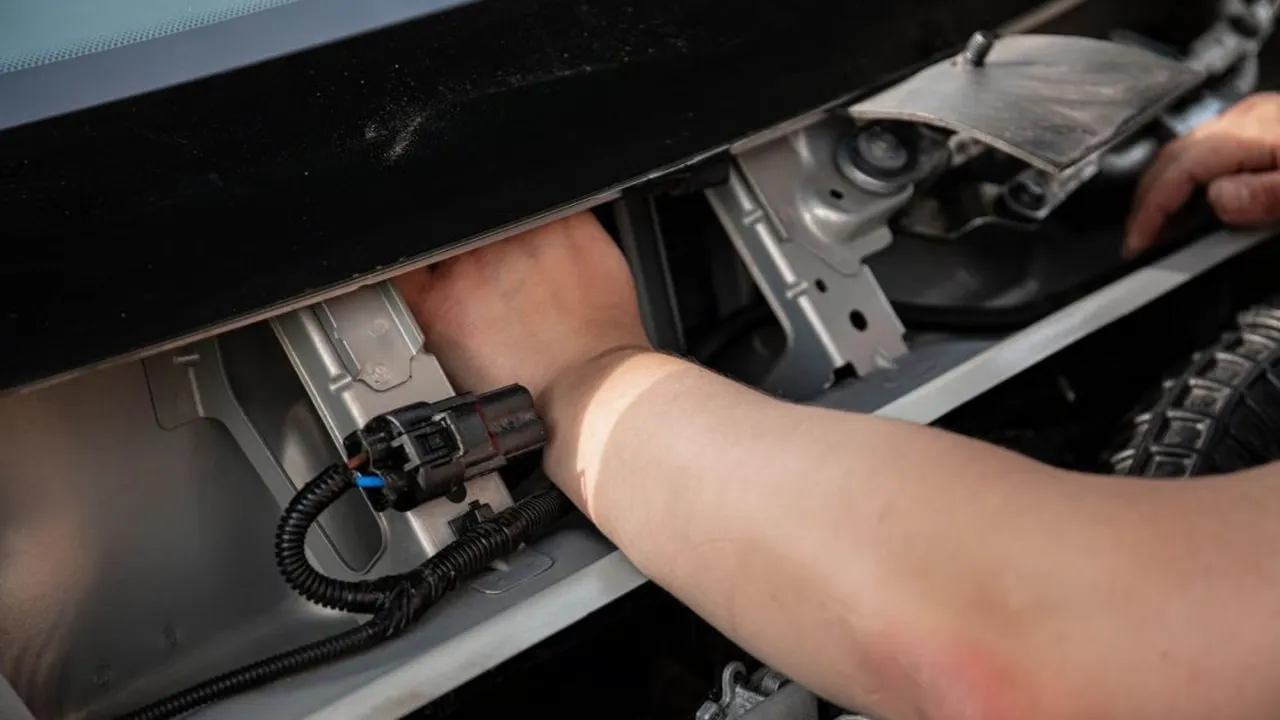
During the service visit, the cooling system of the main battery is checked according to the manufacturer’s recommendations. The mechanic inspects the steering, suspension, lighting, and accessible parts of the charging system.
A tire inspection between two service appointments is also recommended. Check their pressure and wear across the entire width of the tread. The car’s weight and torque can accelerate wear.
When Should Brakes Be Replaced?
The replacement depends on the condition of the components. Two identical cars can wear out their brakes at different rates. Downhill driving, load carried, urban commuting, and energy regeneration levels all affect their lifespan.
The mechanic measures the brake pads and discs, then compares these values to the specifications for that particular installation. They also look for deep scratches, fading, existing corrosion, or uneven wear.
a grinding or metallic noise when braking,
vibrations in the pedal or steering wheel,
a pedal that is abnormally soft or hard,
a vehicle that drifts when slowing down,
a brake or wear light that is on the dashboard.
What are the mechanical and financial risks of delayed maintenance?
If the lining of the brake pad is worn out, its metal backing rubs directly against the disc. The surface of the disc becomes grooved and heats up. Replacing only the pads is then not sufficient; both the pads and discs on each side need to be replaced. With a stuck caliper, a pad can also wear out much faster than the one on the opposite wheel.
The braking efficiency decreases as the wear progresses. The car pulls to one side, the brake pedal behaves differently, and the stopping distance may increase. Severe damage can result in the vehicle being immobilized, with towing costs adding to the bill.
When the first symptoms appear, the estimate may cover only a common worn part. After several weeks, the brake discs or calipers might become part of the repairs.
What does the garage check on the braking system?
The technician inspects the brake pads, discs, calipers, hoses, and brake fluid. He then investigates the source of any noise, vibration, or pull to one side. After replacement, a final check is done on the installation and functionality of the parts.
AD, a subsidiary of Autodistribution, is France’s leading network of independent multi-brand repair shops. The garages in its network handle routine maintenance, mechanical repairs, and body work for vehicles of any brand. The quote details the planned work, and the services are covered for 24 months, including parts and labor.