
Electric cars: Faced with soaring fuel prices, 24% of adults are ready to make the switch
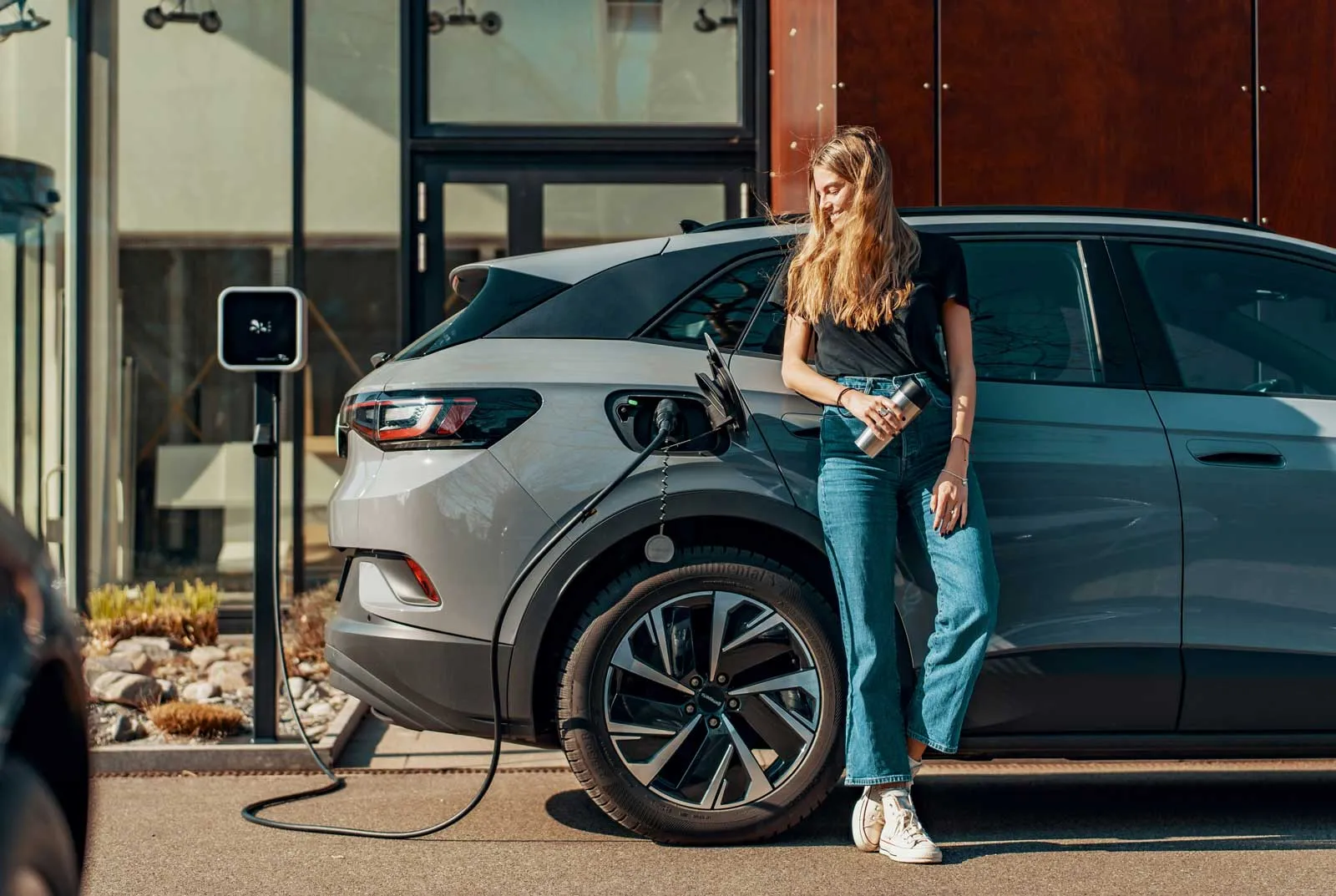
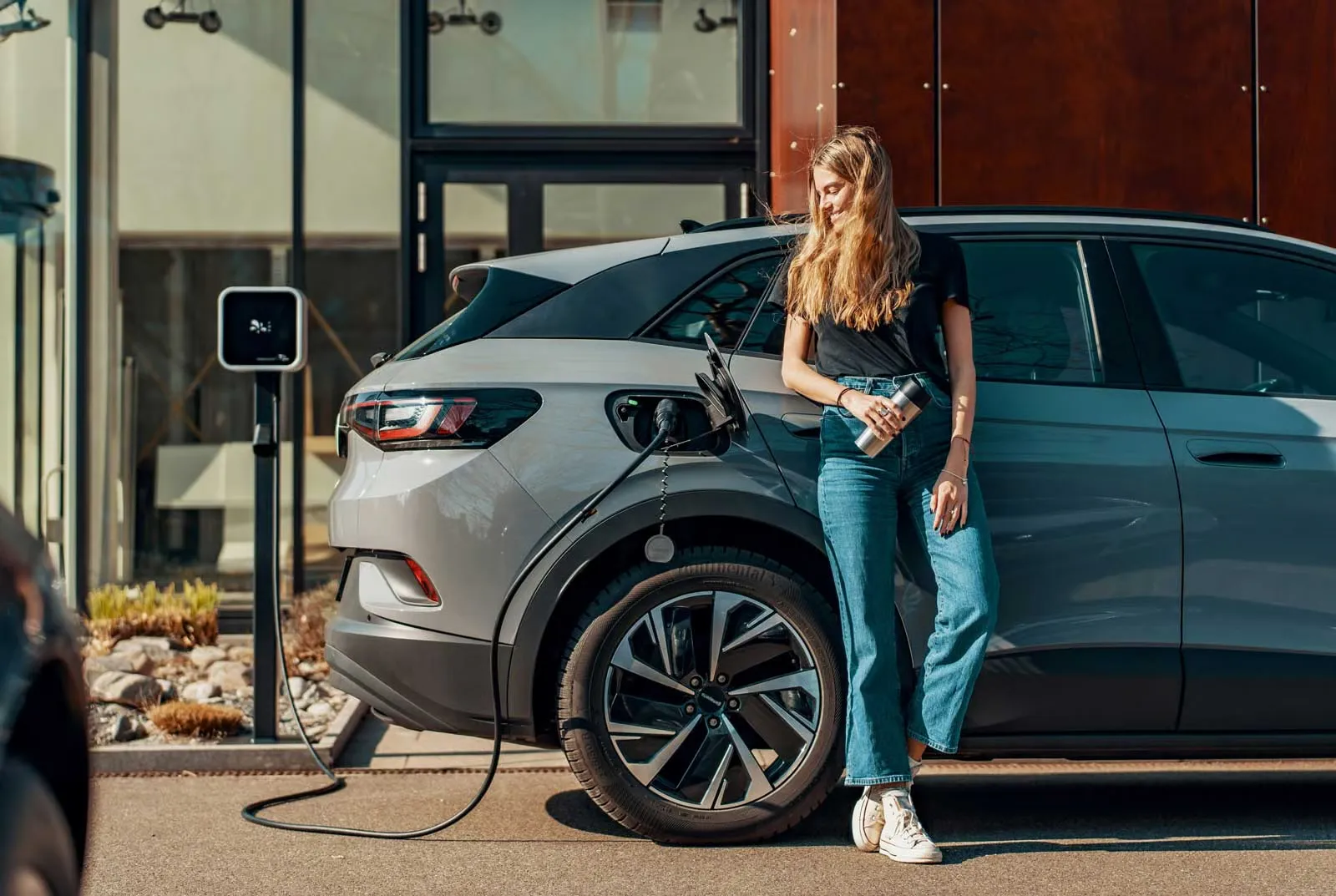
Electric vehicles are gaining ground in French consumers’ purchase intentions. According to the 2026 Alphabet France x Ifop survey, 24% of adults would now choose a fully electric model for their next car, up from just 17% a year earlier. This increase is driven largely by the rising cost of fuel.
In daily commutes, gasoline-powered vehicles still dominate by a large margin. But when it comes to choosing their next car, French adults seem to be looking elsewhere already. This is one of the main findings of the tenth edition of the survey conducted by Ifop for Alphabet France, carried out from June 22 to 26, 2026, among 1,002 French adults.
Renewal intentions shifting toward electric vehicles
In practice, the transition remains slow. Among those who drive to work, 84% still use conventional vehicles. The so-called “electrified” models—encompassing fully electric, regular hybrids, and plug-in hybrids—account for 15% of the fleet in use, up from 14% a year earlier.
But purchase intentions tell a different story. If they were to change vehicles, 60% of respondents would now choose an electric or hybrid powertrain, up from 52% in 2025.
Fully electric vehicles show the most significant increase: 24% of respondents consider them for their next vehicle, compared to 17% last year. In contrast, gasoline and diesel vehicles now only receive 38% of intentions, down from 45% in 2025.
Also read
Volkswagen ID.Cross: Up to 9,145 € in purchase subsidies available for the new compact electric SUV
Rising fuel prices pushing French people to consider electric vehicles
Why such a change? Unsurprisingly, cost is one of the main drivers. 58% of respondents cited economic factors, up from 57% in 2025.
Fuel prices play a significant role as well: 73% of respondents say their volatility encourages them to consider an electric vehicle. For 28% of those surveyed, it’s even their primary motivation. Although this factor tends to be less important compared to previous years, environmental concerns remain a key consideration. 49% of respondents mentioned it, down from 56% in 2025 and 50% in 2024.
The pleasure of driving, often emphasized by car manufacturers, seems to carry much less weight in this context. It now receives only 17% of mentions, down from 27% a year earlier.
A sense of constraint is also evident in the responses. While 34% of respondents believe electric cars represent the future, 27% think they will soon have no other choice, up from 21% in 2025.
Also read
Eco-score reform: Are there bad surprises ahead for subsidies on electric cars?
Price, range, and charging… the main obstacles remain
The growing interest in electric vehicles does not mean that all obstacles have disappeared. Among drivers of conventional and hybrid vehicles, 39% say they are ready to switch to fully electric cars now, up from 32% in 2025.
Purchase price remains the top barrier, cited by 63% of them, with little change in this figure. Conversely, 58% of those interested in electric vehicles consider the cost savings over time to be a real advantage.
Range continues to concern 40% of drivers of conventional cars, even though new models typically offer a range of 300 to 600 kilometers on WLTP cycles depending on their battery capacity.
The time required to recharge is another obstacle: 42% of respondents find charging too slow, up from 40% in 2025. Additionally, 37% still say they cannot plug in their cars at home or at work.
