
Vinci, ADEME, and Epopée Gestion are investing in the charging of electric trucks

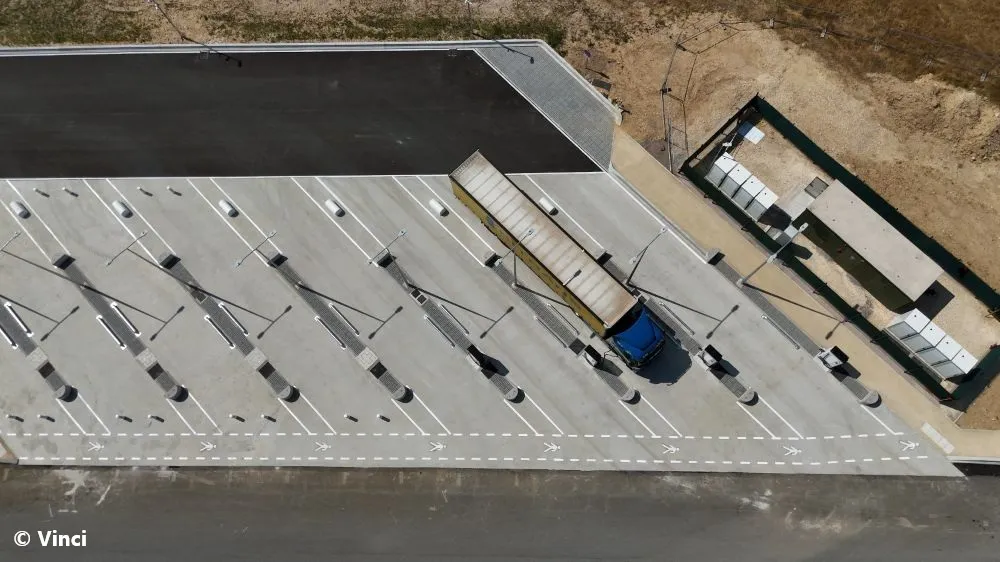
Decarbonizing road transportation is a key challenge in the fight against climate change. By reducing our energy dependence, it also represents an issue related to sovereignty. However, this decarbonization process faces obstacles today due to the lack of charging infrastructure for electric trucks. To address this, Vinci Concessions, ADEME Investissement, and Epopée Gestion have recently formed a partnership. Together, these three partners will invest 90 million euros to fund the first phase of 20 charging stations. This network will be operated by Voltix, a subsidiary of Vinci. While the first stations will be established in France, the goal is to expand this network across Europe. Additionally, to meet the needs of transport operators, these charging stations will be equipped with bor
high-power charging stations.Three partners involved
Vinci Concessions, ADEME Investissement, and Épopée Gestion have announced the formation of a partnership to accelerate the electrification of heavy vehicles. Together, the three partners will invest 90 million euros to fund the first phase of 20 charging stations. Bringing together an industry player, a public sector entity, and a regional investor, this initiative combines three complementary stakeholders. Vinci Concessions is a long-term investor in mobility infrastructure across France and around the world, with ambitions driven by investments in electric vehicle charging networks. Its subsidiary Voltix, dedicated to heavy vehicle charging infrastructure, will lead this project. The initiative is supported by ADEME, which is contributing to its development as part of ongoing public policies aimed at decarbonization and energy independence.
As a regional investor, Épopée Gestion also supports this innovative project based at the major logistics hubs in various regions.A network backed by Voltix, a Vinci subsidiary
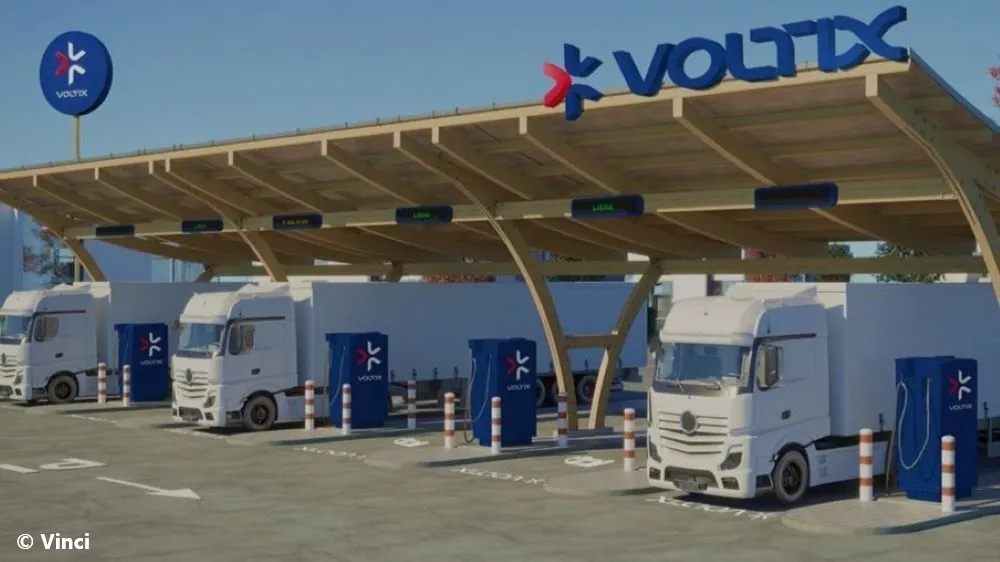
As a Vinci subsidiary, Voltix will lead this project to establish a network of charging stations for electric heavy trucks. Founded in 2023 amid the growing demand for electric heavy trucks, Voltix leverages Vinci Group’s expertise and organizational capabilities. It will handle the entire project lifecycle, starting with site selection, engineering, and the selection and deployment of charging technologies. Once the stations are built, it will also be responsible for their operation and maintenance. The first station is expected to open in early October in Vierzon, Cher—a location at the intersection of several routes serving central France—ensuring it can meet the needs of transporters operating on both regional and long-distance routes. The first phase of the project will include around twenty stations spread across various locations.
and the axes of France’s road network.France prepares for a European rollout
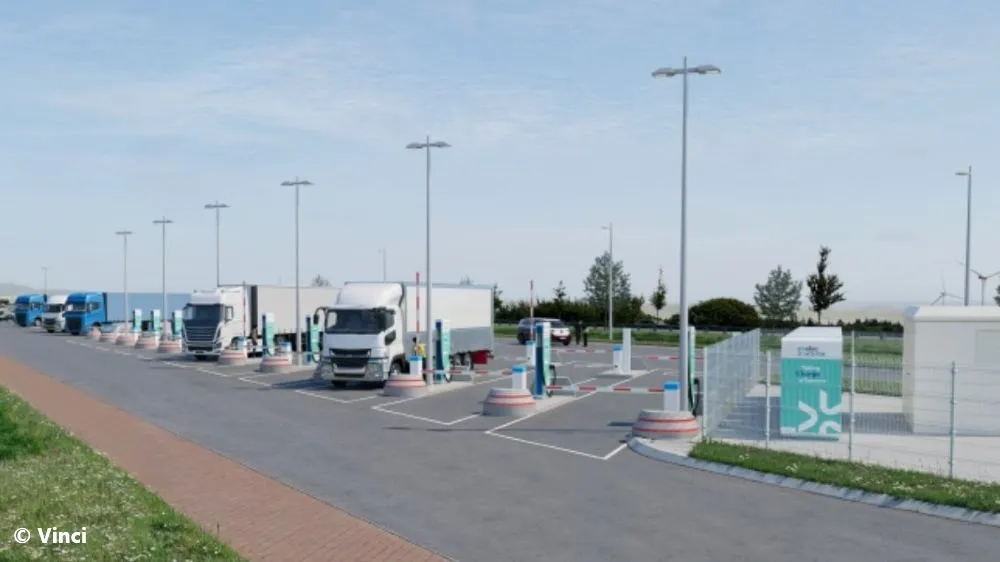
The installation of the first charging stations in France will serve as a precursor to a European-wide rollout. Expanding the network is already planned in Spain and Germany. In Germany, Vinci Concessions has recently won a major contract to deploy 25 charging stations for heavy trucks. These stations are not part of the project led by Voltix. It should be noted that European subsidies from the CEF-AFIF programs will supplement the 90 million euros in investment by the French consortium. For the European Union, this is an effort to establish a continental charging corridor for heavy trucks. This aligns with the strict rules it now imposes on manufacturers to accelerate the decarbonization of road transport. Manufacturers are thus required to reduce emissions by 90%.
Reduce heavy vehicle CO2 emissions by 2040.A high-capacity network to meet transporters’ needs
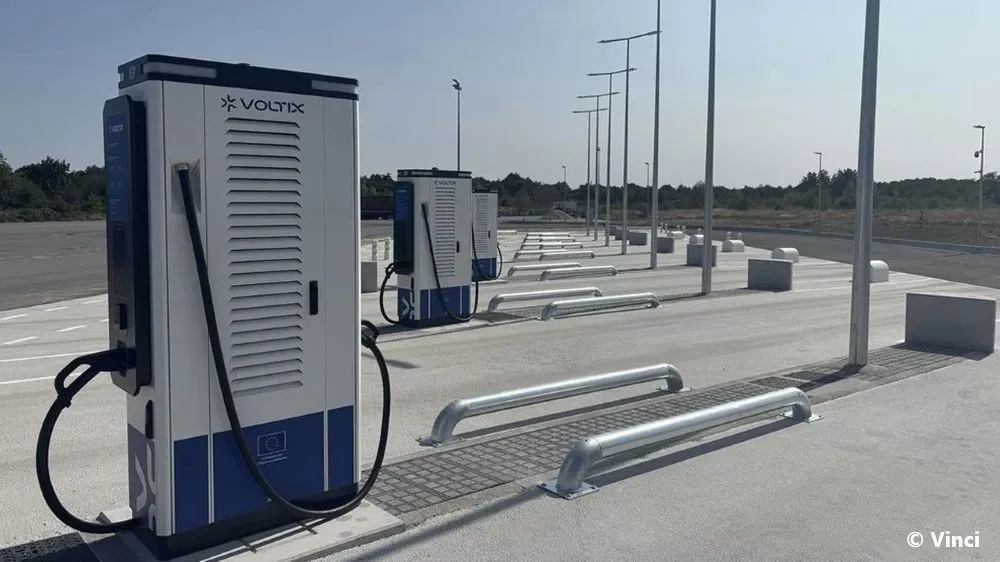
Voltix stations meet the real needs of transport companies in terms of accessibility, safety, reliability, and digitalization. They will primarily feature very high-power charging stations. At the heart of this system is the Megawatt Charging System (MCS). This charging standard was specifically designed to deliver powers in the megawatt range. The goal is to enable a truck to regain an equivalent of 4.5 hours of driving range in less than 45 minutes—a duration that matches the mandatory break a driver must take after several hours of driving. This alignment is essential to meet the operational requirements of transport companies and reduce driver fatigue. It paves the way for electric trucks to be used on all types of routes, including the longest ones.