
Vianode and FAAM report successful graphite recycling from battery waste
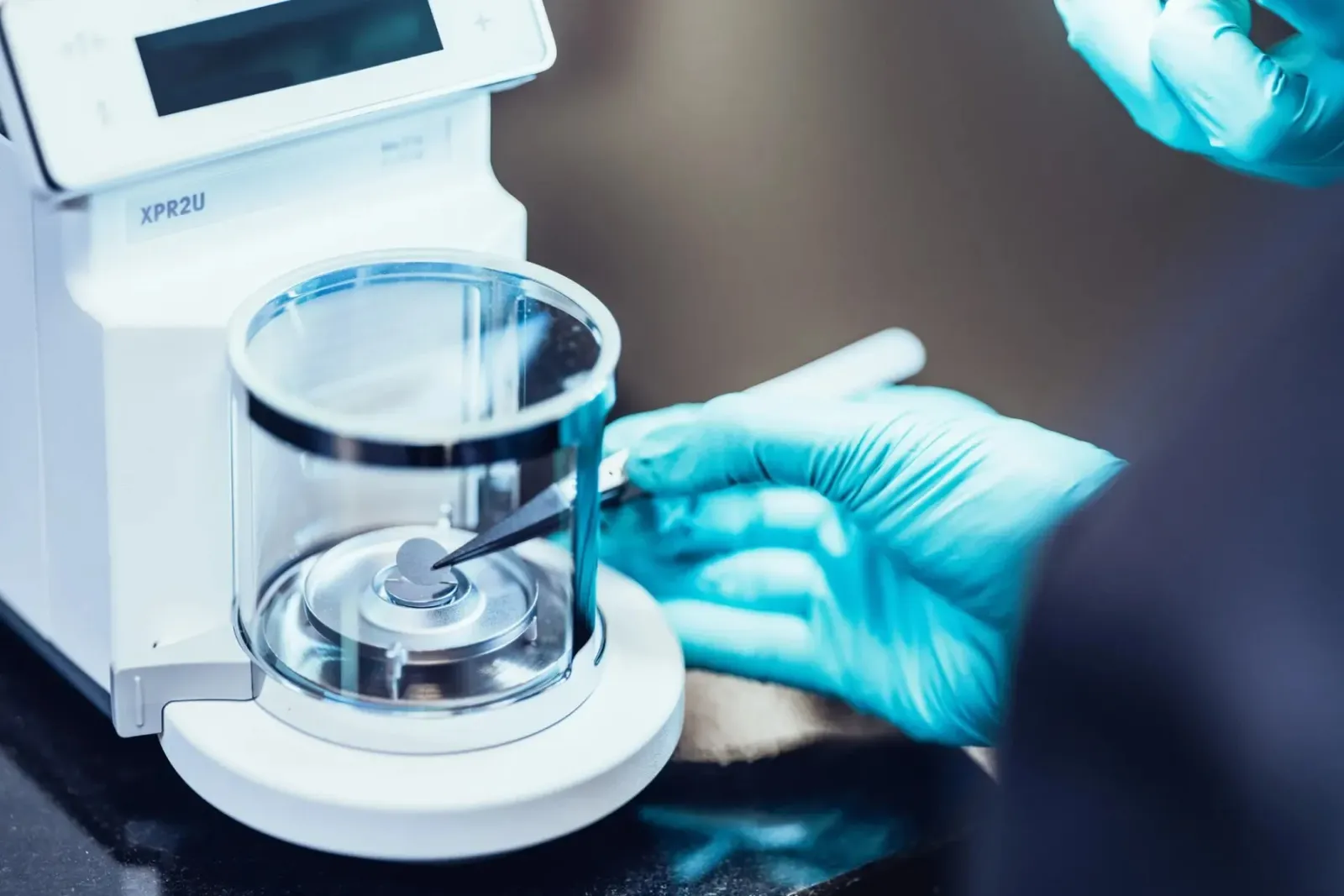
Norwegian battery materials specialist Vianode and Italian battery manufacturer FAAM are demonstrating how graphite from battery production waste can be recycled into high-performance anode materials. Both companies now aim to scale up their approach for industrial use.
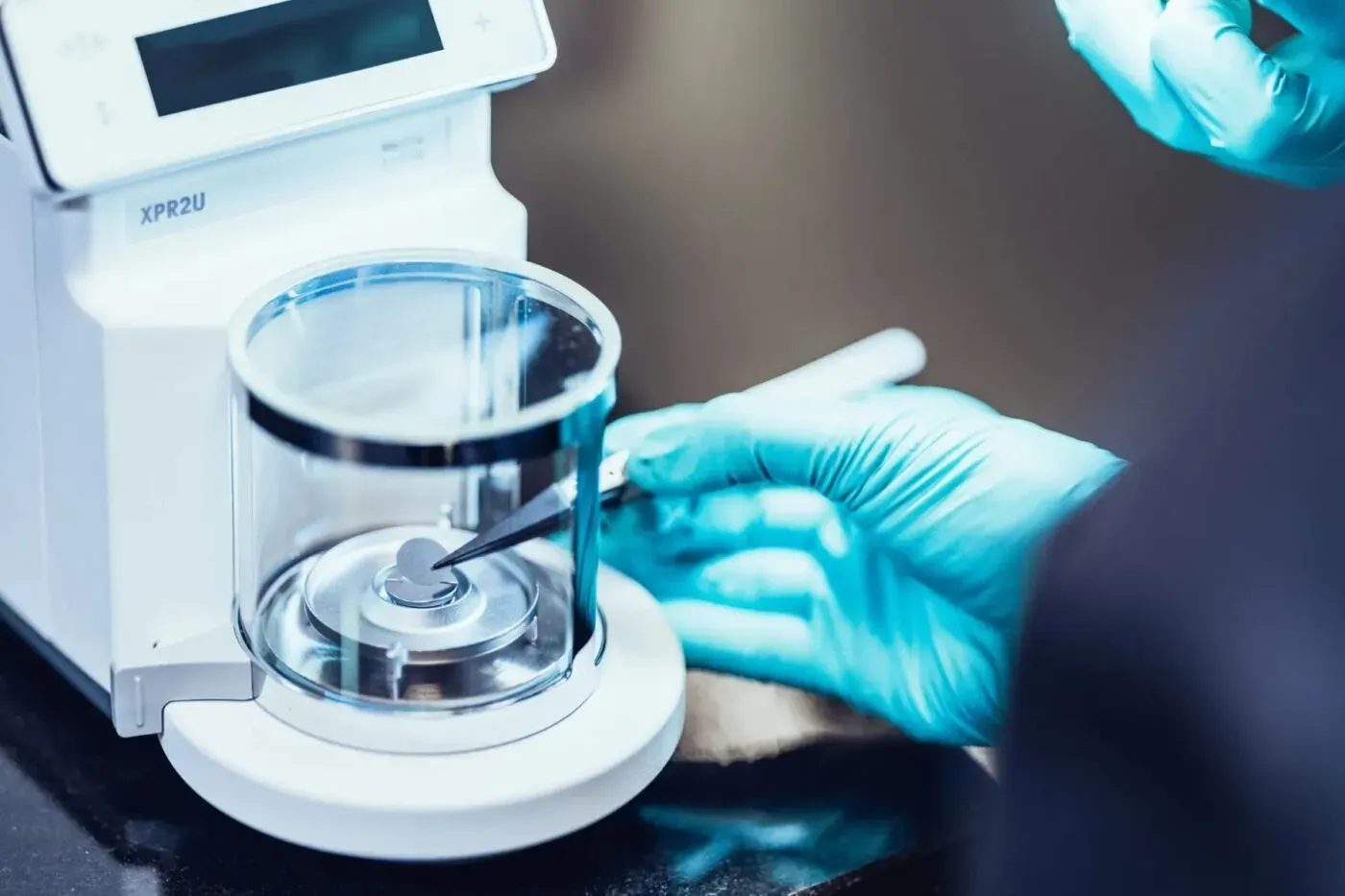
Image: Vianode
Both partners report on a joint development and training program under which Vianode processed graphite concentrate into new battery materials recovered from production waste from anode manufacturing at battery manufacturer FAAM. Subsequent tests, according to Vianode, showed that the recycled product “provides electrochemical performance comparable to that of new graphite materials.”
According to Vianode, the company contributed its manufacturing technology for synthetic graphite and FAAM, along with its expertise in battery production, to this project. They describe their demo as another step toward addressing one of the biggest challenges in the battery industry related to circular economy: namely, the recovery and reuse of graphite while maintaining the performance, purity, and consistency required for lithium-ion batteries.
Building on the results now presented, the companies aim to expand their collaboration in order to scale up the recycling process for industrial use and further integrate recycled graphite into battery production. The goal is to create a circular solution that improves resource efficiency, reduces waste, and strengthens regional battery supply chains, according to a accompanying statement.
Background: While recycling infrastructure for battery metals such as nickel, cobalt, and copper is making progress, graphite recycling remains a complex challenge. “Due to strict requirements for material purity and battery performance, large-scale recovery and reuse of graphite in battery quality has so far only been possible to a limited extent,” says Vianode’s headquarters in Oslo. However, the current collaboration shows a viable path to closing this gap.
"This collaboration shows that graphite recycling can be both efficient and scalable," says Stefan Bergold, CCO at Vianode. "By using our proprietary graphite technology, we can reintroduce production waste directly into the battery value chain without compromising quality. This also highlights how important it is for European companies to pool their efforts to strengthen regional supply chains and accelerate the transition toward a more sustainable battery industry." The Norwegian battery materials specialist also intends to work closely with the German battery recycling company Cylib in this context.
Andrea Civitillo, CEO at FAAM, added: “This success confirms that a circular economy for graphite is no longer a theoretical goal but a concrete and scalable industrial reality. By combining our manufacturing expertise with Vianode’s advanced material technology, we demonstrate that production waste can be reintegrated into the process without compromising performance.”
