
Verivox analysis: “Electric cars have never been this much cheaper than internal combustion engines”
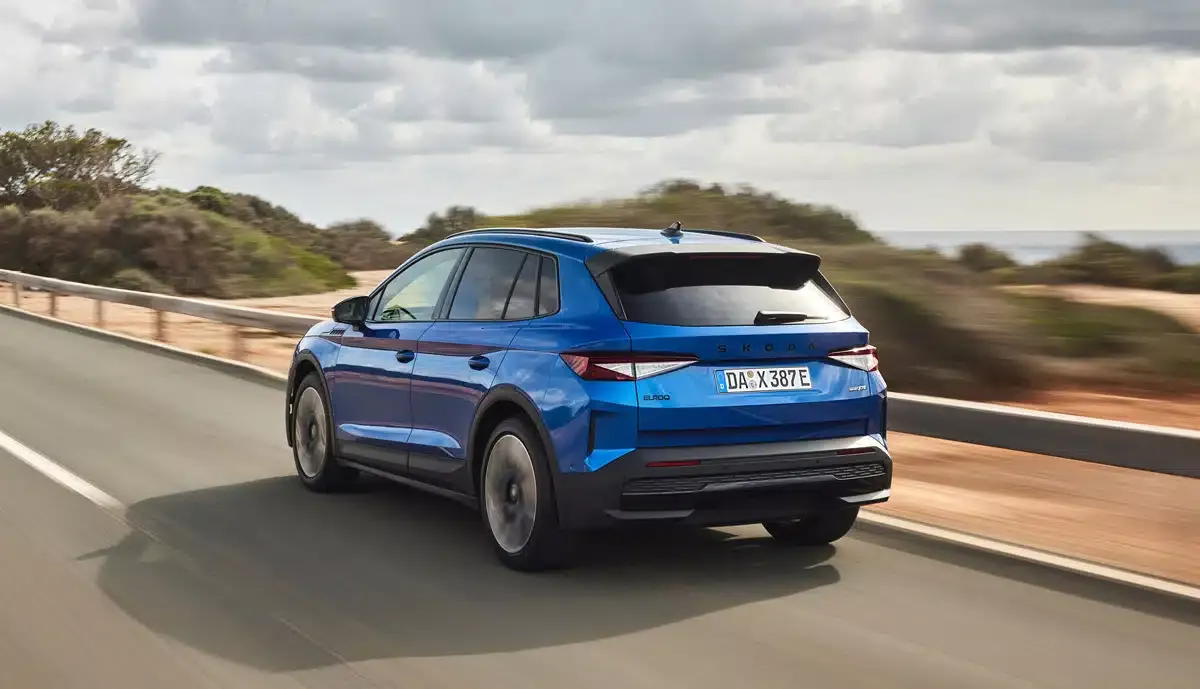
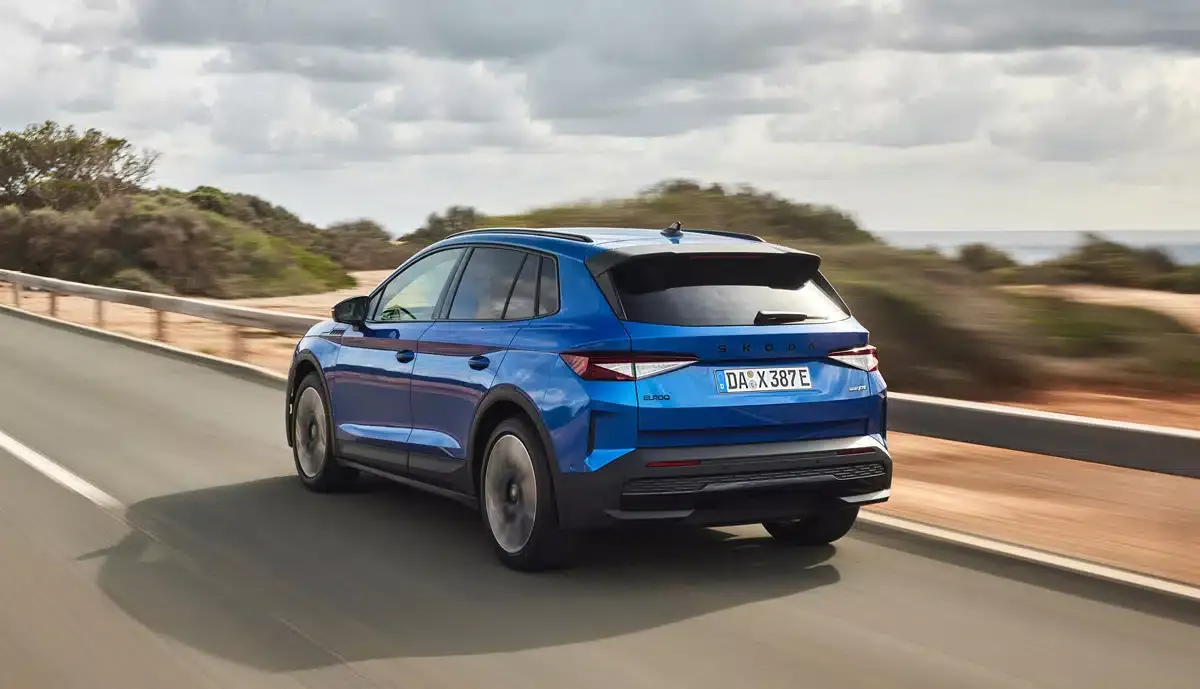
Image: Skoda (illustrative)
High fuel prices are making electric cars increasingly attractive, as their operating costs are lower than ever compared to gasoline vehicles. Those who charge an electric car of mid- or upper-class range at home currently incur operating costs that are about 70 percent lower than those of a gasoline car and about 56 percent lower than those of a diesel vehicle. This is according to a study by the comparison website Verivox.
The Verivox analysis was published as of September 17, 2026. According to it, the average household electricity price in September 2026 is 32.29 cents per kilowatt hour (kWh). A mid-to-high-end vehicle with an average consumption of 16.9 kWh incurs electricity costs of around 5.44 euros for a driving distance of 100 kilometers.
For a mid-to-high-end car, the same driving distance over the past seven days (starting from September 17, 2026) cost around 18.02 euros for a gasoline vehicle and 12.47 euros for a diesel vehicle. Thus, driving an electric car was on average 70 percent cheaper than using E10 gasoline and 56 percent cheaper than diesel.
In the seven days prior to Verivox’s analysis, a liter of diesel cost an average of 2.40 euros, which was indeed more expensive than a liter of E10 gasoline (2.28 euros). However, the average fuel consumption per 100 kilometers was 5.2 liters, significantly lower than that of gasoline engines at 7.9 liters.
"The difference in driving costs between electric vehicles and internal combustion engines is currently particularly large. This makes switching to an electric vehicle even more attractive. To take full advantage of the cost savings in fuel expenses, a home charging station is necessary," said Thorsten Storck, energy expert at Verivox.
Charging at a home station is much cheaper than at charging stations
A comparison of electricity prices shows that charging at home using household power via a wall charger (32.29 cents/kWh) is significantly cheaper than charging at public charging stations (52 cents/kWh for normal charging or 60 cents/kWh for fast charging, as of March 2025). Charging while on the road is 61 percent more expensive (for normal charging) or 86 percent more expensive (for fast charging) than charging at home.
Compared to gasoline and diesel, however, charging even at expensive stations is still cheaper than driving a combustion engine vehicle. For example, normal charging at a station in March 2025 cost 8.77 euros per 100 kilometers, while fast charging cost 10.12 euros. Thus, even expensive fast charging was 44 percent cheaper than gasoline and 18 percent cheaper than diesel.
"Electric cars are most worthwhile for households that can charge them cheaply at home. Those who have not only their own wall charger but also a photovoltaic system with a home battery can further reduce the driving costs of electric cars using a good energy management system. Electric cars are less advantageous for households that don’t have their own wall charger and rely on public charging stations," says Storck.
Also interesting
About the author
Thomas Langenbucher is an expert in electromobility with professional experience in the automotive and financial industries. Since 2011, he has been covering electric cars, sustainable technologies, and mobility solutions on ecomento.de. Learn more.
Reader interactions