
“Phaseout of Internal Combustion Engines by 2035”: German-French agreement divides politics and industry
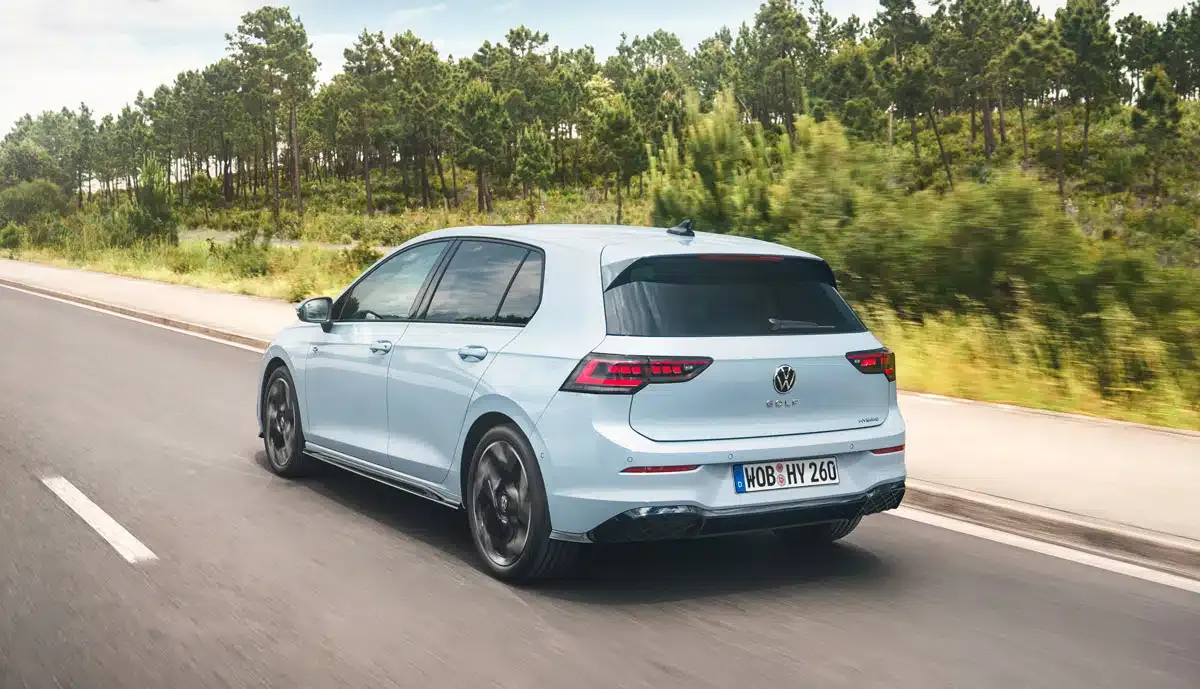
Image: VW (illustrative)
Germany and France have reached an agreement on a common stance regarding the relaxation of Europe’s ban on internal combustion engines starting in 2035. The German-French declaration calls for greater regulatory flexibility for automakers as well as stronger incentives for vehicle production in Europe. This could allow new cars with internal combustion engines to remain approved in the EU even after 2035. The agreement receives support from government parties and parts of the automotive industry, while the Greens and environmental groups warn of negative consequences for electric mobility.
The core of the compromise is a reduction in the CO₂ reduction target for new passenger cars from originally 100 percent to 90 percent compared to 2021. Unlike the European Commission’s proposal from December 2025, manufacturers will not be required to fully compensate for the remaining 10 percent under the German-French approach. Additionally, European production sites, battery manufacturing, and climate-friendly materials are set to be given greater consideration. The existing EU regulations have not yet been repealed, as the changes must first be approved at the European level.
Chancellor Friedrich Merz (CDU) describes the agreement as a success for car owners and jobs in Europe. “Let me put it simply: The end of internal combustion engines is now history,” said the CDU politician. “We are receiving a lot of support for this.”
Bundesfinanzminister Lars Klingbeil and Bundesumweltminister Carsten Schneider (both from the SPD) also welcome the compromise, linking it to expectations for investment and job security in German manufacturing sites. “Electric cars will definitely become dominant because they are technologically superior and allow people to save a lot of money on fuel,” said Schneider. “The key question now is where these cars will be manufactured in the future. Our goal is that they are made in Europe, not just in China.” The environment minister remains committed to advancing electric mobility and calls for additional measures to offset higher emissions.
The Greens, on the other hand, criticize the relaxation of climate targets. Swantje Michaelsen, the Greens’ spokesperson for transport policy in the Bundestag, warned according to Reuters of new uncertainties for manufacturers and a threat to their competitiveness.
The automotive industry views this agreement differently. The German Association of the Automotive Industry (VDA) welcomes the reduced CO₂ target for 2035 and greater technological openness, but calls for further adjustments in the accounting of renewable fuels and climate-friendly materials. Additionally, VDA President Hildegard Müller criticizes the deadlines set for European battery production. The European manufacturers’ association ACEA also regards this agreement as progress, but still sees insufficient flexibility in meeting CO₂ fleet limits.
Among manufacturers, Volkswagen, Renault, and Stellantis particularly welcome efforts to establish more flexible rules and strengthen European production sites. At the same time, there are differing views regarding the planned preference for European value creation. Toyota, for example, calls for Turkey and Japan to be more closely involved in such regulations alongside the UK.
The environmental organization Transport & Environment (T&E) opposes any relaxation of these rules, warning that it could slow down the rollout of electric vehicles. According to T&E, weakening these requirements might hinder investment in electric drives and European battery supply chains.
For consumers, such a change to EU regulations would primarily enable a wider range of propulsion technologies in new cars after 2035. Economically, the planned changes mainly affect manufacturers with a high proportion of internal combustion engines and plug-in hybrids, as well as suppliers of related components. According to their joint statement, Germany and France firmly adhere to Europe’s goals for advancing electric mobility. The specific details of the CO₂ requirements and the planned European subsidy criteria now depend on further negotiations in the EU Council and the European Parliament.
Also interesting
About the author
Thomas Langenbucher is an expert in electromobility with professional experience in the automotive industry and finance sector. Since 2011, he has been covering electric vehicles, sustainable technologies, and mobility solutions for ecomento.de. Learn more.
Reader interactions