
Electric car sales in Spain: September 2026
While registrations for vehicles with internal combustion engines still rely heavily on corporate, fleet, and rental operations, electric cars have capitalized on demand from individual buyers to record one of their best performance periods.
This shift is also evident in market distribution. Tesla once again had a particularly strong month, as usual at the end of the quarter, while Leapmotor and Geely have made a significant impact by placing several of their models among the best-selling electric cars. The result is an increasingly challenging environment for traditional automakers, especially those in Europe.
The data collected by Luis Valdés also shows that growth is not driven solely by companies. The private sector has become one of the main drivers of the electric vehicle market, to the extent that registrations of electric cars for private use increased by 91% compared to the same month last year.
Electric cars reach 18.4%, with private buyers accelerating change
The Spanish market closed September with a new record for electric cars, which accounted for 18.4% of all registrations. This figure is particularly significant as it comes at a time when registrations for conventional gasoline vehicles are showing much weaker growth.
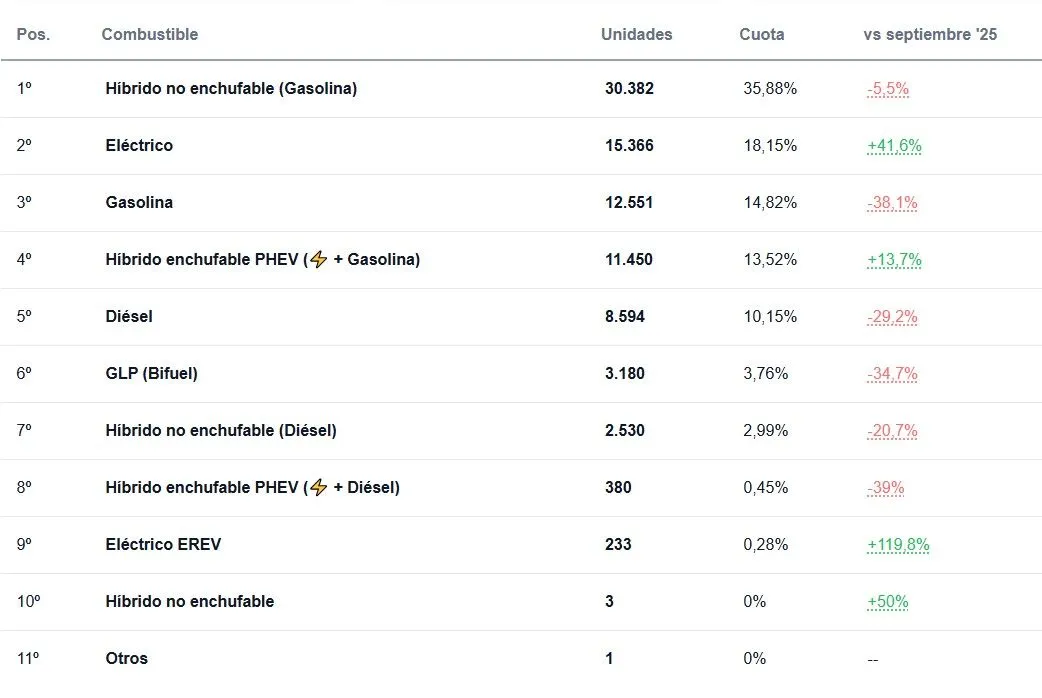
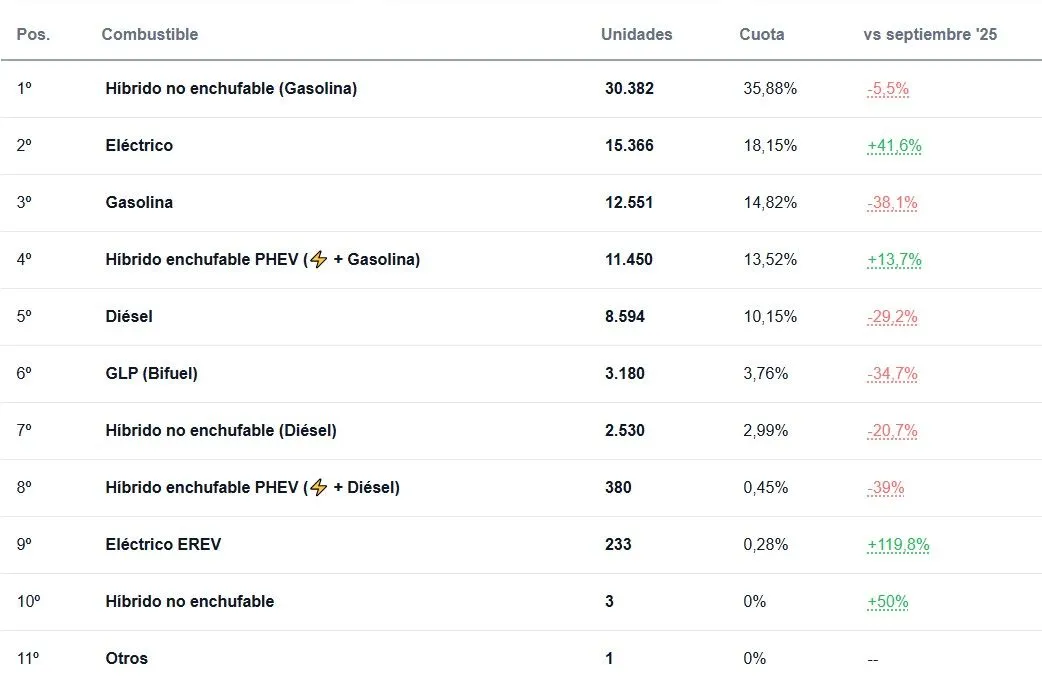
The data available from DGT shows 14,942 electric vehicles (BEVs) as of September 29, up from 8,952 during the same period last year, representing a growth of 66.9%. Plug-in hybrids (PHEVs) totaled 11,276 units, 31.6% more than a year earlier, accounting for a 13.8% market share.
The difference becomes even more interesting when looking at who is purchasing these cars. Of the electric vehicle registrations recorded during the analyzed period, 11,469 were owned by individuals, accounting for 76.8% of the total, compared to 3,473 units registered by companies.
This is precisely where one of this month’s key points emerges. According to the analysis, private purchases of electric cars rose by 91% year-on-year, while the rest of the market made little progress. The analyst’s interpretation is that traditional brands have relied on large volumes of automatic transmissions to sell their internal combustion engine models, while real demand is gradually shifting toward electric cars.
As electric and plug-in systems grow, contrast arises from traditional engines, which are losing ground more noticeably. As of September 29th, gasoline cars totaled 12,551 units, a 38.1% decline, leaving them with a market share of 14.8%, while diesel cars numbered 8,594 units, 29.2% fewer than a year earlier, accounting for 10.15% of the market.
Non-plug-in hybrids tell a different story. With 32,771 units, they saw an 12.4% year-over-year increase and remain the most prevalent technology in the market, holding a 35.8% share.
Market Share by Technology: September 2026
Non-plug-in hybrids: 35.8%
Electric cars: 18.4%
Gasoline: 14.8%
Plug-in hybrids: 13.8%
Diesel: 10.1%
Others: 7.1%
The September analysis focuses precisely on this phenomenon. Automated combustion engine models are playing a significant role, and some of these units will eventually end up in the used car market. Meanwhile, it is believed that delays in certain fleet operations and the adoption of automation are preventing the electric vehicle market from reaching a share close to 20% yet.
Electric car sales in Spain: brands
Tesla maintains its leadership thanks to the Model 3 and Model Y, but the biggest growth story is Leapmotor. This Chinese brand has had four models among the top 30 most registered electric vehicles, while BYD also features four models in that ranking. Geely adds two more, XPeng one, and Deepal another. Overall, Chinese presence is overwhelming compared to European manufacturers.
The electric vehicle registration data shows Tesla with 3,732 units, followed by BYD with 1,688 and Leapmotor with 1,203. Geely, which has just begun its commercial entry with a still very limited range, accounts for 576 units. Renault has 528 and Volkswagen has 505.
Leapmotor’s surge is particularly notable. The brand records an annual growth rate of 603.5% in its total electric vehicles, reaching 1,203 units. Geely, on the other hand, appears directly with 576 registrations due to its recent entry into the market.
The most noticeable change appears when looking at the details of individual models. The Tesla Model 3 is now just 30 units away from taking the top spot in the Spanish market, with 2,530 units according to September’s summary data, while the Toyota C-HR led the rankings with 2,560 registrations. Of those Toyota units, 438 are the electric version.
The result is particularly significant because the Tesla Model 3 has clearly dominated among private buyers, with 2,256 units sold — a figure that shows just how much demand there is for Tesla’s electric sedan outside of fleet use. The available data from DGT also places the Model 3 at the top among electric vehicles, with 2,528 units sold. However, these figures from the Americans should be taken with caution, as Tesla’s strategy is to boost sales toward the end of the quarter.
Tesla deserves special mention, as its cumulative registrations at the end of the quarter may distort its figures slightly. Based on last year’s data, when comparing the first three quarters of 2026 to those of 2025, Tesla achieved an accumulated growth rate of 9.51%, driven by strong starts to the year (a 43.01% increase in Q1 and a 19.36% increase in Q2), which more than offset the 18.84% decline recorded in the third quarter compared to the peak achieved during the same period of the previous year.
This means Tesla is growing, but at a slower pace than the electric vehicle market, resulting in it losing market share.
Quarter
Sales 2024 (units)
Sales 2025 (units)
Sales 2026 (units)
Change 2025 vs 2026 (Q1-Q3)
First quarter
3,594
3.171
4.535
+43,01%
Second quarter
3.646
4.003
4.778
+19,36%
Third quarter
3.998
5.139
4.171
-18,84%
Total accumulated (Q1-Q3)
16.695
12.313
13.484
+9,51%
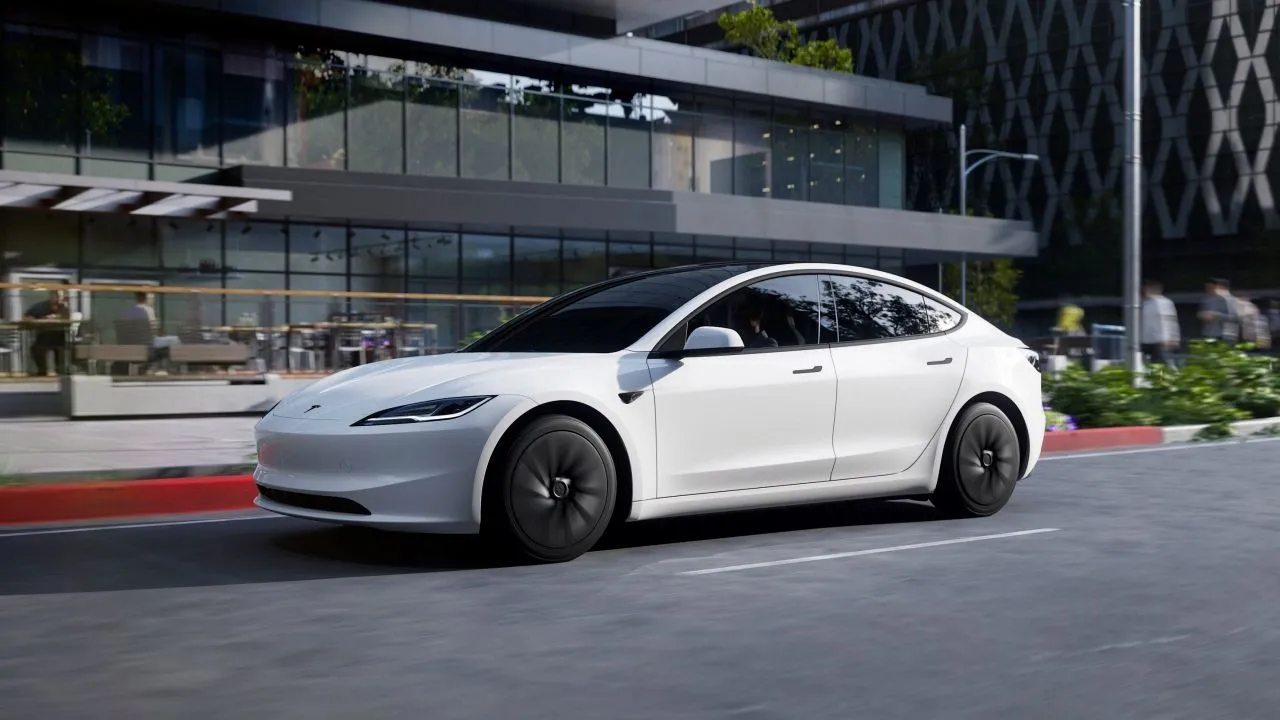
In terms of model rankings, the Tesla Model 3 leads electric vehicles with 2,528 units, representing a 27.8% year-over-year increase, followed by the Model Y with 1,204 units and an 18.4% increase. The BYD Dolphin Surf accounts for 521 units, up by 3.5%, while the Kia EV3 has 446 units, showing a 15.6% decline compared to last year.
Below are the BYD ATTO 3 EVO with 535 units, up by 98.8%, the Leapmotor B10 with 486 units, the BYD ATTO 2 with 475 units and up by 15.8%, the Toyota C-HR+ with 438 registrations, and the new Geely E5 with 383 units.
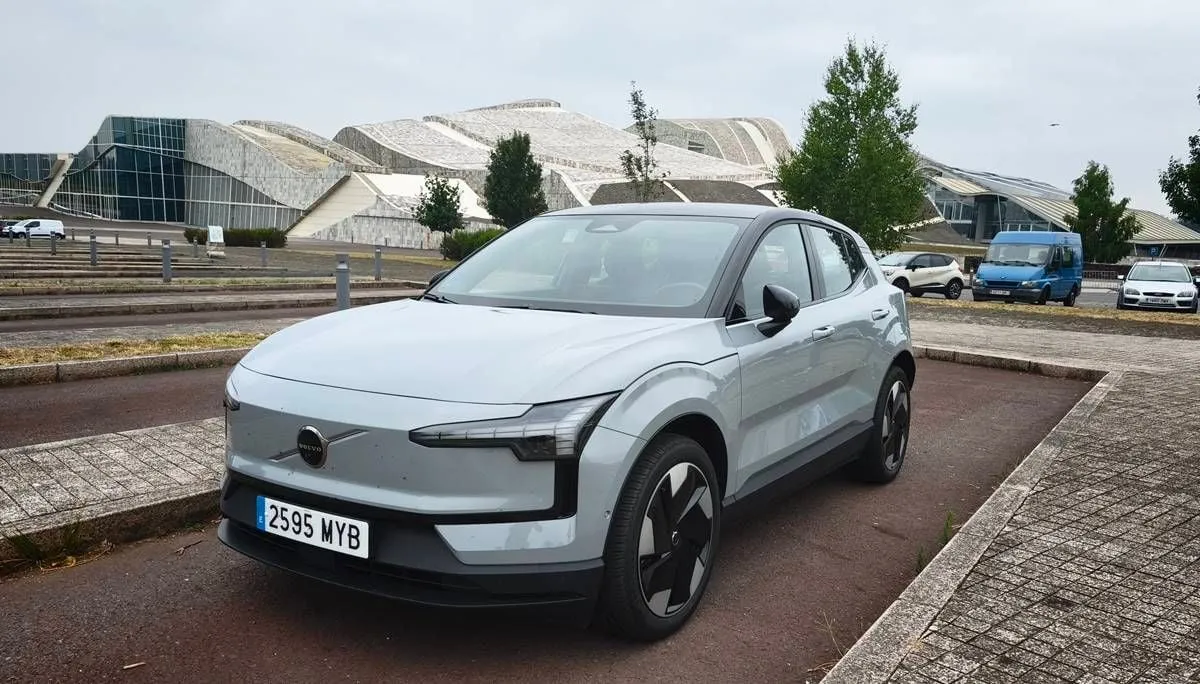
The arrival of Geely is particularly interesting. The Chinese giant, owner of brands such as Volvo, has managed to place the Geely E5 among the top models, and now adds the new Geely E2, which accumulated 262 units in its first full month. This is enough to surpass European manufacturers with decades of presence in Spain’s electric vehicle market.
Leapmotor also shows that it is no longer just a niche brand. In addition to the figures for the B10, it includes those for the B05, which lags far behind with 267 units, while the T03 comes close with 244 registrations.
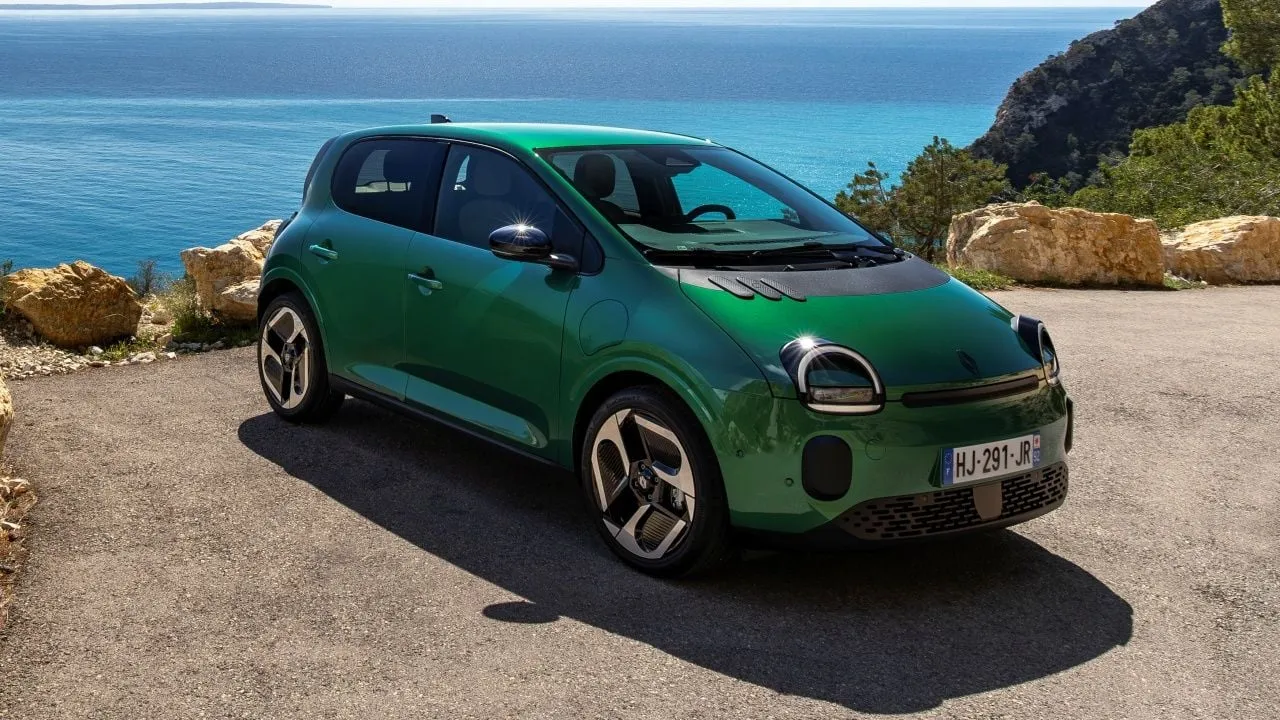
The situation for European manufacturers is much more complicated. According to Luis Valdés’s analysis, no model from a European brand appears among the top ten electric vehicles of the month. The Renault Twingo is the first to break through this barrier, ranking tenth among private buyers ahead of the Renault 5, while the Volvo EX30 and Citroën ë-C3 follow behind.
The Renault Twingo sold 220 units among private buyers and 230 in the overall market, surpassing the Renault 5, which recorded 170 registrations among private buyers and 210 in the total market. The Volvo EX30 achieved 231 units among private buyers, and the Citroën ë-C3 reached 168.
This figure is particularly interesting because the two European models that perform best in the mass market segment belong to the most affordable categories. The Twingo and ë-C3 show that there is room for competitive European vehicles when targeting directly the price and size range where demand is growing.
But the probably most significant figure isn’t the number of units sold by a specific brand, rather it’s the speed at which distribution is changing. For the first time, four brands exceeded 1,000 electric units sold in a single month, and none of them are European, according to the September analysis. Tesla, BYD, and Leapmotor account for a large portion of this volume, with the fourth brand already approaching that threshold due to rapid growth.
The Spanish market is thus becoming an especially interesting arena for Chinese manufacturers. The reason lies not only in price but also in a much wider range of electric models available, while some traditional European manufacturers are still reorganizing their product lines and launch schedules.
What about Volkswagen?
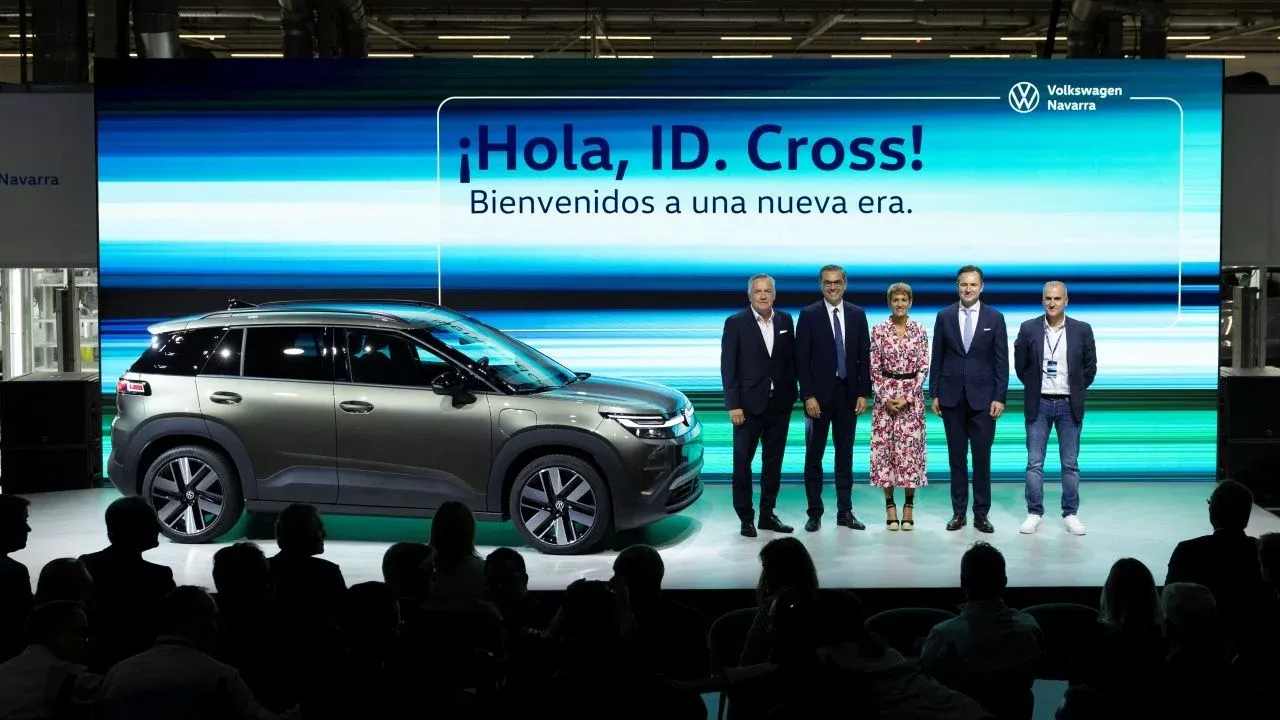
Volkswagen’s sales figures, both for the brand and the entire group, are very concerning, though there are signs of recovery. In September, the German manufacturer was overtaken as a brand by Geely, finishing in a rather modest ninth place with 520 units across all its models and a market share of 3.4%. This is far behind Tesla’s 24.1% share, with 3,738 units sold; BYD’s 2,290 units and 10.9% share; and Leapmotor’s 1,412 units, accounting for 7.8% of the market.
The positive aspect is that, after several years of inaction, Volkswagen has stepped up its efforts with the launch of its new generation of electric cars. The Volkswagen ID.Polo, along with its sibling model Cupra Raval, will undoubtedly boost sales in the coming months. The arrival of the new ID.Cross will also help increase Volkswagen’s meager sales figures. And they’ll do this through a campaign featuring the “Made in Spain” label.
Brand
Registrations September 2026
Share
Annual Change
TESLA
3,733
24.1%
+27.3%
BYD
1,688
10.9%
+26.5%
LEAPMOTOR
1,203
7.8%
+854.8%
KIA
869
5.6%
+63.3%
MERCEDES-BENZ
702
4.5%
+164.9%
TOYOTA
677
4.4%
+52.8%
RENAULT
580
3.7%
+102.1%
GEELY
576
3.7%
—
VOLKSWAGEN
520
3.4%
+122.2%
BMW
409
2.6%
+45.6%
CITROEN
347
2.2%
+71.8%
VOLVO
328
2.1%
+281.4%
FORD
321
2.1%
-9.3%
HYUNDAI
299
1.9%
-33%
MINI
289
1.9%
+4%
SKODA
289
1.9%
+35.7%
DEEPAL
282
1.8%
—
XPENG
273
1.8%
+340.3%
MAZDA
220
1.4%
+423.8%
CUPRA
214
1.4%
+170.9%
TOTAL
15,468
100%
+62.7%
Year-to-date cumulative by group
Registrations
Share
BYD
13,596
12.8%
TESLA
13,473
12.7%
HYUNDAI/KIA
10,882
10.2%
STELLANTIS
10.457
9.8%
VOLKSWAGEN GROUP
10.366
9.7%
TOYOTA
6.892
6.5%
BMW-MINI
6.301
5.9%
RENAULT GROUP
5.922
5.6%
MERCEDES-BENZ
5.678
5.4%
GEELY
3.658
3.4%
FORD
2.962
2.8%
DEEPAL
2.722
2.6%
XPENG
1.846
1.7%
SAIC MOTOR
1.498
1.4%
NISSAN
1.132
1.1%
CHERY
204
0.2%
TOTAL
106.100
100%
Conclusion
The conclusion is that September illustrates what happens when supply begins to meet demand that has long lacked sufficient products. Spain has become an especially attractive testing ground for Chinese brands due to the limited availability of some European products and a lower loyalty to certain brands.
The ultimate result is a market in full transformation. Electric vehicles reach a record share of 18.4%, despite the dominance of combustion engine models, while Tesla maintains a dominant position in the private sector and Chinese brands gain more space among the top performers.
Diesel and gasoline still account for a much larger volume in absolute terms, but the trend is becoming increasingly uneven. Diesel is declining sharply while gasoline shows only slight growth, as hybrids and especially electric cars gain more prominence. The market is still far from being entirely electric, but the balance of power that existed just a few years ago is changing rapidly.