
Electric car sales in Spain: October 2026
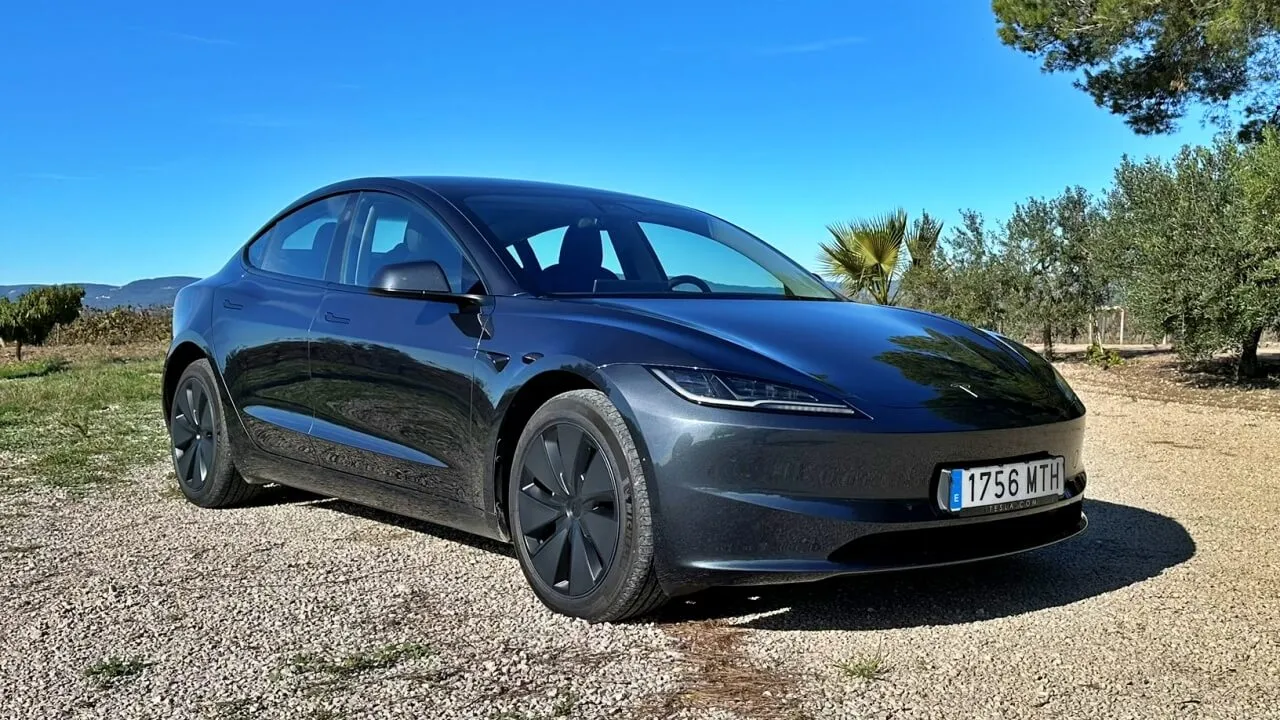
Electric cars continue to gain ground in Spain, with October delivering one of the best results in its history. It was a month in which plug-in models drove market growth, while gasoline and diesel vehicles saw another decline in sales. There is also movement among manufacturers: Tesla regains the top spot in terms of models, BYD maintains leadership by brand, and new entrants are starting to occupy prominent positions.
Spain’s market closed October with 100,682 new passenger cars registered, up from 98,935 in the same month of 2025. This represents a 1.8% growth rate, according to data compiled by Luis Valdés from figures provided by the DGT. This moderate increase hides significant differences among different technologies.
Electric vehicle (BEV) sales reached 16,830 units, an 81.3% increase from the previous year. This is the second-best monthly result in the recorded series, only behind September. From January to October, the total stands at 119,614 units, representing a 43.5% growth and already exceeding the entire 2025 figure.
The market share of electric vehicles was 16.7%, up from 9.4% in October of the previous year. This represents a 7.3 percentage point increase over twelve months, and it is a quite strong figure considering we are not at the end of a quarter when Tesla deliveries further boost the numbers.
Among private buyers, their penetration was even higher: 22.6% of registrations in this category were electric vehicles, compared to 11.2% for non-leased fleets and 2% for rental cars.
On the other hand, plug-in hybrids (PHEV) saw 15,038 units registered, up from 13,025 in October 2025, representing a 15.5% increase. They continue to grow, though at a much slower pace than electric vehicles.
Their share reached 14.9%, compared to 13.2% a year earlier. Together, vehicles with plug-in capabilities accounted for 31.7% of the market in October, with 31,868 registrations. Meanwhile, non-plug-in sedans declined by 10.2%, to 68,814 units.
Ranked by volume from highest to lowest, non-plug-in hybrids maintain a significant advantage. Gasoline vehicles barely hold second place, but electric vehicles are now only 592 units behind. Diesel vehicles, on the other hand, fall behind gasoline cars and are already entering a phase of disappearance from the market.
Technology
October 2026
Share
Year-over-year change
Non-plug-in hybrids (HEV)
42,732
42.44%
+2.1%
Gasoline
17,422
17.30%
−22.1%
Electric vehicles (BEV)
16,830
16.72%
+81.3%
Plug-in hybrids (PHEV)
15,038
14.94%
+15.5%
Gas
4,926
4.89%
−11.0%
Diesel
3,655
3.63%
−46.4%
Tesla leads in models as new electric cars gain market share
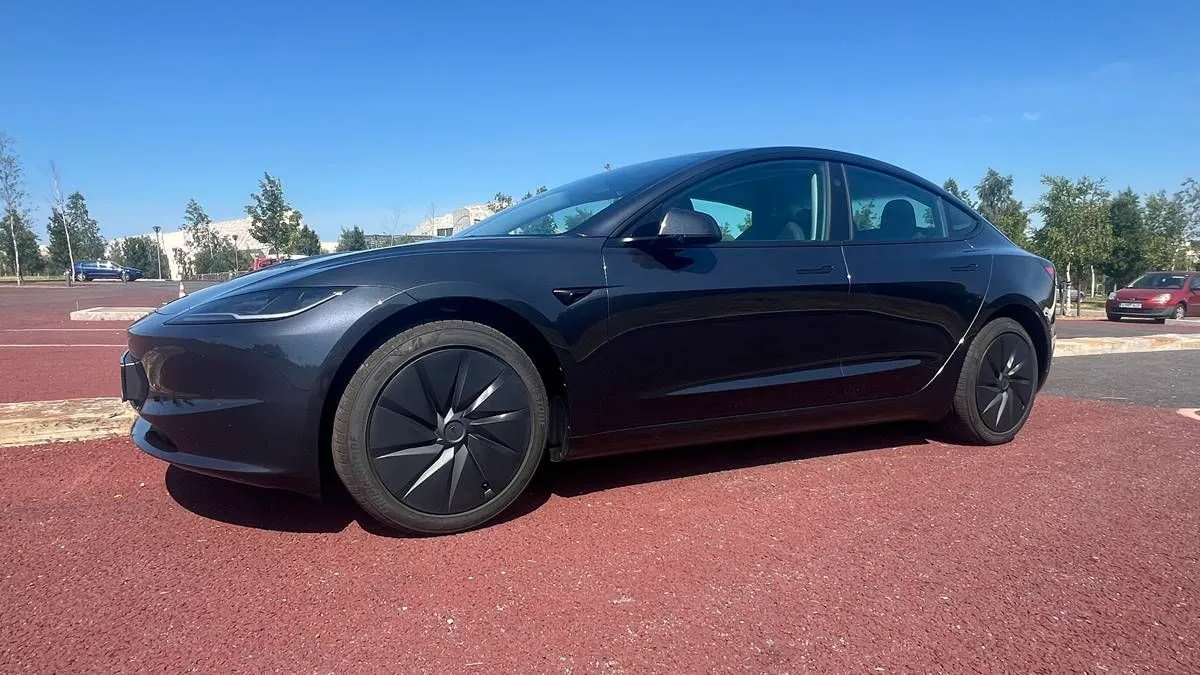
The Tesla Model 3 was the best-selling electric vehicle in October, with 1,150 registrations. Behind it were the Kia EV3, with 721 units, and the Geely E2, with 699. The latter was one of the biggest surprises of the month: it managed to enter the race for the top positions right away and finished very close to the Korean model, showing clearly that it has arrived to add competition to the market.
Outside the top three, the Deepal S05 and Leapmotor B05 stood out among the top ten. Further down the list are other models expanding the electric vehicle lineup, such as the Cupra Raval, Kia EV2, Leapmotor B03X, Skoda Epiq, and the new Renault Twingo. The rankings are beginning to reflect increasing competition among small and compact cars.
But the main photo of the month is that out of the Top 10, 8 are manufactured in China, one in South Korea, and another in Japan. This is a clear indication that China is already a powerhouse in the electric vehicle sector — the technology experiencing the fastest growth in the Spanish and European markets right now.
Position
Model
October 2026
1
Tesla Model 3
1,150
2
Kia EV3
721
3
Geely E2
699
4
BYD Atto 2
602
5
BYD Dolphin Surf
483
6
BYD Atto 3
458
7
Leapmotor B10
450
8
Deepal S05
446
9
Toyota C-HR electric
390
10
Leapmotor B05
385
11
Skoda Elroq
373
12
Citroën ë-C3
368
13
Cupra Raval
329
14
Renault 5
313
15
Tesla Model Y
309
Among the models not included in this table, the Kia EV2 has 284 units, the electric Mercedes GLC reaches 267, and the Geely E5 records 242 units. Following are the Skoda Epiq with 232 and the Renault Twingo with 212. These figures should be monitored over the next few months to determine whether the initial surge in deliveries reflects sustained demand.
On an annual basis, which provides a clearer picture of the overall situation, the Model 3 maintains a significant lead over the Model Y. The Dolphin Surf holds third place, surpassing the EV3, which is beginning to lose ground, while the Atto 2 has already doubled its sales from the same period in 2025. Another model experiencing a decline is the Renault 5, which has seen a substantial drop ahead of the upcoming new models.
Position
Model
January–October 2026
January–October 2025
Change
1
Tesla Model 3
9,624
7,739
+24.4%
2
Tesla Model Y
5,286
4,933
+7.2%
3
BYD Dolphin Surf
4,806
2,797
+71.8%
4
Kia EV3
4,543
4,794
−5.2%
5
BYD Atto 2
3,768
1,868
+101.7%
6
Toyota C-HR electric
3,730
—
ND
7
Citroën ë-C3
2,988
2,345
+27.4%
8
Deepal S05
2,950
—
ND
9
Renault 5
2,878
3,703
−22.3%
10
Leapmotor B10
2,711
—
ND
11
BYD Atto 3
2,594
2,033
+27.6%
12
Skoda Elroq
2,441
1,375
+77.5%
13
BYD Seal
2,076
1,781
+16.6%
The designations and groupings follow the original charts. This is especially important for models that have changed generations or introduced new versions: the evolution of a vehicle family does not necessarily equal that of a specific version.
BYD leads in brands; Stellantis tops the monthly groupings
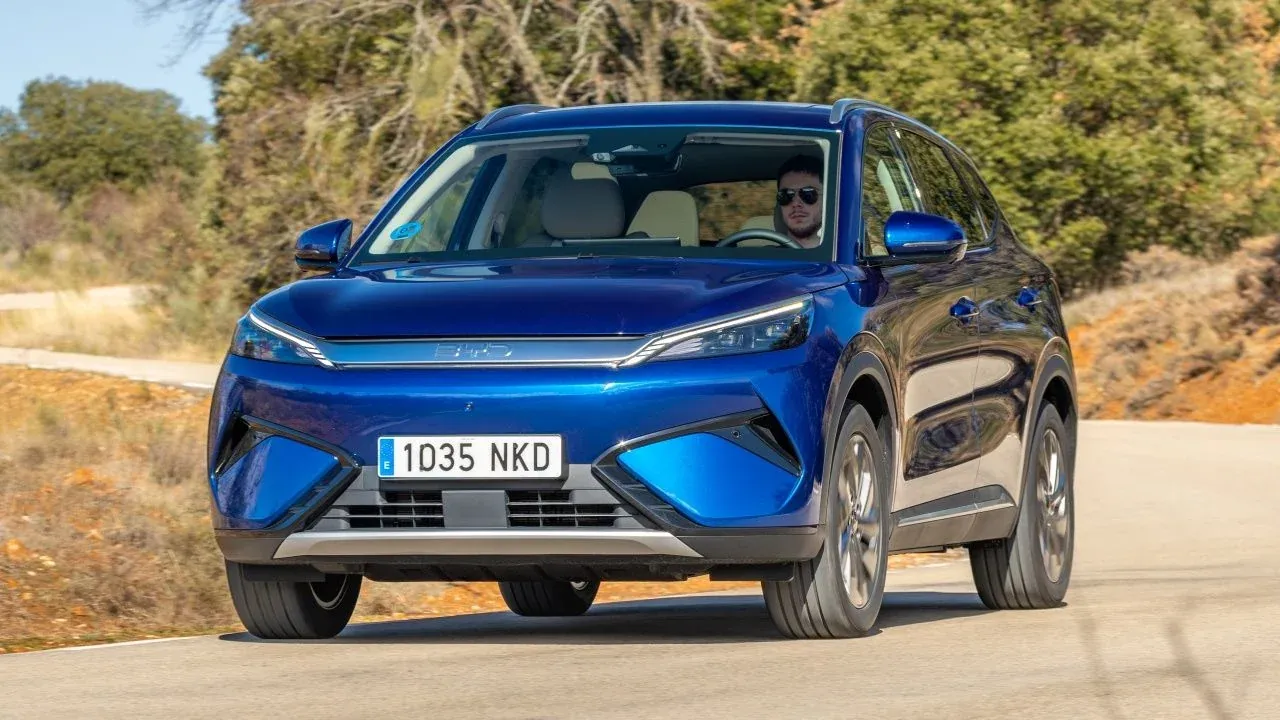
In the monthly brand ranking, BYD takes the lead once again, followed by Tesla and Leapmotor. Kia completes the group of manufacturers with over a thousand registered electric vehicles, while Geely is close behind. Mercedes appears as the top European brand on the list, ahead of Skoda and Volkswagen.
Position
Brand
October 2026
January–October 2026
Annual Position
1
BYD
2,258
16,456
1
2
Tesla
1,459
14,937
2
3
Leapmotor
1,400
5,994
5
4
Kia
1,282
9,276
3
5
Geely
941
2,037
19
6
Mercedes-Benz
880
6,335
4
7
Skoda
721
3,532
11
8
Volkswagen
711
4,556
8
9
BMW
664
4.461
9
10
Renault
608
5.261
6
11
Toyota
518
5.041
7
12
Deepal
505
3.329
12
13
Hyundai
462
3.323
13
14
Cupra
452
2.404
16
15
Citroën
419
3.705
10
Overall, BYD leads Tesla by 1,519 units. Kia holds third place, followed by Mercedes and Leapmotor. Geely’s monthly performance is significantly higher than its annual figure, reflecting the growing impact of its recent deliveries.
By group, Stellantis ranks first in October, followed by BYD and Volkswagen.
Group
October 2026
October 2025
Change
Stellantis
2,357
1,372
+71.8%
BYD
2,266
1,978
+14.6%
Volkswagen
2,114
1,187
+78.1%
Kia-Hyundai
1,750
1,226
+42.7%
Grupo Geely
1,567
276
+467.8%
Tesla
1,459
396
+268.4%
BMW-MINI
1,078
758
+42.2%
Mercedes-Smart
932
522
+78.5%
Renault-Nissan-Mitsubishi
884
821
+7.7%
Toyota-Lexus
640
118
+442.4%
Changan
505
—
No baseline provided
MG-SAIC
294
94
+212.8%
Ford
283
235
+20.4%
XPeng
234
54
+333.3%
Chery
148
55
+169.1%
October provides a clear conclusion: electric and plug-in cars are driving growth in the Spanish market. Electric vehicles are advancing strongly, plug-in hybrids continue to gain traction, while gasoline cars are losing much of their advantage, with diesel now playing a negligible role. Additionally, the prominence of private buyers indicates that this transformation has a solid foundation among those purchasing cars for daily use.
The next step will be to maintain these results for several months and observe how sales distribute themselves as new models become more regularly available. Competition is now spreading to more segments and manufacturers. For traditional brands, this means that each new launch enters a market where gaining a foothold is more difficult than before.
It also leads us to the conclusion that China is already in control of the market. At least the electric vehicle market. They are still in the full phase of establishment and expansion, with brands that have few dealers and little-known models, yet they are still achieving very impressive sales figures. This should prompt a reaction from European companies, which are watching helplessly as they lose market share at an unstoppable pace.