
VDE is investigating electric cars as storage for power grids
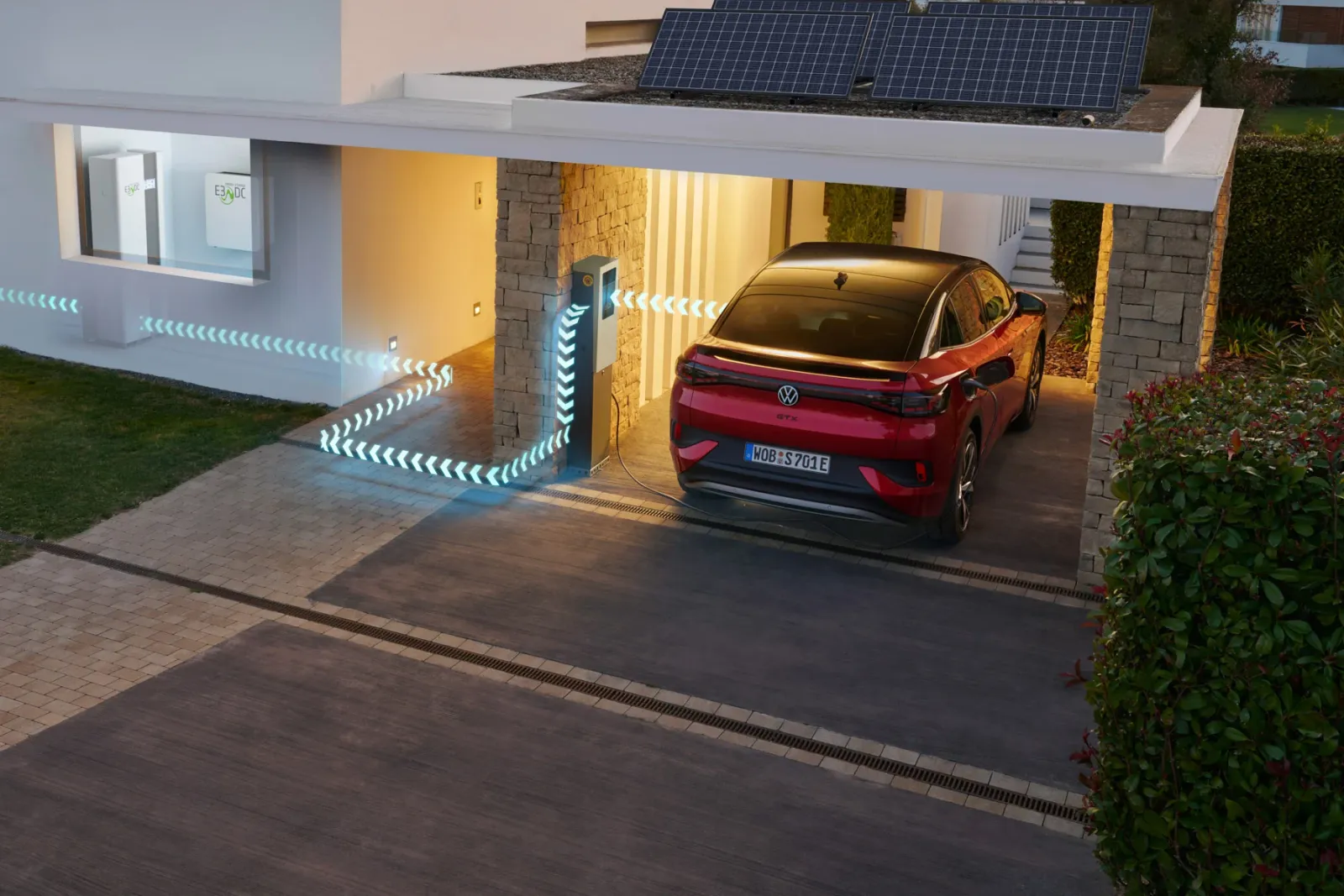
VDE is investigating in two research projects how electric vehicles can be more integrated into the energy system. The focus is on bidirectional charging of corporate fleets and using vehicle data for energy and flexibility markets.
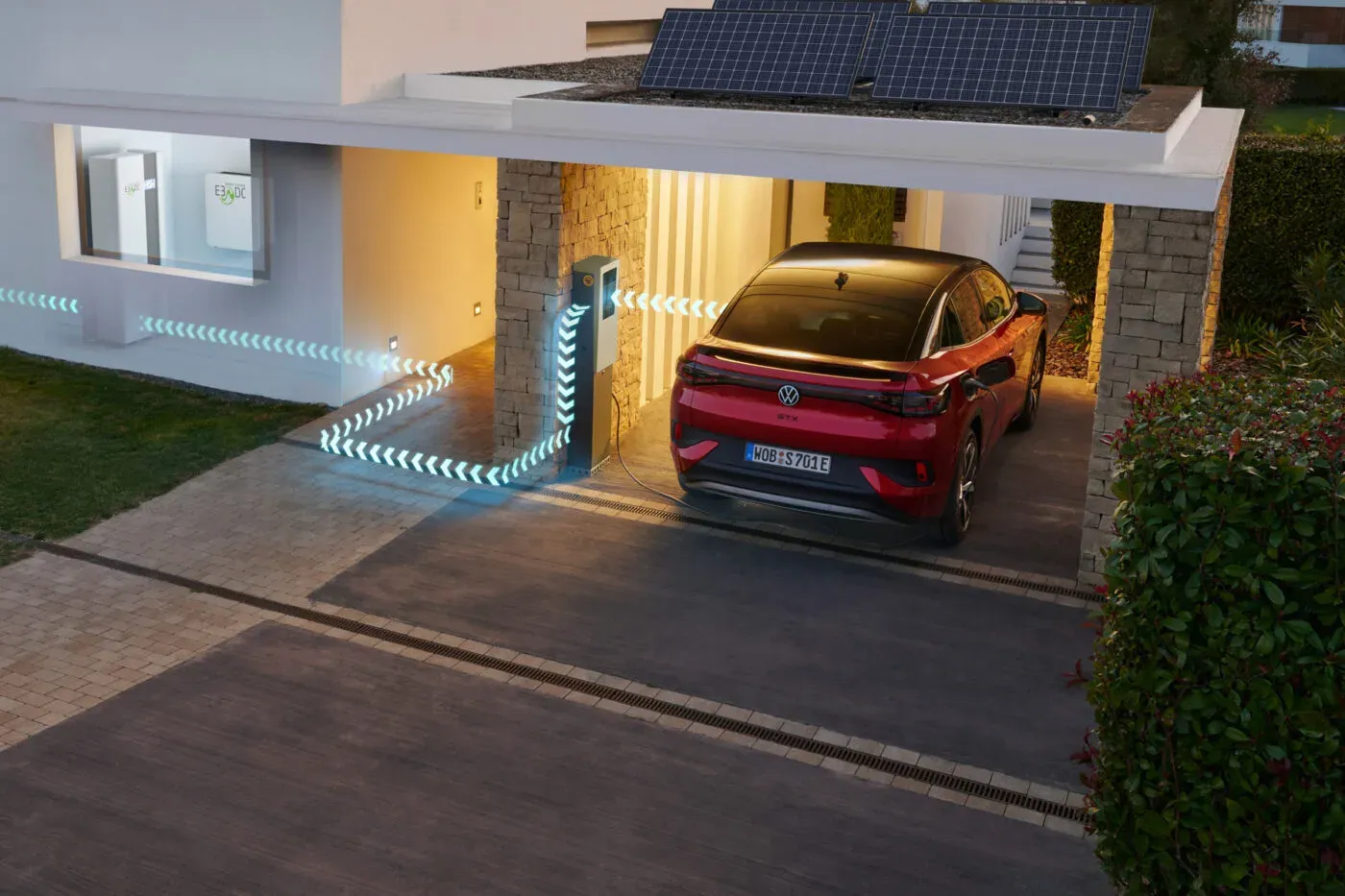
Two VDE projects are examining bidirectional corporate fleets and the use of vehicle data for energy markets.
Image: Volkswagen
The Association for Electrical, Electronic, and Information Technology (VDE) sees great potential in bidirectional charging and the networking of vehicles, charging infrastructure, and energy systems. Two research projects funded by the Federal Ministry of Economics aim to demonstrate how this can be put into practice.
With bidirectional charging, vehicle batteries can absorb excess solar and wind power, reduce peak loads, and supply energy back to buildings or electrical grids. “The next step in the development of electric mobility lies not in larger batteries, but in the intelligent networking of vehicles, charging infrastructure, and power systems,” says Ralf Petri, CEO of VDE Mobility and the VDE Energy Technology Society (VDE ETG).
In the BiFlex-Industrie project, VDE is testing vehicle-to-grid electric vehicles at company locations in collaboration with industry and research partners. The project examines the benefits of bidirectional fleets for companies and power systems, as well as potential energy business models. It will conclude in November with a final conference.

VDE aims to establish unified standards
The PeakSaver project focuses instead on vehicle data. It develops concepts to standardize and securely utilize measurement and status data for accounting, billing, and the marketing of flexibility. In the long term, this aims to enable electric vehicles to be integrated into energy and flexibility markets regardless of their charging location.
This requires unified standards and interoperable interfaces between vehicles, charging infrastructure, building and energy management systems, as well as the energy market. Key standards include ISO 15118 for communication between vehicles and charging stations, as well as IEC 61851 and IEC 63110 for charging infrastructure and its digital control.
The potential storage capacity is already considerable. The more than two million electric vehicles in Germany together account for around 142 GWh of battery capacity. Only a portion of this is available for energy-related applications, but as the vehicle fleet grows, the potential continues to increase. At the same time, two-way charging is increasingly moving beyond research applications. Europe already has its first commercial V2G offerings. Along with vehicles and charging technology, standardized measurement data, digital processes, and access to energy and flexibility markets are becoming increasingly important—this is precisely where the VDE projects focus.