
VDE is researching two-way charging for electric vehicles
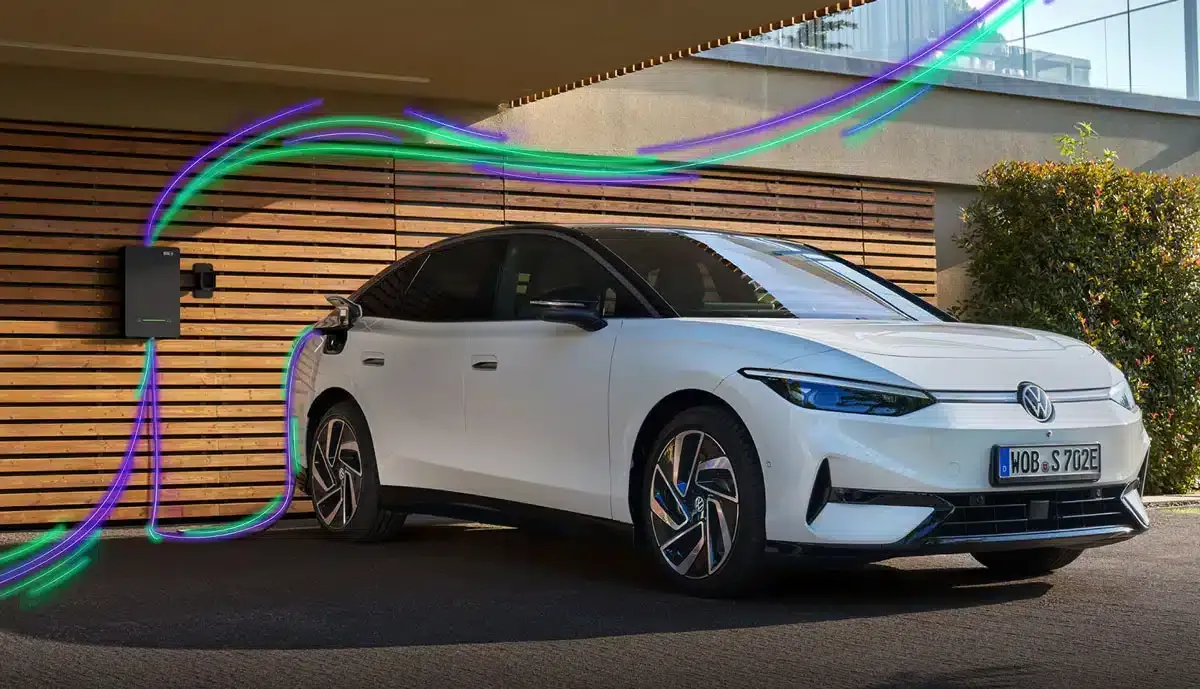
Image: VW (illustrative)
The Association for Electrical, Electronic, and Information Technology (VDE) views electric vehicles increasingly as active components of an intelligent and renewable energy system. Bidirectional charging plays a key role in this, as vehicle batteries can not only power the car but also absorb and supply electricity. They can store excess energy from solar and wind power plants, reduce peak loads, and return energy to buildings or electrical grids.
Ralf Petri, CEO of VDE Mobility and CEO of the Energy Technology Society at VDE, emphasizes the interconnection of vehicles, charging infrastructure, and power systems. “The next step in electric mobility lies not in larger batteries, but in the intelligent connection of vehicles, charging infrastructure, and power systems,” said Petri. “It is here that new value is created for consumers, businesses, and the energy transition.”
VDE is currently investigating the practical use of these capabilities in two research projects funded by the Federal Ministry for Economic Affairs and Energy. In the BiFlex-Industrie project, grid-connected electric vehicles are being tested at company locations in collaboration with industry and research partners. The goal is to demonstrate the benefits of bidirectional vehicle fleets for companies and the power system, as well as to create conditions for new energy business models. The project’s final conference will take place in November.
Two Research Projects
The PeakSaver project focuses on utilizing vehicle data for energy management processes. It develops concepts that enable standardized and secure use of measurement and status data from electric vehicles for accounting, billing, and the marketing of flexibility services. This aims to create the conditions necessary to integrate electric vehicles into energy and flexibility markets regardless of their charging location in the future.
"International competition will no longer be determined solely by batteries and vehicle platforms. Open standards, interoperability, and the integration of electric vehicles into the energy system are equally important. Those who shape the standards of tomorrow will also shape the markets of tomorrow," says Alexander Nollau, Head of Energy & Mobility at DKE.
"Germany and Europe possess unique strengths in standardization, interoperability, and cybersecurity. These capabilities will be crucial for the next stage of development in electric mobility. Only when vehicles from different manufacturers can communicate safely and reliably with charging infrastructure, buildings, and power grids can two-way charging realize its full potential," emphasizes Petri.
VDE sees this as an important opportunity for Germany’s innovation and industrial landscape. As international competition intensifies in vehicle platforms and battery technologies, integration into the energy system, digital interfaces, and reliable standards are becoming increasingly important. Electric mobility, the energy transition, and digitalization will thus grow more closely linked.
Also interesting
About the Author
Thomas Langenbucher is an expert in electromobility with professional experience in the automotive industry and finance sector. Since 2011, he has been covering electric vehicles, sustainable technologies, and mobility solutions on ecomento.de. Learn more.
Reader Interactions