
VDA warns of shortages in electric truck charging infrastructure
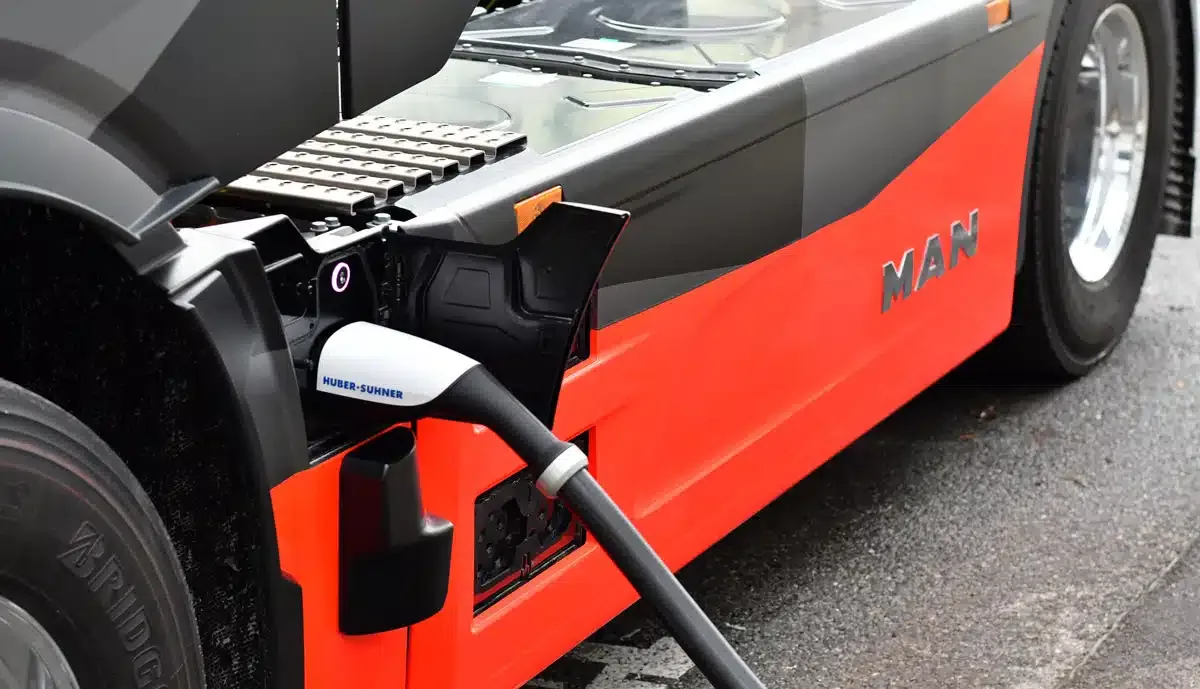
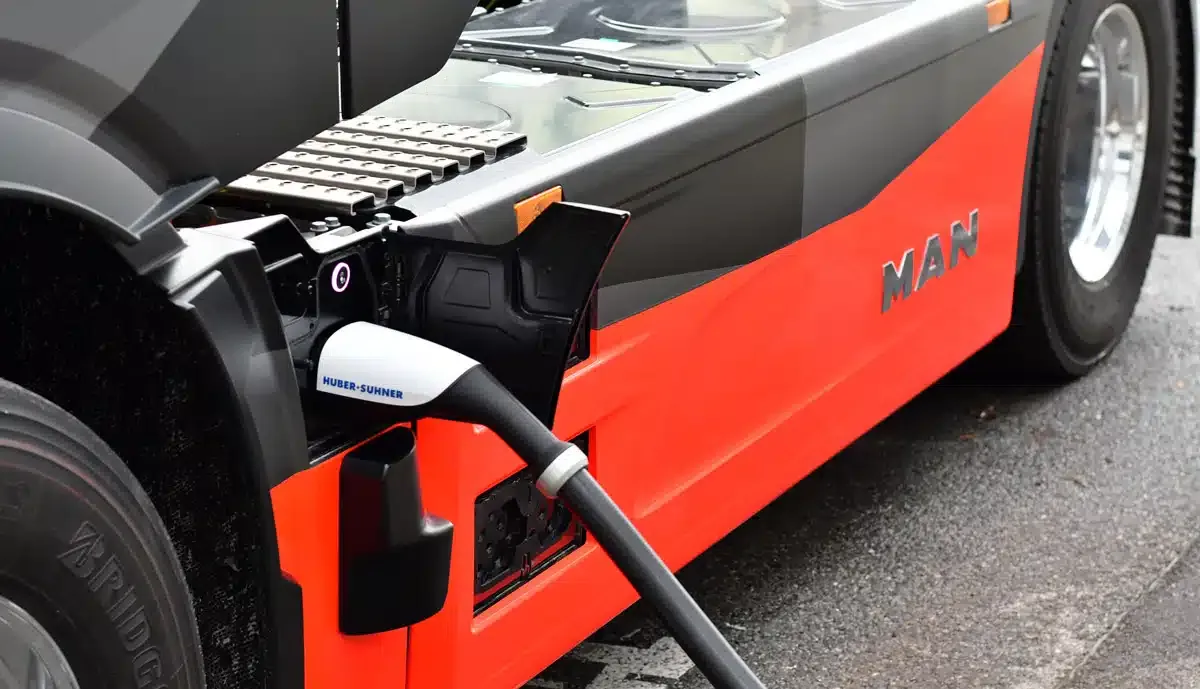
Image: MAN Truck & Bus SE
The Association of the Automotive Industry (VDA) is criticizing the slow development of charging infrastructure for electric trucks. As of July, only 88 locations with 355 charging points for heavy commercial vehicles were in use in Germany, which is far from sufficient.
According to the Deutsche Presse-Agentur, VDA President Hildegard Müller describes inadequate infrastructure as a key bottleneck for the expansion of electric commercial vehicles in the market. Neither the existing charging stations nor current national and European development plans are sufficient for widespread use in long-distance transportation. Additionally, the slow progress in expanding power grids hinders the transformation of road freight transport.
By 2030, Germany plans to have 4,200 public charging points, with 350 located along major traffic routes. These are expected to include 1,800 high-power charging points using the Megawatt Charging System (MCS) and 2,400 lower-power points. “Currently, less than one-tenth of the planned charging points are in operation,” Müller emphasizes.
The VDA estimates that Germany will need around 4,000 megawatt charging stations by 2030. For long-distance travel, particularly fast MCS charging stations are necessary to comply with legal driving and rest time requirements. At the European level, 730 charging points with over 350 kilowatts were available for heavy commercial vehicles in July, while the European Automobile Manufacturers Association ACEA states that around 35,000 public fast charging points will be required by 2030.
Another issue is the uneven distribution across Europe, with significant gaps in countries such as Poland and the Czech Republic. There is also a need for charging facilities on industrial sites, according to the VDA. Of the 14 gigawatts of charging capacity required in Germany by 2030, public plans cover only 2.6 gigawatts; the remaining more than 11 gigawatts would need to be provided by private entities.
VDA President Müller criticizes the fact that providing necessary network connections for businesses currently involves high costs and lengthy approval processes. For industrial facilities or truck charging stations, expanding these connections can take up to ten years in some cases, which the association says significantly slows down the transition process.
Also interesting
About the author
Thomas Langenbucher is an expert in electromobility with professional experience in the automotive and financial industries. Since 2011, he has been covering electric vehicles, sustainable technologies, and mobility solutions for ecomento.de. Learn more.
Reader interactions