
VDA chief Müller calls for more charging stations rather than bans for electric cars
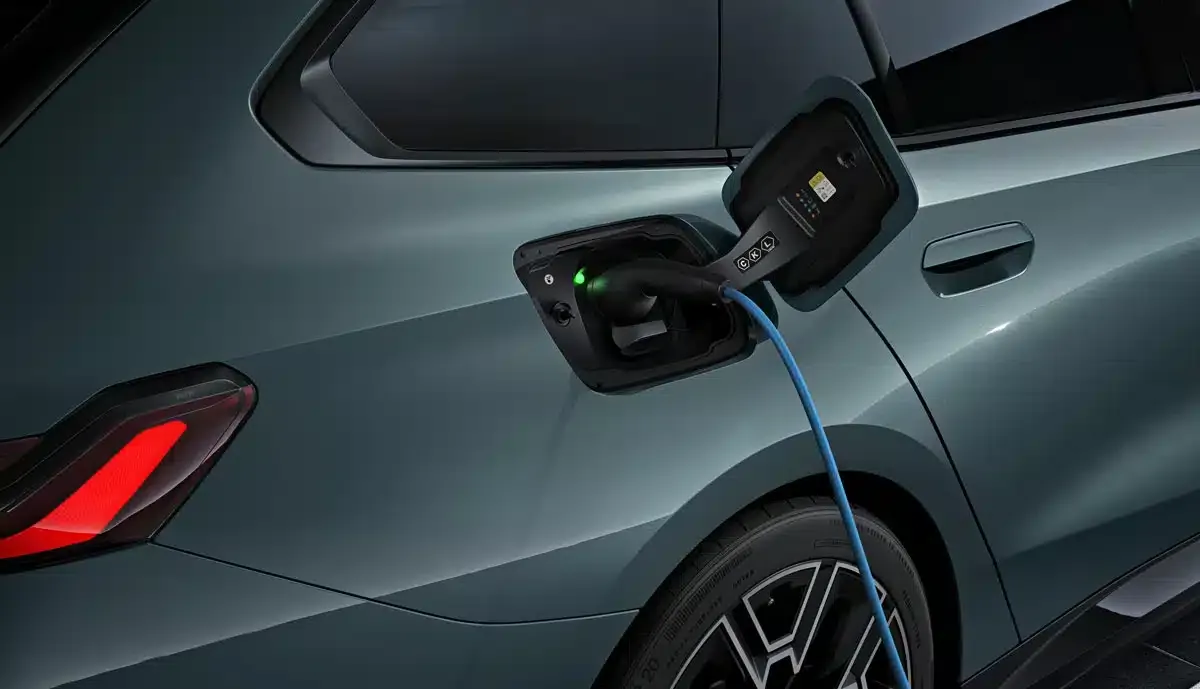
Image: VW (illustrative)
Hildegard Müller, president of the Association of the Automotive Industry (VDA), warned in an interview with T-Online about the economic policy positions of the AfD. She said the party is hostile to innovation in electric vehicles, research, development, and renewable energy, and that its potential exit from the euro and the European Union would harm export-oriented industries.
Müller calls instead for technological openness, which includes internal combustion engines using climate-neutral fuels, as well as expanded use of renewable energy. At the same time, she criticizes policymakers in Berlin and Brussels for not addressing existing problems with enough determination.
Müller attributes the current job losses to two factors. As the industry shifts from internal combustion engines to electric mobility, the reduced number of components lowers the demand for jobs, affecting suppliers and regions particularly hard. At the same time, new jobs are not created in equal numbers and increasingly outside Germany. Labor costs, bureaucracy, taxes, and energy expenses are among the highest in intra-European competition. More than 70 percent of small and medium-sized enterprises believe they would no longer be able to invest in Germany.
The VDA president cited investments of around 320 billion euros by the automotive industry for research, development, and digitalization, with an additional 220 billion euros needed for plant construction and renovation. Nevertheless, a competitive industry might in the future be associated with fewer jobs in Germany if Berlin and Brussels do not take countermeasures. For the period from 2019 to 2035, the VDA has calculated a loss of about 225,000 jobs due to this transformation, up from an initial estimate of 190,000. This figure could rise further if new investments are not made in Germany.
Müller sees progress by the federal government on specific issues in the automotive industry, but gaps remain in taxation, energy, and social security systems. What’s lacking is not seriousness, but “the courage to face consequences.” Additionally, the VDA chief criticizes politicians’ excessive focus on themselves. Berlin and Brussels have recognized that regulation has become a burden, yet more requirements continue to be added. Müller speaks of systemic challenges that require systematic solutions.
“Bans won’t win people’s hearts.”
Müller attributes the weaker demand for electric cars to several specifically mentioned factors. Manufacturers had expected a stronger surge in interest in electric mobility and adjusted their capacities, which are now partially underutilized. She advises everyone to drive an electric car at least once—those who have done so are generally enthusiastic. Bans are not the tool through which policymakers can win people’s hearts.
The VDA chief identifies charging infrastructure as the key factor. So far, electric cars have been disproportionately driven by people in private homes, while rental apartments are the norm. At the same time, long wait times for grid connections could prevent the purchase of electric trucks. “We need infrastructure development that keeps up with demand,” Müller demands.
As Chinese car sales grow, the VDA president notes that their share in Europe was 11.2% in July, meaning nearly 90% of the market was not Chinese. She also emphasizes that seven out of ten electric cars sold there are from German manufacturers. At the same time, she points to around 400 brands in China, at least 98% of which are unprofitable, as well as the country’s state-driven industrial policy and overcapacity. Müller rejects the idea of an isolated European market given her organization’s goal to offer products worldwide, but calls for a discussion on unfair competitive conditions.
Regarding specific corporate decisions such as potential Volkswagen models developed in China for German factories, the VDA chief refrains from giving an assessment. However, she notes differences in the speed at which other countries implement innovations and questions what regulations are slowing down the introduction of new technologies. As for autonomous driving, there are currently only test sites, and moreover, European data policies are not keeping up.
Also interesting
About the author
Thomas Langenbucher is an expert in electromobility with experience in the automotive industry and finance sector. Since 2011, he has been covering electric vehicles, sustainable technologies, and mobility solutions for ecomento.de. Learn more.
Reader interactions