
Several experts agree on SEAT: one thing is for the brand to disappear, and another is for its factories to do so as well.
07/09/2026 15:30
Updated to
07/09/2026 15:30
The future of Spain’s automotive industry has put SEAT’s situation at the center of attention since last week. In a context shaped by accelerated electrification and the restructuring of major international corporations, uncertainty surrounding this Spanish brand has raised questions in both economic and social spheres.
Volkswagen Group does not provide many clues, and those it has given do not suggest a bright future for this historic company. However, various analysts and industry experts agree on one key point: the brand’s commercial evolution is a separate path from maintaining the industrial and production capacity of its facilities.
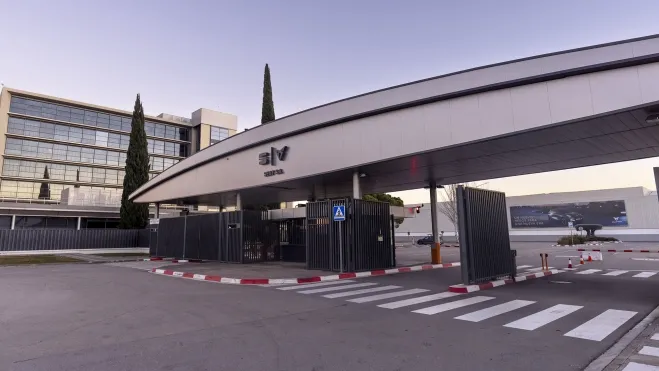
Martorell’s industrial capacity is not at risk
To understand the situation facing this company, which has been part of the Volkswagen Group since the mid-1980s, it is necessary to distinguish between the commercial entity and its production capacity. A car brand represents an image, a product catalog, and a market positioning strategy. On the other hand, a production facility is a complex infrastructure that requires significant capital investment and features a highly specialized supply chain.
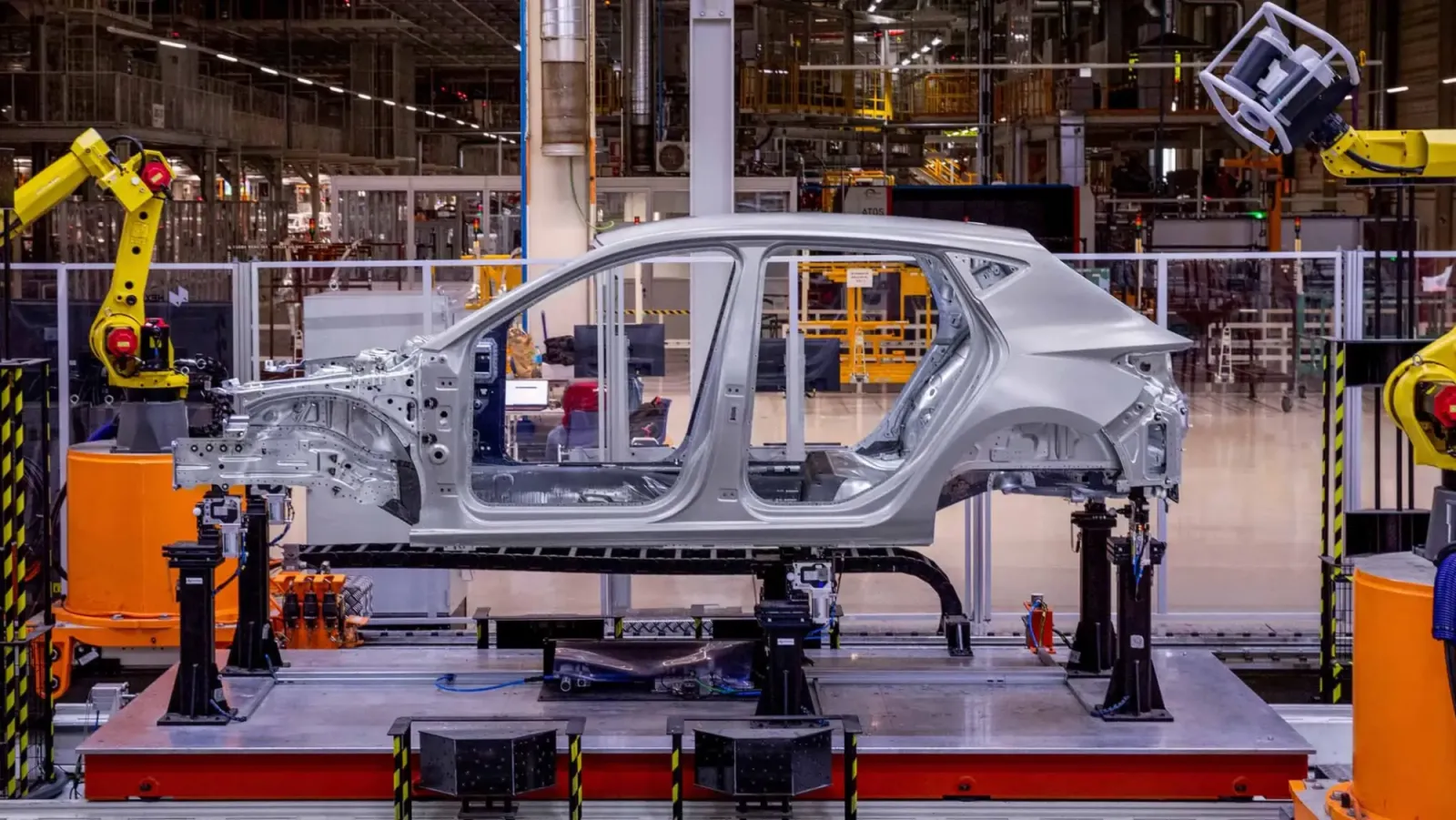
In today’s automotive industry, large conglomerates manage their production plants as high-performance units capable of assembling models from different brands under a single modular platform. The Martorell factory is a clear example of this versatility. Regardless of how the SEAT brand name evolves over the next decade or the relative importance CUPRA gains within the group, these production facilities represent a top-tier strategic asset for manufacturing electric vehicles in Southern Europe.
Transition to Electrified Mobility Without Job Losses
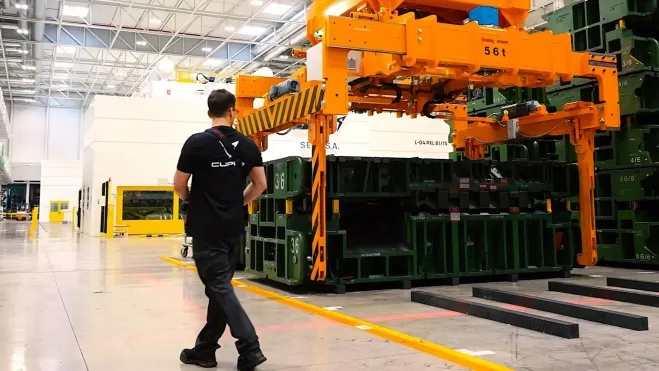
The shift toward zero-emission mobility requires multimillion-dollar investments to adapt traditional manufacturing lines to the demands of new systems and architectures. During this transformation, economic and social stakeholders prioritize preserving industrial infrastructure and skilled employment levels, regardless of the brand associated with the vehicles leaving the assembly line.
Economic analyses agree that the long-term viability of Spanish plants depends on their competitiveness, energy efficiency, and integration into the battery value chain, rather than the continuation of a trade name—even if it is a historic brand. Commitments to supply new electric models for Spanish facilities ensure operational continuity and workload, guaranteeing that the production infrastructure maintains its key role in Europe’s automotive landscape. In fact, Martorell is considering expanding its workforce while Volkswagen studies changes for four of its German factories.
A future guaranteed by the production platform
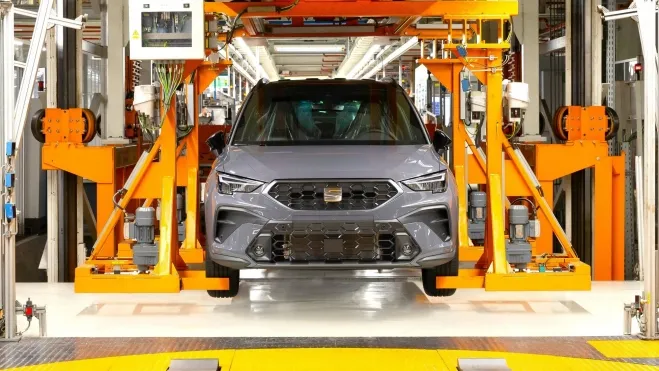
The German consortium’s industrial strategy seeks to optimize the use of its manufacturing plants through multi-brand production. This approach allows a single production line to meet the demands of different brands within the group, reducing risks associated with market changes.
Therefore, a thorough analysis of the situation shows that the continuity of production, job stability, and technological relevance of manufacturing centers in Spain are linked to the transformation of their infrastructure toward electric vehicles. A brand’s commercial success depends on marketing strategies and global demand, but manufacturing capacity remains the key factor underpinning the future of the country’s automotive industry.