
Used electric cars from China instead of new ones. CEVM: sales to the EU up by 280% to 7,900 cars
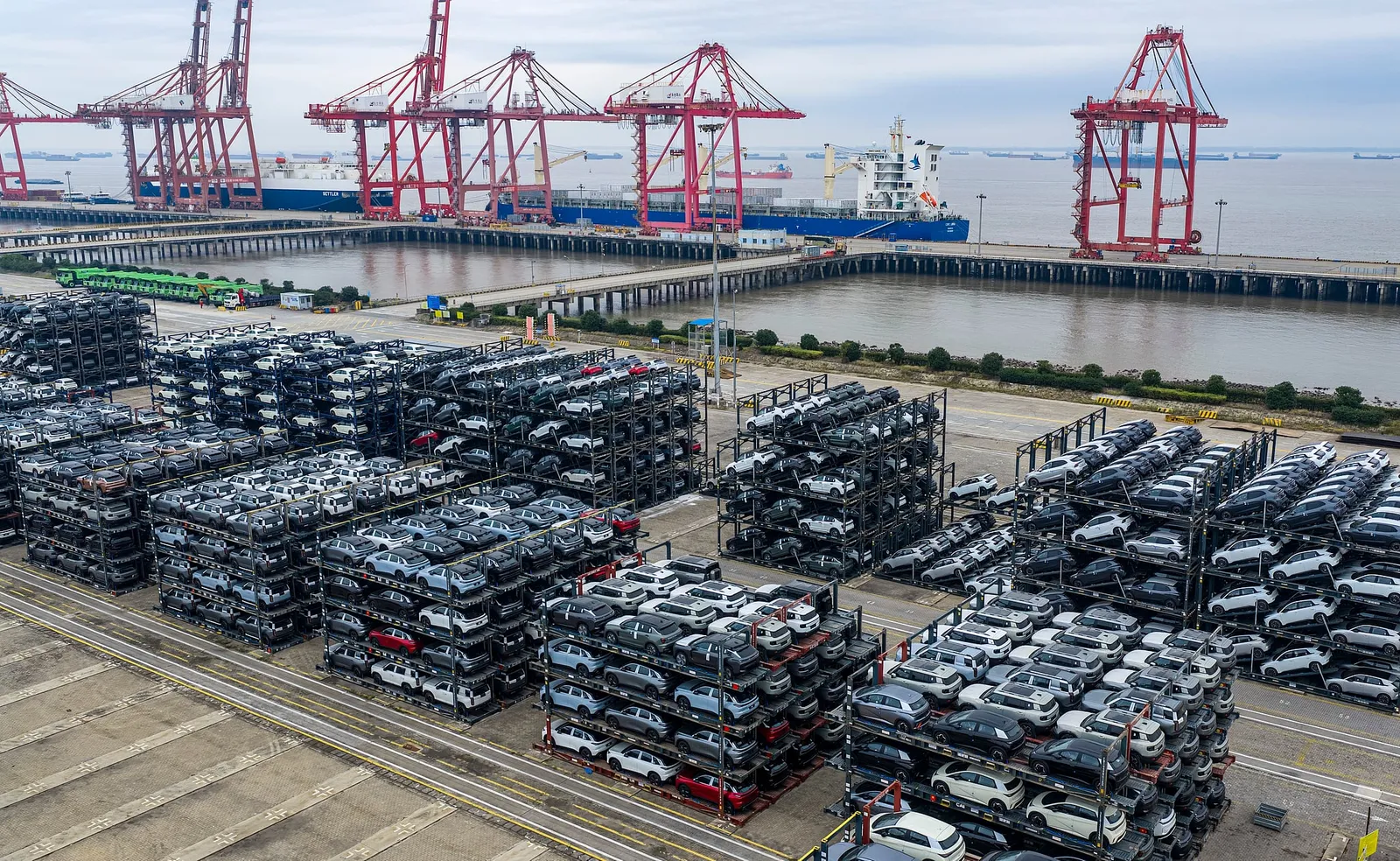
China EV Marketplace (CEVM) reported that from January to September 2026 it sold 7,900 used cars from China to customers in the European Union. This represents a 280% increase compared to the previous year, while new car sales dropped by 44% during the same period. The company attributes this to tariffs on electric vehicles and a new import limit for hybrids.
Since 2024, the tariff on Chinese electric cars in the EU has reached 45.3%. According to CEVM, European customers have therefore switched to new plug-in hybrids (PHEVs) and used BEVs, which are exempt from this tariff. Now Brussels has introduced a limit of 350,000 units per year for hybrid imports from China, prompting some buyers to turn again to used cars, which, according to CEVM, are not subject to either tariffs or quotas. The source does not specify how the limit is calculated or for what period. Tariffs have already reduced demand for new Chinese BEVs among our European customers. We expect the hybrid quota to also put pressure on sales of new PHEVs, says Jakub Geršl, the company’s COO. He adds that this is why used cars are becoming the main focus of CEVM’s European business.
The offer includes over 2,600 used electric cars, which are updated daily. Among them are Xiaomi, BYD, iCar, Denza, Lynk&Co, and Avatr. CEVM claims that the prices are significantly lower than the original listings because competition in China is fierce, and cheaper new cars also drive down the prices of used vehicles. The Shanghai-based team aims to regularly find cars with around 6,000 km of mileage at a price 40% lower than the Chinese listing price.
These are the seller’s data and examples. It is unknown what proportion of the offer consists of such deals, nor what the cost of a car will be after transportation and paperwork in the EU.
Which Chinese electric cars lose the least value
The depreciation in China is monitored by the dealers association CADA. According to their September report (data from CADA and Jingzheng), after three years, the value retained is the percentage of a new car’s price that only BEVs maintain. Some models lose significantly more than 40%. The Tesla Model 3 performs best with a retention rate of 61.4%. Followed by the Model X, while the Model Y retains 53.9%. The best Chinese model, BYD Seagull, retains 50.5%.
Rank
Model
Retained Value
Depreciated Value
1
Tesla Model 3
61.4%
38.6%
2
Tesla Model X
59.5%
40.5%
3
Tesla Model Y
53.9%
46.1%
4
BYD Seagull
50.5%
49.5%
5
Zeekr 009
49.9%
50.1%
6
Baojun Yep
49.0%
51.0%
7
Porsche Taycan
48.5%
51.5%
8
Nio ET5
47.8%
52.2%
9
Roewe iMAX8 EV
47.5%
52.5%
10
Denza D9 EV
47.1%
52.9%
11
Avatr 12
47.0%
53.0%
12
Nio ES6
46.7%
53.3%
13
Leapmotor C11 BEV
46.5%
53.5%
14
Xpeng G6
46.4%
53.6%
15
Wuling Bingo
46.1%
53.9%
The ranking refers to the Chinese market, so it doesn’t directly correspond to the prices at which CEVM buys and sells cars in Europe. However, it shows that a 40% discount from the list price for a three-year-old car is more of the norm than the exception in China. This is rare for a car with 6,000 km of mileage.
For buyers who don’t want to wait about 3 months for imports straight from China, CEVM has announced a pickup center in Prague. Initially, 20 electric vehicles will be available there. It has not yet been specified which models they are, at what prices, or when deliveries will begin.
LovEV Newsletter
Want more content like this?
Sign up — we’ll send you a weekly summary once the newsletter starts.