
Electric vans: Without the EU superbonus, Maxus prepares its counteroffensive
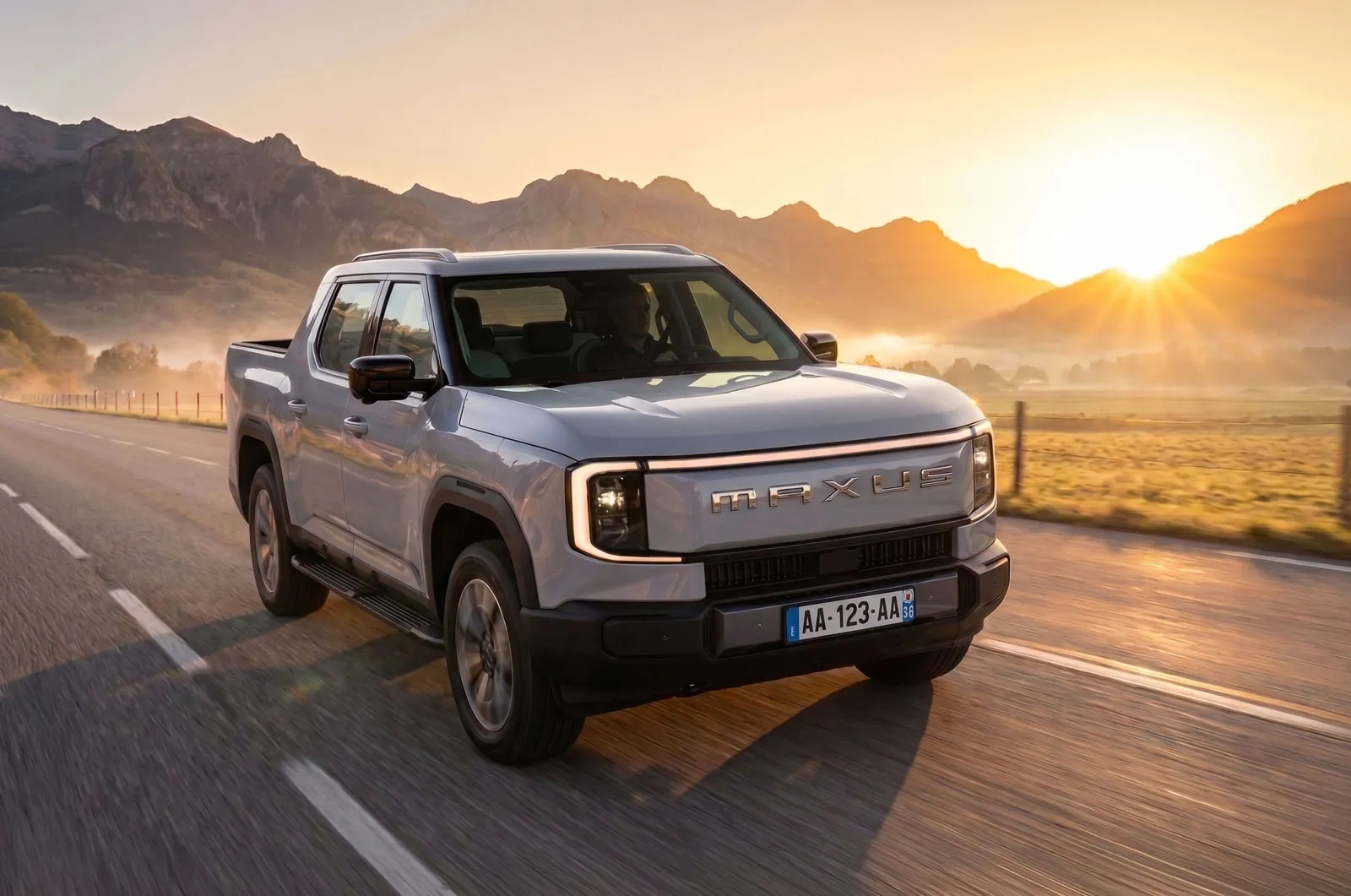
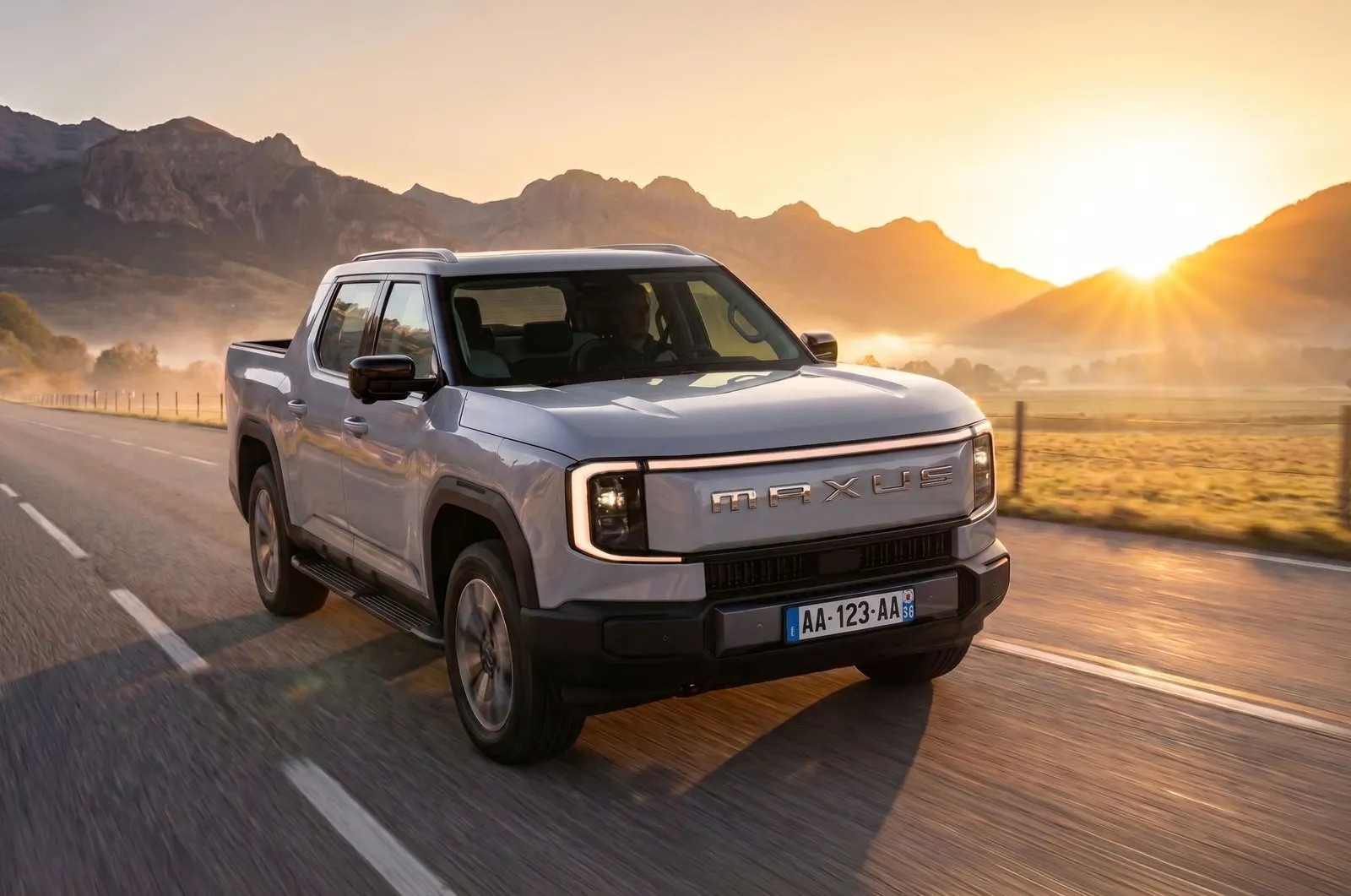
Since June, Maxus has been excluded from the enhanced CEE subsidies reserved for vehicles assembled in Europe. As a result, its electric van sales dropped by 62% over nine months in France. Nevertheless, the Chinese brand is not giving up on this technology. On the contrary, it claims to have adjusted its prices to stay competitive. It also outlines its roadmap: doubling its network, offering used vehicles, and introducing a compact van that competes with the electric Kangoo.
Three years after its arrival in France, Maxus remains little known to the general public. A cousin of MG within SAIC Group, the world’s sixth-largest automaker, the brand is responsible for producing SUVs and pickups there. “We are first and foremost a large industrial group,” recalled Antoine Maria, general manager of Maxus France. He spoke on October 22 during a roundtable at the Rencontres de la Filière by SOLUTRANS+ in Lyon.
A CEE reform that “upset” the product mix
The most sensitive topic at the moment is energy efficiency certificates (CEE). Since June 1, 2026, a decree dated May 18 has increased the subsidy for electric vehicles assembled in Europe (EEE). Specifically, the coefficient ranges from ×3 to ×7 depending on weight, amounting to nearly 10,000 € for the heaviest models. In contrast, vehicles assembled elsewhere, including those from Maxus, are only eligible for the base amount.
"The changes to CEE rules have slightly disrupted our product mix," admits Antoine Maria. Nevertheless, the brand does not plan to leave the electric vehicle market. "We have real expertise. We had to revise our strategy, our competitiveness, and our positioning to ensure we always maintain a competitive total cost of ownership."
In terms of numbers, the picture is mixed. From January to September 2026, the brand registered 1,159 commercial vehicles in France, which is 15% more than a year earlier. However, the breakdown has changed drastically. Only 215 were electric, compared to 566 during the same period in 2025, representing a 62% drop. Thus, Maxus’s growth actually comes from diesel vehicles. It relies on the Deliver 9 van (552 units) and the T60 Max pickup (228, up from 1 in 2025).
Period
Electric
Diesel
Total
Percentage of electric vehicles
Year 2025
682
591
1,273
54%
January–September 2025
566
444
1,010
56%
January–September 2026
215
944
1,159
19%
In the 100% electric segment, two models account for most of the decline. First is the eDeliver 9, whose registrations dropped from 212 to 6. Next is the eDeliver 3, which is no longer available for purchase. Conversely, the eDeliver 5 (105) and eDeliver 7 (76) are seeing increases. However, the figures for the eDeliver 9 should be viewed with caution, as registrations have stalled pending its restyled version. The brand has also observed renewed interest in electric vehicles since diesel prices rose. It expects a rebound in registrations by the end of the year.
Model
Energy
Year 2025
Jan.–Sep. 2025
Jan.–Sep. 2026
Change (Jan.–Sep.)
Deliver 9
Diesel
390
298
552
+85 %
T60 Max
Diesel
14
1
228
n.s.
Deliver 7
Diesel
187
145
164
+13 %
eDeliver 5
Electric
56
41
105
+156 %
eDeliver 7
Electric
93
63
76
+21 %
eTerron 9
Electric
51
41
20
−51 %
T90 EV
Electric
11
11
8
−27 %
eDeliver 9
Electric
254
212
6
−97 %
eDeliver 3
Electric
217
198
0
−100 %
Total
1 273
1 010
1 159
+15 %
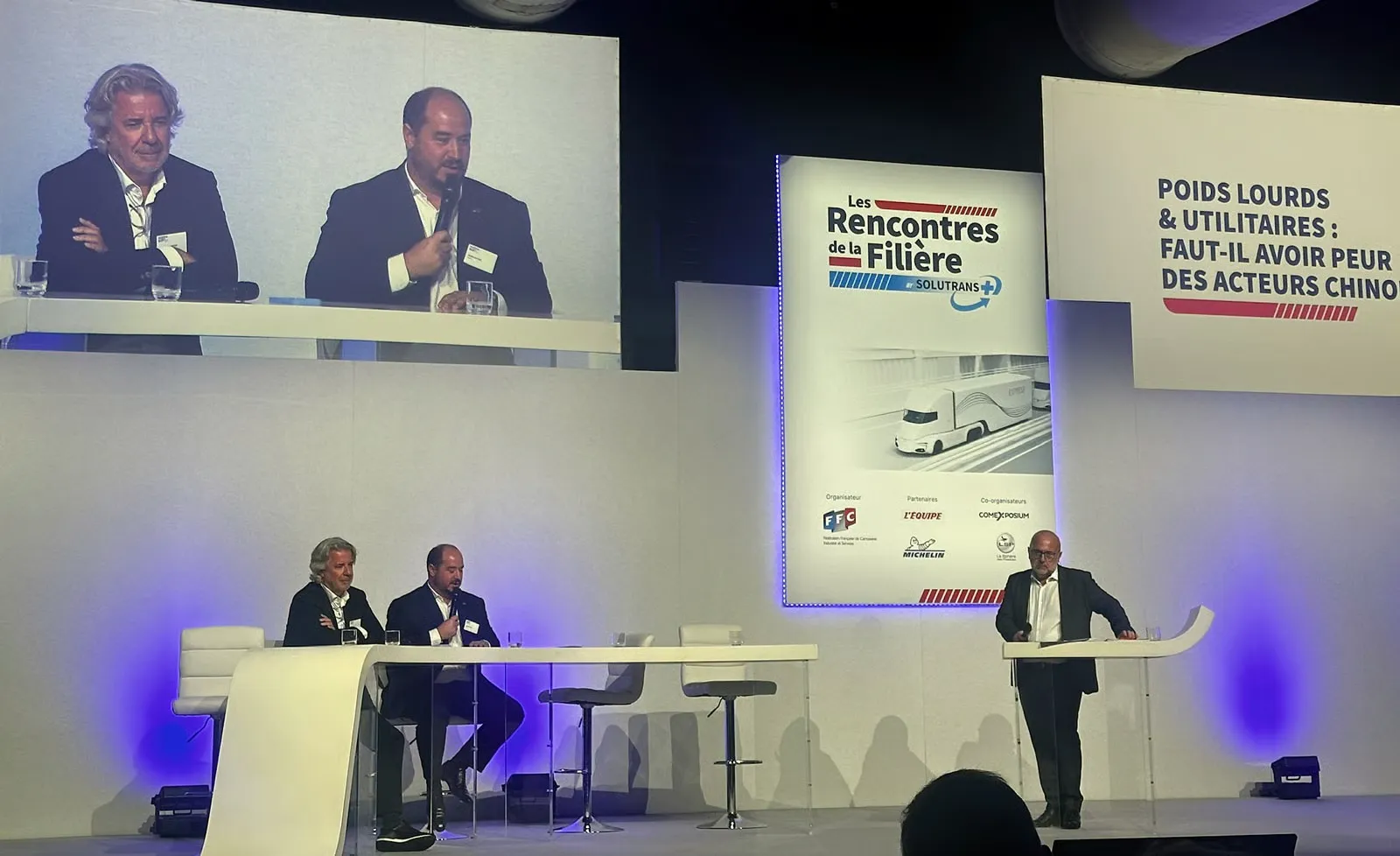
On October 22, during the Rencontres de la Filière event, Antoine Maria, CEO of Maxus Franc, spoke alongside Dominique Guilluy, representative of Renault Pro+
A doubled network and a new used vehicle offering
For Maxus, one of the next priorities will be the used vehicle segment. In B2B contexts, most vehicles are financed through leasing. The residual value directly affects both the lease payment and total cost of ownership. To better manage the resale of its vehicles, the brand will launch a Maxus Occasion offering. The first units will arrive next year, along with the first results from resale agreements. They will be sold through the dealership network.
The network currently has around fifty sales outlets, managed by distributors with strong local presence. The goal is to reach 100 to 120 dealers within two years, meaning more than 30 openings per year. “We want to build steadily and ensure the satisfaction and expertise of our local partners,” says Antoine Maria. Additionally, for after-sales service, the brand is also exploring partnerships.
Also read
Utility: these three measures will help small and medium-sized businesses switch to electric vehicles
With body shop manufacturers as well, it was necessary to earn their trust. The executive describes an initially “rather mixed” reception: “For a body shop, a new manufacturer means development costs. It’s about believing in a brand.” Today, Maxus claims to work with all French body shop manufacturers, from those handling dump trucks to those working on large-volume vehicles. It also offers more extensive modifications. This includes cooling systems connected directly to the traction battery via an electric power interface.
Breaking away from the “made in China” image
Maxus stands out with its equipment policy: each model is available only in a single, fully equipped version. This was a strategic choice at launch three years ago. At that time, “made in China” still carried an image of being “a bit cheap,” recalls Antoine Maria. “It was important to show that Chinese manufacturers also offer technology and innovation.” He emphasizes in particular the driving aids and the excellent results achieved in Euro NCAP tests.
The brand’s image has completely changed as well. “Three years ago, we had to demonstrate and explain our technology. Today, customers come to us for electric vehicles, already convinced by Chinese craftsmanship,” says Antoine Maria. A similar shift is seen among distributors: “Back then, some brands shut us out. Now, dealers have decided to expand their offerings.”
A Kangoo rival by the end of 2027, with a heavier model following later
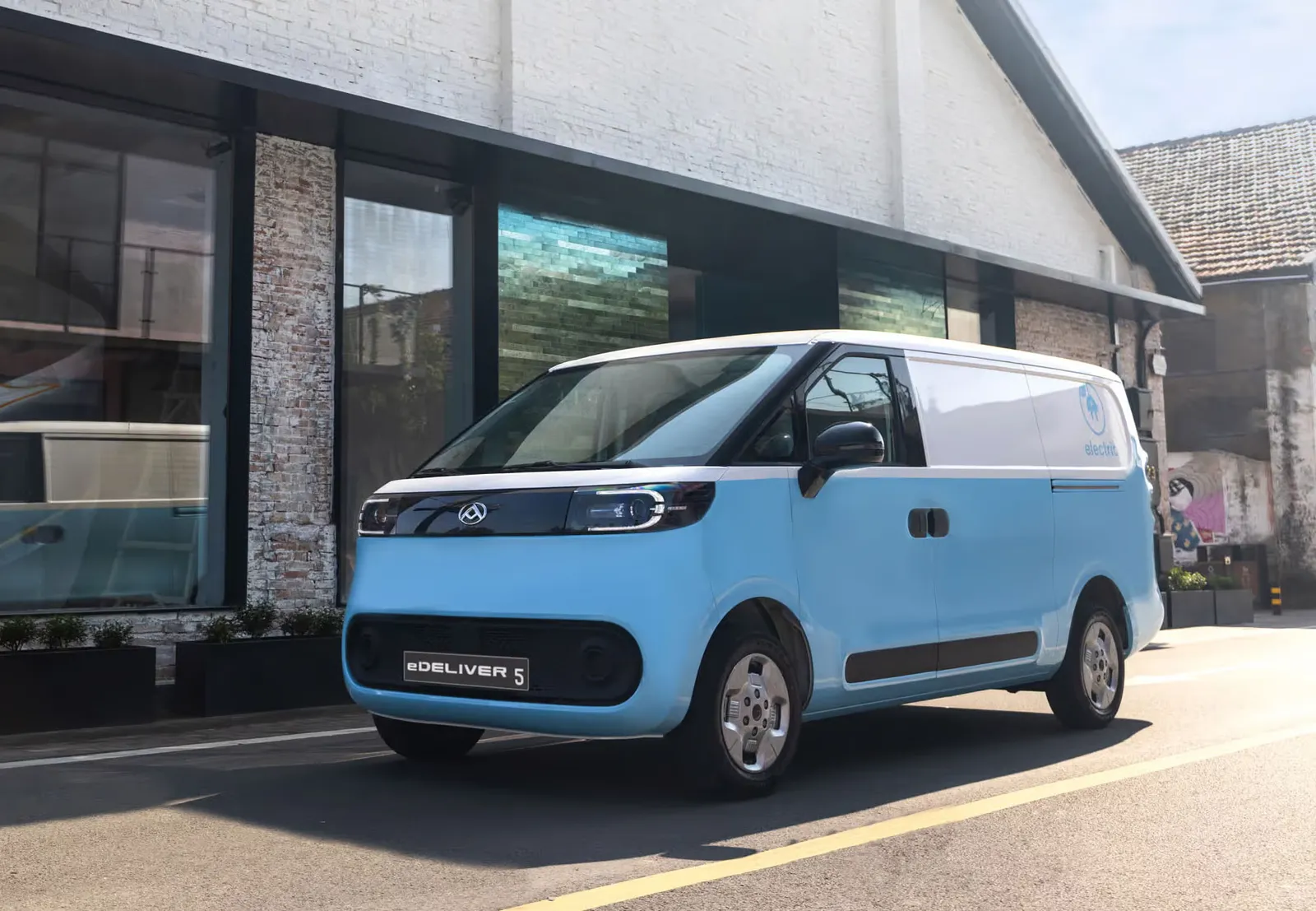
In the electric segment, the Maxus range currently includes vans up to 3.5 tonnes, from the eDeliver 5 and eDeliver 7 to the larger eDeliver 9. It also features the electric pickup Maxus Terron 9, in addition to diesel versions. By the end of 2027, a compact van will join this lineup to compete in the segment dominated by the Renault Kangoo electric, one of the market leaders. Until then, Maxus is relying on the restyled eDeliver 5. Introduced at the Hannover Motor Show and then at the World Motor Show, it features a more “European” front end design and a new chassis-cab version.
As for the heavy truck segment, Maxus is approaching the market cautiously. The manufacturer did display a road tractor and a 7.5-tonne carrier, both of which are already available in other markets. “Heavy trucks won’t be available anytime soon,” Antoine Maria insists. It’s a highly pragmatic decision. Indeed, Maxus only sells to companies with specialized networks for commercial vehicles. “Trucks require a different sales approach, different tools, and a different workshop,” he explains.
On the other side, Renault defends its stronghold
Dominique Guilluy from Renault Pro+, speaking alongside him, downplays the threat. According to him, Chinese brands are gaining market share mainly at the expense of other Asian brands, not European ones. With 30% market share despite having “among the highest” list prices, Renault relies on its four SUVs manufactured in France and its strong domestic presence. “There are more Renault signs than SNCF stations in France,” he jokes. The automaker aims to strengthen this network through remote maintenance and tracking services for fleets. When questioned on the matter, Renault also ruled out any industrial partnership with a Chinese manufacturer in Europe. However, it is collaborating with Geely elsewhere in the world.
The two manufacturers agree on one point, however. With rising diesel prices, the total cost of ownership for electric vans becomes more attractive than that of diesel ones. Demand follows suit, according to Dominique Guilluy: “We saw this at the trade show last week. Last year, when we showed the Trafic E-Tech at Solutrans, people would say to us: ‘It’s superb, it’s amazing, it does so many things… Do you have a diesel version?’ Today, that’s no longer the case. They ask about range, charging speed. And most importantly: ‘Give us offers.’ Things have changed a lot.”