
Electric vehicle: What incentives are available for professionals in 2026?
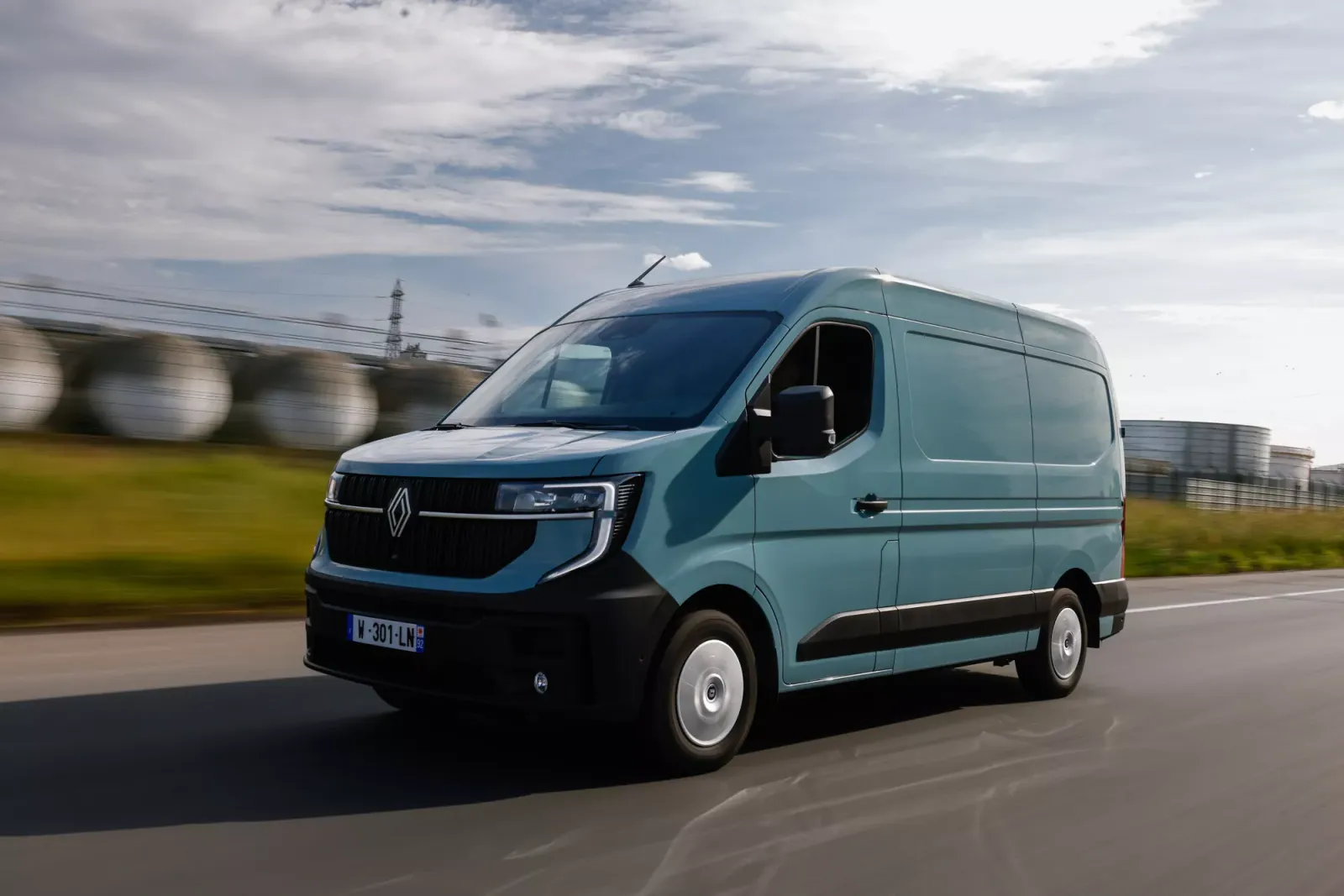
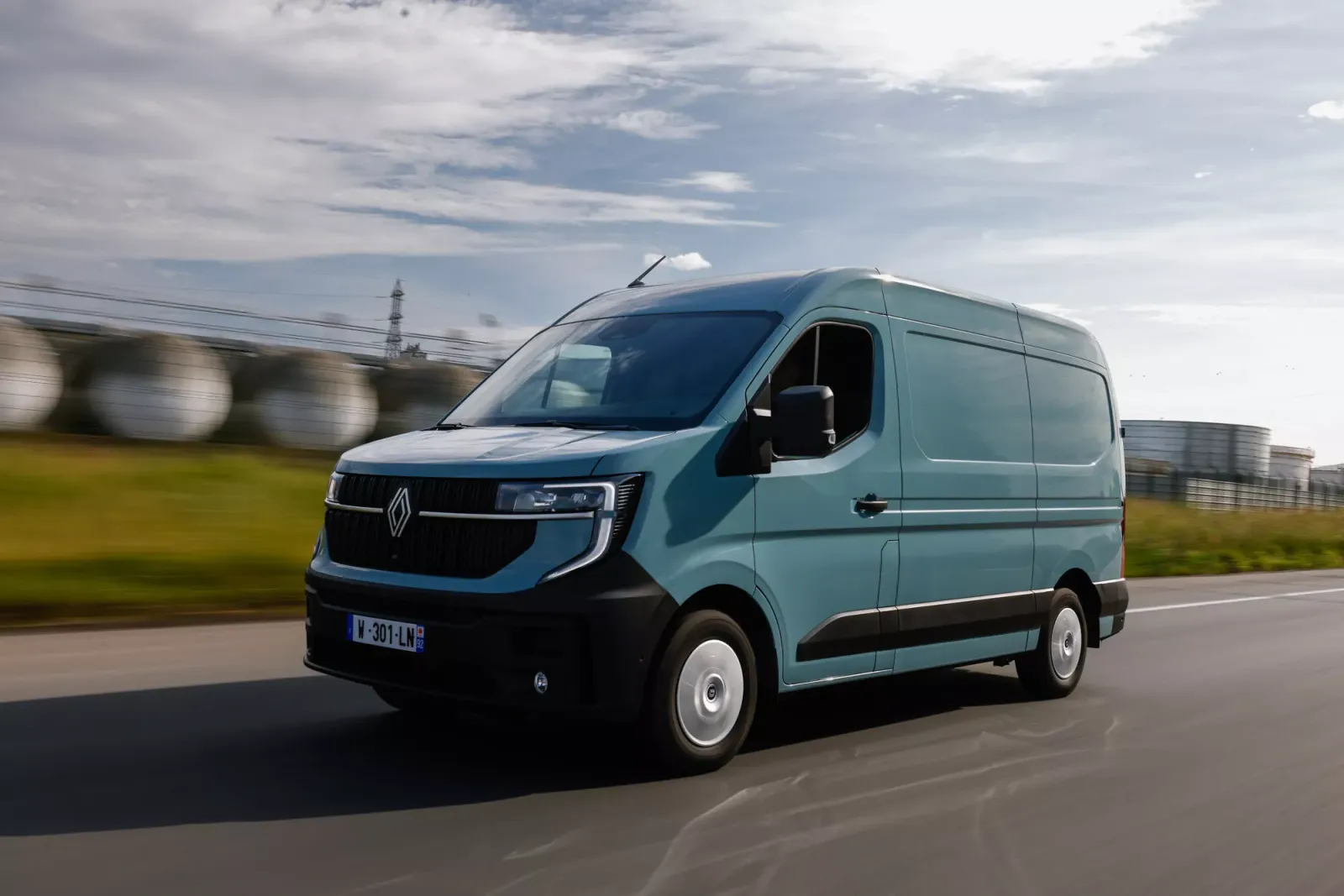
The environmental bonus and conversion subsidy no longer exist for professionals. However, purchasing an electric van remains supported in 2026 through the CEE grant, local subsidies, and favorable tax incentives. We outline these available programs.
Subsidies for purchasing an electric van still available in 2026
Yes, professionals can still reduce the cost of an electric van in 2026. Three main options remain: the CEE grant, local subsidies, and the retrofit subsidy. These often combine with the tax benefits detailed below.
The CEE grant, the main national incentive
The CEE subsidy replaced the professional bonus. It is not paid by the state. Instead, energy suppliers fund it as part of energy savings certificates.
This scheme covers new light commercial vehicles in category N1. Some N2 vehicles are also eligible, with a weight exemption up to 3.5 tonnes. Three scenarios qualify for the subsidy: purchase, long-term leasing (minimum 24 months), and retrofitting.
Under the decree issued on May 18, 2026, the amount depends on the vehicle’s weight. An additional bonus is available for models manufactured within the European Economic Area and listed by ADEME. For larger vehicles, the subsidy can reach up to approximately 9,500 € (indicative amount as of September 2026).
Profile
Scheme
Indicative amount for 2026
Company (legal entity)
EEC utility vehicle subsidy
up to approximately 9,500 € (large models assembled in the EEA)
Sole proprietor
“Coup de pouce” subsidy
depending on income, with a mileage bonus for business use starting from September 1, 2026
The amounts are indicative. They vary depending on the provider and the market price of certificates. It is best to compare several offers before signing. The subsidy is not subject to VAT and is generally deducted directly from the invoice.
Local subsidies
Many local authorities support the transition to electric vehicles. Regions, departments, and metropolitan areas fund the renewal of professional fleets. These subsidies depend on the region and are often combined with the EEC subsidy. It is necessary to check the specific caps for each scheme.
Region
Target audience
Aid (order of magnitude 2026)
Region Provence-Alpes-Côte d’Azur
Sole proprietors, small businesses, SMEs
Up to 15,000 €
City of Paris
Companies with fewer than 50 employees
33% of the gross price, ceiling of 6,000 €
Grand Paris region
Small businesses and SMEs
Up to 6,000 €
Lyon region
Professionals
Up to 5,000 € (light utility vehicle)
Aix-Marseille-Provence
Replacement of a diesel utility vehicle
1,000 to 3,000 €
Grenoble, Toulouse, Strasbourg
Professionals
1,500 to 3,000 € (variable)
The figures are order of magnitudes recorded in September 2026. These subsidies depend on an annual budget and change rapidly. Applications are often submitted before purchase, supported by relevant documentation. A simple step: check the schemes available in your region, department, and municipality. To identify the model suitable for your business, see also the guide to purchasing electric utility vehicles.
What about low-emission zones?
ZFEs remain in effect in 2026. Parliament had voted to abolish them in the spring. But the Constitutional Council struck down this measure on May 21, 2026, for procedural reasons.
About twenty metropolitan areas still enforce restrictions based on the Crit’Air sticker. Electric vans can travel there without any limits. However, this issue remains debated, with new legislative proposals emerging. It is best to follow your local area’s rules before making any purchase.
Incentive for Electric Retrofits
A retrofit involves converting a thermal engine into an electric one. A legal entity remains eligible for the incentive, provided it chooses the electric conversion option. Retrofits to rechargeable hybrids do not qualify businesses for this incentive.
For a light commercial vehicle, the subsidy covers 40% of the purchase price. It is capped at 4,000, 6,000, or 8,000 euros depending on the vehicle’s class. A qualified professional advances the incentive payment and deducts it from the invoice. Individual consumers are still subject to income requirements.
Taxation: The Real Lever for Saving on VULs
Direct subsidies have declined. Taxation takes over as the primary tool for savings. For commercial vehicles, it is even more favorable than for cars. Three advantages apply without any penalty caps.
100% Refundable VAT
A company can get its VAT back on the purchase of a commercial vehicle. This immediately reduces the cost by 20%. Private cars do not qualify for this benefit, except in specific cases.
VAT on electricity used for charging can also be reclaimed. VAT on maintenance costs is deductible as well. The difference compared to passenger cars is significant.
Unlimited Depreciation
Passenger cars have limited depreciation based on CO2 emissions (Article 39-4 of the CGI). The cap is 30,000 euros for electric models, 18,300 euros for vehicles with 50 to 160 g/km of CO2 emissions, and 9,900 euros for those above that range.
An N1 utility vehicle is exempt from this cap. The purchase price is fully amortized over four to five years generally. Leases, LOA agreements, or finance leases have their payments fully deductible. The battery, charged separately, is also amortized without being subject to this cap.
Exemption from annual taxes on company vehicles
The old TVS system has been replaced by two annual taxes: one on CO2 emissions and another on pollutants. These taxes apply to passenger vehicles. N1 utility vehicles fall outside their scope, regardless of engine type.
An electric utility vehicle thus enjoys two forms of protection: being outside the scope of these taxes and receiving an exemption due to zero emissions. For a conventional passenger vehicle, these taxes can quickly amount to several hundred euros per year per vehicle.
The trap of VP derivatives
A VP derivative is an N1 vehicle similar to a car, often two-seater with a flat floor. It retains its utility vehicle status on paper. However, the authorities monitor its actual use.
Use that resembles that of a car can lead to reclassification. The company then loses its exemption and is subject to the standard depreciation limits again. The key factor remains proof of its use for business purposes. Five seats are still possible, as long as there are no more than two rows of seats.
Charging: A asset for the company
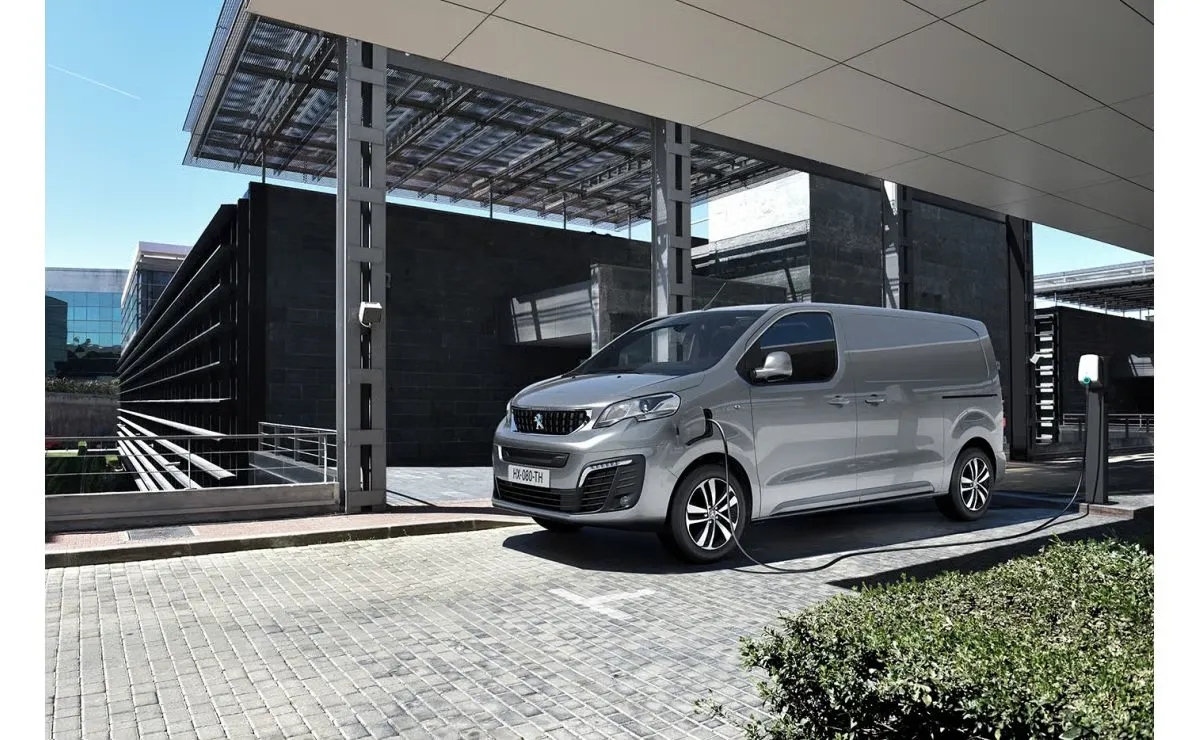
The refueling of utility vehicles often takes place at depots at night. The charging station then becomes a component to be included in the project. Its tax treatment remains favorable, even though subsidies have decreased.
A depreciated station, recoverable VAT
A charging station installed on site is considered fixed assets. It is depreciated over its useful life. The VAT associated with it can be recovered for professional use.
Certain equipment qualifies for accelerated depreciation as part of the energy transition. The installation must be carried out by a certified IRVE professional. This is a requirement for eligibility to receive subsidies.
The future in 2026: support that has become rare for light fleets
Advenir has significantly reduced its subsidies. Funding for charging stations in private parking lots has been cut since 2023. Subsidies intended for the automotive industry disappeared on January 1, 2026.
Advenir now focuses primarily on heavy vehicles and collective ownership projects. For a craftsman’s charging station, it is better to look into local subsidies and depreciation options. Useful to know: until December 31, 2027, charging at work for personal use does not provide any tax benefits.
Buy or rent an electric utility vehicle?
There are three options for professionals: purchase, leasing with option to buy, and finance lease. With purchase, the company can depreciate the vehicle and recover VAT. With leasing, rental payments are deductible, with no cap for utility vehicles.
LLD simplifies management and streamlines cash flow. LOA provides an option to purchase at the end of the contract. The CEE premium also applies to leasing after 24 months. To compare the options, see the comparison of electric leasing for professionals.
How much does a tradesperson actually save?
The calculations are done before tax, as the professional gets their VAT back. Let’s take a compact van, assuming 20,000 kilometers per year for 4 years. The purchase prices are used as assumptions; energy rates are based on those in September 2026.
The current economic situation significantly affects the calculations. In September 2026, diesel averaged 2.40 € per liter, a record high. In contrast, electricity costs around 0.20 € per kWh. The cost difference in usage becomes substantial.
Cost (pre-tax)
Electric van
Diesel van
Pre-tax purchase price (assumption)
35,000 €
28,000 €
CEE bonus
− 5,000 €
—
Net purchase cost
30,000 €
28,000 €
Energy cost over 4 years (80,000 km)
about 2,670 €
about 10,400 €
Maintenance over 4 years
about 2,000 €
about 4,000 €
Total cost over 4 years
about 34,670 €
about 42,400 €
The difference amounts to nearly 7,700 € over four years in favor of the electric vehicle. Both vehicles qualify for VAT reimbursement and have unlimited depreciation. Thus, the difference lies in the CEE bonus and, especially, energy costs. Local subsidies would further widen this gap.
This calculation does not account for access to ZFE zones or resale value. It remains illustrative and must be adjusted based on the model, mileage, and region. In practice, professionals confirm the benefits of making this switch. Also read: Hervé’s experience with the Kangoo E-Tech, and that of a mechanic aiming to cover 500,000 kilometers with his electric van.
Subsidies for electric vans: what disappeared in 2026
The environmental bonus no longer exists for legal entities as of December 2, 2024. The conversion incentive was also removed for businesses. Only retrofits continue to receive a dedicated subsidy.
These deletions explain the shift in strategy. Tax incentives and the CEE grant have become the primary means of saving money. As a result, electric vans still receive support, but in different ways than before.
Frequently asked questions
Is it still possible to receive the environmental bonus for a commercial vehicle?
No. The bonus was discontinued for legal entities on December 2, 2024. It has been replaced by the CEE grant as a national subsidy.
What support is available for self-employed individuals?
A sole proprietor can apply for the “Coup de pouce” grant. Its amount depends on income and professional mileage.
Can VAT be reclaimed on an electric commercial vehicle?
Yes, 100% of it can be reclaimed at purchase. VAT on electricity and maintenance is also reclaimable.
Does an electric commercial vehicle have to pay corporate vehicle taxes?
No. N1 commercial vehicles remain exempt from these taxes. An electric model is exempt anyway.
Is there support for retrofitting a commercial vehicle?
Yes. The electric retrofit subsidy covers 40% of the cost. It is capped depending on the vehicle class.