
Utility: These three measures will help small and medium-sized enterprises transition to electric power
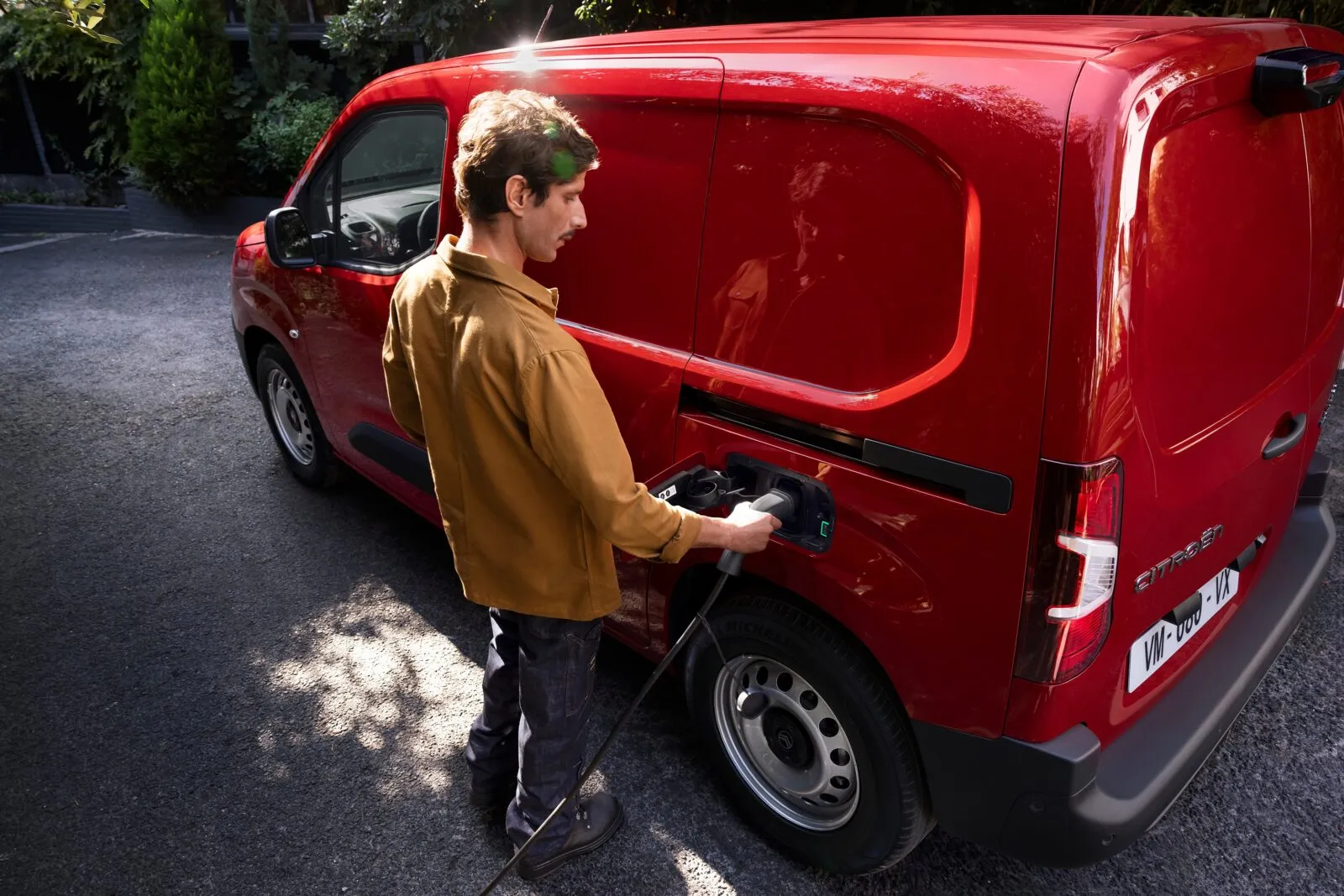
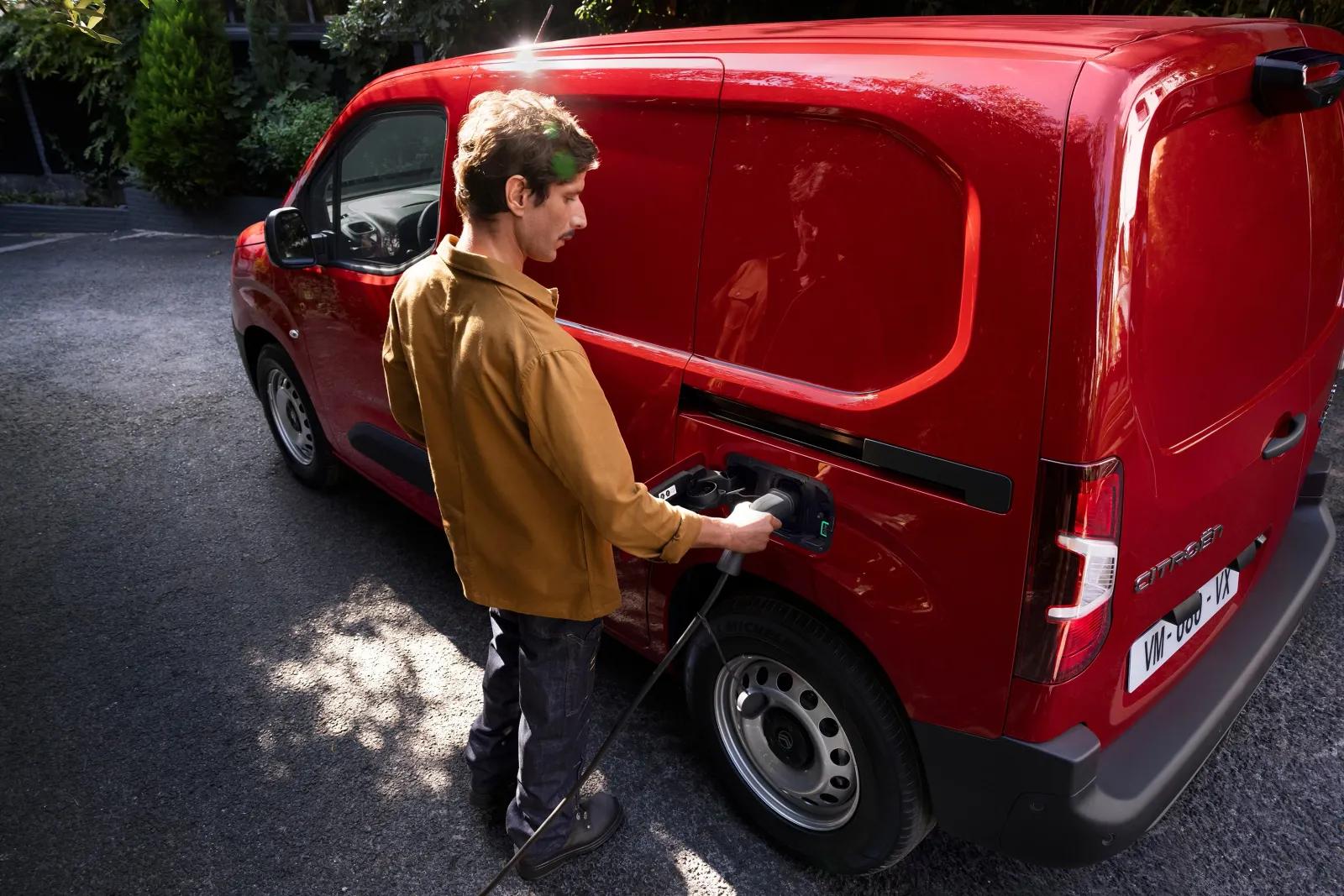
A strengthened subsidy of up to 11,000 €, a license class B extended to 4.25 tonnes, and loans at 1.5 %: the second phase of the electrification plan, unveiled on October 15, 2026, finally targets commercial vehicles. These three measures are aimed directly at artisans, small businesses, and SMEs.
While electric cars are gaining momentum (accounting for over 40 % of new car sales in September), light commercial vehicles remain overwhelmingly powered by internal combustion engines. As a result, businesses that use such vehicles are still highly vulnerable to fuel prices. It is this bottleneck the government seeks to overcome, with a goal of adding 20,000 more electric light commercial vehicles on the roads.
Up to 11,000 € in support for a commercial vehicle assembled in Europe
This is the key measure for professionals. Starting from January 1, 2027, small and medium-sized enterprises will be able to receive an additional purchase subsidy for electric VULs manufactured in Europe. Construction industry craftsmen are specifically targeted by this measure.
This support complements the reformed EEC subsidy, which remains in place as of June 1, 2026. Paid by energy suppliers, this subsidy depends on the vehicle’s weight and is increased for models assembled within the European Economic Area. It amounts to around 9,700 euros for the largest vans, depending on EEC rates. With the additional subsidy planned for 2027, the total support could reach up to 11,000 euros.
The government is also relying on leasing. This is not social leasing like the one offered to households, but rather rental options for commercial vehicles assembled in Europe, intended for small and medium-sized enterprises. European manufacturers will commit to specific production volumes, and a charter will regulate the rental prices.
In total, the government aims to finance 20,000 electric VULs through this initiative.
License B now applies to 4.25-tonne electric vehicles
This is a well-known obstacle for craftsmen. Currently, License B restricts driving to vehicles with a maximum authorized gross weight of 3.5 tonnes. However, batteries increase the weight of electric commercial vehicles, reducing their payload by at least 200 kg compared to diesel equivalents.
For plumbers or masons who transport equipment and materials, the difference matters. France will therefore implement a European directive passed in November 2025: with a simple Class B license, it will be possible to drive an electric VUL up to 4.25 tonnes. The adaptation of the legal framework is scheduled for January 1, 2027.
1.5% loans to finance the vehicle
With rising interest rates, borrowing to acquire such vehicles becomes deterrent for many small businesses, even when the investment is profitable. The government will therefore launch a program of subsidized “electrification” loans.
100 million euros from an energy savings certificate program will be used to subsidize approximately 1 billion euros in loans. Selected by Ademe, the banks will be able to offer interest rates around 1.5%, compared to 3.7% currently in the market. For a 10-year loan, the total interest cost will thus be reduced by more than half.
It should be noted that these loans will not finance only commercial vehicles: they can cover up to 20,000 electrical devices, ranging from heat pumps and heavy trucks to ovens, roasters, or painting booths. But combined with the new subsidy, they allow for a significant reduction in the required down payment and enable the purchase of a VUL to be amortized over several years.
Ademe will issue a call for expressions of interest on December 1, 2026, to select partner banks. Loans will be available starting February 1, 2027.