
Used Volkswagen ID 3 buying guide: The VW that had two lives
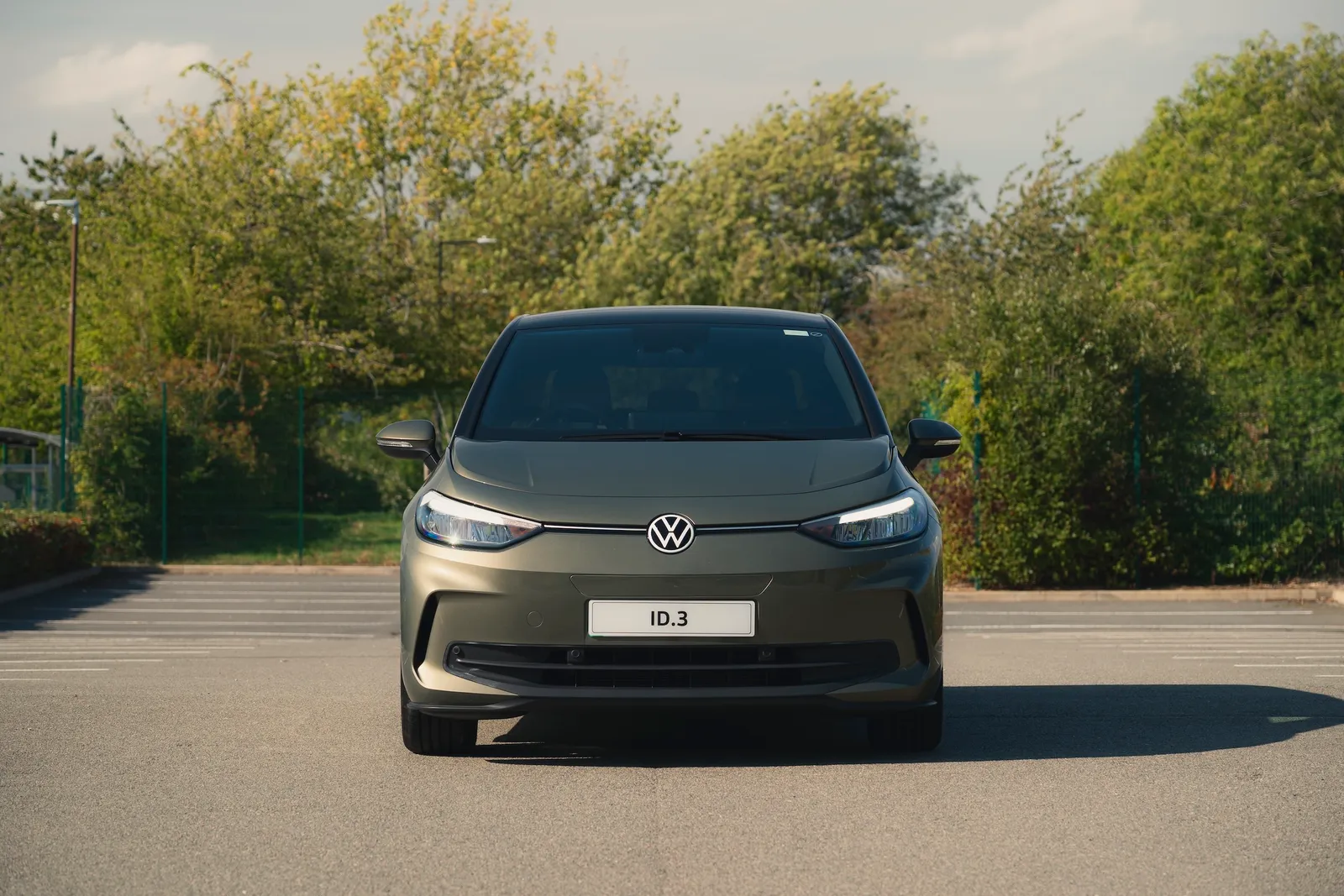
Later ones are great; early ones definitely ain’t – welcome to one of the strangest and biggest redemption arcs in VW’s modern history
Launched in 2020, the Volkswagen ID 3 was the first model in VW’s all-electric ID series of vehicles. According to the good people at Wolfsburg, ID means ‘Intelligent Design’, and this range of electric-only models was intended to usher in VW brave, all-new electric era. The ID 3 was supposed to serve as a replacement for the e-Golf, an electric version of the Golf Mk7 – a car widely considered to be one of the greatest Volkswagens ever.
…except in its initial guise, the ID 3 very much wasn’t that.
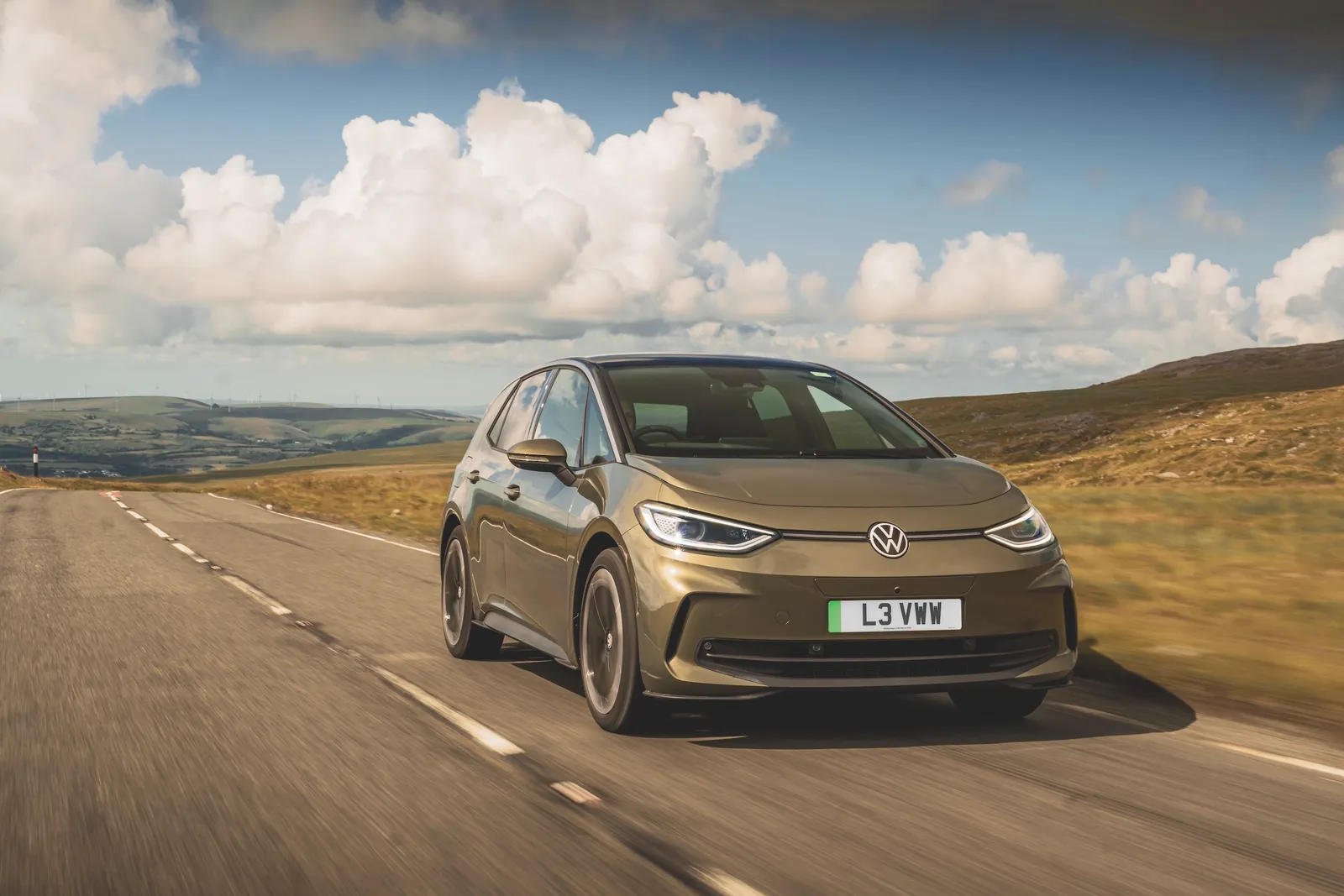
Upon arrival, Volkswagen’s moonshot EV was plagued by reliability issues, a poor-quality cabin, software problems, and an all-around feeling that it was a knee-jerk reaction to Volkswagen’s Dieselgate scandal, instead of building a dedicated, well-thought-out electric model, which retained all of VW’s signature traits of quality, dependability, and being easy to live with.
Yet amidst the early ID turmoil, Volkswagen then remembered how to build – in its own words, ‘grown-up cars for grown-ups’- and the facelift at the end of 2023 for the 2024 model year (MY) transformed the ID 3 into the car it should have always been: A sensible, well-made family hatchback.
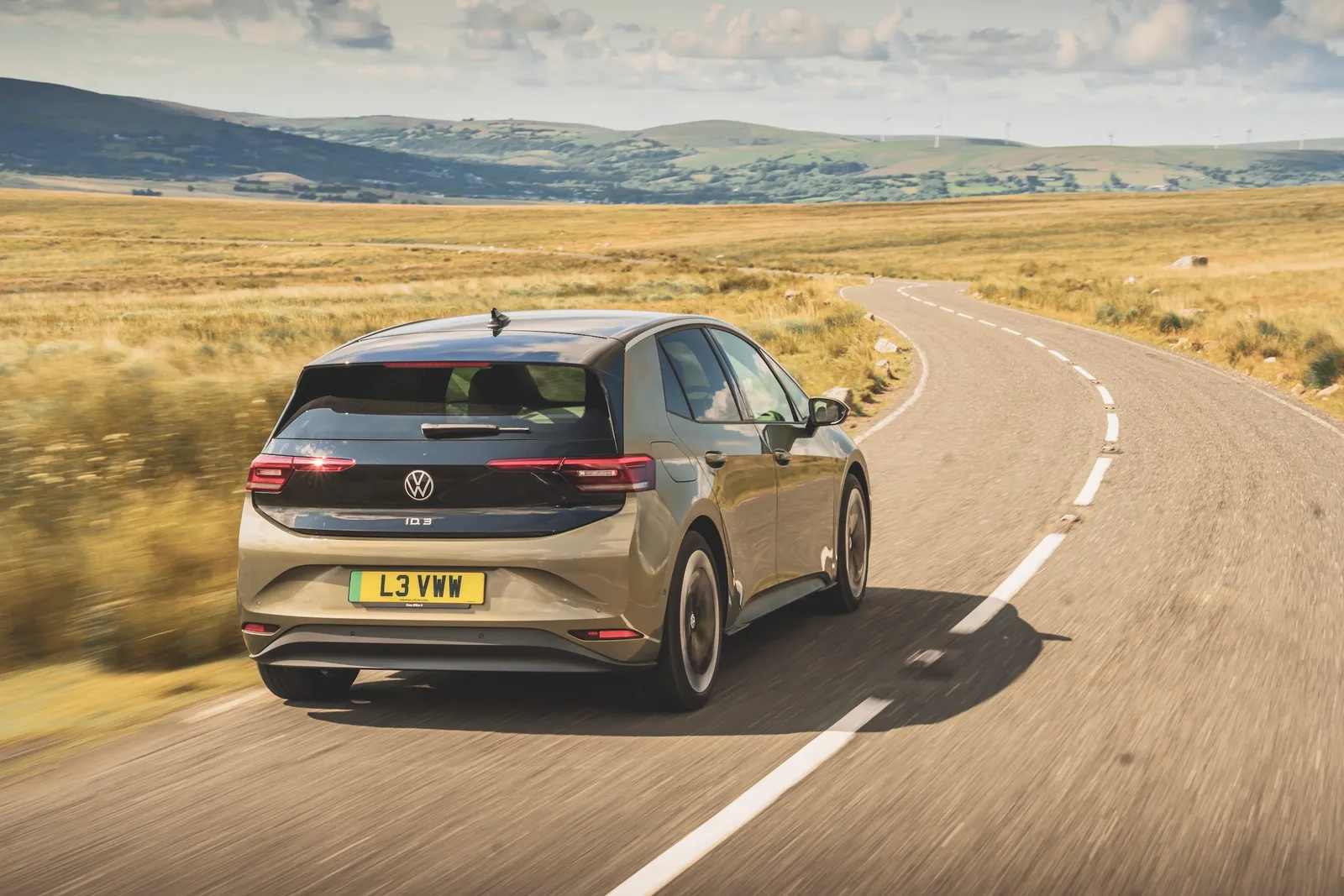
Post-facelift ID 3s benefit from a massively improved cabin, up to 351 miles of range, an improved software stack, and a more mature design. In 2025, Volkswagen even issued a 322bhp ‘hot’ version called the GTX.
All things considered, then, the ID 3 is the Volkswagen that had two lives. There’s no escaping the fact that early cars were riddled with issues, but post-facelift cars are more than worthy of the iconic ‘VW’ logo on its front and rear light-bars. If it wasn’t, it wouldn’t be amongst the top-10 best-selling used EVs in the UK.
Volkswagen ID 3 UK history
When the VW ID 3 arrived in the UK, there were three powertrain levels available, and all were based around Wolfsburg’s then-new, electric-only MEB platform: Entry-level Pure Performance cars got a 45kWh battery and a 217-mile range; mid-tier Pro cars a 58kWh pack and a 226-mile range, while the range-topping Pro S got a 77kWh unit and a 336-mile range.
When Volkswagen revised the ID 3 at the end of 2023 for the 2024 MY, it wasn’t just a nip and tuck here and there. In fact, the entire update was a pretty big revision inside, outside, and underneath.
The black bonnet section in front of the windscreen was removed completely, while new bumpers front and rear helped contribute to a more grown-up look, replacing the uvum-esque appearance of pre-facelift ID 3s.
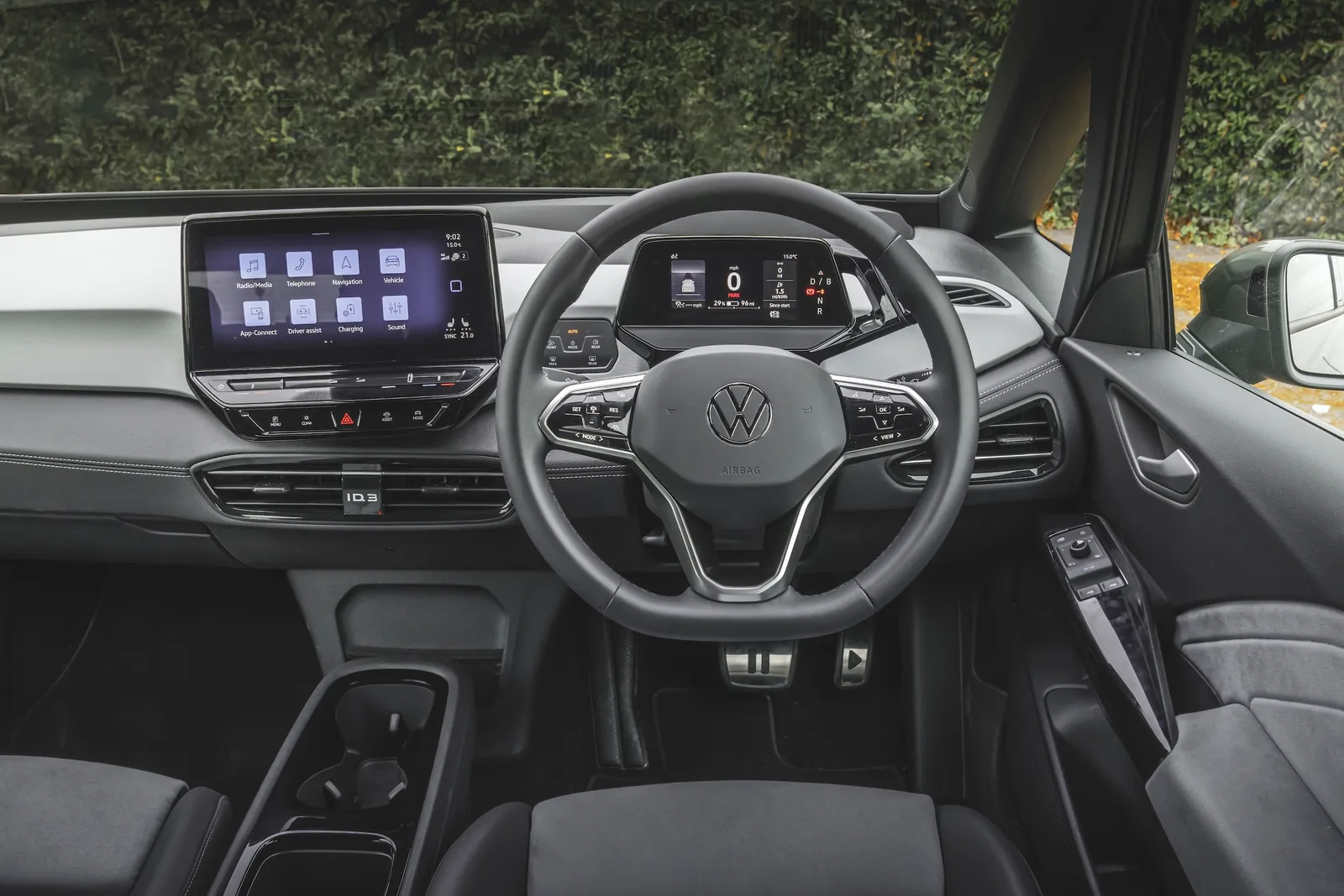
Inside, the post-2023 cars’ software system was completely revamped for a system that didn’t lag or glitch, and the 10.3-inch infotainment screen in the centre of the dash was eventually replaced by the 12.9-inch unit introduced on the GTX.
As it sought to distance itself from the e-Golf, the early ID 3’s cabin was a far cry from arguably VW’s most iconic nameplate, and a car that had unfortunately had its name tarnished as a result of its association with the Dieselgate affair. Gone was the 7’s logically laid-out cabin with plenty of high-end, soft-touch materials and muscle memory-friendly switchgear.
In fact, early ID 3s leaned into the inherently futuristic nature of EVs, and did a complete U-turn from the Golf. It introduced haptic switchgear on the steering wheel, and additional haptics to adjust the cabin temperature. The problem was that the haptics didn’t work properly, and the sliders to adjust how cold or warm you wanted your ID weren’t backlit.
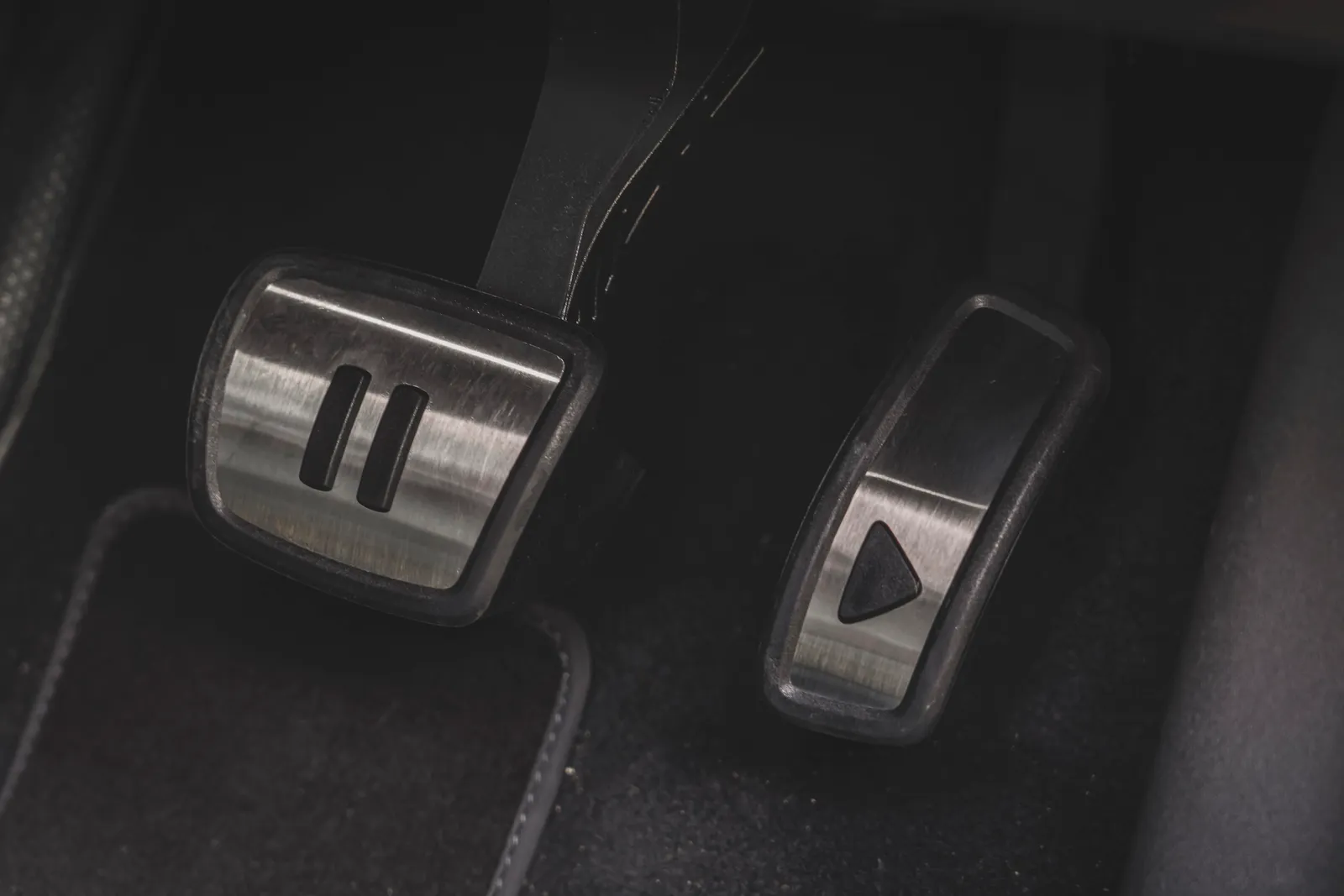
Thankfully, VW listened. Facelifted cars got proper clicky steering wheel buttons, and the temperature haptics were backlit and actually worked. It ditched its “wild und crazy” white and orange cabin trim option for more traditional, muted hues, which appealed to the brand’s usually conservative customer base. Much nicer materials were also part of the package. However, the respective ‘play’ and ‘pause’ symbols on the accellerator and brake remained, and served as a reminder that Wolfsburg hasn’t lost its sense of humour.
A series of technical changes came with the 2024 MY updates courtesy of a revised trim system. The Pure got a bigger 52kWh battery with a 241-mile range, the Pro now came with a 59kWh pack capable of 296 miles on a single charge, while the range-topping Pro S and Performance-focused GTX shared a 79kWh unit.
The latter, however, benefited from Volkswagen’s new AP550 electric motor with a brushless motor, extending range to 371 miles from the Pro S’s 352-mile capacity. Yet despite the gulf between pre- and post-facelift ID 3s, all versions have been praised for their enjoyable handling, while later cars are more than worthy rivals to the Renault Mégane and the Kia EV4; both of which are multiple-award winners.
Used Volkswagen ID 3 equipment
Like its sister firm, Škoda, VW’s trim grade system is pretty baffling. Alongside the Pure, Pro, Pro S, and GTX powertrain naming system, there is then the matter of trim levels.
Pre-2024 base-spec cars are called ‘Life’ and come with a multi-functional heated steering wheel, heated front seats, adaptive cruise control, electric door mirrors, front and rear parking sensors, and an in-built infotainment system compatible with plug-in Android Auto and Apple CarPlay.
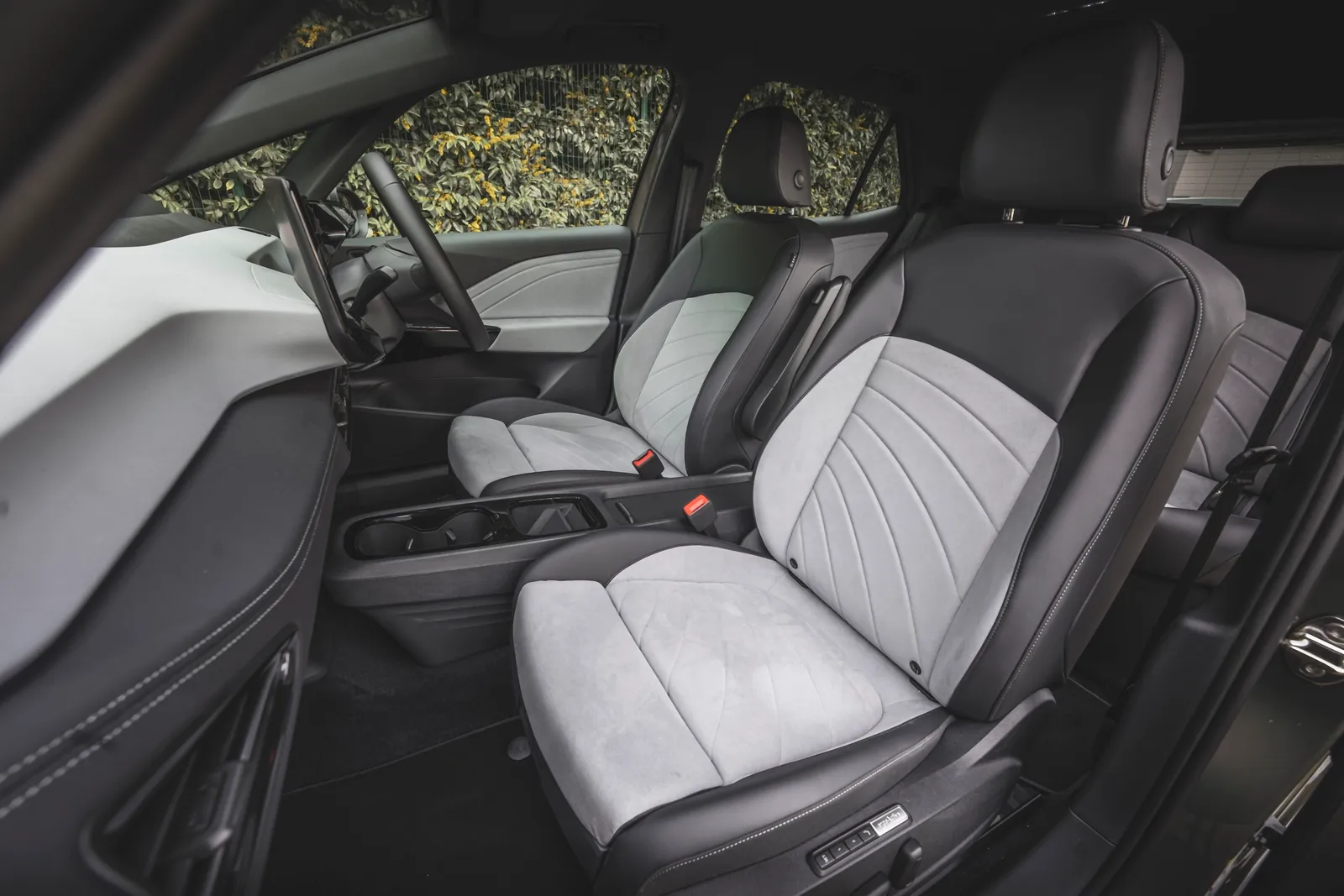
‘Family’ trim added in dual-zone climate control, while the ‘Max’ trim above introduced adaptive suspension, and progressive steering as part of the gratis ‘Sports’ pack. ‘Tour’-spec cars sit at the top of the tree, and are only available with the 79kWh battery. Wireless mobile charging, ambient lighting, and an in-built navigation system were standard.
With its massive battery and silly 0-62mph of 5.7 seconds, the ID 3 GTX comes with dynamic chassis control to handle the extra grunt and grip.
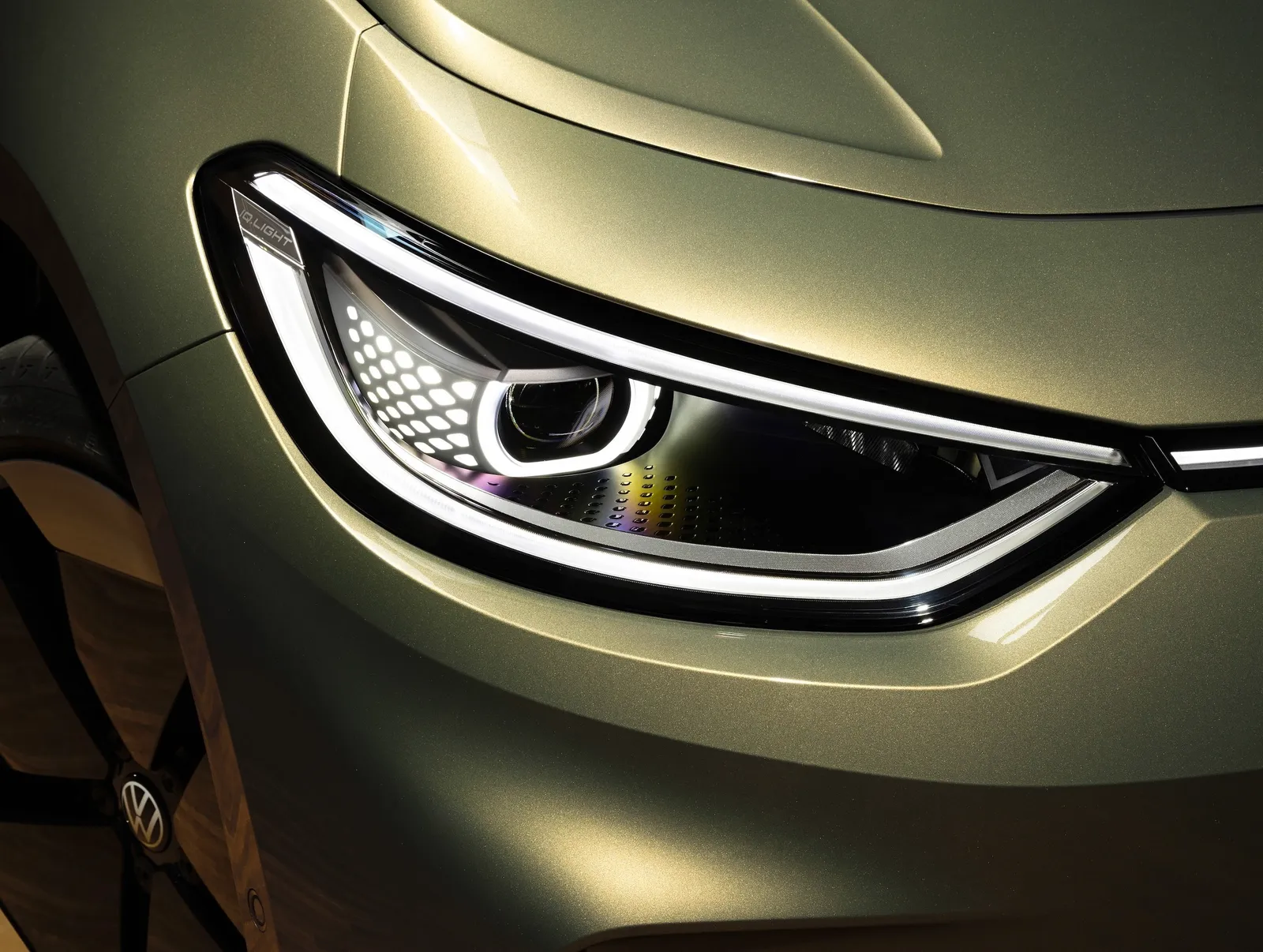
There is also a very, very German take on the GTX called the ‘Fire and Ice’ – a tie-up between German luxury clothing brand Bogner, and based on the 1986 ski-themed action movie of the same name. Click here if that’s your thing.
Please note that revised versions of the Volkswagen ID 3 were renamed Essential and Match to simplify things, and this new naming system corresponded to their Pure, Pro, and Pro S powertrains. VW often tweaked the ID 3’s equipment levels, so check what’s included with your local dealer to ensure everything matches up.
Used Volkswagen ID 3 price, range, and running costs
The VW ID 3 has been here a while, so there are plenty of them around on the used market. In fact, there are 749 for sale on AutoTrader, with the most affordable starting at around £9,500 for a 2020 Pro Performance with 87,000 miles on the clock and a 91% state-of-charge from its battery, proving once again that the pack is a tough piece of kit.
When it comes to the most pricey versions – and this excludes the GTX and oh-so-tasteful ‘Fire and Ice’ – then an almost new Pro S with a 79kWh battery will cost from around £37k – £39k.
However, we’d say that the sweet spot lies around the £20k – £25k mark. As always, do try to buy from an approved used dealer for peace of mind. What’s more, EVs are no longer exempt from road tax, meaning that an ID 3 will cost you £200 a year to keep on the road.
ID 3s originally costing over £40k (that’ll be the GTX and ‘Fire and Ice’) will also face the Expensive Car Supplement. This applies in years two to six after the car’s first registration and adds another £425 to your annual tax bill.
Using a home charging tariff such as Pod Power by EDF, which drops as low as 6.49p/kWh overnight, fully charging an ID 3 Pure’s 52kWh battery from a 7kWh wallbox costs as little as £3.37. Even the Pro S with its 79kWh unit won’t break the bank at £5.12 for a 0%-100% charge. Charging tames ranged from 100kW to 185kW, translating into a charging time of around 30 for each battery size.
Volkswagen ID 3 insurance
The Volkswagen ID 3 isn’t the most expensive EV to insure. The Pure Performance with the 45kWh battery sits in insurance group 19 from 50. The 79kWh cars sit in groups 29/30.
As always, where you live, what you do for a living, your age, and whether you have off-street parking will determine how much car insurance you pay annually.
Used Volkswagen ID 3 reliability, official recalls, and faults to look for
Truth be told, the ID 3’s early issues drove a horse and cart through Volkswagen’s decades-honed reputation for reliability, and it’s only now that the brand has started to regain some of that lost good-will amongst long-term brand loyalists.
While the semi-conductor shortage of 2020-2023 didn’t help, early 2021 ID 3s were developed with an unfinished software package, and these cars in particular did untold damage to VW’s bombproof synonym.
To make up for this small oversight, Volkswagen offered a heap of incentives including free charging on the Ionity public charging network, three months free leasing, and free winter tyres. To add insult to injury, its own in-house-developed ID Wallbox homecharger needed to be replaced as it could only achieve a maximum charging speed of 4kW.
Unfortunately, things didn’t stop there. Other issues on earlier cars included 12V failures, disconnecting keys and rear parking cameras, collapsing steering columns, blank infotainment screens, smartphone connection issues, inaccurate navigation directions, and errant warning lights for parking sensor failures and “manoeuvre braking”.
Remarkably, the ID 3 was only recalled three times by Volkswagen: The first recall was in November 2021, the second in March 2023, and the most recent in December 2025. We are told, though, that the 2024 MY revisions have done wonders for the car’s reliability and user experience (UX), with owners reporting a much more pleasant ownership experience than the troublesome, early ID 3s.
As always, dealerships are a mixed bag, with some being praised for their efficiency and customer care, while others were slated for their lack of attention, an absence of technical expertise, and long waiting times.
Bizarrely though, early ID 3s came with just two front speakers. Later in 2021, a seven-speaker system was added. Why? We have no idea.
The ‘one to have’
If you’ve made it this far, then you’ll probably have understood that the Volkswagen ID 3 is the ‘Dub that’s had two lives – it’s gone from something half-baked to an electric car fully worthy of the VW monikers.
Pre-2023 facelift cars are the ones to avoid: Their poor reliability is a serious black mark for the ID range, and the poor UX will have you swearing off any electric Volkswagen in the future.
That would be a mistake, as the revised ID 3 is very good, and the ID 7 is one of our stand-out cars of 2027. The heavily updated ID 3 Neo and the ID Polo, scheduled to be with us by the end of this year, are very much looking to be a return to form for Germany’s biggest car manufacturer. Welcome back Volkswagen, like Volvo, it’s nice to have you properly with us once again.