
U.S. Study: Early Transition to Electric Vehicles Can Dramatically Lower CO₂ Emissions
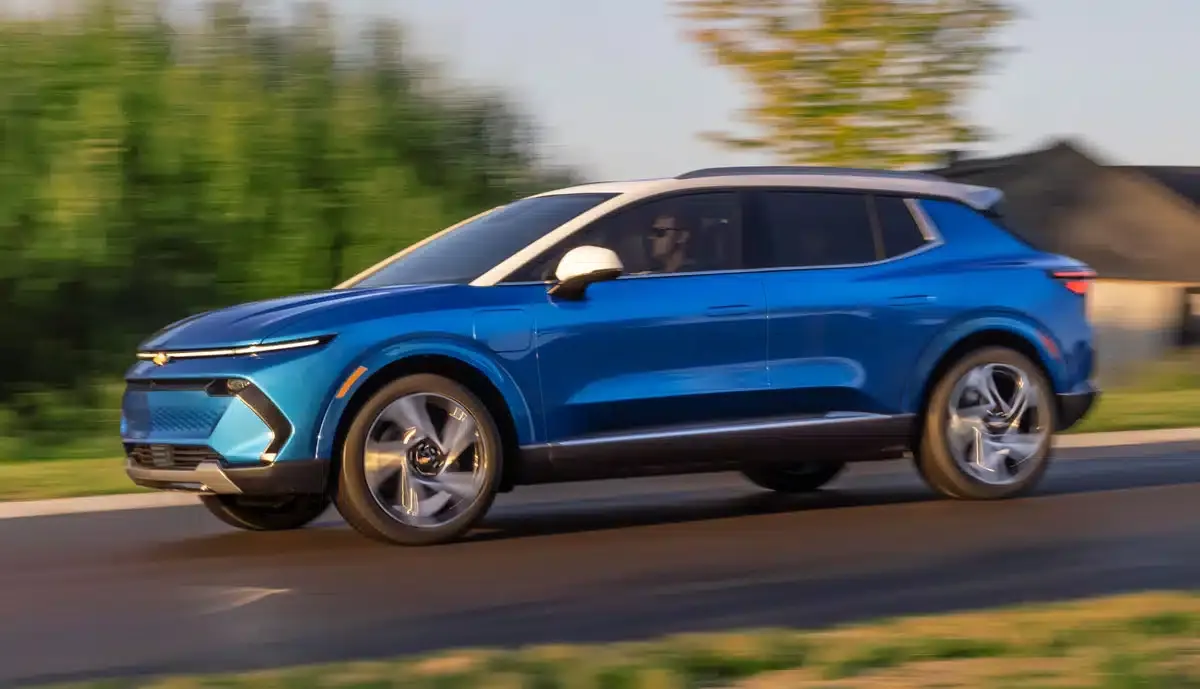
Image: General Motors
A study led by the University of California, Santa Cruz compares the CO₂ impact of switching from internal combustion engines to all-electric vehicles early on. The greatest climate benefits are achieved when a gasoline vehicle is phased out in the first year: over a 16-year period, CO₂ emissions decrease by 58 percent. On average, it takes about three years for the lower emissions from driving an electric vehicle to offset those from its production.
The transportation sector has recently become the largest source of CO₂ emissions in the U.S., with private vehicles accounting for a larger share than all other forms of transportation combined. Conventional engines burn gasoline to generate energy, resulting in CO₂ emissions. Battery electric vehicles use electricity stored from the local power grid, whose energy mix varies by location and can include both fossil and renewable energy sources.
Preliminary studies have shown that the manufacturing and operation of battery electric vehicles generally result in significantly lower CO₂ emissions compared to vehicles with internal combustion engines. However, it was unclear at what point an existing gasoline vehicle should be replaced most effectively. Manufacturing a new electric car is energy-intensive and generates emissions, whereas retiring an internal combustion engine earlier allows for more miles to be traveled with lower emissions.
Elliott Campbell from UC Santa Cruz and Roland Geyer from UC Santa Barbara compared various timing options for replacing a gasoline vehicle with an electric car. They calculated the emission differences between using a gasoline vehicle throughout its entire lifespan of about 16 years and disposing of it earlier followed by replacement. More than 400 models of gasoline engines and battery-electric vehicles were considered, along with differences in efficiency, power sources, driving range, battery size, and emissions from electric car production.
The calculations showed the greatest benefits from phasing out gasoline vehicles in the first year. “What it ultimately means is that gasoline vehicles require far more energy to operate,” explains Campbell. Only 20 percent of the energy in burned gasoline is actually used to move the vehicle, while the rest is lost as heat.
Range and electricity mix affect the balance
In 92 percent of the modeled scenarios, replacing gasoline or hybrid vehicles with purely battery-electric vehicles before the end of their useful life led to a reduction in total CO₂ emissions. The situation is different for plug-in hybrids, whose premature replacement can result in higher emissions in some cases. Internal combustion engines with an annual mileage of less than 7,054 kilometers for cars, 6,837 kilometers for SUVs, or 10,794 kilometers for trucks are also not worth replacing prematurely from the perspective of CO₂ emissions.
Another factor is the electricity mix at a particular location. In areas where power grids rely heavily on coal or other highly polluting fossil fuels, the emission benefits of an electric vehicle are reduced. For particularly efficient conventional hybrid vehicles, early replacement should be considered if the local power grid has an efficiency rate among the lowest 33 percent of all U.S. electricity generation and a CO₂ emission rate of over 970 pounds per megawatt hour (lbs/MWh).
According to calculations, for most of the U.S., early phasing out offers benefits even for highly fuel-efficient gasoline vehicles. For the most commonly sold internal combustion engine models in the country, early replacement results in lower CO₂ emissions even in grids with high emission levels. The study authors say the findings support accelerating the shift from internal combustion engines to battery electric vehicles as soon as possible.
Overall, according to the researchers, the findings show that it is crucial for combating climate change to help drivers switch from internal combustion engine vehicles to battery electric vehicles as quickly as possible. An increasing share of renewable energy in U.S. electricity production would further enhance the CO₂ benefits of electric cars. Moreover, a robust battery recycling industry could significantly offset the initial emissions associated with producing new electric vehicles. “The sooner we can advance these transitions, the better protected our communities will be from the impacts of climate change,” say the analysts.
Also interesting
About the author
Thomas Langenbucher is an expert in electromobility with professional experience in the automotive industry and finance sector. Since 2011, he has been covering electric vehicles, sustainable technologies, and mobility solutions for ecomento.de. Learn more.
Reader interactions