
The U.S. government is offering Sila up to 1.4 billion dollars in funding.
Sila has received a conditional credit commitment of up to $1.4 billion from the Office of Strategic Capital at the U.S. Department of Defense. The battery manufacturer plans to use this funding to expand its anode production in Washington and build its own cell manufacturing facility for the first time.
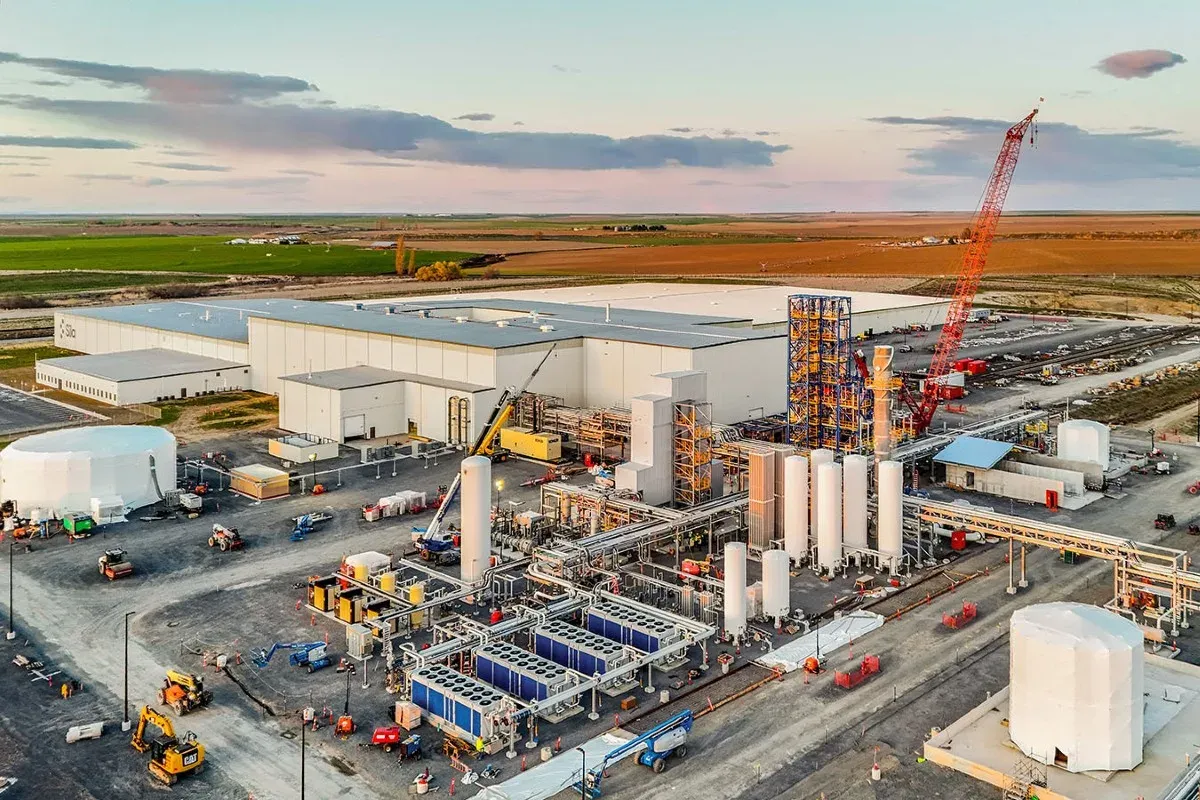
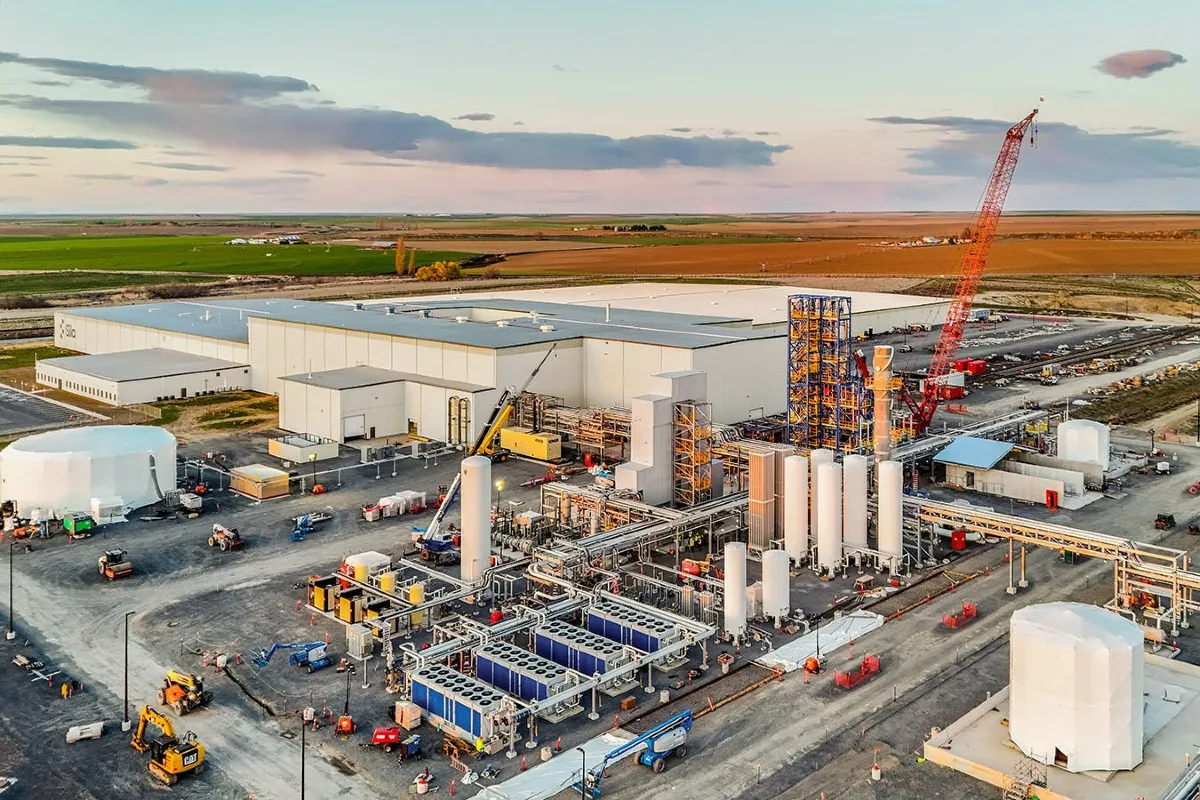
The focus of the planned investments is Silas Werk in Moses Lake, Washington state. There, the company produces its silicon-carbon anode material, which is sold under the name Titan Silicon. Government funding could enable further expansion of production capacity, including through a new generation of modular manufacturing technology designed to allow faster scaling in response to demand.
The facility in Moses Lake has been operational since fall 2025 and is located on a site covering approximately 65 hectares. The first phase of the plant is designed for anode materials and is intended to produce enough material to supply battery cells with a total capacity of around two GWh per year. In the long term, Sila plans to expand Moses Lake’s capacity to 250 GWh within the next five years, though the details do not specify which additional capacity will be created through the credit now announced. Therefore, the long-term target of 250 GWh cannot be directly attributed to the new financing.
In July alone, Sila had raised $300 million from private investors. The funding round led by Atreides Management and Sutter Hill Ventures is intended to finance, among other things, the second expansion phase in Moses Lake. The credit now announced from the Office of Strategic Capital (OSC) would significantly increase the financial flexibility for further scaling.
Sila develops silicon-carbon materials as an alternative to or supplement for conventional graphite in battery anodes. The company claims that its Titan Silicon offers about 20 percent higher energy density compared to leading graphite cells. Notable partners include Mercedes-Benz and Panasonic.
Sila also plans to manufacture its own battery cells
The company aims to use the potential billion-dollar funding not only to expand anode production. Part of the money will also be invested in developing its own lithium-ion cells with silicon-carbon anodes. These cells are initially intended for specialized applications with high performance requirements, including industrial, agricultural, and military drones. This move would take Sila another step forward in the battery value chain. So far, the company has focused primarily on developing and manufacturing anode materials that can be used by cell manufacturers. With its own cell production, Sila plans to further advance its titanium-silicon technology for particularly demanding applications.
The potential funding coming from the U.S. Department of War shows how strategically important Washington considers the domestic battery supply chain. In addition to drones, the department also cites satellites and other security-related applications as areas of use. However, the additional capacity is intended to serve civilian sectors such as energy storage, data centers, aviation, and transportation as well.
For electric mobility, scaling up anode production is particularly important. A large portion of global processing of anode materials currently takes place in China. Therefore, the U.S. is striving to establish more of the upstream stages of the battery value chain within its own country, in addition to cell production. Sila’s expansion in Moses Lake is part of this strategy. However, financing has not yet been finalized. Before concluding binding loan agreements, Sila must meet various financial, legal, and technical requirements. As a result, it is currently uncertain whether the full $1.4 billion will actually be allocated, nor when the capacity funded by this amount will become available.