
University presents energy-positive solar electric car Deep Orange 17
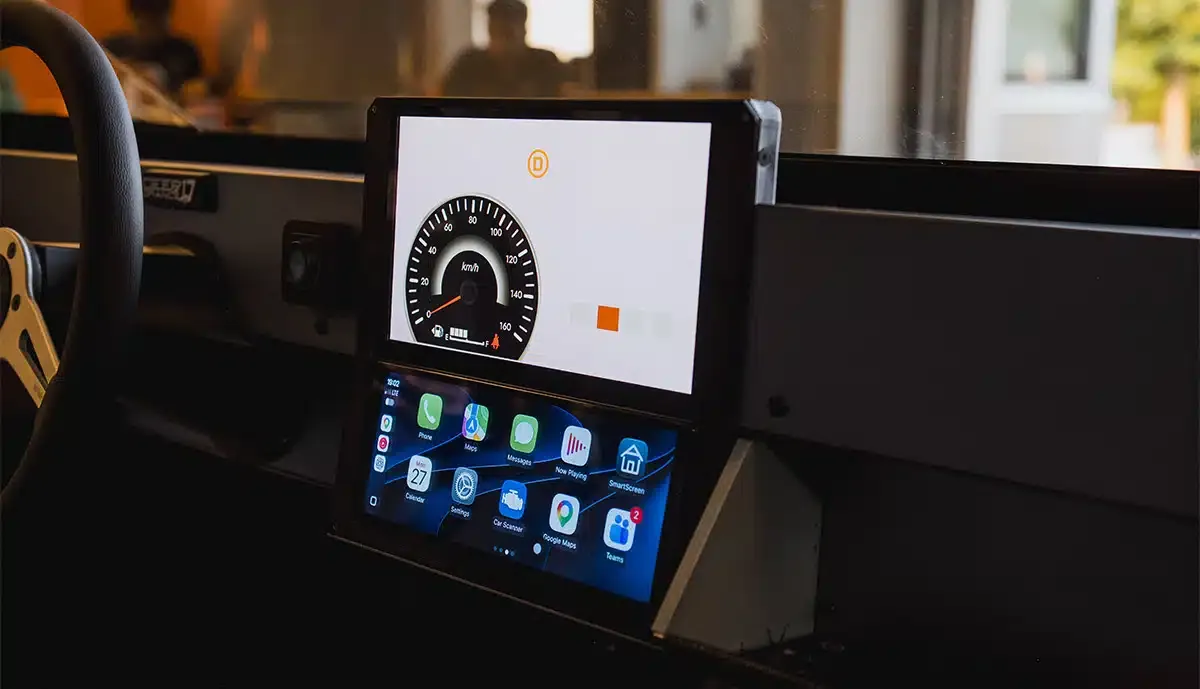
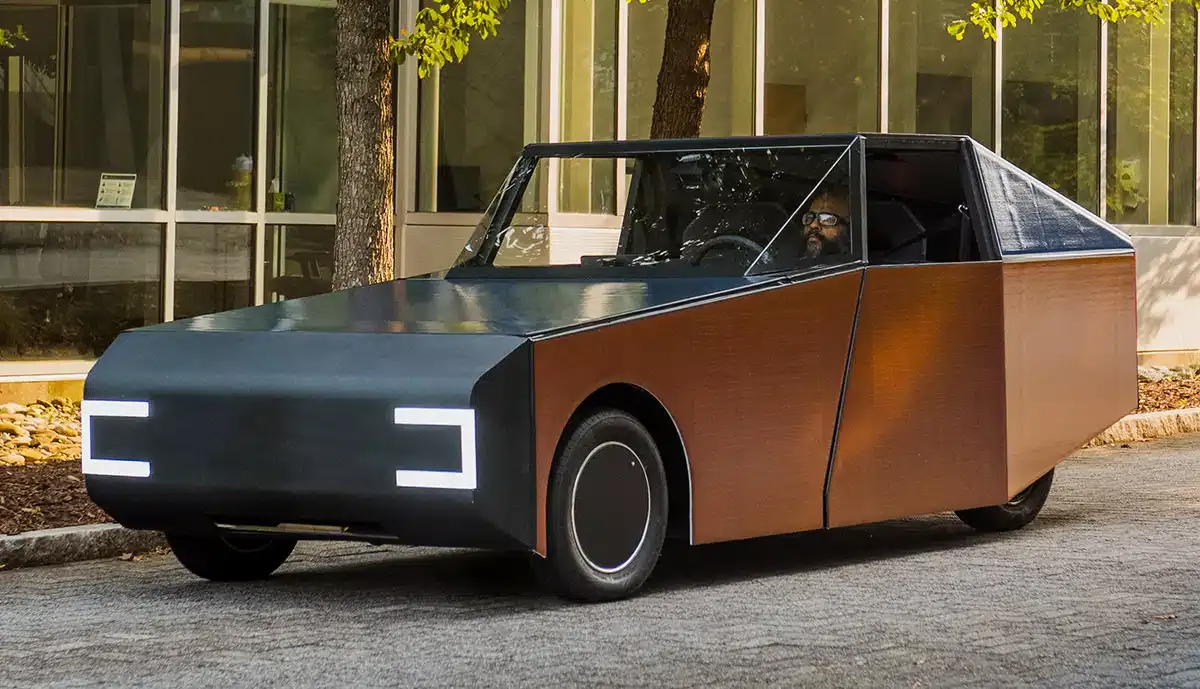
Image: BMW
The American Clemson University has introduced Deep Orange 17, a solar-integrated and energy-positive electric vehicle prototype. This vehicle is designed to generate more energy through urban commuting on a typical day than it consumes. The prototype was developed in collaboration with BMW’s research and development team. Solar energy technology, lightweight construction, and intelligent vehicle controls are key components of this concept.
Deep Orange 17 was developed as part of Clemson’s Deep-Orange program, where automotive engineering students work together with industry partners to create and build fully functional prototypes. In the fall of 2024, BMW asked the team whether a vehicle could generate more energy in daily driving than it consumes. The students focused not only on standardized driving cycles but also on everyday vehicle usage. They also considered that cars spend much of their time parked, during which they can absorb solar energy.
The electric car, designed as a lightweight coupe, collects solar energy both while parked and while in use. According to the developers, it is aimed at drivers who value ease of driving, energy efficiency, and reduced reliance on charging infrastructure.
Over 1700 photovoltaic cells are integrated directly into the exterior surfaces of Deep Orange 17. Solar energy is not an additional auxiliary system but a core component of the propulsion strategy. These cells continuously supply power to the energy storage system using sunlight, thereby helping to balance energy consumption during daily driving. The solar panels, developed in collaboration with the Fraunhofer Institute for Solar Energy Systems ISE, continue to generate energy even when parts of them are shaded.
The panels are protected by a durable outer film. To evaluate performance, the students modeled environmental conditions and solar radiation in Greenville, Frankfurt, Madrid, and Mumbai. Assuming a daily commuting distance of 12 miles or 20 kilometers, an average surplus of solar energy was calculated across the four locations, providing an additional 31 miles or 50 kilometers of range. This allowed solar radiation from different locations to be directly factored into the performance assessment.
In addition to solar technology, the entire vehicle was designed with efficiency in mind. The Deep Orange 17 weighs 1212 pounds, or 550 kilograms, which is about one quarter the weight of many similarly sized production vehicles. Its chassis combines construction steel for passenger safety with aluminum components, carbon fiber structural parts, and 3D-printed metal joints. The goal of this design is to achieve high strength with as low a weight as possible.
The team based its external design on the aerodynamic characteristics of the anglerfish. Its streamlined body shape reduces air resistance while maintaining interior volume. This biomimetic approach was combined with a retro-modern design. Additionally, Deep Orange 17 uses regenerative braking, intelligent torque distribution, and optimized drive controls to recover energy and improve vehicle performance.
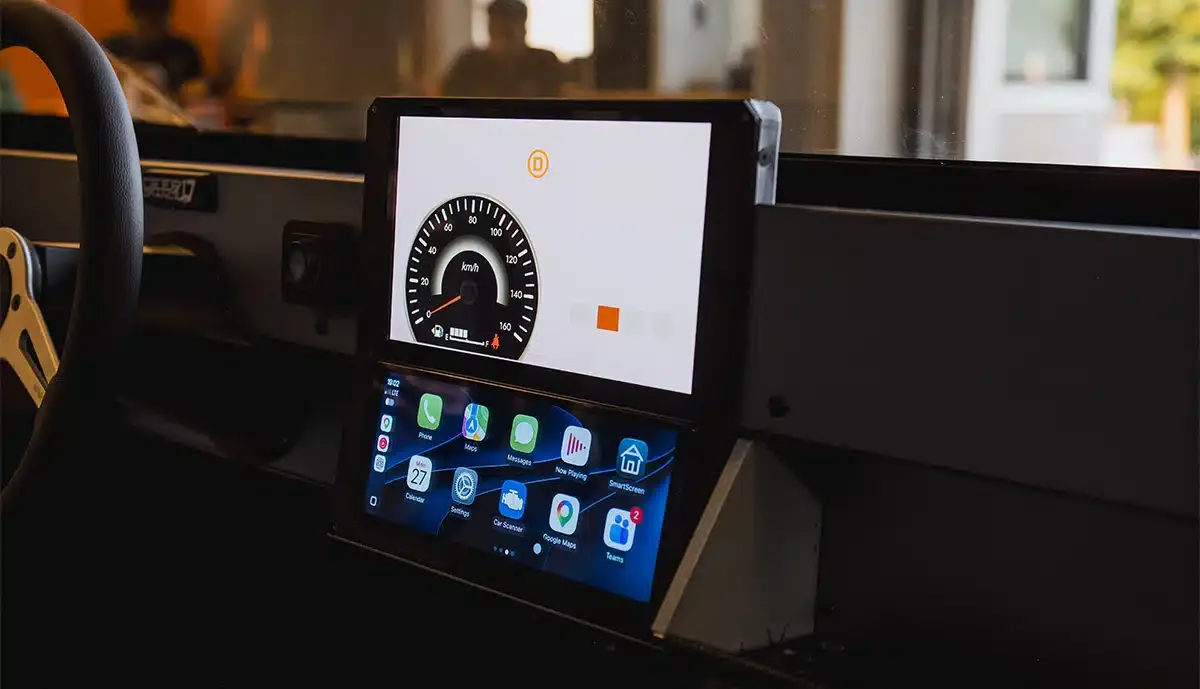
The model name Luminetta refers both to solar energy harvesting and the retro-modern design orientation. Inside, a specially developed human-machine interface displays vehicle data in real time and integrates Apple CarPlay as well as Android Auto.
Also interesting
About the author
Thomas Langenbucher is an expert in electromobility with professional experience in the automotive industry and finance sector. Since 2011, he has been covering electric vehicles, sustainable technologies, and mobility solutions for ecomento.de. Learn more.
Reader interactions