
EU regulations could end the “we’re reducing your capacity, keep waiting” strategy. Refunds now have a legal basis.
A district court in Offenburg, Germany, ruled that the owner of the problematic Cupra Born, which is affected by a battery recall issue—a common problem in MEB platform models; it’s almost scary to promote them —can seek to terminate the purchase contract under EU product safety laws (source). If the manufacturer does not provide an immediate solution, it should be prepared to replace the car or even refund the purchase price.
Will the blame-shifting toward owners end?
Table of contents
Will the blame-shifting toward owners end?
Will EU law hold manufacturers accountable?
After the announcement of another maintenance campaign for vehicles on the MEB platform, during which the manufacturer remotely restricted owners from charging above 80 percent, legitimate frustration began to emerge in comments on Elektrowoz. This is because owners now lost 20 percent of their range and have to “wait.” Repairing or replacing their batteries, if it even happens, could take two years — that’s how long the recall campaign for all defective VW ID.3, ID.4, ID.7, ID. Buzz, Cupra Born, and Audi Q4 e-tron models is set to last.
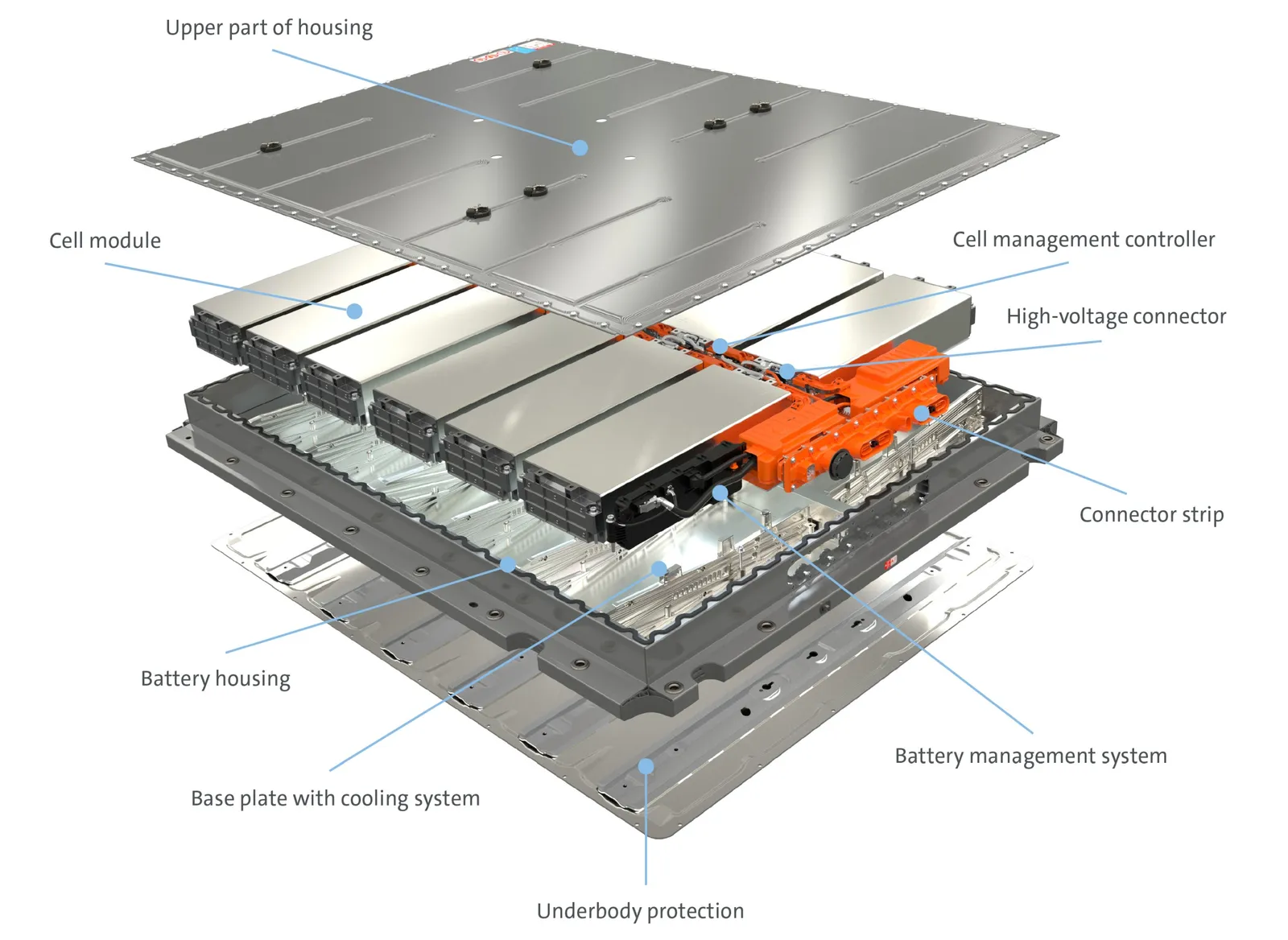
Structure of the battery in a MEB platform vehicle (c) Volkswagen
The owner of the Cupry Born, which was subject to an earlier similar service action announced in March 2026, decided to take legal action. She filed claims against the seller and manufacturer, the company Seat. The court referred to the EU regulation 2023/988 on general product safety, specifically Article 37 thereof (source):
To prevent the circulation of dangerous products, businesses must incorporate internal processes into their operations related to production or offering that ensure compliance with the relevant requirements of this regulation. Such internal processes should be defined by the businesses themselves based on their role in the supply chain and the type of products, and may rely on things such as organizational procedures, guidelines, standards, or the appointment of an ad hoc manager. Establishing and designing such internal processes should remain the exclusive responsibility of those businesses.

Cupra Born, press materials (c) Seat/Cupra
Will EU law hold manufacturers accountable?
The judge ruled that if a product becomes dangerous, the manufacturer must be prepared to address potential issues promptly. Regarding the recall action involving the aforementioned Cupra Born, the possible consequences include an illuminated warning light, reduced range, and even a risk of fire. Since “fire” meets the definition of a dangerous incident, the company must offer buyers an “effective, free, and immediate solution to the problem.” Furthermore, customers should have the option to choose from at least two alternatives, such as replacing it with a safe product, repairing it, or getting a refund for the purchase price.
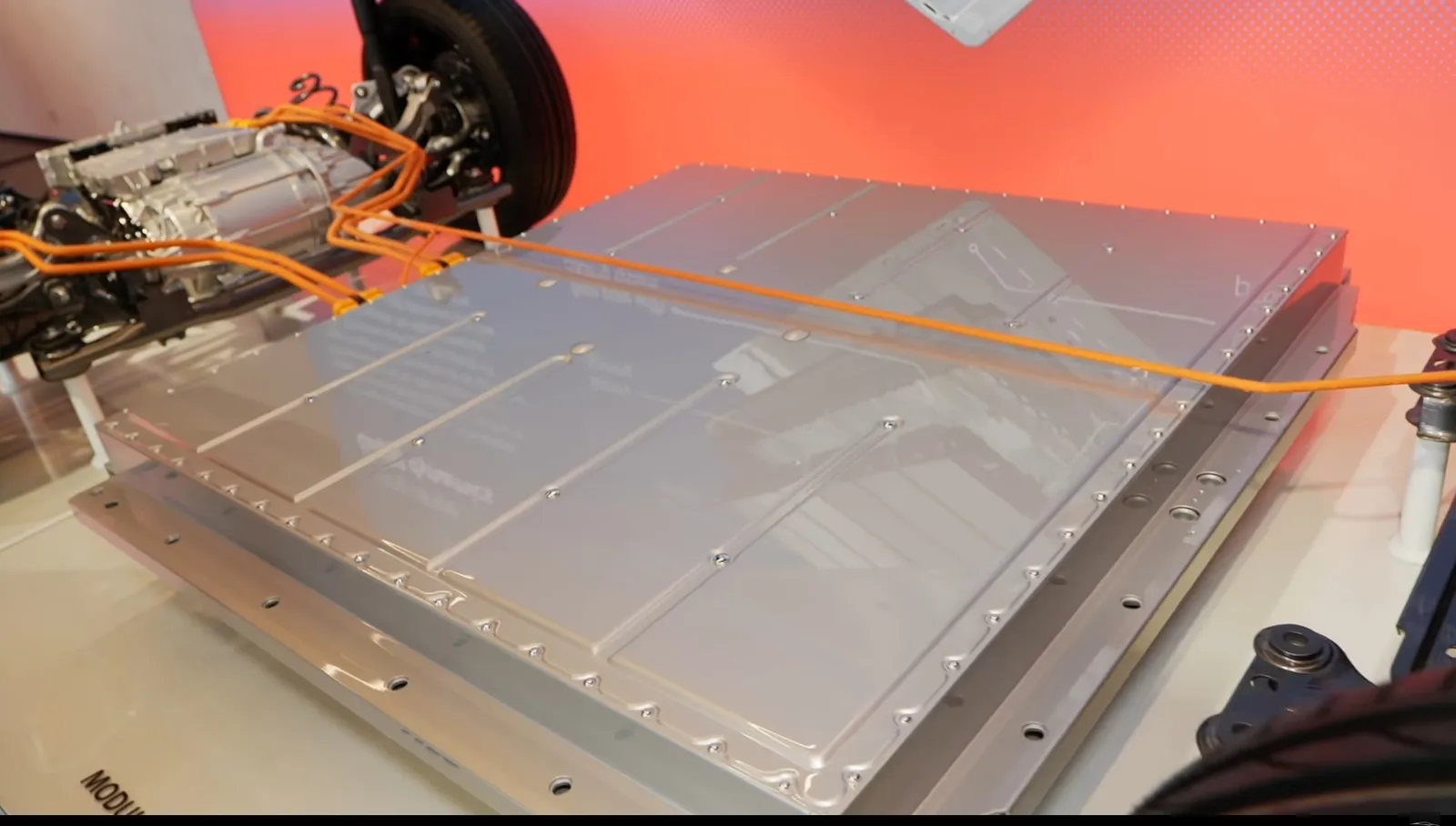
THE MEB PLATFORM ON THE EXAMPLE OF THE VW ID.3 CHASSIS
The key provision states that buyers are entitled to a refund if repairs or replacements cannot be carried out within a reasonable time without causing significant inconvenience to the owner. Meanwhile, all previous recall actions for cars on the MEB platform involved months of waiting and repairs that sometimes did not resolve the issue or only fixed it temporarily.
The court’s decision is currently just an ruling, and both parties can express their opinions on it. Additionally, in Europe (outside the United Kingdom), there is no precedent law, so each such case would be considered anew. Nevertheless, the growing number of claims could make manufacturers considering the strategy of “limiting charging to 80 percent, not parking in the garage, and waiting for further instructions from Wagenplanet” think twice.
Article Rating
Reader Ratings
[Total: 0 votes Average: 0]
Don’t miss new content—CLICK and FOLLOW Elektrowoz.pl on Google News. You might also be interested in the following ads: